
Introduction
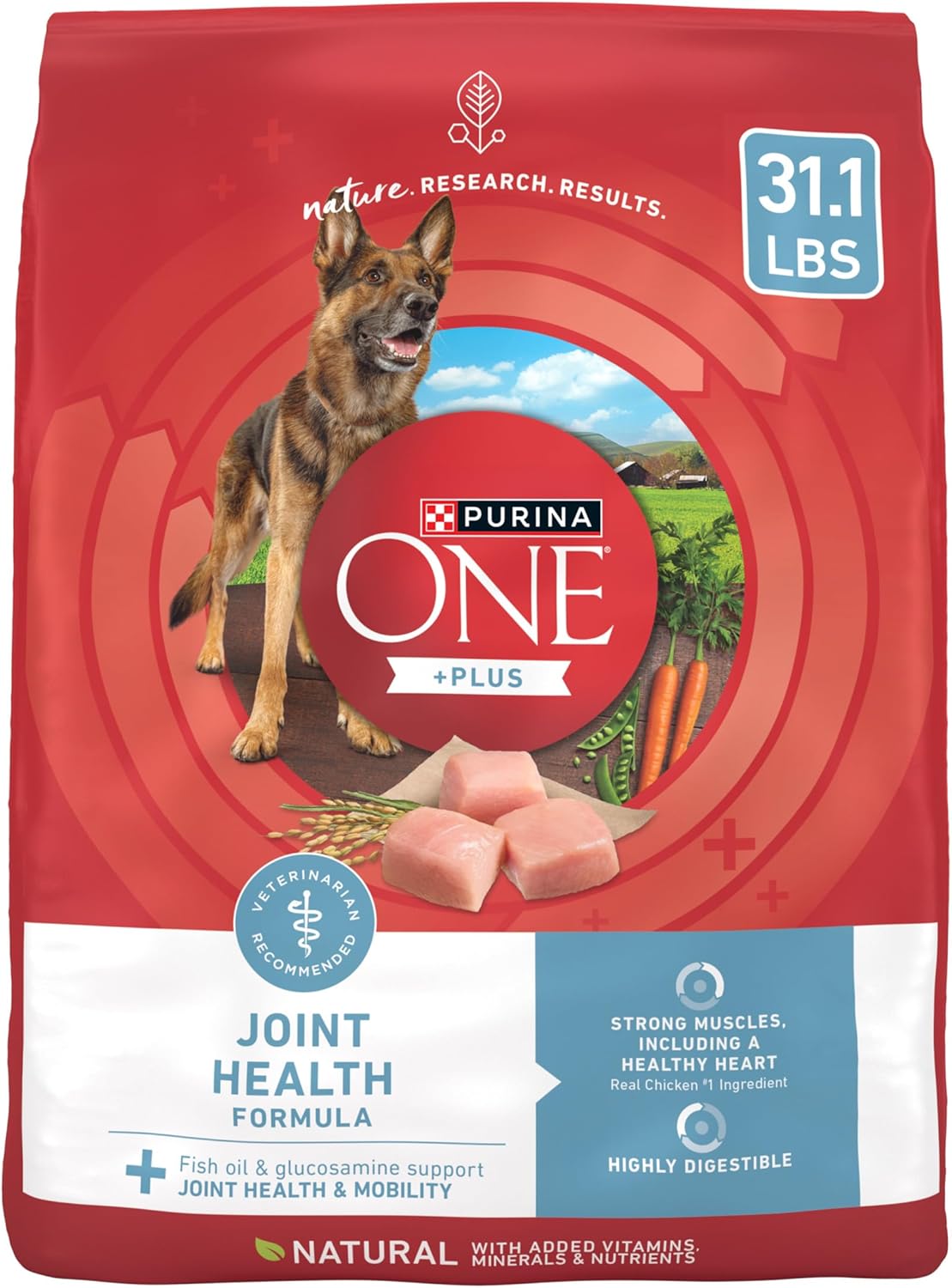
Maintaining a dog’s mobility and overall comfort throughout its life is a paramount concern for responsible pet owners. As dogs age, or for certain breeds and activity levels, joint health can become a significant challenge. The quest for the “best dog food for joint health” stems from a deep understanding that nutrition plays a fundamental role in supporting the structural integrity and function of canine joints. This specialized dietary approach is designed to provide specific nutrients that can help mitigate the effects of wear and tear, inflammation, and degenerative conditions, ultimately enhancing a dog’s quality of life and enabling it to remain active and comfortable for longer. Understanding how tailored nutrition can bolster joint health is crucial for proactive care and for addressing existing concerns.
💡 Pet Care Key Takeaways:
- Core Focus: Practical health, nutrition, and wellness guidelines for Best Dog Food For Joint Health.
- Target Scope: Pet owners, animal caregivers, and veterinary support staff.
- Best Recommendation: Maintain consistent daily routines and consult an accredited veterinarian before introducing major diet or medical changes.
Common Causes and Key Factors
Joint issues in dogs are influenced by a variety of factors, making a targeted nutritional strategy, such as incorporating the best dog food for joint health, essential. One primary cause is the natural aging process, which leads to the gradual degradation of cartilage and synovial fluid, resulting in conditions like osteoarthritis. For more related activities, check out our Natural Remedies For Fluid Retention In Dogs Australia.
Breed predisposition also plays a significant role. Large and giant breeds, including German Shepherds, Labrador Retrievers, Golden Retrievers, and Rottweilers, are genetically prone to developmental orthopedic diseases like hip and elbow dysplasia. These conditions, often inherited, can begin to manifest even in younger dogs.
Excess body weight is another critical factor. Obesity places immense strain on a dog’s joints, accelerating cartilage wear and exacerbating existing conditions. Even a few extra pounds can significantly impact joint health, making weight management a cornerstone of joint care.
Previous injuries, trauma, or repetitive high-impact activities can also contribute to joint problems. Athletic or working dogs, while needing robust musculoskeletal support, can experience wear and tear if not properly conditioned or if their diet does not adequately support recovery and joint maintenance. Furthermore, inadequate nutrition in regular dog food, lacking key joint-supporting ingredients, can fail to provide the necessary building blocks for healthy cartilage and anti-inflammatory support.
Signs and Symptoms to Observe
Recognizing the early signs of joint discomfort allows for timely intervention, including dietary adjustments like introducing dog food for joint health. Dog owners should closely observe their companion’s behavior and movement patterns for any subtle changes.
One of the most common indicators is a change in mobility. This can manifest as limping, stiffness, especially after rest or upon waking, or a noticeable reluctance to jump, climb stairs, or get into a vehicle. A dog might struggle to stand up after lying down or appear to move more slowly during walks.
Behavioral shifts can also signal joint pain. A dog might become less enthusiastic about play, shorten walks, or show irritability when touched, particularly around the affected joints. Some dogs may excessively lick, chew, or bite at a specific joint area as a self-soothing mechanism.
Physical changes can include visible swelling around a joint, muscle atrophy in a limb that is not being used normally, or a distinct change in gait. The severity and manifestation of these signs can vary significantly depending on the dog’s age, breed, and the underlying cause of the joint issue. Puppies with developmental orthopedic problems might show different symptoms than senior dogs experiencing chronic arthritis.
Practical Solutions and Management Strategies
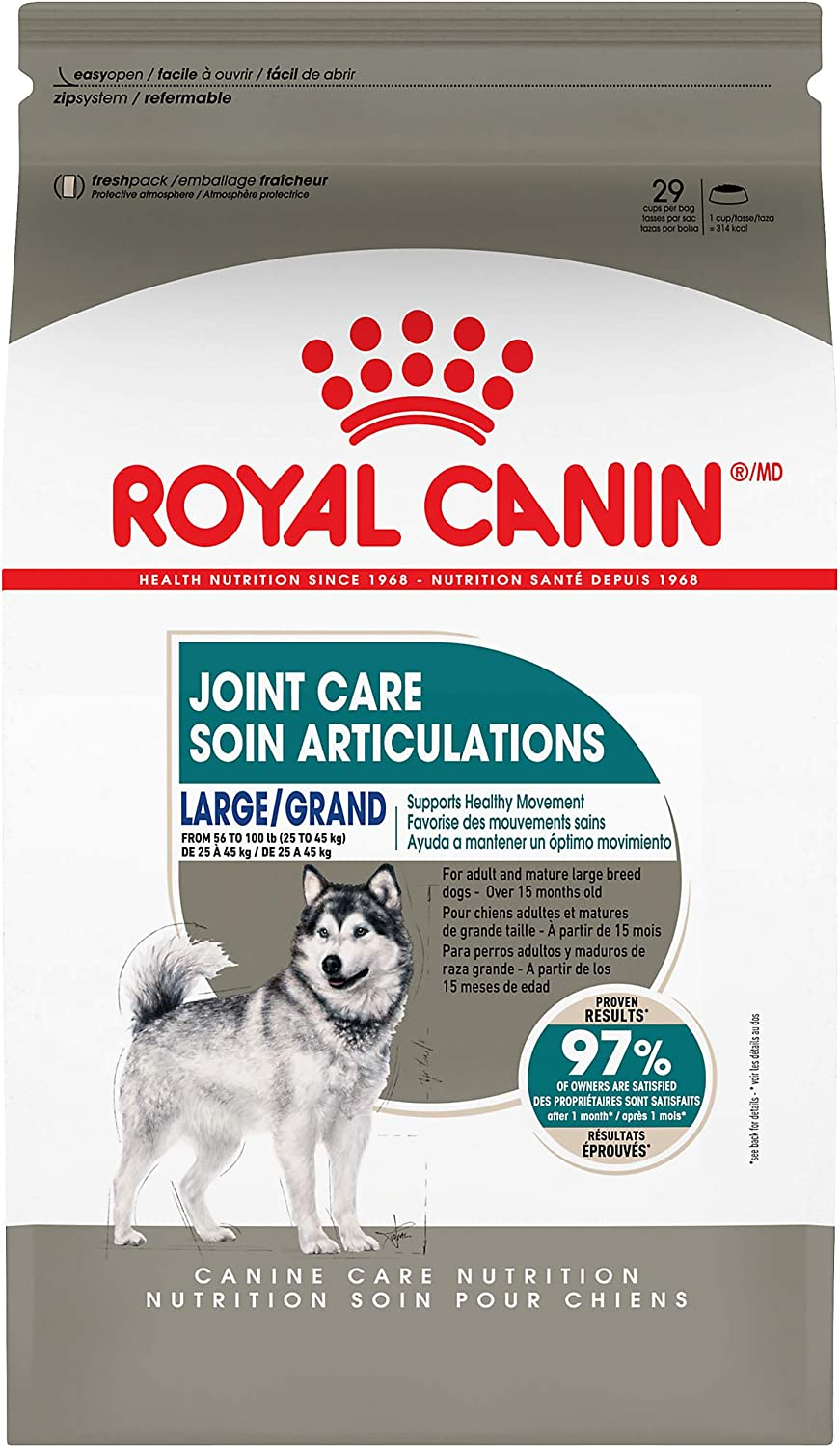
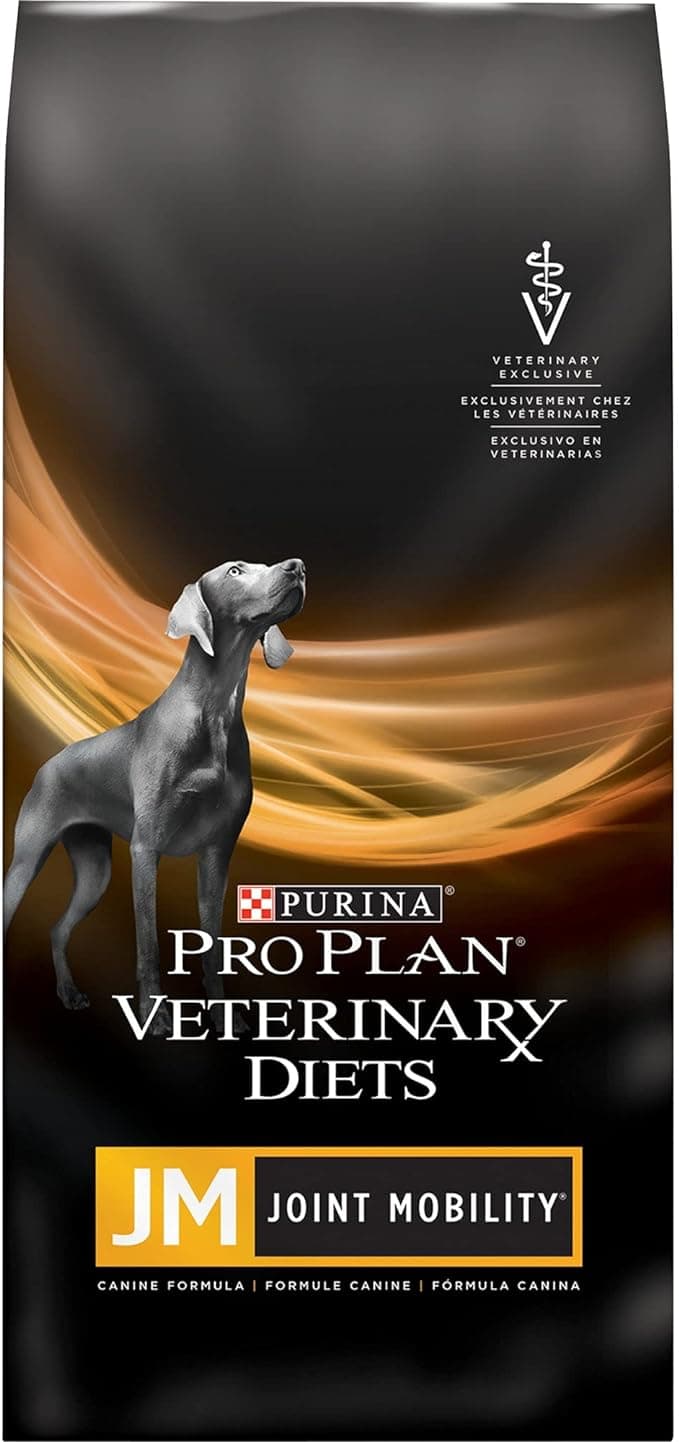
Managing and improving joint health in dogs often involves a multifaceted approach, with diet playing a central role. Selecting the best dog food for joint health is a cornerstone of this strategy.
Dietary Intervention: Specialized dog foods formulated for joint health typically include key ingredients known for their chondroprotective and anti-inflammatory properties. These often include:
- Glucosamine and Chondroitin: These are natural compounds found in healthy cartilage. Supplementing them can help support cartilage repair and maintenance, improving joint lubrication and elasticity.
- Omega-3 Fatty Acids (EPA & DHA): Derived from fish oil, these powerful anti-inflammatory agents can reduce pain and swelling associated with arthritis.
- Methylsulfonylmethane (MSM): An organic sulfur compound known for its anti-inflammatory and pain-relieving effects.
- Collagen: A structural protein vital for connective tissues, supporting cartilage, tendons, and ligaments.
- Green-Lipped Mussel: A source of omega-3s, glucosamine, chondroitin, and other minerals, offering comprehensive joint support.
- Antioxidants (Vitamins E & C): These combat oxidative stress, which can contribute to joint damage.
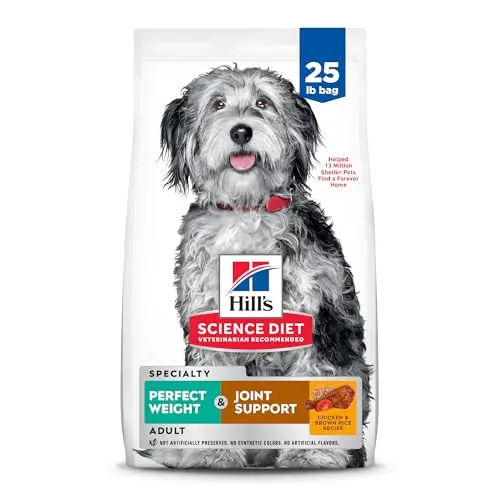
When choosing a joint-supportive dog food, owners should look for reputable brands that clearly list these ingredients and their concentrations. It is also important to select a formula appropriate for the dog’s life stage and size, as nutritional requirements vary.
Weight Management: Maintaining an ideal body weight is paramount. Many joint-supportive foods are also formulated to assist with weight control, featuring appropriate calorie levels and nutrient profiles. Reducing excess weight significantly reduces the mechanical stress on joints.
Controlled Exercise: Regular, low-impact exercise is beneficial for maintaining muscle strength and joint flexibility. Activities such as swimming, short, controlled walks on soft surfaces, or hydrotherapy can keep joints mobile without excessive strain. High-impact activities or prolonged strenuous exercise should be avoided for dogs with existing joint conditions.
Environmental Adjustments: Providing orthopedic beds can offer superior cushioning and support. Ramps can assist dogs in getting into cars or onto furniture, reducing jumping. Non-slip rugs or flooring can prevent slips and falls that might exacerbate joint pain.
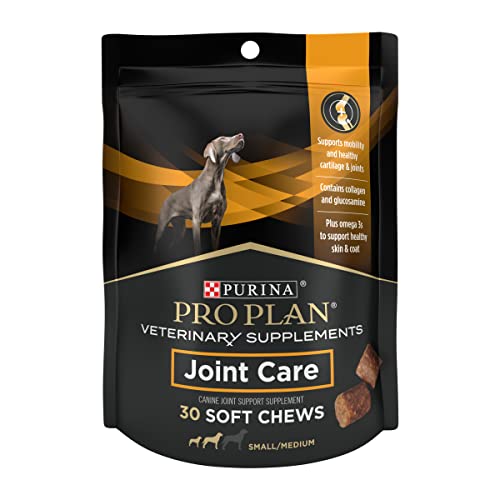
Supplements: While the best dog food for joint health incorporates these nutrients directly, standalone joint supplements can be considered as an adjunct, but always under veterinary guidance to ensure appropriate dosage and suitability.
When Professional Help May Be Needed
While dietary interventions and home management strategies are highly beneficial, recognizing when to seek veterinary consultation is critical for optimal joint health. Professional help becomes necessary when observed signs of discomfort persist, worsen, or significantly impact a dog’s quality of life.
Veterinary attention is warranted if a dog exhibits sudden or severe limping, an inability to bear weight on a limb, or acute pain. Rapid deterioration of mobility, noticeable swelling or heat around a joint, or any significant behavioral changes accompanied by physical symptoms should prompt an immediate visit to the veterinarian.
A veterinary professional can accurately diagnose the underlying cause of joint issues through physical examination, X-rays, and other diagnostic tests. They can then recommend a tailored treatment plan, which may include prescription medications (such as NSAIDs for pain and inflammation), physical therapy, therapeutic laser treatments, or in some cases, surgical intervention. Regular check-ups are also crucial for monitoring chronic conditions and adjusting management plans, including specific recommendations for the best dog food for joint health or additional supplements.
Conclusion
Optimizing a dog’s joint health is an ongoing commitment that significantly impacts its well-being and longevity. The thoughtful selection of the best dog food for joint health represents a proactive and powerful strategy in this endeavor. By understanding the common causes of joint issues, diligently observing for signs of discomfort, and implementing comprehensive management strategies that prioritize nutrition, appropriate exercise, and environmental support, dog owners can make a profound difference. Consistent attention to a dog’s dietary needs, coupled with regular veterinary oversight, ensures that these beloved companions can enjoy maximum comfort and mobility throughout their lives. Empowering dogs with robust joint health through informed care reflects a dedication to their overall quality of life.
Pet Care & Wellness Overview Table
| Life Stage | Daily Activity Level | Key Nutrition / Care Focus |
|---|---|---|
| Puppy / Kitten | High (frequent short bursts) | High-protein growth diet & early socialization |
| Adult Companion | Moderate (30–60 mins daily) | Balanced maintenance nutrition & dental hygiene |
| Senior Pets | Low to Gentle (mindful walks) | Joint support (Glucosamine) & routine vet checks |
Images References




For more expert pet care tips and advice, check out our dedicated Dog Health guides to keep your companions healthy and happy.




