Introduction
Ensuring a canine companion’s optimal health involves diligent attention to various aspects of their care, with nutrition standing as a fundamental pillar. Among the many considerations for a dog’s diet, selecting the best dog food for urinary health holds significant importance for many pet owners. This specialized dietary approach addresses and helps mitigate common issues affecting the urinary tract, such as bladder stones, urinary tract infections (UTIs), and other related discomforts. Understanding the role of specific nutritional components in maintaining a healthy urinary system is crucial, particularly as dogs age or if they are predisposed to certain conditions. Providing the appropriate diet can significantly improve a dog’s comfort, reduce the risk of recurring problems, and contribute to an enhanced overall quality of life by proactively managing potential health challenges. Explore more in our Dog Health collection.
💡 Pet Care Key Takeaways:
- Core Focus: Practical health, nutrition, and wellness guidelines for Best Dog Food For Urinary Health.
- Target Scope: Pet owners, animal caregivers, and veterinary support staff.
- Best Recommendation: Maintain consistent daily routines and consult an accredited veterinarian before introducing major diet or medical changes.
Common Causes and Key Factors
Urinary health concerns in dogs can stem from a variety of factors, making a targeted dietary strategy like the best dog food for urinary health a vital management tool. One primary cause involves the formation of urinary crystals or stones (urolithiasis), which often develop due to an imbalance in urine pH and concentrated levels of certain minerals. For instance, diets high in magnesium, phosphorus, and calcium can contribute to struvite or calcium oxalate stone formation. For more related activities, check out our Signs Of A Deaf Dog Behavior Problems And Solutions.
Beyond diet, biological predispositions play a significant role. Certain breeds, such as Dalmatians (prone to urate stones), Miniature Schnauzers (calcium oxalate), and Bichon Frise (struvite), have genetic tendencies toward specific types of urinary stones. Age is another factor; older dogs may be more susceptible to kidney issues or decreased bladder function. Additionally, female dogs often experience a higher incidence of urinary tract infections due to anatomical differences. Discover more free resources across our collection library.
Environmental and lifestyle factors also influence urinary wellness. Insufficient water intake can lead to concentrated urine, increasing the likelihood of crystal formation. Infrequent urination opportunities, often due to a lack of walks or extended periods indoors, allow bacteria to proliferate and urine to become too concentrated. Stress, obesity, and even other underlying medical conditions like diabetes can further compromise a dog’s urinary system, highlighting the need for a holistic approach that includes appropriate nutrition.
Signs and Symptoms to Observe
Recognizing the early signs of urinary issues is paramount for timely intervention and successful management, often involving a switch to the best dog food for urinary health. Dog owners should remain vigilant for changes in their pet’s urination habits and general behavior. One of the most common indicators is an increased frequency of urination or attempts to urinate, often with little or no output. This can also manifest as house soiling, even in previously house-trained dogs, due to an increased urge or discomfort.
Straining or difficulty urinating, known as dysuria, is another critical symptom, sometimes accompanied by whimpering or signs of pain during the act. Blood in the urine (hematuria) is a stark visual cue that necessitates immediate attention. A stronger or unusual odor to the urine, or a change in its color or cloudiness, can also point to an underlying problem.
Dogs experiencing urinary discomfort may also exhibit behavioral changes, such as excessive licking of the genital area, lethargy, a decreased appetite, or increased irritability. These signs can vary in intensity depending on the dog’s age, breed, and the severity of the condition. For example, younger dogs might show more acute discomfort, while older dogs might have more subtle, chronic symptoms. Any deviation from normal urinary patterns or behavior warrants careful observation and prompt consultation with a veterinary professional.
Practical Solutions and Management Strategies
Managing canine urinary health effectively often involves a multi-faceted approach, with dietary intervention through the best dog food for urinary health being a cornerstone. Specialized diets are formulated to address specific urinary conditions by modifying urine pH, controlling mineral levels, and increasing moisture content.
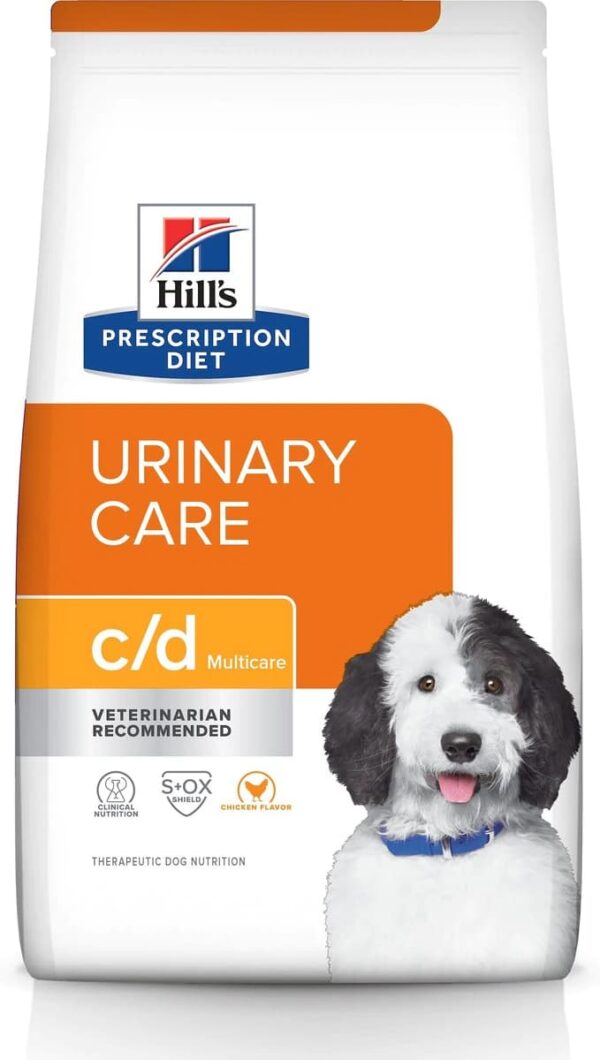
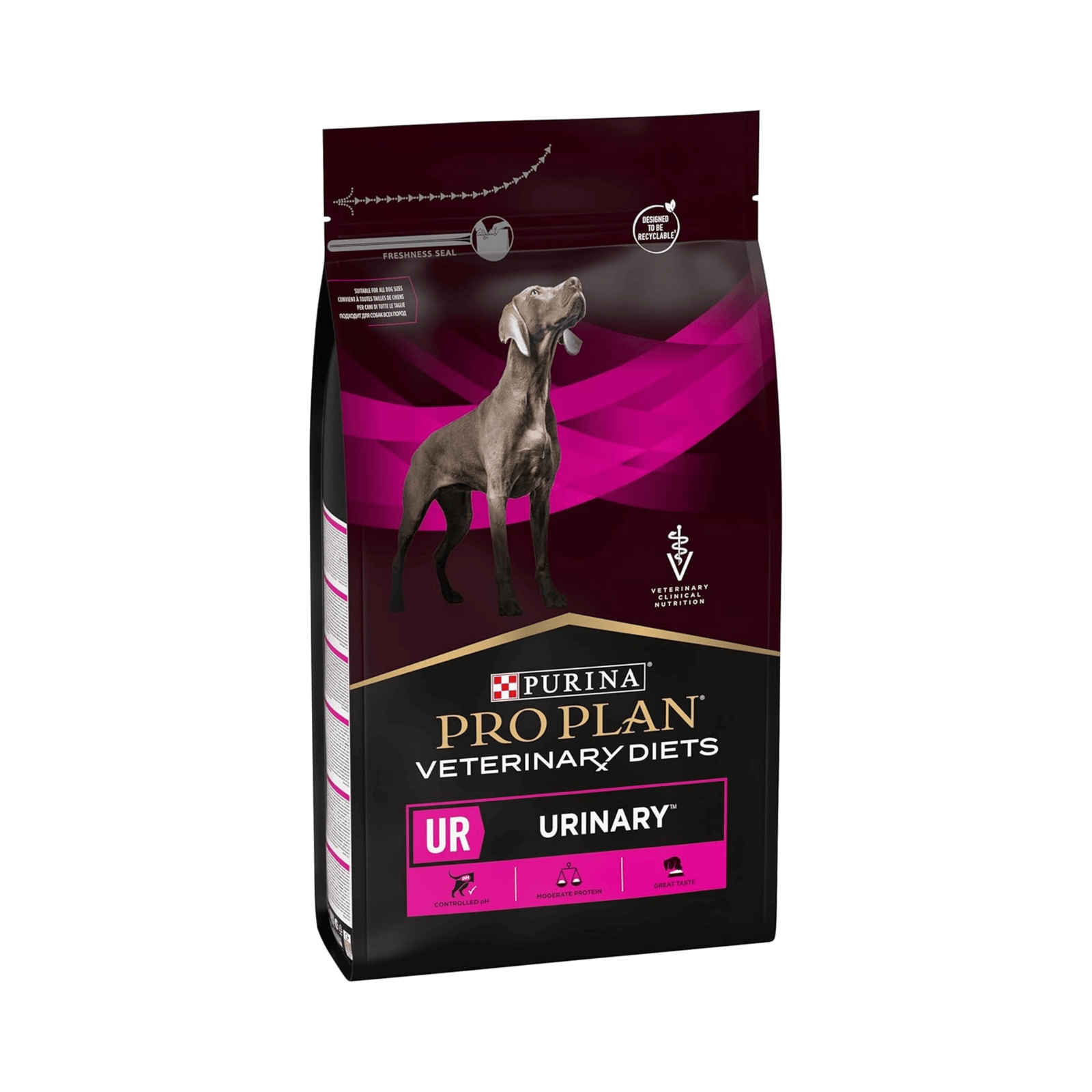
Prescription Urinary Diets: For dogs diagnosed with specific types of bladder stones or recurrent UTIs, veterinarians often recommend prescription urinary diets. These foods are rigorously formulated to dissolve existing stones (e.g., struvite) or prevent their recurrence (e.g., calcium oxalate, urate). They typically feature carefully balanced levels of protein, magnesium, phosphorus, and calcium, alongside ingredients that promote a specific urine pH (either acidifying or alkalizing) to create an environment unfavorable for stone formation.
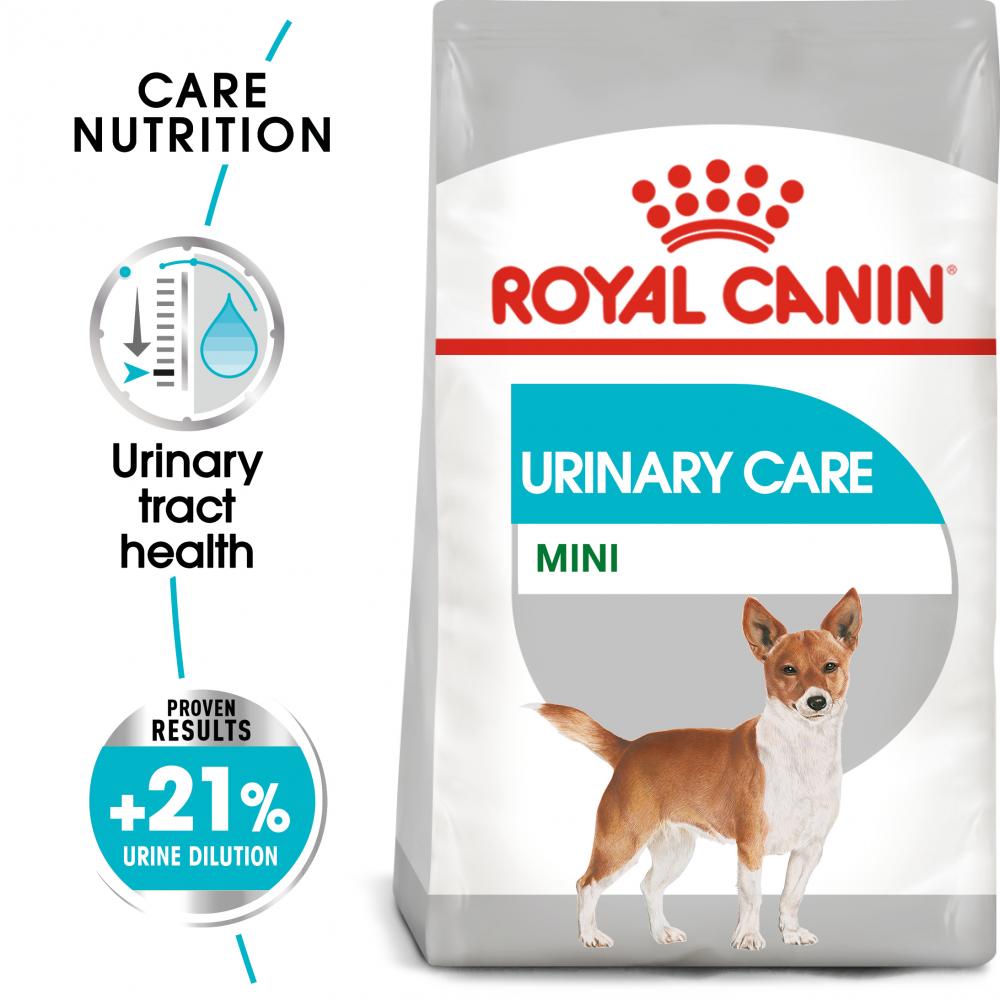
Over-the-Counter Urinary Support Diets: For dogs with a history of minor urinary issues or those considered at risk, some over-the-counter formulas are designed to support general urinary wellness. These may contain moderate mineral control and often include ingredients like cranberries, which are thought to help prevent bacteria from adhering to the bladder wall, and omega-3 fatty acids for their anti-inflammatory properties.
Increased Moisture Intake: Hydration is crucial for urinary health. Feeding wet food, adding water to kibble, or using water fountains can encourage greater water consumption, leading to more dilute urine. Dilute urine helps flush out bacteria and reduces the concentration of minerals that can form crystals.
Controlled Mineral Levels: Understanding the type of urinary stone is key. Diets for struvite stones typically limit magnesium and phosphorus and promote an acidic urine pH. For calcium oxalate stones, diets might be designed to promote a more neutral or slightly alkaline urine pH and control calcium, sodium, and oxalate levels.
Lifestyle Adjustments: Complementing dietary changes with proper lifestyle management is vital. Ensuring frequent opportunities for urination helps prevent urine from sitting in the bladder for too long, reducing the risk of bacterial growth and crystal formation. Maintaining a healthy weight through regular exercise also alleviates pressure on the urinary system and supports overall well-being.
When Professional Help May Be Needed
While exploring options for the best dog food for urinary health is a proactive step, it is imperative to recognize when veterinary intervention is necessary. Any observable signs of urinary discomfort, pain, or significant changes in urination patterns warrant immediate professional attention. Delaying treatment can lead to more severe complications, greater pain for the dog, and a more challenging recovery.
Specific situations that demand an urgent veterinary consultation include:
- Straining or Inability to Urinate: This is a medical emergency, particularly if a dog cannot pass urine at all, as it could indicate a complete blockage which can be life-threatening.
- Blood in Urine (Hematuria): The presence of blood is a clear indicator of an underlying issue, such as infection, stones, or inflammation.
- Persistent or Recurrent Symptoms: If urinary issues persist despite initial home care, or if they recur frequently, a more thorough diagnostic workup is needed.
- Lethargy, Loss of Appetite, or Vomiting: These general symptoms, when combined with urinary signs, can indicate a more systemic illness or a severe urinary tract problem.
Veterinarians can perform diagnostic tests, such as urinalysis, urine culture, X-rays, or ultrasound, to accurately diagnose the cause of urinary problems. They can then recommend the most appropriate course of action, which might include antibiotics for infections, procedures to remove stones, or specific prescription diets tailored to the dog’s condition. Never introduce a prescription urinary diet without veterinary guidance, as these specialized foods are formulated for specific medical conditions and might not be appropriate without a definitive diagnosis.
Conclusion
Prioritizing a dog’s urinary health through careful observation and appropriate nutritional choices, including the best dog food for urinary health, is an essential aspect of responsible pet ownership. Understanding the various factors that contribute to urinary issues, recognizing the subtle and overt signs of discomfort, and implementing practical management strategies can significantly impact a dog’s well-being. The array of specialized diets available offers powerful tools to prevent and manage conditions ranging from bladder stones to recurrent infections. However, the importance of veterinary consultation cannot be overstated; professional diagnosis and guidance are crucial for effectively addressing complex urinary conditions. Through a combination of informed dietary choices, vigilant monitoring, and timely professional care, pet owners can help their canine companions lead healthier, more comfortable lives, reflecting the commitment to optimal pet welfare championed by petsanimalsworld.com.
Pet Care & Wellness Overview Table
| Life Stage | Daily Activity Level | Key Nutrition / Care Focus |
|---|---|---|
| Puppy / Kitten | High (frequent short bursts) | High-protein growth diet & early socialization |
| Adult Companion | Moderate (30–60 mins daily) | Balanced maintenance nutrition & dental hygiene |
| Senior Pets | Low to Gentle (mindful walks) | Joint support (Glucosamine) & routine vet checks |
Images References