

Introduction
Managing a dog diagnosed with Cushing’s disease, also known as hyperadrenocorticism, presents unique challenges for pet owners. This endocrine disorder, characterized by the overproduction of cortisol by the adrenal glands, impacts nearly every organ system and can significantly alter a dogs metabolism. A critical component of managing this complex condition effectively involves thoughtful dietary choices. Specifically, selecting the best dry dog food for Cushing’s disease can play a pivotal role in mitigating symptoms, supporting overall health, and enhancing a dogs quality of life. Understanding the specific nutritional requirements imposed by Cushing’s is essential for providing optimal care and ensuring a dog thrives despite their diagnosis.
💡 Pet Care Key Takeaways:
- Core Focus: Practical health, nutrition, and wellness guidelines for Best Dry Dog Food For Cushing's Disease.
- Target Scope: Pet owners, animal caregivers, and veterinary support staff.
- Best Recommendation: Maintain consistent daily routines and consult an accredited veterinarian before introducing major diet or medical changes.
Common Causes and Key Factors
Cushing’s disease stems from an excessive presence of cortisol, a stress hormone, in the body. This overproduction is most commonly triggered by a tumor, either in the pituitary gland (pituitary-dependent Cushing’s disease, accounting for approximately 85% of cases) or, less frequently, in the adrenal glands themselves (adrenal-dependent Cushing’s disease). Long-term administration of corticosteroids can also induce a similar condition known as iatrogenic Cushing’s disease. Regardless of the underlying cause, the sustained high cortisol levels wreak havoc on a dog’s metabolic processes. For more related activities, check out our Can Apoquel Cause Aggression In Dogs.
Key factors influencing nutritional needs in dogs with Cushing’s disease include:
- Altered Metabolism: Cortisol impacts glucose, protein, and fat metabolism, often leading to insulin resistance, muscle wasting, and fat redistribution.
- Increased Appetite: Many dogs with Cushing’s experience polyphagia, an insatiable hunger, which can lead to rapid weight gain if not managed through diet.
- Water Imbalance: Polydipsia (increased thirst) and polyuria (increased urination) are common, necessitating careful consideration of hydration and potential electrolyte imbalances.
- Reduced Activity Levels: Muscle weakness and lethargy often accompany the disease, making weight management through diet even more crucial due to decreased energy expenditure.
- Increased Risk of Secondary Conditions: Dogs with Cushing’s are prone to conditions like pancreatitis, diabetes mellitus, skin infections, and urinary tract infections, all of which can be influenced by diet.
These factors collectively underscore the importance of a specialized diet in managing the disease and its secondary complications.
Signs and Symptoms to Observe
Recognizing the signs and symptoms of Cushing’s disease is the first step toward seeking diagnosis and implementing appropriate care, including dietary adjustments. While symptoms can vary in severity and presentation depending on a dogs age, breed, and the stage of the disease, several key indicators are frequently observed:
- Increased Thirst and Urination (Polydipsia and Polyuria): A noticeable increase in water consumption and frequent, larger volumes of urination are often early and prominent signs.
- Increased Appetite (Polyphagia): Dogs may exhibit an incessant hunger, often leading to begging for food and weight gain despite muscle loss.
- Pot-Bellied Appearance: This is common due to fat redistribution to the abdomen, muscle weakness in the abdominal wall, and liver enlargement.
- Hair Loss and Thin Skin: Symmetrical hair loss (especially on the flanks and abdomen), thinning skin, poor wound healing, and recurrent skin infections are typical dermatological changes.
- Muscle Weakness and Lethargy: Dogs may show reduced stamina, difficulty jumping, or general weakness, which can be attributed to muscle atrophy.
- Panting: Excessive panting, even when at rest or in cool environments, can be a sign.
Observing these symptoms can prompt discussions with a veterinarian, who can confirm a diagnosis and provide guidance on both medical treatment and tailored dietary strategies, including the selection of an appropriate dry dog food.
Practical Solutions and Management Strategies
Nutritional management forms a cornerstone of care for dogs with Cushing’s disease, complementing medical treatment. The goal of selecting the best dry dog food for Cushing’s disease is to provide a balanced diet that supports metabolism, manages weight, and mitigates associated health risks.
Key dietary principles for dogs with Cushing’s include:
- Low to Moderate Fat Content: Excess fat can exacerbate weight gain and increase the risk of pancreatitis, a common secondary complication. Dry dog food with a fat content typically below 12-15% on a dry matter basis is often recommended.
- Moderate, High-Quality Protein: To combat muscle wasting, a diet with moderate levels of easily digestible, high-quality protein (around 18-25% dry matter basis) is important. This helps maintain muscle mass without over-stressing the kidneys, especially in older dogs or those with concurrent kidney issues.
- High Fiber Content: Increased fiber helps dogs feel fuller, addressing polyphagia and aiding in weight management. Fiber also supports gastrointestinal health. Look for ingredients like beet pulp, psyllium, pumpkin, or lentils.
- Controlled, Complex Carbohydrates: Avoid simple sugars and refined grains. Focus on complex carbohydrates like whole grains (e.g., brown rice, oats) or certain vegetables (e.g., sweet potato) for sustained energy release and better blood sugar regulation.
- Rich in Essential Vitamins and Minerals: Dogs with Cushing’s may have increased needs for certain nutrients, particularly B vitamins, which can be depleted due to increased urination. Antioxidants (Vitamins C and E) can help combat oxidative stress. Omega-3 fatty acids (from fish oil) can support skin, coat, and joint health, and provide anti-inflammatory benefits.
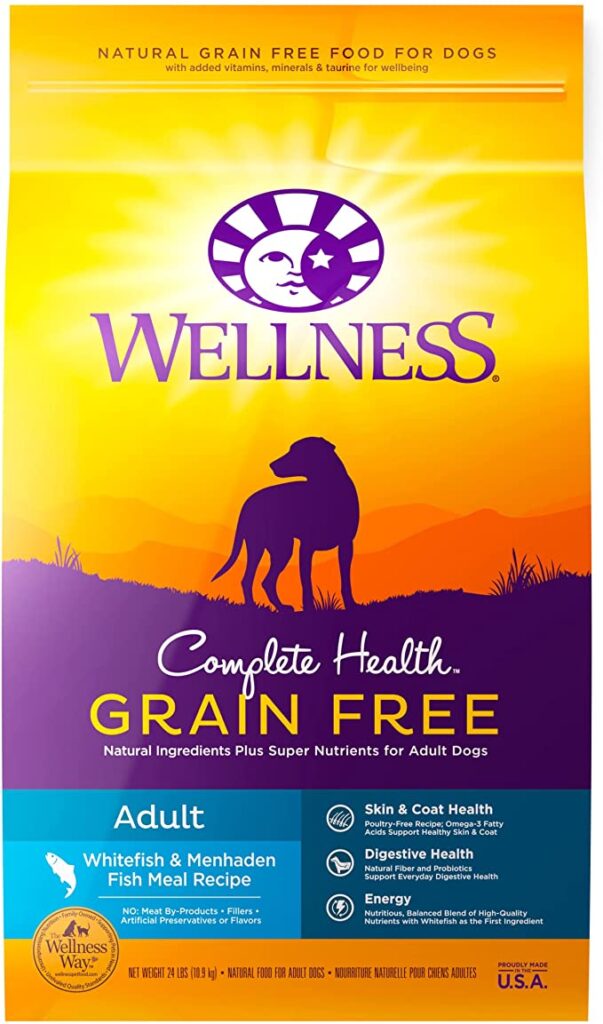
When evaluating dry dog food for Cushing’s disease, pet owners should scrutinize ingredient lists. Look for named meat sources as the primary ingredients (e.g., chicken meal, lamb meal, salmon meal) rather than generic “meat by-products.” Avoid foods with excessive fillers, artificial colors, flavors, or preservatives. While several reputable commercial dry dog foods may meet these criteria, sometimes a veterinarian may recommend a prescription therapeutic diet specifically formulated for metabolic support or weight management, which is often ideal for dogs with Cushings. Portion control and consistent feeding schedules are also crucial to manage weight and hunger effectively.
When Professional Help May Be Needed
Managing Cushing’s disease is a complex undertaking that unequivocally requires ongoing veterinary guidance. While dietary adjustments are vital, they are a supportive measure and not a substitute for medical treatment. A veterinarian’s role begins with an accurate diagnosis, which involves a series of specific tests. Once diagnosed, a treatment plan, often involving medication, will be established. Regular veterinary consultations are essential for monitoring a dog’s response to medication, adjusting dosages, and assessing overall health.
Professional help is needed when:
- Initial symptoms are observed, warranting a diagnostic workup.
- A dog is already diagnosed, requiring medication management and routine blood work to monitor cortisol levels and organ function.
- New or worsening symptoms appear, indicating a need to re-evaluate the treatment plan.
- Guidance is needed on selecting the most appropriate dry dog food for Cushing’s disease, especially if a prescription diet is being considered.
- Concurrent health issues arise, such as diabetes, pancreatitis, or urinary tract infections, which require integrated treatment strategies.
Working closely with a veterinary professional ensures that all aspects of a dog’s health are addressed comprehensively, providing the best possible outcome for managing Cushing’s disease.
Conclusion
Cushing’s disease can significantly impact a dog’s well-being, but with proper medical management and a carefully chosen diet, affected dogs can maintain a good quality of life. The selection of the best dry dog food for Cushing’s disease is more than just picking a bag off a shelf; it involves a strategic approach to nutrition that addresses the unique metabolic challenges presented by the condition. By focusing on low to moderate fat, moderate high-quality protein, high fiber, and controlled complex carbohydrates, pet owners can help mitigate symptoms, manage weight, and support overall health. Consistent observation, proactive dietary adjustments, and, most importantly, ongoing collaboration with a veterinarian are key to successfully navigating the complexities of Cushing’s disease and ensuring a dog’s comfort and vitality.
Pet Care & Wellness Overview Table
| Life Stage | Daily Activity Level | Key Nutrition / Care Focus |
|---|---|---|
| Puppy / Kitten | High (frequent short bursts) | High-protein growth diet & early socialization |
| Adult Companion | Moderate (30–60 mins daily) | Balanced maintenance nutrition & dental hygiene |
| Senior Pets | Low to Gentle (mindful walks) | Joint support (Glucosamine) & routine vet checks |
Images References





For more expert pet care tips and advice, check out our dedicated Dog Health guides to keep your companions healthy and happy.




