

Introduction
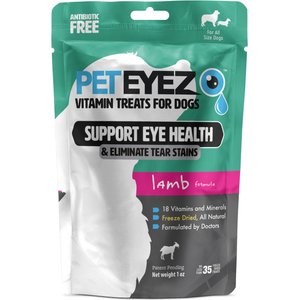
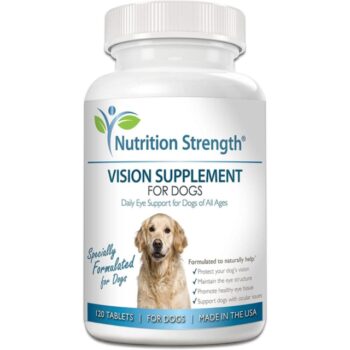
Maintaining optimal health for canine companions is a primary concern for dedicated pet owners. Among the many aspects of a dog’s well-being, vision plays a crucial role in their quality of life, enabling navigation, interaction, and enjoyment of their surroundings. As dogs age, or due to genetic predispositions and environmental factors, their ocular health can become compromised, potentially leading to discomfort or vision impairment. This often prompts inquiry into supportive measures, and understanding the role of the best eye supplements for dogs becomes essential. Eye supplements are formulated to provide targeted nutritional support, aiming to protect delicate eye tissues, slow the progression of certain conditions, and maintain overall visual function. Exploring these supplements offers a proactive approach to canine eye care, contributing significantly to a dogs comfort, independence, and overall happiness throughout its life.
💡 Pet Care Key Takeaways:
- Core Focus: Practical health, nutrition, and wellness guidelines for Best Eye Supplements For Dogs.
- Target Scope: Pet owners, animal caregivers, and veterinary support staff.
- Best Recommendation: Maintain consistent daily routines and consult an accredited veterinarian before introducing major diet or medical changes.
Common Causes and Key Factors
A variety of factors can influence a dog’s eye health, making certain canines more susceptible to vision challenges and consequently increasing the potential benefits of supportive supplementation. For more related activities, check out our “Fortiflora” And “Gut Health”.
-
Aging: Similar to humans, dogs experience age-related oxidative stress, which can damage cells in the eyes. This process contributes to conditions like cataracts, glaucoma, and degenerative retinal disorders. -
Breed Predisposition: Genetics play a significant role. Certain breeds are inherently more prone to specific eye conditions. For example, Golden Retrievers and Labrador Retrievers can be susceptible to pigmentary uveitis or progressive retinal atrophy (PRA), while brachycephalic breeds like Pugs and Bulldogs often face issues related to corneal exposure and dry eye syndrome. -
Environmental Factors: Exposure to UV radiation, pollutants, and irritants can contribute to eye damage over time. Constant exposure can exacerbate oxidative stress and inflammation. -
Nutritional Deficiencies: While a balanced diet is fundamental, specific nutrient deficiencies, particularly antioxidants, can leave the eyes vulnerable to damage. A lack of certain vitamins and minerals can impede the eye’s natural protective mechanisms. -
Underlying Health Conditions: Systemic diseases such as diabetes can lead to diabetic cataracts, and high blood pressure can impact retinal blood vessels, potentially causing blindness.
These factors underscore the importance of preventative and supportive care, making the consideration of eye supplements a relevant aspect of comprehensive canine health management.
Signs and Symptoms to Observe
Recognizing early indicators of eye issues is vital for timely intervention and maintaining a dog’s visual comfort. Observable signs can vary in intensity and type, depending on the underlying condition, age, and breed of the dog.
-
Changes in Eye Appearance: Look for redness, cloudiness (a bluish or whitish haze over the pupil), discharge (watery, thick, or colored), or swelling around the eyes. The presence of a third eyelid visible more often than usual can also be a sign. -
Behavioral Cues: Dogs may squint, paw at their eyes, rub their face on furniture or carpet, or blink excessively if they are experiencing discomfort or irritation. Increased sensitivity to light (photophobia) is another common symptom. -
Vision Impairment: Notice if a dog starts bumping into objects, especially in familiar environments or dim lighting. Reluctance to navigate stairs, difficulty finding toys, or changes in gait can indicate diminished vision. A dog might also become more hesitant to jump or go down steps. -
Changes in Pupil Size or Response: Unequal pupil sizes or pupils that do not constrict or dilate appropriately in response to light can signal an underlying problem. -
Physical Changes Around the Eye: Hair loss around the eye, changes in eyelid position, or persistent tearing can also indicate an issue. For certain breeds, particularly those with prominent eyes, persistent irritation might be common.
Observing these signs should prompt further investigation into a dog’s eye health, which may include considering dietary support through the best eye supplements for dogs.
Practical Solutions and Management Strategies
When considering the best eye supplements for dogs, understanding the key ingredients and their benefits is paramount. These supplements work by providing specific nutrients that support cellular health, reduce oxidative stress, and maintain the structural integrity of the eyes.
1. Key Ingredients and Their Benefits
-
Antioxidants (Lutein, Zeaxanthin, Astaxanthin, Vitamins C & E, Beta-carotene): These compounds neutralize free radicals, which are unstable molecules that can damage eye cells over time, contributing to age-related degeneration. Lutein and zeaxanthin are particularly important for retinal health, accumulating in the macula to filter harmful blue light. -
Omega-3 Fatty Acids (EPA & DHA): Eicosapentaenoic acid (EPA) and docosahexaenoic acid (DHA), commonly found in fish oil, are crucial for proper retinal function and can help reduce inflammation, which is often a component of various eye conditions, including dry eye. -
Bilberry: Historically used to improve night vision, bilberry contains anthocyanosides, which are potent antioxidants that can strengthen blood vessels in the eyes and improve blood flow. -
Grapeseed Extract: Rich in proanthocyanidins, grapeseed extract offers powerful antioxidant protection, supporting collagen structures in the eyes and enhancing capillary strength. -
Zinc: This essential mineral plays a role in the metabolism of vitamin A (crucial for vision) and is a component of several enzymes involved in protecting the eyes from oxidative damage. -
Taurine: An amino acid, taurine is found in high concentrations in the retina and is vital for its development and function. Deficiency can lead to retinal degeneration.
2. Choosing and Administering Supplements
-
Formulation: Eye supplements are available in various forms, including chewable tablets, soft chews, powders, and liquids. The best form depends on a dog’s preferences and ease of administration. -
Reputation and Quality: Prioritize supplements from reputable brands that conduct third-party testing to ensure purity and potency. Look for products specifically formulated for canine use. -
Veterinary Consultation: Always consult with a veterinarian before introducing any new supplement. A veterinarian can provide tailored recommendations based on a dog’s specific health needs, existing conditions, and potential interactions with other medications. -
Consistency: For supplements to be effective, consistent administration according to dosage instructions is crucial. Results may not be immediately apparent, requiring patience and long-term commitment.
Incorporating the best eye supplements for dogs can be a proactive step in managing and supporting ocular health, especially as part of a holistic care plan that includes regular veterinary check-ups and a balanced diet.
When Professional Help May Be Needed
While eye supplements offer valuable nutritional support, it is critical to understand their role as complementary aids rather than standalone treatments for serious eye conditions. Certain signs and symptoms warrant immediate veterinary attention to ensure accurate diagnosis and appropriate medical or surgical intervention.
-
Sudden Onset of Symptoms: Any sudden changes in a dog’s eye appearance, vision, or behavior, such as acute redness, swelling, severe pain, or abrupt blindness, require an emergency veterinary visit. These can indicate conditions like acute glaucoma, retinal detachment, or severe trauma. -
Persistent or Worsening Conditions: If eye issues persist or worsen despite consistent home care or supplement use, professional evaluation is necessary. This includes ongoing discharge, persistent squinting, or progressive cloudiness of the eye. -
Signs of Pain: Dogs may express eye pain through excessive pawing at the face, rubbing their head on surfaces, loss of appetite, lethargy, or reluctance to be touched near the head. Pain often suggests a more serious underlying problem that requires immediate diagnosis and treatment. -
Unidentified Lumps or Growths: Any new lumps, bumps, or growths on or around the eyelids or within the eye itself should be examined by a veterinarian to rule out tumors or cysts. -
Systemic Disease Indicators: If eye symptoms are accompanied by other general signs of illness, such as changes in thirst, urination, appetite, or energy levels, it could indicate a systemic disease affecting the eyes. For instance, diabetes can lead to cataracts and requires comprehensive management.
A veterinarian, potentially a board-certified veterinary ophthalmologist, possesses the specialized tools and expertise to properly diagnose and treat complex eye conditions. Relying solely on the best eye supplements for dogs without professional guidance for acute or severe issues could delay necessary treatment and potentially lead to irreversible vision loss.
Conclusion
The journey of ensuring a dog’s optimal health is multifaceted, and eye care stands as a significant component. Understanding the role and benefits of the best eye supplements for dogs provides a proactive pathway for supporting canine vision and protecting against age-related or environmental factors. Key takeaways emphasize the importance of awareness regarding common causes of eye issues, diligent observation of signs and symptoms, and the strategic integration of scientifically backed ingredients like antioxidants and omega-3s into a dog’s nutritional regimen. While supplements offer invaluable support, they function best as part of a comprehensive health plan. Consistent communication with a veterinarian remains paramount, especially when new or worsening symptoms arise. By adopting an informed and consistent approach to eye health, dog owners can help their beloved companions enjoy a world seen clearly, enriching their lives with vibrancy and comfort for years to come.
Pet Care & Wellness Overview Table
| Life Stage | Daily Activity Level | Key Nutrition / Care Focus |
|---|---|---|
| Puppy / Kitten | High (frequent short bursts) | High-protein growth diet & early socialization |
| Adult Companion | Moderate (30–60 mins daily) | Balanced maintenance nutrition & dental hygiene |
| Senior Pets | Low to Gentle (mindful walks) | Joint support (Glucosamine) & routine vet checks |
Images References






For more expert pet care tips and advice, check out our dedicated Dog Nutrition guides to keep your companions healthy and happy.




