
Introduction
The comfort and health of a dog’s eyes are crucial for their overall well-being. One common issue that can significantly impact canine comfort is dry eye, medically known as Keratoconjunctivitis Sicca (KCS). This condition occurs when a dog’s tear glands do not produce enough tears to keep the eyes moist and lubricated, leading to irritation, discomfort, and potentially more serious health problems if left unaddressed. Dog owners often seek effective solutions, including exploring the best over-the-counter dry eye drops for dogs, to alleviate symptoms and support ocular health. Understanding the causes, recognizing the signs, and knowing when and how to appropriately use these products can greatly improve a dogs quality of life, preventing pain and preserving vision. This guide aims to provide comprehensive information on navigating the world of canine dry eye, focusing on practical approaches and responsible care.
💡 Pet Care Key Takeaways:
- Core Focus: Practical health, nutrition, and wellness guidelines for Best Over The Counter Dry Eye Drops For Dogs.
- Target Scope: Pet owners, animal caregivers, and veterinary support staff.
- Best Recommendation: Maintain consistent daily routines and consult an accredited veterinarian before introducing major diet or medical changes.
Common Causes and Key Factors
Dry eye in dogs is a multifaceted condition with several underlying causes. The most prevalent cause of KCS is an autoimmune disease where the body’s immune system attacks and destroys the tear-producing glands. This genetic predisposition is frequently observed in certain breeds, including American Cocker Spaniels, West Highland White Terriers, Bulldogs, Shih Tzus, and Pugs. For more related activities, check out our Signs Of A Deaf Dog Behavior Problems And Solutions.
Beyond autoimmune factors, other elements can contribute to or exacerbate dry eye. Certain medications, particularly sulfa-containing drugs, can temporarily or permanently reduce tear production. Systemic diseases such as hypothyroidism or diabetes mellitus have also been linked to KCS development. Neurological disorders affecting the nerves that stimulate tear glands can similarly result in insufficient tear film.
Environmental factors play a significant role. Exposure to dust, smoke, strong winds, or low-humidity environments can dry out the eyes, aggravating existing conditions or precipitating irritation. Older dogs may also experience a natural decline in tear production as part of the aging process, making them more susceptible to dry eye. Understanding these various causes is essential for effective management and determining the most appropriate course of action.
Signs and Symptoms to Observe
Recognizing the signs and symptoms of dry eye early is paramount for preventing further discomfort and potential complications. Pet owners should be observant of any changes in their dog’s eyes or behavior.
One of the most noticeable indicators is chronic redness of the conjunctiva, the lining around the eye. This redness often accompanies a thick, tenacious eye discharge that can appear yellowish or greenish, rather than the clear, watery discharge associated with normal tearing or simple irritation. This mucus-like discharge is a hallmark of dry eye, as the eye attempts to compensate for the lack of lubricating tears by producing more mucus.
Affected dogs may exhibit increased blinking, squinting, or a tendency to rub their eyes with a paw or against furniture due to discomfort. The surface of the cornea, the clear outer layer of the eye, might appear dull, cloudy, or even develop visible pigmentation in chronic, untreated cases, which can impair vision. In some instances, recurrent eye infections, such as bacterial conjunctivitis, become a frequent problem because the protective tear film is compromised. The severity of these signs can vary depending on the progression of the disease, the dog’s breed, and its individual pain tolerance.
Practical Solutions and Management Strategies
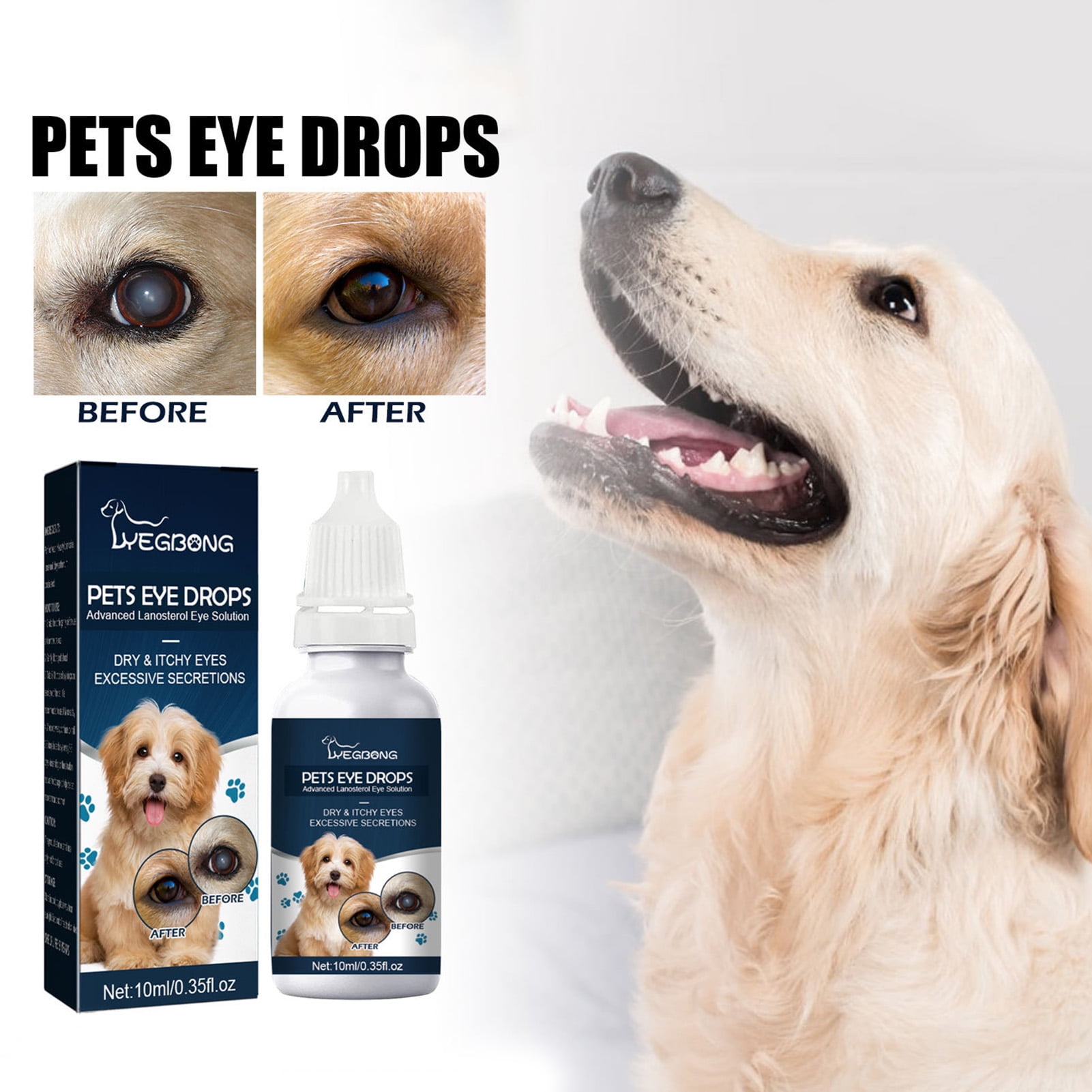
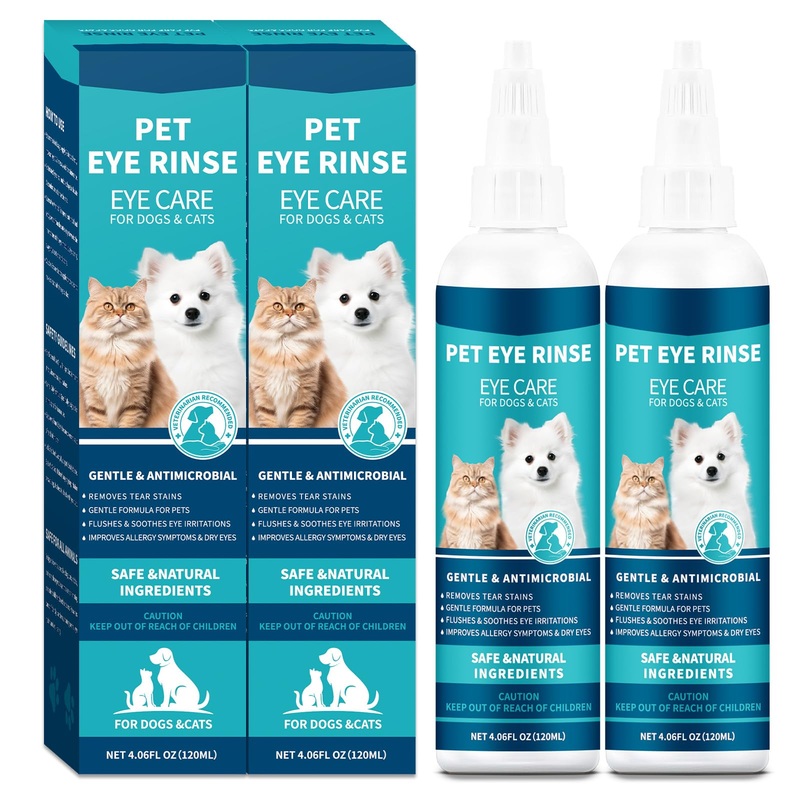
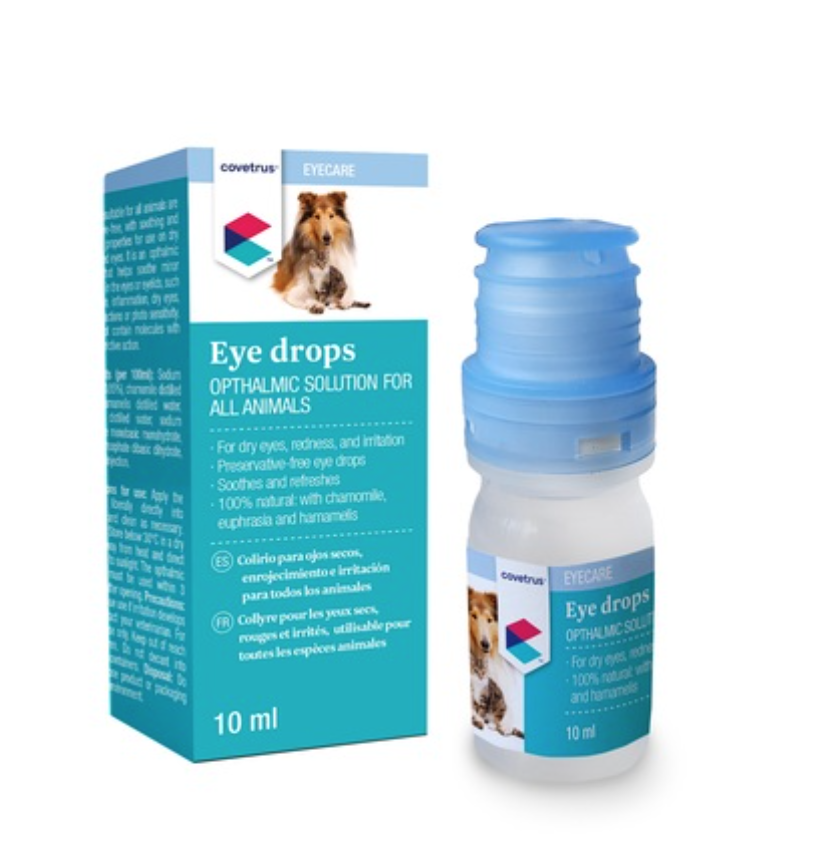
While the underlying cause of KCS often requires veterinary diagnosis and prescription medication, over-the-counter (OTC) dry eye drops can play a crucial role in providing temporary relief, supplementing veterinary-prescribed treatments, or managing mild, temporary irritation. These products primarily function as artificial tears, lubricating the eye surface and washing away irritants.
When selecting an OTC dry eye drop, ingredients are key. Look for formulations containing moisturizing agents like hyaluronic acid, carboxymethylcellulose, carbomer, or glycerin. These substances help to retain moisture on the ocular surface, mimicking natural tears. Preservative-free options are often recommended, especially for dogs with sensitive eyes or those requiring frequent application, as preservatives can sometimes cause irritation with prolonged use. Artificial tear gels or ointments are also available; these often provide longer-lasting lubrication compared to liquid drops, though they may temporarily blur vision.
Proper application is vital. Owners should gently hold the dog’s head, tilt it slightly upward, and carefully apply the prescribed number of drops or a small ribbon of ointment into the lower eyelid conjunctival sac, avoiding direct contact of the applicator with the eye surface. Rewarding the dog after application can help create a positive association.
Beyond drops, environmental management can support eye health. Using humidifiers in dry climates, particularly during winter, can help maintain moisture levels. Protecting a dog from excessive wind, dust, and smoke also reduces ocular irritation. Regular, gentle cleaning around the eyes with a soft, damp cloth can remove discharge and prevent matting. While not a direct treatment for KCS, a balanced diet rich in omega-3 fatty acids and antioxidants can support overall eye health.
When Professional Help May Be Needed
While over-the-counter dry eye drops offer valuable supportive care, it is critically important to understand their limitations. True Keratoconjunctivitis Sicca (KCS) is a medical condition that almost always requires a veterinary diagnosis and prescription medications to stimulate tear production, such as cyclosporine or tacrolimus, or to reduce inflammation. OTC drops alone are generally insufficient to manage moderate to severe KCS effectively.
Professional veterinary consultation is warranted if any signs of dry eye persist or worsen despite the use of OTC remedies. This includes continued redness, thick discharge, squinting, pain, or any observable changes to the clarity or color of the cornea. A veterinarian can perform specific diagnostic tests, such as the Schirmer Tear Test, to accurately measure tear production and confirm a diagnosis of KCS or rule out other serious eye conditions.
Owners should also seek immediate veterinary attention for sudden onset of severe eye pain, cloudiness, or any suspected vision impairment. These symptoms could indicate more urgent issues like corneal ulcers, foreign bodies, glaucoma, or severe infections that require prompt and specific medical intervention to prevent permanent damage or vision loss. Delaying professional care for significant eye problems can have serious long-term consequences for a dog’s ocular health.
Conclusion
Maintaining optimal eye health is integral to a dog’s comfort and quality of life. Understanding the signs and causes of dry eye is the first step in responsible pet care. While over-the-counter dry eye drops for dogs can provide essential lubrication and temporary relief for mild irritation or serve as a supportive measure, it is crucial to remember that they are not a substitute for a professional veterinary diagnosis and treatment plan for underlying conditions like Keratoconjunctivitis Sicca. Consistent observation of a dog’s eyes and behavior, combined with prompt veterinary consultation for persistent or worsening symptoms, forms the cornerstone of effective management. By working closely with a veterinarian and employing appropriate care strategies, owners can help ensure their canine companions experience clear, comfortable vision throughout their lives.
Pet Care & Wellness Overview Table
| Life Stage | Daily Activity Level | Key Nutrition / Care Focus |
|---|---|---|
| Puppy / Kitten | High (frequent short bursts) | High-protein growth diet & early socialization |
| Adult Companion | Moderate (30–60 mins daily) | Balanced maintenance nutrition & dental hygiene |
| Senior Pets | Low to Gentle (mindful walks) | Joint support (Glucosamine) & routine vet checks |
Images References




For more expert pet care tips and advice, check out our dedicated Dog Health guides to keep your companions healthy and happy.




