

Introduction
The pursuit of optimal canine health often leads dog owners to explore various dietary enhancements, with prebiotics and probiotics consistently emerging as crucial components. Understanding what constitutes the “best pre and probiotics for dogs” is fundamental to supporting a dogs internal well-being. Prebiotics are specialized plant fibers that act as food for beneficial bacteria in the gut, while probiotics are live microorganisms, often referred to as “good bacteria,” that, when administered in adequate amounts, confer a health benefit on the host. These elements work synergistically to cultivate a balanced and robust gut microbiome. A healthy gut is intricately linked to a dog’s digestive efficiency, immune system strength, nutrient absorption, and even mood regulation. Issues such as digestive upset, skin allergies, or even behavioral changes can often be traced back to an imbalance in the gut flora, making the strategic inclusion of prebiotics and probiotics a valuable strategy for proactive health management.
💡 Pet Care Key Takeaways:
- Core Focus: Practical health, nutrition, and wellness guidelines for Best Pre And Probiotics For Dogs.
- Target Scope: Pet owners, animal caregivers, and veterinary support staff.
- Best Recommendation: Maintain consistent daily routines and consult an accredited veterinarian before introducing major diet or medical changes.
Common Causes and Key Factors
An imbalanced gut microbiome in dogs, often termed dysbiosis, can arise from a multitude of factors, necessitating the consideration of prebiotics and probiotics. Dietary shifts are a primary culprit; sudden changes in food, low-quality ingredients, or diets lacking sufficient fiber can disrupt the delicate balance of gut bacteria. Stress, whether from environmental changes, separation anxiety, or travel, significantly impacts gut function and microbial diversity. For more related activities, check out our Signs Of A Deaf Dog Behavior Problems And Solutions.
Antibiotic use is another common cause, as these medications, while targeting harmful bacteria, can indiscriminately reduce beneficial flora. Illness, particularly gastrointestinal infections, also severely compromises the gut ecosystem. Age plays a role, with puppies needing to establish a healthy microbiome and senior dogs often experiencing a natural decline in gut microbial diversity and digestive efficiency. Furthermore, underlying health conditions such as inflammatory bowel disease (IBD), allergies, or pancreatic insufficiency can predispose dogs to gut imbalances, highlighting the importance of understanding these contributing elements when seeking the most effective gut health solutions.
Signs and Symptoms to Observe
Observing a dogs behavior and physical condition provides key insights into their digestive health and potential need for prebiotics and probiotics. One of the most common indicators of an imbalanced gut is consistent digestive upset. This can manifest as chronic or intermittent diarrhea, constipation, excessive gas, bloating, or frequent vomiting. Stool quality, including consistency and odor, often serves as a direct reflection of gut health.
Beyond digestive issues, a compromised gut can present with other noticeable signs. Skin and coat problems, such as a dull coat, excessive shedding, dry skin, persistent itching, or hot spots, frequently indicate internal imbalances. A weakened immune system, leading to recurrent infections or prolonged recovery times from illness, is another signal. Behavioral changes, including lethargy, a diminished appetite, or even unusual behaviors like coprophagia (eating feces), can sometimes be linked to gut discomfort or nutrient malabsorption. These observable signs warrant attention and suggest that exploring gut support through prebiotics and probiotics may be beneficial.
Practical Solutions and Management Strategies
Implementing prebiotics and probiotics into a dog’s regimen requires a thoughtful approach focused on sustained benefits. The foundation of gut health begins with a high-quality, balanced diet rich in whole ingredients and appropriate fiber. When selecting supplements, choosing products specifically formulated for dogs is paramount, as canine-specific strains of bacteria offer optimal efficacy.
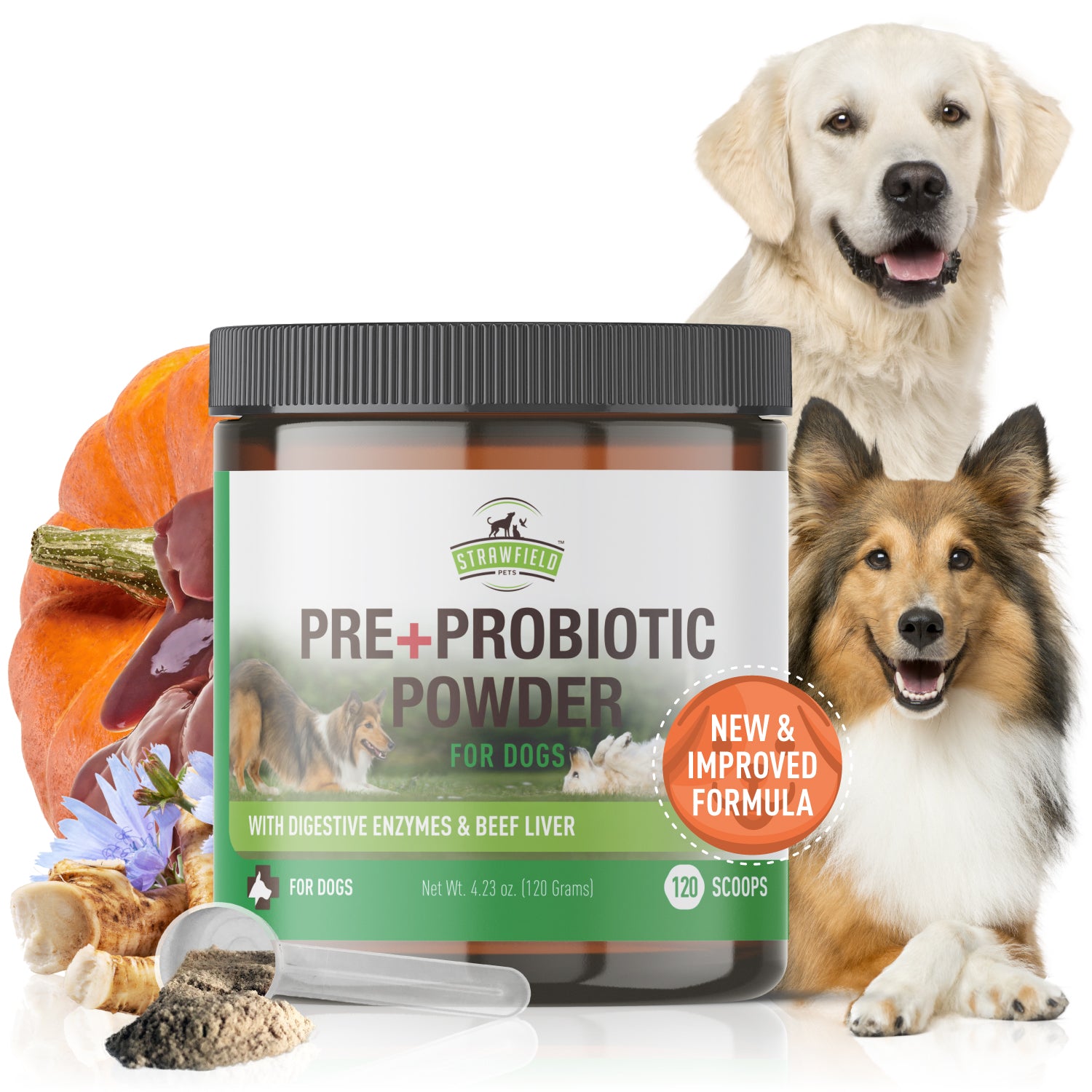
For prebiotics, natural sources include ingredients like chicory root, inulin, FOS (fructooligosaccharides), and MOS (mannan-oligosaccharides), which are often found in premium dog foods or as standalone supplements. Foods such as pumpkin and psyllium also provide beneficial fiber. For probiotics, the “best” options typically contain multiple beneficial bacterial strains from genera like Lactobacillus, Bifidobacterium, and Enterococcus, often with guaranteed colony-forming units (CFUs) by the end of shelf life. These are available in various forms, including powders, capsules, and palatable chews. Some fermented foods, like plain unsweetened kefir or yogurt (dairy-free options may be preferred for sensitive dogs), can offer probiotic benefits, but specific strains and CFUs can vary greatly, making commercial supplements more reliable for targeted support.
When introducing prebiotics and probiotics, a gradual approach is advisable to allow the dogs system to adjust. Starting with a smaller dose and slowly increasing to the recommended amount over several days can prevent digestive upset. Consistency is key for long-term benefits. Often, the most effective strategy involves a synbiotic approach, combining both prebiotics and probiotics, as the prebiotics nourish the probiotic bacteria, enhancing their survival and beneficial effects in the gut. Beyond dietary interventions, managing stress through a consistent routine, providing mental stimulation, and ensuring regular exercise also contributes significantly to a healthy gut environment.
When Professional Help May Be Needed
While dietary adjustments and supplements can significantly improve a dog’s gut health, there are instances when professional veterinary consultation becomes essential. If a dog exhibits severe or persistent digestive symptoms such as chronic diarrhea lasting more than 48 hours, bloody stools, severe vomiting, or signs of intense abdominal pain, immediate veterinary attention is crucial. Unexplained weight loss, a sudden loss of appetite, or lethargy accompanied by digestive issues also warrant prompt professional assessment.
A veterinarian can perform diagnostic tests to rule out underlying medical conditions like parasitic infections, inflammatory bowel disease, food allergies, or pancreatic issues, which may require specific medical treatments beyond general gut support. Furthermore, professional guidance is invaluable in selecting the most appropriate probiotic strains and dosages for specific health concerns or for dogs with compromised immune systems or other chronic conditions. Relying solely on supplements without addressing underlying health problems could delay proper diagnosis and treatment, potentially leading to more severe health consequences.
Conclusion
The thoughtful integration of the best pre and probiotics for dogs represents a powerful tool in fostering optimal canine health. A robust and balanced gut microbiome is unequivocally linked to efficient digestion, a resilient immune system, and overall vitality. Understanding the contributing factors to gut imbalance, recognizing the subtle and overt signs of distress, and implementing targeted nutritional strategies are vital steps for any conscientious dog owner. By providing appropriate prebiotic fuel and beneficial probiotic bacteria, dogs can experience improved nutrient absorption, enhanced comfort, and a bolstered defense against common ailments. Consistent observation and proactive care, combined with professional veterinary consultation when necessary, ensure that every dog has the opportunity to thrive with a healthy gut, ultimately contributing to a better quality of life.
Pet Care & Wellness Overview Table
| Life Stage | Daily Activity Level | Key Nutrition / Care Focus |
|---|---|---|
| Puppy / Kitten | High (frequent short bursts) | High-protein growth diet & early socialization |
| Adult Companion | Moderate (30–60 mins daily) | Balanced maintenance nutrition & dental hygiene |
| Senior Pets | Low to Gentle (mindful walks) | Joint support (Glucosamine) & routine vet checks |
Images References




For more expert pet care tips and advice, check out our dedicated Dog Health guides to keep your companions healthy and happy.


