

Introduction
The endeavor of preparing homemade dog food often stems from a deep desire among pet owners to provide optimal nutrition and control over ingredients. While homemade meals can offer fresh, whole components, replicating the complete and balanced nutritional profile of a commercially prepared diet requires careful attention. The primary challenge lies in ensuring that every essential vitamin, mineral, and macronutrient is present in the correct proportions to support a dog’s health. This is where understanding the best supplements to add to homemade dog food becomes critically important. Without proper supplementation, even the most well-intentioned homemade recipes can lead to nutrient deficiencies or imbalances, potentially compromising a dog’s well-being, energy levels, and long-term health. By integrating appropriate supplements, dog owners can bridge nutritional gaps and help their canine companions thrive on a fresh food diet.
💡 Pet Care Key Takeaways:
- Core Focus: Practical health, nutrition, and wellness guidelines for Best Supplements To Add To Homemade Dog Food.
- Target Scope: Pet owners, animal caregivers, and veterinary support staff.
- Best Recommendation: Maintain consistent daily routines and consult an accredited veterinarian before introducing major diet or medical changes.
Common Causes and Key Factors
The need for supplements in homemade dog food primarily arises from the inherent complexities of canine nutrition. Unlike human diets, which can tolerate a wider range of variability, dogs have specific dietary requirements that, if not met precisely, can lead to health issues. For more related activities, check out our “Fortiflora” And “Gut Health”.
One significant factor is the difficulty in balancing all essential nutrients in common homemade recipes. Many recipes found online or created without expert guidance often lack sufficient levels of crucial vitamins and minerals, such as calcium, phosphorus, vitamin D, vitamin E, B vitamins, and trace minerals like zinc and iodine. The variability in nutrient content of raw ingredients also plays a role; factors like soil quality, processing, and storage can alter the nutritional value of even fresh components.
Furthermore, cooking methods can degrade certain heat-sensitive nutrients, making it harder to rely solely on whole foods for complete nutrition. Individual dog characteristics, including age, breed, activity level, and existing health conditions, also influence nutrient requirements, making a one-size-fits-all approach to homemade food inadequate. Without a precise formulation by a veterinary nutritionist, it is challenging to guarantee that a homemade diet provides everything a dog needs to be truly “complete and balanced,” rather than just containing good ingredients.
Signs and Symptoms to Observe
Observing a dog for signs that might indicate nutritional deficiencies from an unsupplemented homemade diet is crucial. These indicators can vary in severity and presentation, depending on the specific nutrients lacking and the duration of the deficiency.
One common symptom involves skin and coat health. A dull, dry, flaky coat, excessive shedding, or recurrent skin infections can suggest deficiencies in essential fatty acids, zinc, or certain B vitamins. Digestive issues such as chronic diarrhea, constipation, or inconsistent stool quality might point to an imbalance in fiber, probiotics, or other digestive support nutrients.
Energy levels and overall vitality can also be affected. Lethargy, decreased stamina, or a general lack of enthusiasm for activities typically enjoyed by the dog could signal insufficient energy-producing nutrients or an overall inadequate caloric intake. For growing puppies, bone development issues like stunted growth or lameness can indicate a critical lack of calcium and phosphorus in the correct ratio. In older dogs or those prone to joint problems, inadequate joint-supporting nutrients may exacerbate stiffness or discomfort. Recurring infections or a general susceptibility to illness might suggest a weakened immune system due, in part, to a lack of essential vitamins and antioxidants.
Practical Solutions and Management Strategies
Addressing nutritional gaps in homemade dog food requires a strategic approach centered on high-quality, targeted supplementation. The most fundamental strategy involves using a veterinary-formulated complete and balanced supplement designed specifically for homemade diets. These products are developed by veterinary nutritionists to provide a broad spectrum of essential vitamins and minerals that are often missing or underrepresented in home-cooked meals. Choosing a reputable brand that provides detailed nutrient analysis is paramount.
Beyond a general supplement, specific nutrients often require focused attention. Calcium is a critical component, especially in homemade diets that do not include bones. Appropriate calcium supplementation, often in the form of calcium carbonate, is vital to maintain proper bone density and nerve function. However, the correct calcium-to-phosphorus ratio must be maintained, typically around 1.2:1 to 1.4:1, to prevent skeletal issues.
Omega-3 fatty acids, particularly EPA and DHA derived from fish oil or algal oil, are also highly beneficial. These contribute to skin and coat health, reduce inflammation, support cognitive function, and bolster the immune system. For dogs with digestive sensitivities, probiotics and prebiotics can promote a healthy gut microbiome, aiding digestion and nutrient absorption. Joint-supporting supplements like glucosamine and chondroitin are often considered for older dogs or breeds predisposed to orthopedic issues. Finally, antioxidants such as Vitamin E can help protect cells from damage and support immune function. Always introduce new supplements gradually and monitor for any adverse reactions.
When Professional Help May Be Needed
While the concept of supplementing homemade dog food appears straightforward, the nuances of canine nutrition often necessitate professional guidance. Consulting a veterinarian or a board-certified veterinary nutritionist is highly recommended before transitioning a dog to a homemade diet or when making significant changes to an existing one. These professionals can assess an individual dogs specific needs, factoring in age, breed, activity level, and any pre-existing health conditions, to create a truly balanced and appropriate diet plan.
Furthermore, if a dog on a homemade diet exhibits any persistent or concerning symptoms such as unexplained weight loss or gain, chronic digestive upset, skin and coat problems that do not resolve, lethargy, or behavioral changes, immediate veterinary attention is warranted. These signs could indicate a nutrient deficiency, an excess of certain nutrients, or an underlying health issue. A veterinarian can perform diagnostic tests to identify the root cause and recommend appropriate adjustments to the diet or medical interventions. Relying on professional expertise ensures that a dog receives precisely what is needed for optimal health, preventing both immediate and long-term nutritional deficiencies or toxicities.
Conclusion
The journey of feeding a dog homemade food is a commendable commitment to their health, yet it carries the inherent responsibility of ensuring complete and balanced nutrition. Understanding the best supplements to add to homemade dog food is not merely an option but often a necessity to bridge the nutritional gaps that can arise from even the most carefully prepared meals. From foundational multivitamin/mineral complexes to targeted additions like calcium, omega-3 fatty acids, and probiotics, strategic supplementation plays a pivotal role in supporting a dogs vitality, immune strength, and overall longevity. Consistent observation of a dogs well-being and proactive consultation with veterinary professionals are key to fine-tuning dietary plans. By combining homemade goodness with intelligent supplementation, dog owners can confidently provide a diet that truly enhances their beloved companions quality of life.
Pet Care & Wellness Overview Table
| Life Stage | Daily Activity Level | Key Nutrition / Care Focus |
|---|---|---|
| Puppy / Kitten | High (frequent short bursts) | High-protein growth diet & early socialization |
| Adult Companion | Moderate (30–60 mins daily) | Balanced maintenance nutrition & dental hygiene |
| Senior Pets | Low to Gentle (mindful walks) | Joint support (Glucosamine) & routine vet checks |
Images References



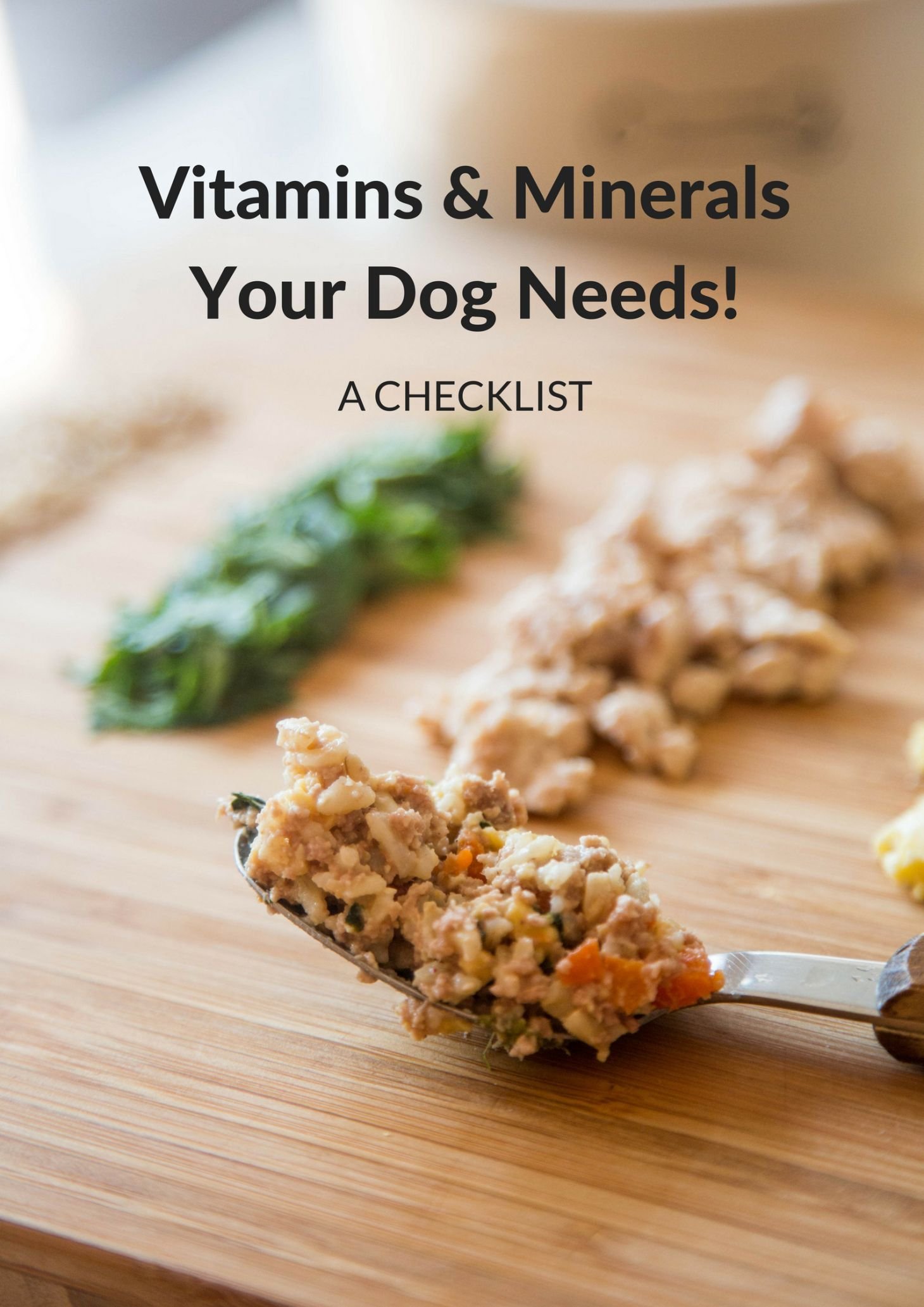




For more expert pet care tips and advice, check out our dedicated Dog Nutrition guides to keep your companions healthy and happy.




