

Introduction
Ensuring the optimal health and vitality of a canine companion requires a comprehensive understanding of their nutritional needs. Among the most critical components of a balanced diet are essential vitamins and minerals for dogs. These microscopic powerhouses play indispensable roles in countless bodily functions, from bolstering the immune system and supporting bone health to maintaining a lustrous coat and proper neurological function. While a high-quality commercial dog food often provides a foundational nutrient profile, discerning dog owners frequently seek to understand the specific vitamins and minerals that truly contribute to peak canine well-being. This exploration delves into the essential nutrients vital for canine health, providing insights into their importance, identifying potential deficiencies, and guiding responsible supplementation, ultimately contributing to a dogs longevity and overall quality of life.
💡 Pet Care Key Takeaways:
- Core Focus: Practical health, nutrition, and wellness guidelines for Best Vitamins And Minerals For Dogs.
- Target Scope: Pet owners, animal caregivers, and veterinary support staff.
- Best Recommendation: Maintain consistent daily routines and consult an accredited veterinarian before introducing major diet or medical changes.
Common Causes and Key Factors
The specific requirements for the best vitamins and minerals for dogs are not static; they fluctuate based on several pivotal factors. A primary determinant is the dogs life stage. Puppies, for instance, require precise ratios of calcium and phosphorus for healthy bone development, while senior dogs may benefit from increased antioxidants to combat cellular aging and support joint health. Activity level also plays a significant role; highly active working dogs or canine athletes may have elevated needs for B vitamins to support energy metabolism and specific minerals for muscle function and recovery. For more related activities, check out our Pitbullnutrition.
Breed-specific predispositions can also influence nutritional considerations. Certain breeds are prone to particular health conditions that may necessitate targeted nutritional support. Furthermore, the quality and type of diet offered are paramount. Not all commercial dog foods are created equal; some lower-quality options may contain less bioavailable forms of nutrients or lack a complete spectrum. Dogs consuming homemade diets face an even greater risk of nutritional imbalances if the meals are not carefully formulated by a veterinary nutritionist, potentially leading to deficiencies or excesses of vital vitamins and minerals. Underlying health conditions, such as gastrointestinal issues or kidney disease, can also impair nutrient absorption or increase excretion, thereby altering a dog’s needs.
Signs and Symptoms to Observe
Recognizing the subtle and overt signs of vitamin or mineral imbalances is crucial for maintaining a dog’s health. A dull, dry, or brittle coat, along with flaky skin or excessive shedding, can indicate deficiencies in essential fatty acids, zinc, or certain B vitamins. Lethargy, weakness, or a noticeable decrease in stamina may point towards insufficient iron, B vitamins, or even vitamin D.
Skeletal issues, such as lameness, stiff joints, or poor bone density, especially in growing puppies, often signal an imbalance in calcium, phosphorus, or vitamin D. Poor appetite, weight loss, or gastrointestinal upset can sometimes be linked to a lack of B vitamins. Compromised immune function, manifested by frequent infections or slow wound healing, might suggest a need for more vitamin C, E, or zinc. Neurological symptoms like muscle tremors or poor coordination can be indicative of severe deficiencies in certain B vitamins or magnesium. It is important to remember that these signs are not exclusive to nutritional deficiencies and can be symptomatic of various health issues, necessitating careful observation and professional assessment.
Practical Solutions and Management Strategies
Effective management of a dog’s vitamin and mineral intake begins with the foundation of a high-quality, balanced diet. Opting for a premium commercial dog food that is complete and balanced, meeting the nutritional standards set by organizations like AAFCO (Association of American Feed Control Officials), is often the most straightforward approach. These diets are typically formulated to provide the best vitamins and minerals for dogs in appropriate quantities for their respective life stages.
For specific nutritional support, understanding the roles of key nutrients is beneficial:
- Vitamin A: Crucial for vision, immune function, and skin health. Found in liver, carrots, and sweet potatoes.
- B Vitamins (B-complex): Essential for energy metabolism, neurological function, and red blood cell production. Sources include whole grains, meat, and eggs.
- Vitamin C: An antioxidant that supports immune health and collagen production. While dogs produce their own, supplemental C can be beneficial in times of stress or illness.
- Vitamin D: Vital for calcium and phosphorus absorption, promoting strong bones. Sunlight exposure and fortified foods are primary sources.
- Vitamin E: A potent antioxidant protecting cells from damage, important for skin and immune health. Found in vegetable oils, leafy greens, and meat.
- Vitamin K: Necessary for blood clotting. Found in leafy green vegetables.
- Calcium & Phosphorus: Work in tandem for bone and teeth health. Dairy, bone meal, and fish are good sources. Their ratio is critical.
- Magnesium: Important for nerve and muscle function, and energy production. Found in nuts, seeds, and leafy greens.
- Zinc: Supports immune function, skin and coat health, and wound healing. Red meat, poultry, and fish contain zinc.
- Iron: Essential for oxygen transport in red blood cells. Red meat, liver, and poultry are rich in iron.
- Selenium: An antioxidant supporting thyroid function and immune health. Found in organ meats and seafood.
For dogs on homemade diets or those with specific health concerns, judicious supplementation may be necessary. However, it is paramount to avoid over-supplementation, as excessive amounts of some vitamins (especially fat-soluble ones like A, D, E, K) and minerals can be toxic. Targeted supplements, such as joint support formulas with glucosamine and chondroitin, or skin and coat supplements with omega fatty acids, can be considered under veterinary guidance.
When Professional Help May Be Needed
While general nutritional guidelines offer a good starting point, there are distinct situations where professional veterinary consultation becomes indispensable. If a dog exhibits any persistent signs of nutritional deficiency or imbalance, such as unexplained lethargy, skin problems, limping, or significant changes in appetite or weight, a veterinary examination is warranted. A veterinarian can perform diagnostic tests, including blood work, to identify specific deficiencies or excesses and rule out underlying medical conditions.
Dogs on home-cooked diets absolutely require professional guidance from a veterinary nutritionist to ensure the diet is nutritionally complete and balanced. Attempting to formulate a homemade diet without expert input can inadvertently lead to severe deficiencies or dangerous nutrient imbalances. Similarly, before introducing any new vitamin or mineral supplements, especially those promising to provide the best vitamins and minerals for dogs, it is crucial to consult a veterinarian. They can advise on appropriate dosages, potential interactions with medications, and whether a supplement is truly necessary or beneficial for an individual dog’s health profile. For senior dogs, dogs with chronic diseases, or pregnant/lactating females, tailored nutritional advice from a veterinary professional is always recommended to meet their unique and evolving needs.
Conclusion
The pursuit of providing the best vitamins and minerals for dogs is a testament to the dedication of their caregivers. Understanding the critical roles these micronutrients play in every facet of canine health is fundamental to fostering a thriving companion. From the foundational support offered by a high-quality, balanced diet to the judicious and professionally guided use of supplements, every decision regarding a dog’s nutrition profoundly impacts their well-being. Diligent observation of a dog’s physical condition and behavior, combined with proactive veterinary care and informed nutritional choices, ensures that these beloved animals receive the essential building blocks for a healthy, active, and joyful life. Prioritizing optimal nutrition stands as a cornerstone of responsible pet ownership, empowering dogs to live their lives to the fullest.
Pet Care & Wellness Overview Table
| Life Stage | Daily Activity Level | Key Nutrition / Care Focus |
|---|---|---|
| Puppy / Kitten | High (frequent short bursts) | High-protein growth diet & early socialization |
| Adult Companion | Moderate (30–60 mins daily) | Balanced maintenance nutrition & dental hygiene |
| Senior Pets | Low to Gentle (mindful walks) | Joint support (Glucosamine) & routine vet checks |
Images References
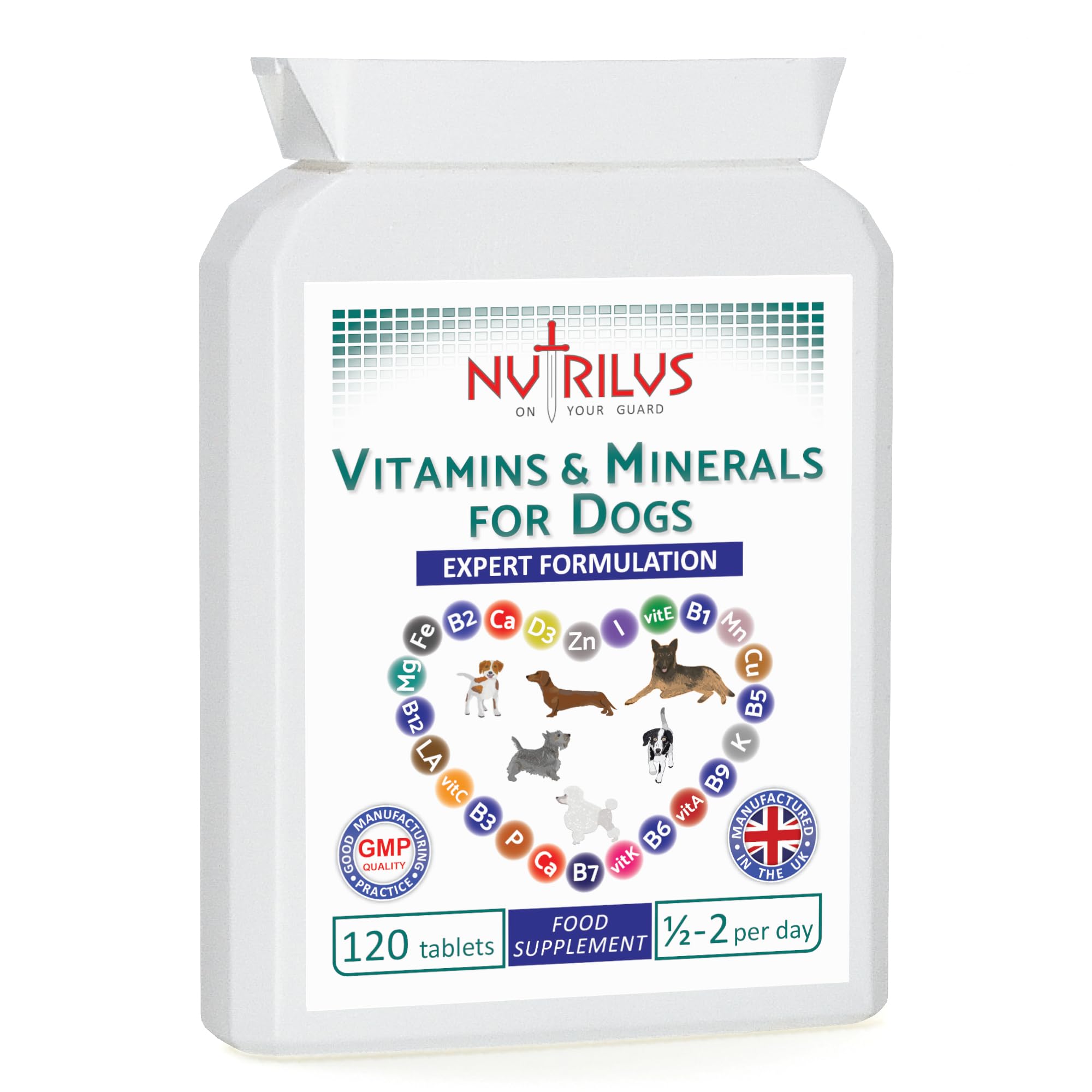




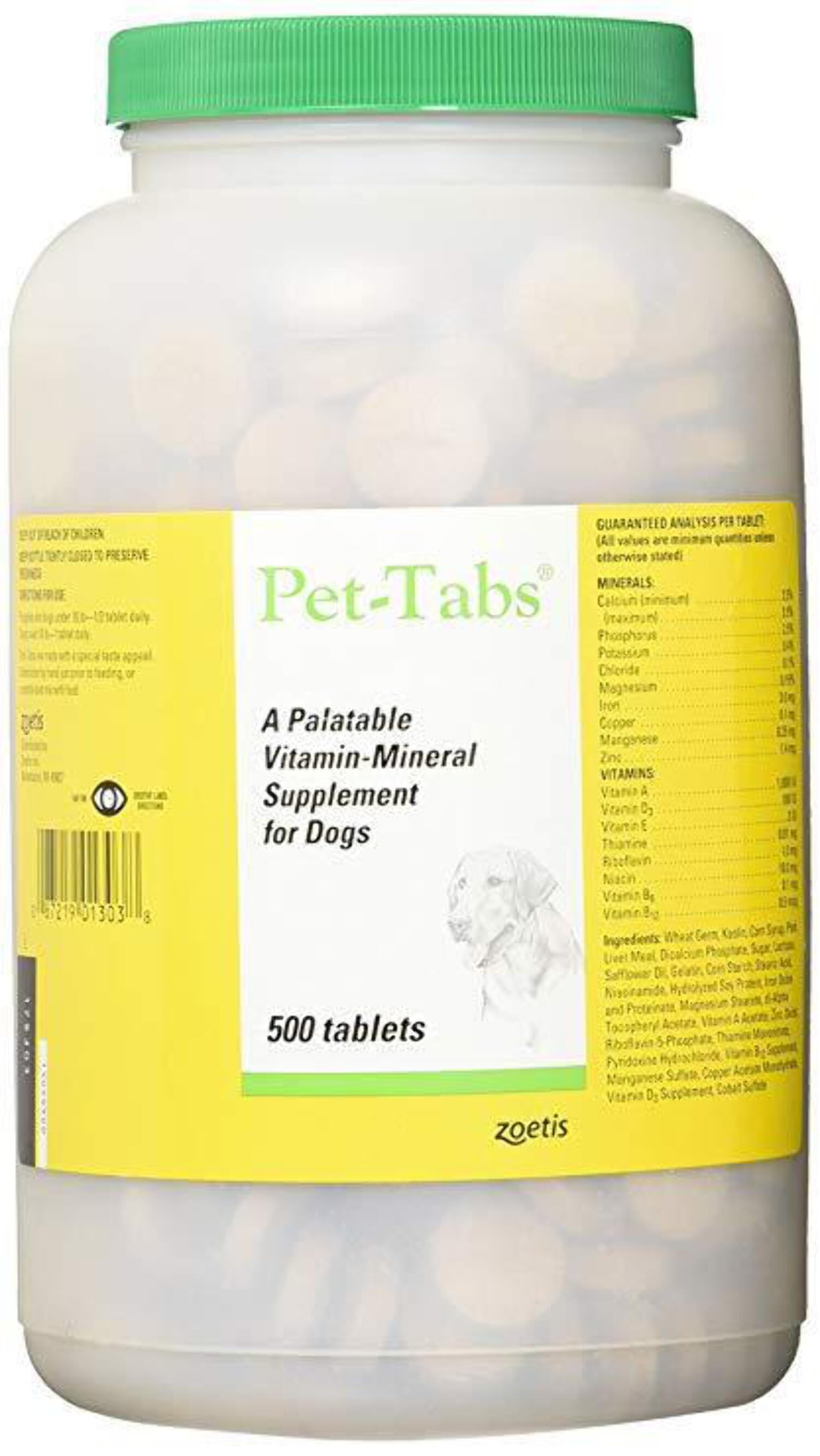
For more expert pet care tips and advice, check out our dedicated Dog Nutrition guides to keep your companions healthy and happy.




