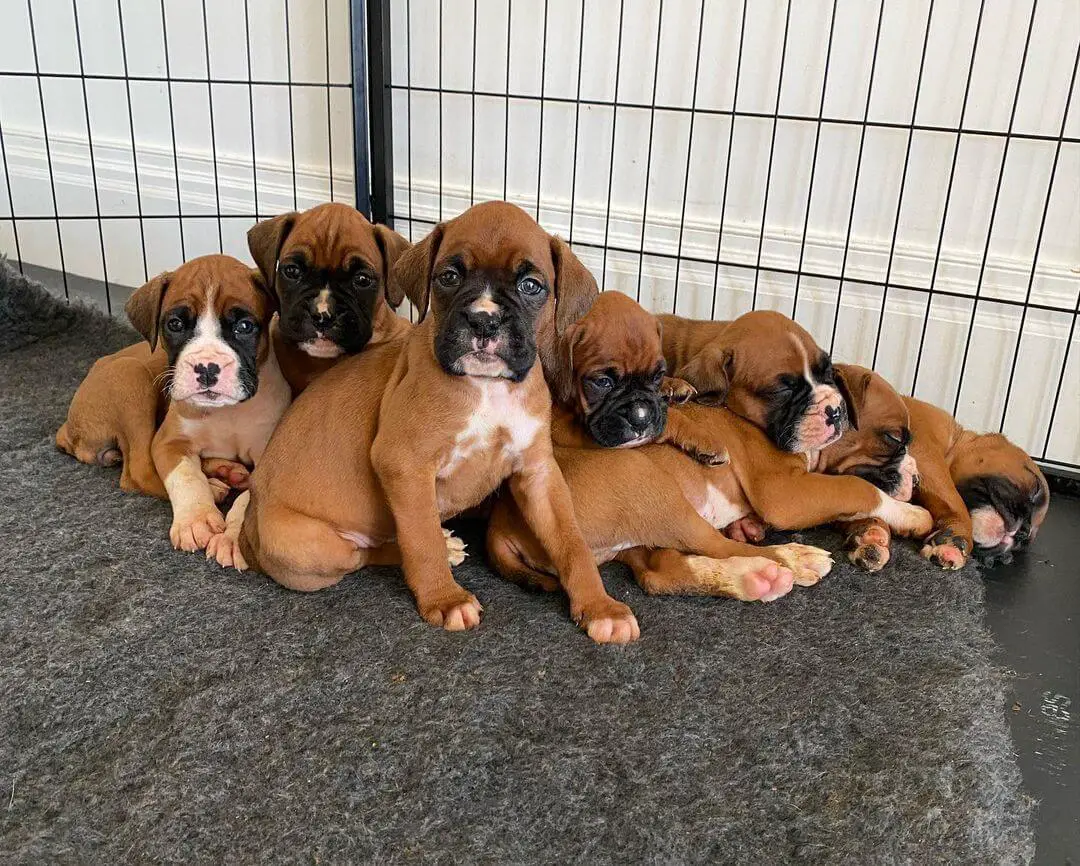
According to the American Kennel Club, early socialization during the first few months of a dog’s life fundamentally shapes adult temperament, making the ten-week milestone a crucial window for observation and gentle guidance. Bringing home a young working dog introduces a whirlwind of boundless energy, comical expressions, and rapid developmental changes. At this specific stage, canine minds and bodies are growing at an extraordinary rate. Professional behaviorists frequently observe that ten-week-old canines operate largely on instinct, curiosity, and an intense drive to explore their environment with their mouths. Understanding this foundational stage helps human companions replace frustration with patience, laying the groundwork for a well-adjusted canine companion.
💡 Pet Care Key Takeaways:
- Core Focus: Practical health, nutrition, and wellness guidelines for Boxer Puppy Behavior At Ten Weeks.
- Target Scope: Pet owners, animal caregivers, and veterinary support staff.
- Best Recommendation: Maintain consistent daily routines and consult an accredited veterinarian before introducing major diet or medical changes.
Ten-week-old Boxer puppy behavior encompasses a rapid transition from litter-dependent infancy to highly curious, exploratory toddlerhood.
During this milestone week, the canine brain is forming neural connections at a lightning pace, resulting in short bursts of intense activity followed by sudden, deep sleep. This high-energy breed, historically categorized within the working group for strength and agility, naturally displays an innate exuberance that often surprises first-time owners. Exploring the physical world through biting, chewing, and pouncing is standard developmental behavior rather than malice. Furthermore, foundational fear periods begin to flicker around this age, meaning positive exposure to novel sounds, surfaces, and gentle handling matters immensely. Observing a littermate dynamic in professional practice often reveals how these youngsters learn bite inhibition through playful squabbles, a vital lesson that human handlers must now reinforce. For more related activities, check out our Dog Unusual Behavior.
Managing physical exuberance and chewing tendencies prevents long-term behavioral issues and protects household items.
The physiological urge to chew peaks heavily around ten weeks as sharp deciduous teeth—the temporary milk teeth—begin shifting and aching. If left redirection-free, this natural teething phase can easily damage furniture, shoes, and baseboards while accidentally reinforcing unwanted mouthing habits toward human skin. Establishing structured play routines helps channel high prey and play drives into appropriate outlets like rubber chew toys or interactive puzzle feeders. Concurrently, consistent house-training protocols must be implemented because bladder control at this age spans barely a couple of hours. Ignored signals during this critical window can cement poor indoor elimination habits that take months to reverse.
Puppies aged eight to twelve weeks experience a rapid surge in cognitive development, making positive socialization and environmental exposure vital for preventing lifelong behavioral anxieties. — American Kennel Club
Guiding young German-descended athletic canines requires positive reinforcement, patience, and structured daily routines.
Positive reinforcement training—rewarding desired actions with high-value treats or verbal praise—builds strong motivation without inducing fear or mistrust in sensitive developing minds. Because these medium-to-large dogs grow exponentially fast, teaching basic obedience commands like “sit,” “stay,” and “leave it” early prevents dangerous jumping habits later in life. Handlers should introduce short, engaging training sessions lasting no longer than a few minutes to match the characteristically brief attention span of a ten-week-old canine. Consistency across all household members remains non-negotiable; mixed signals regarding couch privileges or greeting manners will quickly derail progress.
Avoiding common management mistakes prevents accidental reinforcement of fearful or overly reactive habits.
One frequent pitfall involves punishing normal exploration or vocalizations, which can inadvertently trigger defensive aggression or deepen separation anxiety in sensitive breeds. Another misstep is isolating the youngster during social events instead of gradually introducing controlled, positive encounters with vaccinated adult dogs and friendly strangers. Additionally, relying on rigid physical corrections fails to address the underlying emotional cause of unwanted behaviors. Always consult a certified professional trainer or veterinary behaviorist if fear-based reactions or extreme resource guarding surface during this formative stage.
Inappropriate socialization or harsh punitive methods during early development significantly increase the risk of chronic fear, reactivity, and behavioral relinquishment in adulthood. — American Society for the Prevention of Cruelty to Animals
Breed-specific traits like intense loyalty, high energy levels, and a playful clownish demeanor become increasingly apparent at this stage.
Recognized for their signature square muzzles, expressive brown eyes, and muscular physiques, these intelligent dogs require both mental stimulation and physical outlets suited to their heritage. Unlike independent guardian breeds, this working lineage thrives on close human companionship and can develop severe distress if left isolated for extended periods. Their characteristic “bouncy” locomotion and exuberant greeting style mean that training polite manners must begin immediately to ensure safe interactions with children and elderly family members. Recognizing these inherent genetic traits allows owners to tailor their expectations and management strategies effectively.
Professional guidance becomes essential if a young canine exhibits persistent aggression, intense unprovoked fear, or signs of underlying medical discomfort masked as behavioral issues. Veterinary professionals can rule out painful conditions, nutritional imbalances, or neurological concerns that might influence temperament. For advanced socialization hurdles or complex obedience roadblocks, partnering with a certified force-free trainer ensures evidence-based, compassionate solutions. Guidance from qualified experts safeguards both physical health and psychological well-being as the puppy matures.
Supporting healthy canine development requires ongoing education, consistent care routines, and dedicated companionship.
Navigating the delightful yet demanding world of early canine rearing sets the foundation for a deeply rewarding lifelong partnership filled with loyalty and affection. By prioritizing positive reinforcement, proper socialization, and regular wellness checks, owners create a secure environment where their young companions can truly thrive. Explore additional expert advice across Dog Behavior, Dog Training, and Dog Care. Discover more comprehensive resources to support every stage of your journey by visiting PetsAnimalsWorld.com today.
Pet Care & Wellness Overview Table
| Life Stage | Daily Activity Level | Key Nutrition / Care Focus |
|---|---|---|
| Puppy / Kitten | High (frequent short bursts) | High-protein growth diet & early socialization |
| Adult Companion | Moderate (30–60 mins daily) | Balanced maintenance nutrition & dental hygiene |
| Senior Pets | Low to Gentle (mindful walks) | Joint support (Glucosamine) & routine vet checks |
Images References