

Introduction
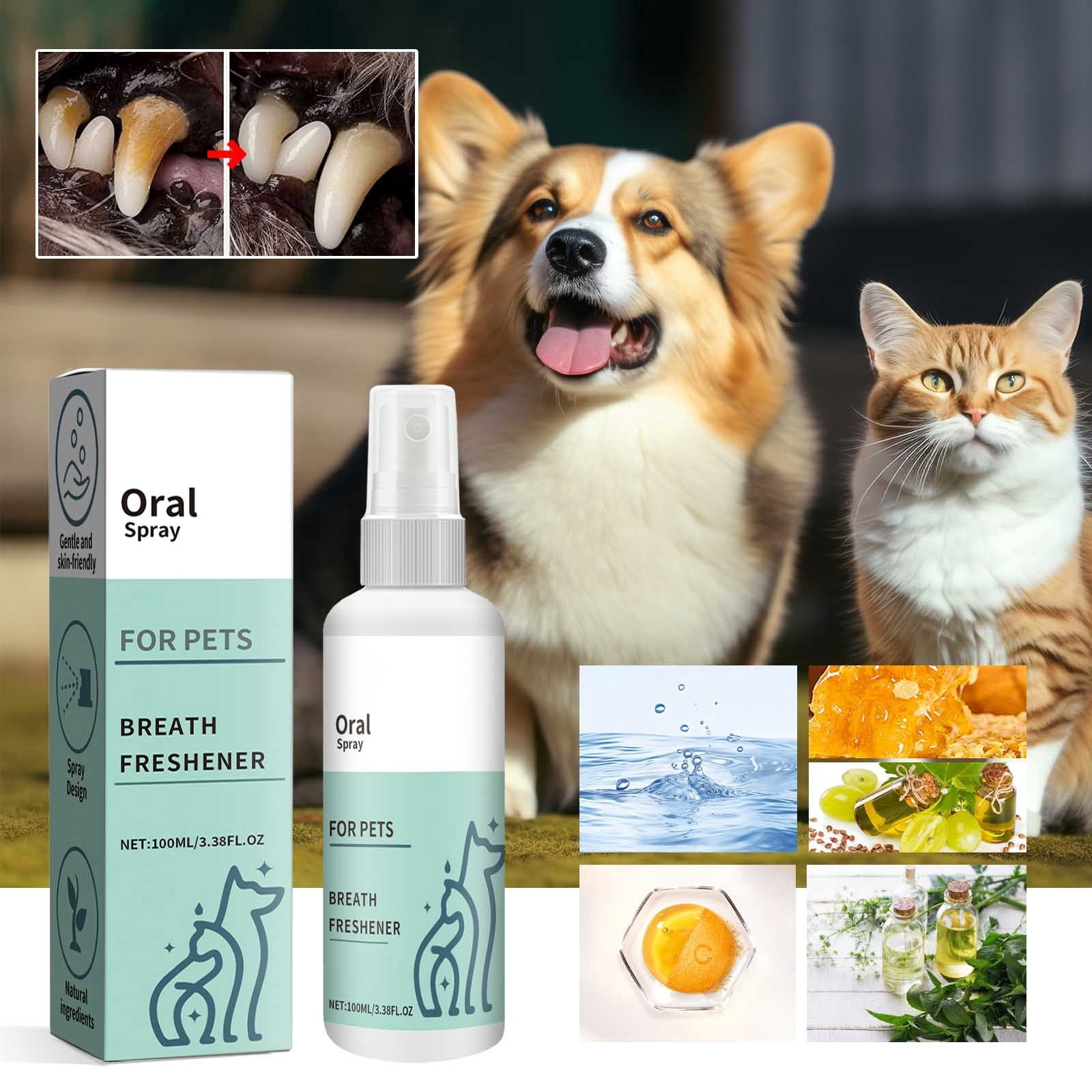
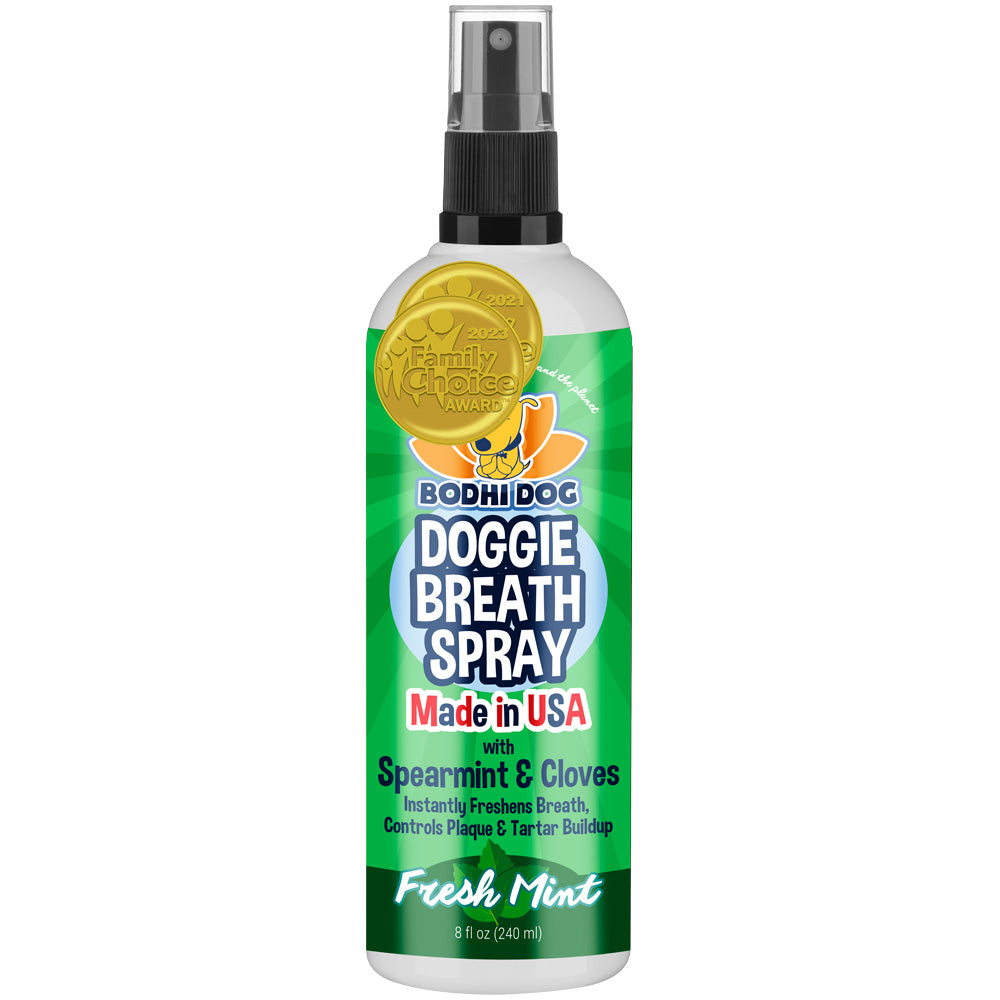
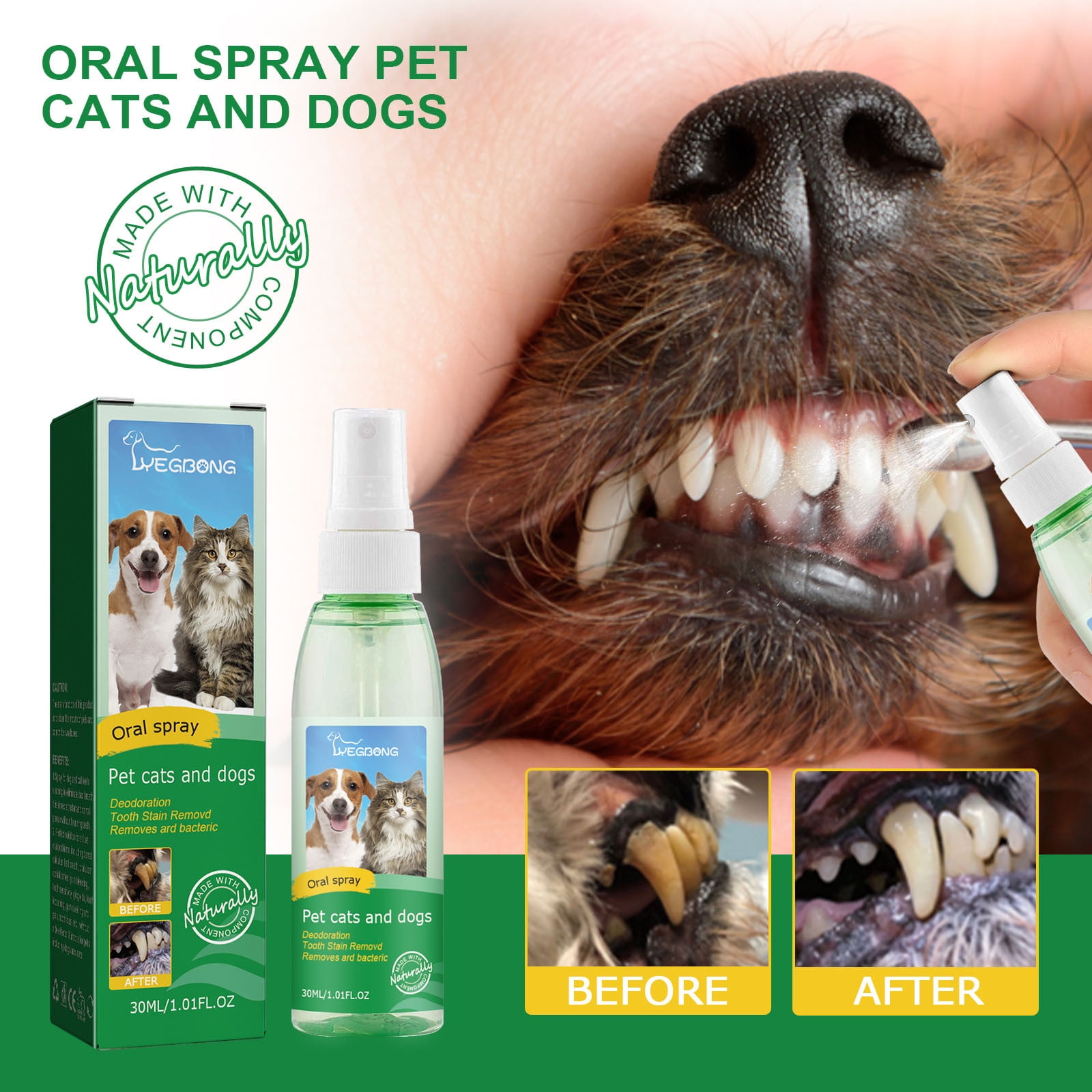
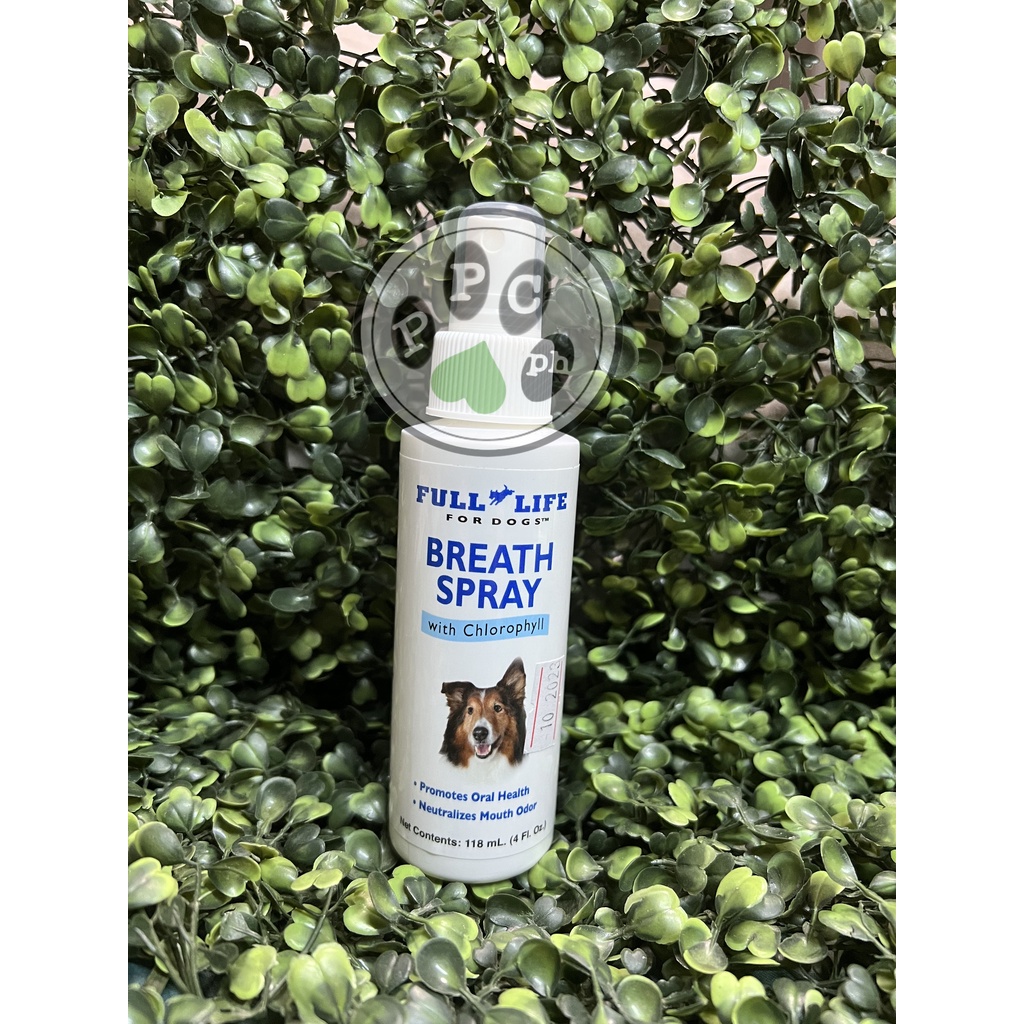
The topic of “breath spray for dogs” often arises when a beloved canine companion exhibits less-than-pleasant oral odors. A dog’s bad breath, or halitosis, can be a common concern for many dog owners, prompting a search for quick and effective solutions. Breath spray for dogs refers to commercially available oral hygiene products designed to temporarily freshen a dog’s breath. While these sprays can offer a momentary reprieve from foul odors, understanding their role and limitations is crucial for effective canine dental care. This article aims to provide a comprehensive overview of breath sprays, their benefits, and, more importantly, the underlying causes of bad breath in dogs, helping owners make informed decisions that contribute to their pets overall oral health and well-being.
💡 Pet Care Key Takeaways:
- Core Focus: Practical health, nutrition, and wellness guidelines for Breath Spray For Dogs.
- Target Scope: Pet owners, animal caregivers, and veterinary support staff.
- Best Recommendation: Maintain consistent daily routines and consult an accredited veterinarian before introducing major diet or medical changes.
Common Causes and Key Factors
Bad breath in dogs is rarely just an inconvenience; it often signals an underlying issue that requires attention. The primary cause of canine halitosis is dental disease, which begins with the accumulation of plaquea sticky film of bacteriaon the teeth. If not removed, plaque hardens into tartar, a calcified deposit that irritates the gums and leads to gingivitis (inflammation of the gums). Untreated gingivitis can progress to periodontal disease, a more severe condition that affects the supporting structures of the teeth, leading to pain, infection, and tooth loss. For more related activities, check out our Natural Remedies For Fluid Retention In Dogs Australia.
Beyond dental disease, several other factors can contribute to a dogs bad breath. Dietary habits play a significant role; certain types of food, particularly those rich in unhealthy fats or lacking in dental-cleaning properties, can exacerbate oral odor. Scavenging behaviors, such as consuming undesirable items from the trash or animal waste, also introduce bacteria and foul smells into the mouth. Furthermore, systemic health issues can manifest as bad breath. Conditions like kidney disease, liver disease, diabetes, and gastrointestinal problems can alter a dog’s metabolism and produce distinct, unpleasant odors that emanate from the mouth. Age and breed predisposition are also notable factors, with smaller breeds and older dogs often being more susceptible to dental issues due to crowded teeth and years of plaque accumulation.
Signs and Symptoms to Observe
The most obvious sign indicating a need for attention regarding a dog’s oral health is persistent foul breath. However, observant dog owners should look beyond just the odor for other indicators of potential problems. Visual examination of the mouth may reveal red, swollen, or bleeding gums, which are classic signs of gingivitis. The presence of yellow or brown tartar buildup on the teeth, especially near the gum line, is also a clear indicator of dental neglect.
Beyond these visible signs, behavioral changes can also signal oral discomfort. A dog might show reluctance to eat hard kibble or chew toys, instead preferring softer foods or gulping meals quickly to avoid chewing. Pawing at the mouth, excessive drooling, or rubbing the face against objects can indicate pain or irritation. In more severe cases of periodontal disease, a dog may exhibit lethargy or a noticeable decrease in appetite. If bad breath is linked to systemic health issues, additional symptoms such as increased thirst and urination (common with kidney disease or diabetes), jaundice (yellowing of the skin or eyes indicative of liver problems), or vomiting and diarrhea (suggesting gastrointestinal upset) may also be present. These signs can vary depending on a dogs age and overall health status.
Practical Solutions and Management Strategies
Effectively managing a dogs bad breath requires a multifaceted approach that extends beyond simple breath sprays. The cornerstone of good oral hygiene is regular tooth brushing, ideally performed daily with a canine-specific toothpaste and toothbrush. This physical action mechanically removes plaque before it can harden into tartar.
Dental chews and toys specifically designed to promote oral health can complement brushing by helping to scrape away plaque and stimulate gum health. Water additives, which contain ingredients that reduce bacteria in the mouth, can also be incorporated into a dogs daily routine. When considering breath spray for dogs, it is important to understand that these products primarily offer a temporary masking effect for odors. They are not a substitute for proper dental care or a cure for underlying dental disease. If utilized, selecting vet-approved formulations that are safe for canine consumption is paramount.
Dietary adjustments also play a role; feeding a high-quality, nutritionally balanced diet, sometimes including dental-specific kibble designed to reduce plaque, can be beneficial. Preventing access to trash, feces, or other undesirable items through diligent supervision and training helps mitigate environmental contributions to bad breath. Ultimately, consistent home care, combined with regular professional veterinary check-ups that include oral examinations, forms the most robust defense against canine halitosis and promotes long-term dental health.
When Professional Help May Be Needed
While diligent home care is vital, there are clear instances when professional veterinary intervention becomes necessary. If a dogs bad breath persists despite consistent brushing and the use of dental-specific products, it often indicates a deeper problem. Visible signs of advanced dental disease, such as severe tartar buildup, swollen or bleeding gums, loose teeth, or a suspected oral abscess, warrant an immediate veterinary consultation. These conditions are typically painful and can lead to serious health complications if left untreated.
Behavioral changes like a reluctance to eat, signs of pain when touching the mouth, or excessive drooling also signal the need for professional evaluation. Furthermore, if the bad breath is accompanied by other systemic symptomssuch as increased thirst, changes in urination, lethargy, vomiting, or diarrheaa veterinarian should be consulted promptly. These accompanying signs may point to an underlying medical condition, like kidney disease, liver disease, or diabetes, where bad breath is merely a symptom. A veterinarian can accurately diagnose the root cause of halitosis through a comprehensive oral examination and, if necessary, diagnostic tests. They can then recommend appropriate treatment, which may range from professional dental cleaning under anesthesia to addressing specific systemic illnesses.
Conclusion
Understanding “breath spray for dogs” within the broader context of canine oral health is essential for all dog owners. While these sprays can offer a temporary solution to freshen a dog’s breath, they are not a substitute for comprehensive dental care or a diagnostic tool for underlying issues. Persistent bad breath is a significant indicator that warrants attention, often signaling dental disease or other systemic health concerns that require professional intervention. Proactive oral hygiene, including regular tooth brushing, appropriate dental chews, and a balanced diet, forms the foundation of preventing halitosis. Consistent observation of a dogs mouth and behavior, coupled with routine veterinary check-ups that include oral examinations, empowers dog owners to safeguard their pets dental health and overall well-being. Prioritizing thorough care over quick fixes ensures a happy, healthy, and sweet-smelling companion.
Pet Care & Wellness Overview Table
| Life Stage | Daily Activity Level | Key Nutrition / Care Focus |
|---|---|---|
| Puppy / Kitten | High (frequent short bursts) | High-protein growth diet & early socialization |
| Adult Companion | Moderate (30–60 mins daily) | Balanced maintenance nutrition & dental hygiene |
| Senior Pets | Low to Gentle (mindful walks) | Joint support (Glucosamine) & routine vet checks |
Images References





For more expert pet care tips and advice, check out our dedicated Dog Health guides to keep your companions healthy and happy.


