

Understanding Canine Diabetes and Genetic Predisposition in Dogs
According to the American Veterinary Medical Association, endocrine disorders such as diabetes mellitus affect a notable percentage of the aging canine population, requiring lifelong management from dedicated caregivers. Watching a once-energetic companion suddenly struggle with persistent thirst and unexpected weight loss brings a profound sense of worry to any household. Veterinary clinics frequently witness the quiet stress experienced by families navigating this metabolic condition. Recognizing the early warning signs begins with understanding why certain lineages face higher physiological risks than others. Genetic predisposition plays a remarkable role in how the pancreas regulates blood sugar levels over time.
💡 Pet Care Key Takeaways:
- Core Focus: Practical health, nutrition, and wellness guidelines for Breeds Susceptable To Diabetes.
- Target Scope: Pet owners, animal caregivers, and veterinary support staff.
- Best Recommendation: Maintain consistent daily routines and consult an accredited veterinarian before introducing major diet or medical changes.
Diabetes mellitus in dogs is a chronic endocrine disorder characterized by the body’s inability to produce or properly utilize insulin, a hormone essential for converting blood glucose into cellular energy.
Canine diabetes typically manifests as Type 1 diabetes, where the pancreas fails to produce adequate insulin, meaning daily hormone therapy is required for survival. When dietary sugars cannot enter cells efficiently, the body begins breaking down fat and muscle for fuel, resulting in increased appetite paired with rapid weight loss. Certain lineages inherit a higher propensity for autoimmune destruction of pancreatic beta cells, which are the specialized structures responsible for insulin secretion. Furthermore, chronic inflammation of the pancreas, known medically as pancreatitis, can permanently damage these vital cells and trigger sudden-onset diabetes. Environmental factors like obesity and physical inactivity act as powerful catalysts, accelerating the clinical expression of these underlying genetic vulnerabilities in susceptible dogs. For more related activities, check out our Home Remedy For Eye Scratch On Dog.
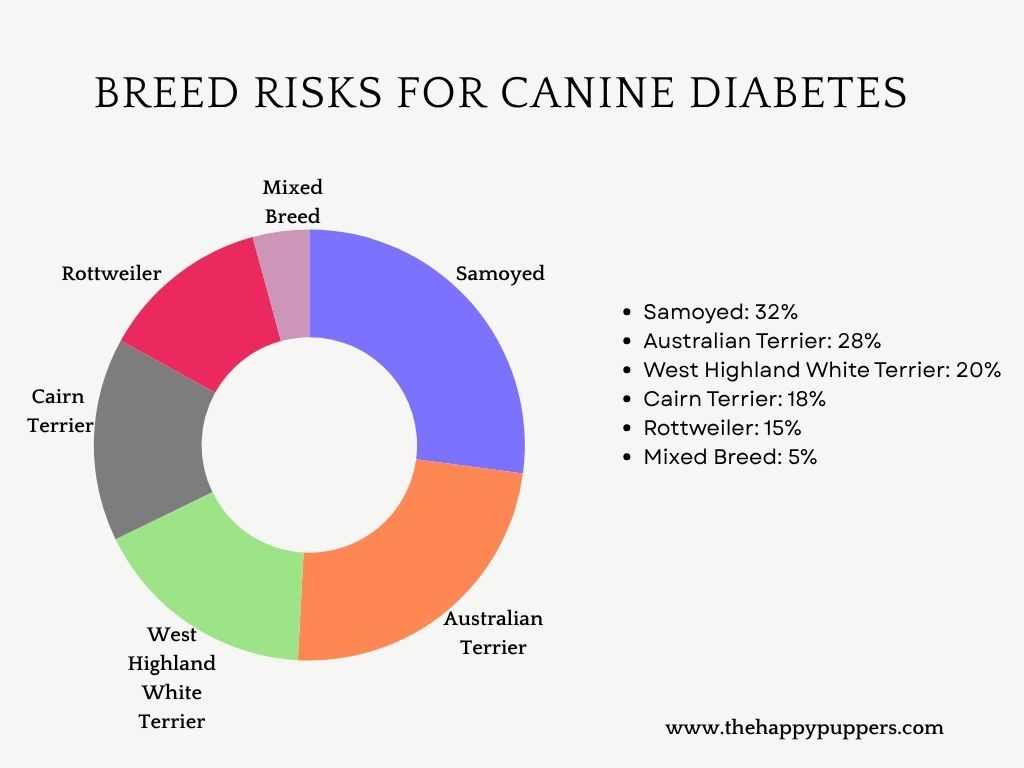
Certain canine lineages exhibit a markedly higher genetic predisposition to developing diabetes mellitus compared to the general dog population.
Breeds such as the Samoyed, Miniature Schnauzer, Poodle, and Keeshond appear on veterinary diagnostic logs with notable frequency due to inherited metabolic traits. Miniature Schnauzers, for instance, frequently struggle with elevated blood fats called lipids, which directly contribute to pancreatic inflammation and subsequent insulin deficiency. Unspayed female dogs also face elevated risks due to hormonal fluctuations during heat cycles that temporarily counteract insulin effectiveness. In clinical practice, examining an overweight middle-aged Poodle often prompts immediate screening for elevated blood glucose levels. Identifying these high-risk profiles allows veterinary teams to recommend proactive wellness strategies before irreversible pancreatic damage occurs.
Canine diabetes most commonly develops in middle-aged to older dogs, with the average age of diagnosis occurring between seven and nine years old. — American Veterinary Medical Association
Proactive metabolic management and routine veterinary screening form the cornerstone of protecting dogs vulnerable to endocrine disorders.
Maintaining an optimal body condition through precise portion control and daily aerobic exercise helps preserve insulin sensitivity in high-risk breeds. Veterinarians often recommend high-fiber, complex carbohydrate diets that prevent sharp post-meal spikes in blood glucose levels. Routine wellness blood panels, including fasting blood glucose and fructosamine tests, catch subtle metabolic shifts long before excessive thirst or frequent urination becomes apparent at home. Additionally, scheduling prompt veterinary evaluations for chronic infections, such as persistent urinary tract issues, remains essential since high blood sugar creates an ideal environment for bacterial growth.
Caregivers must avoid common pitfalls such as feeding table scraps high in dietary fat and ignoring gradual shifts in water consumption or house-training habits.
High-fat treats can trigger painful inflammatory flare-ups in the pancreas, accelerating the onset of clinical diabetes in genetically vulnerable animals. Another frequent oversight involves attributing increased water intake simply to warm weather rather than investigating potential metabolic imbalances. Transitioning to a strict feeding schedule rather than leaving food out continuously helps regulate digestive processes and insulin demand. Consistency in daily routines ensures that metabolic fluctuations remain minimized throughout the animal’s life stages.
Regular physical activity significantly improves cellular glucose uptake and helps maintain a healthy weight, which is vital for preventing metabolic disease. — American Kennel Club
Pet Care & Wellness Overview Table
| Life Stage | Daily Activity Level | Key Nutrition / Care Focus |
|---|---|---|
| Puppy / Kitten | High (frequent short bursts) | High-protein growth diet & early socialization |
| Adult Companion | Moderate (30–60 mins daily) | Balanced maintenance nutrition & dental hygiene |
| Senior Pets | Low to Gentle (mindful walks) | Joint support (Glucosamine) & routine vet checks |
Images References



Age, sex, and physical conformation heavily influence how metabolic diseases manifest across different canine populations.
Female dogs are statistically diagnosed with diabetes at higher rates than males, largely due to hormonal influences associated with the estrus cycle and progesterone production. Spaying female dogs eliminates these hormonal fluctuations, making early sterilization a recommended preventive measure for high-risk breeds. Senior dogs experience natural declines in metabolic efficiency, meaning older pets require closer monitoring of their daily water intake, appetite, and energy levels. Understanding these demographic patterns empowers caregivers to tailor preventive healthcare measures specifically to their companion’s life stage and breed heritage.
Consulting a licensed veterinarian is essential whenever observing persistent clinical signs like excessive thirst, increased urination, unexplained weight loss, or cloudy eyes.
Diagnostic confirmation requires professional laboratory testing, including blood glucose curves and urinalysis, to differentiate diabetes from other endocrine conditions like Cushing’s disease. Attempting to manage suspected diabetic symptoms without professional guidance poses severe health risks, as unregulated blood sugar can lead to diabetic ketoacidosis, a life-threatening medical emergency. Veterinarians provide customized treatment plans that may include precise insulin administration techniques, specialized nutrition, and ongoing home monitoring protocols. Partnering with a veterinary professional ensures that any underlying health complications receive prompt, evidence-based medical intervention.
Prioritizing targeted wellness care and education helps safeguard vulnerable companions against the lifelong impacts of metabolic disorders.
Exploring valuable resources on Dog Health and understanding proper nutritional requirements found under Dog Nutrition allows caregivers to make informed choices every single day. Staying proactive about routine veterinary checkups ensures that subtle warning signs are addressed before they escalate into complex medical emergencies. For comprehensive guidance on keeping every companion thriving through all life stages, visit PetsAnimalsWorld.com today and explore expert insights tailored for dedicated pet lovers.


