Introduction
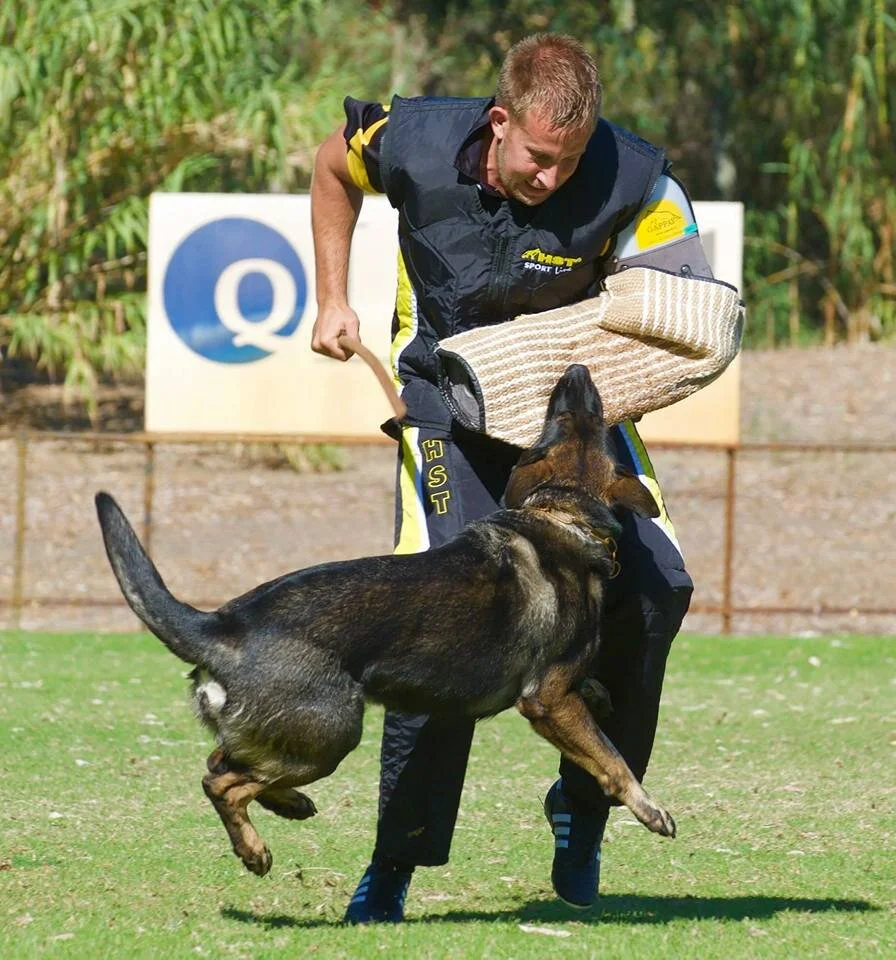
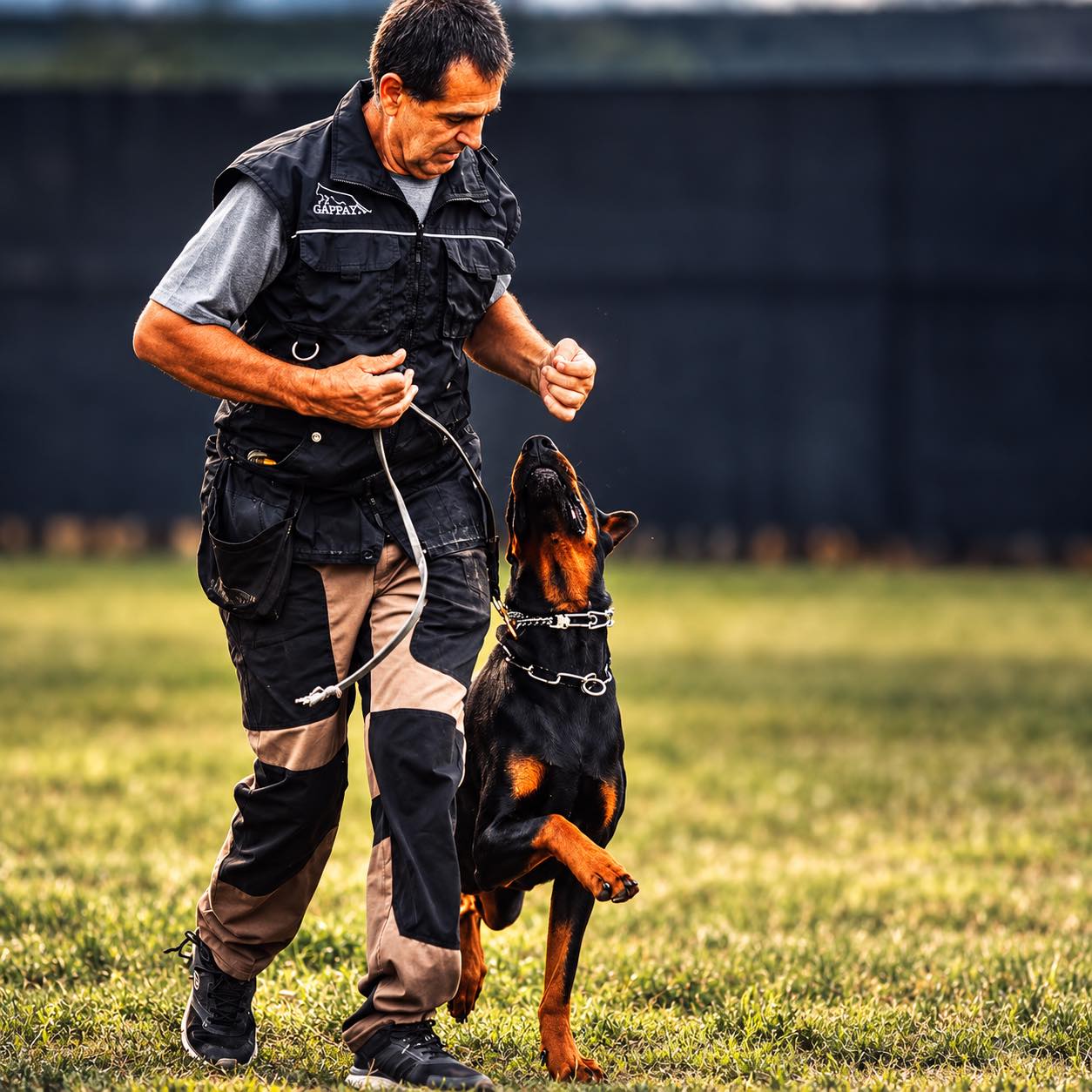
Dog training k9 programs involve structured obedience, scent work, and protection protocols that establish predictable communication frameworks between handlers and working or companion canines. According to the International Association of Animal Behavior Consultants (IAABC), evidence-based reinforcement strategies significantly improve cognitive stability, lower stress-related reactivity, and optimize overall operational safety in domestic environments. Understanding these methodologies ensures proper alignment with Dog Training protocols, promoting mental stimulation and physical conditioning suited to high-drive animals. Integrating structured learning early in a canine’s lifespan prevents destructive habits, shapes desirable behavioral baselines, and strengthens the human-animal bond through clear positive reinforcement.
Pet Wellness & Behavior Snapshot:
- Core Focus: Professional dog training k9 principles applied to companion and working animal management.
- Target Scope: High-drive canines, working breeds, and household pets requiring advanced mental enrichment.
- Key Recommendation: Implement consistent, positive reinforcement-based conditioning regimens daily to ensure sustained behavioral compliance.
Core Principles and Detailed Overview
Dog training k9 methodologies rely heavily on operant conditioning, classical conditioning, and precise marker signaling to shape exact motor patterns and responses. Advanced companion animal handling requires balancing intense drive management with strict obedience foundations, ensuring animals remain responsive under high-distraction conditions. Careful monitoring of Dog Behavior allows handlers to detect early signs of cognitive fatigue or anxiety before reactivity escalates. Nutritional support tailored to high-energy working dogs, as outlined in Dog Nutrition resources, sustains the metabolic demands required during rigorous obedience and agility sessions.
Key Specifications and Breakdown
| Observed Indicator / Factor | Veterinary & Behavioral Explanation | Actionable Management Protocol |
|---|---|---|
| Environmental Reactivity | Heightened sympathetic nervous system activation triggered by novel stimuli or poor early socialization. | Desensitize gradually using controlled distance exposures paired with high-value primary reinforcers. |
| Task Burnout / Fatigue | Neurological exhaustion resulting from prolonged focus without adequate rest intervals or hydration. | Enforce strict micro-break schedules and maintain optimal electrolyte balance via veterinary-approved diets. |
| Handler Miscommunication | Inconsistent marker timing or vague physical cues leading to confusion and heightened frustration responses. | Standardize verbal commands and mechanical marker cues across all household members or handlers. |
Working and companion canines require structured mental enrichment and balanced dietary formulations to prevent stress-induced behavioral displacement and metabolic depletion. — American Veterinary Medical Association (AVMA)
Step-by-Step Practical Application and Guidelines
Implementing effective dog training k9 routines demands a methodical approach that prioritizes clear markers, consistent criteria, and appropriate pacing. Handlers must begin sessions in low-distraction environments, utilizing precise timing to reward desired behaviors immediately upon execution. Transitioning these skills to real-world scenarios requires systematic proofing against visual and auditory distractions, safeguarding animal welfare by avoiding excessive aversive corrections. Regular veterinary oversight, coordinated through Dog Health guidelines, ensures that physical soundness is maintained throughout strenuous obedience and agility regimens.
Common Challenges and How to Avoid Them
Common obstacles in advanced canine conditioning include loss of engagement, handler inconsistency, and escalating fear-based reactivity during complex task execution. Preventing these issues requires monitoring physiological baselines, avoiding punitive methods that elevate cortisol levels, and adjusting session duration to match individual stamina limits. Proper alignment with general Dog Care standards guarantees that rest, hydration, and nutritional needs are fully met, minimizing frustration and preserving operational readiness.
💬 Frequently Asked Questions
Explore More Pet Care and Animal Health Guides on PetsAnimalsWorld
Mastering advanced canine handling techniques ensures lifelong well-being and strengthens behavioral compliance across all life stages. Discover additional expert resources, breed-specific insights, and comprehensive wellness guides by visiting the main library at Pets Animals World.
Visual Reference Gallery