

Introduction
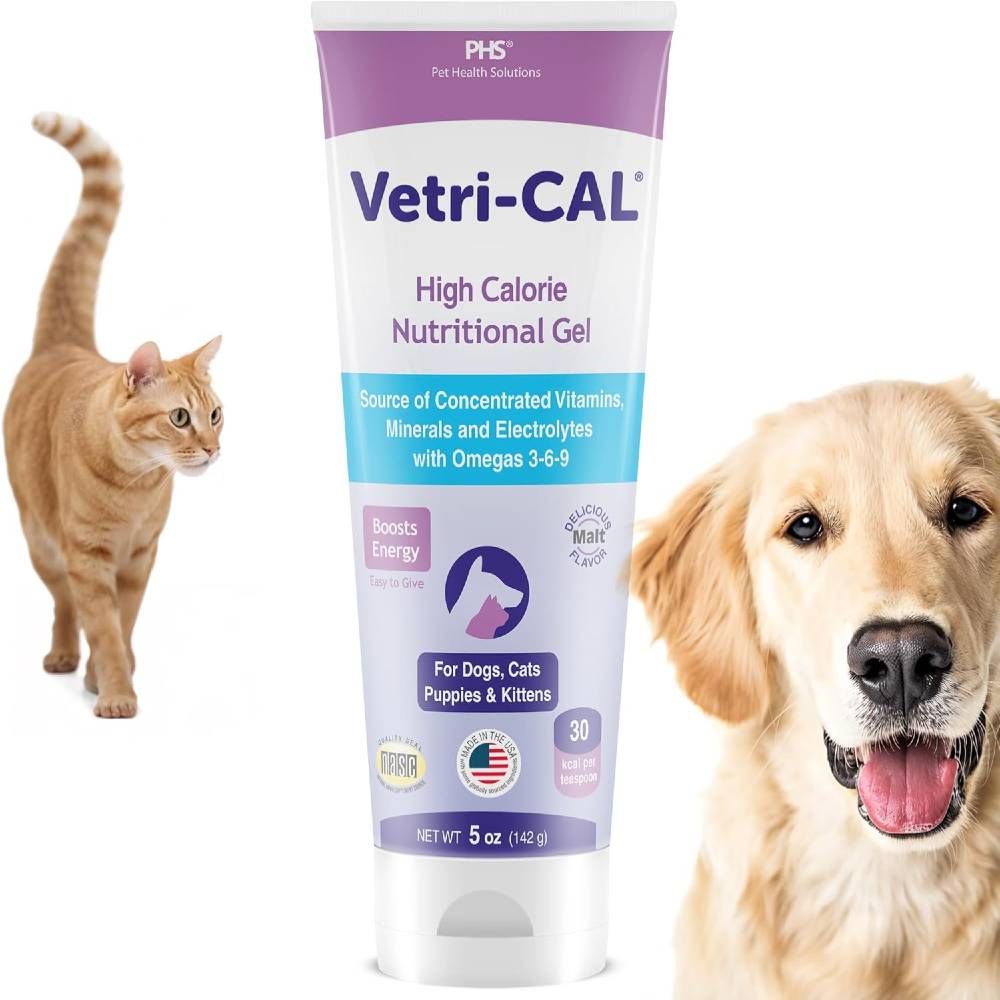
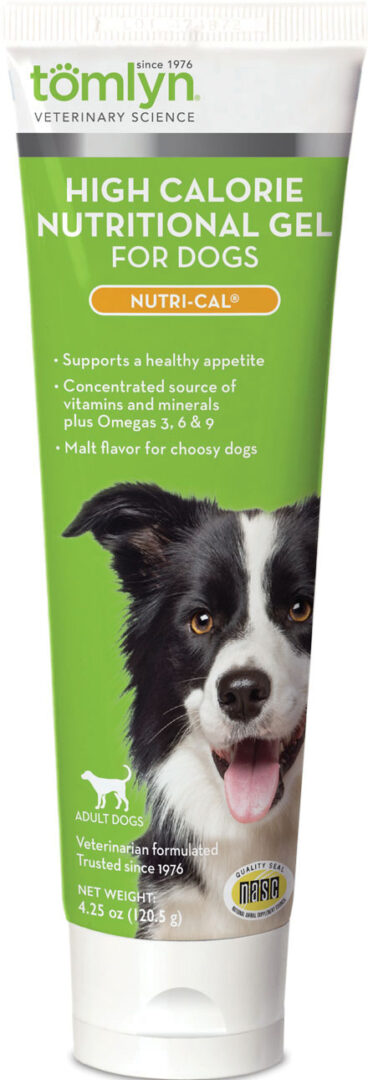
Maintaining optimal health and energy levels is paramount for any canine companion. Sometimes, however, dogs face challenges such as appetite loss, rapid weight loss, or an increased demand for nutritional support due to various life stages or health conditions. In such circumstances, a practical solution known as a calorie gel for dogs can become an invaluable aid for concerned pet owners. This specialized nutritional supplement is designed to provide concentrated calories and essential nutrients in a highly palatable and easily digestible form. Understanding when and why a calorie gel might be beneficial, alongside proper usage, can significantly contribute to a dogs recovery, well-being, and overall quality of life, ensuring they receive the vital energy needed to thrive.
💡 Pet Care Key Takeaways:
- Core Focus: Practical health, nutrition, and wellness guidelines for Calorie Gel For Dogs.
- Target Scope: Pet owners, animal caregivers, and veterinary support staff.
- Best Recommendation: Maintain consistent daily routines and consult an accredited veterinarian before introducing major diet or medical changes.
Common Causes and Key Factors
The necessity for a calorie gel for dogs typically arises from situations where a standard diet alone cannot meet a dog’s caloric or nutritional requirements. Several key factors and common causes contribute to a dog needing this specialized support. For more related activities, check out our Purina One Xxl 10Kg Feeding Guide 20Kg Dog.
One primary reason involves post-operative recovery or illness. Dogs recovering from surgery, injury, or various diseases often experience a diminished appetite or an inability to consume sufficient quantities of food. Their bodies, meanwhile, require extra energy for healing and immune function. Similarly, dogs undergoing chemotherapy or other intensive medical treatments may suffer from nausea, making regular meals challenging.
Undernourishment or significant weight loss is another common indicator. This can stem from a picky eating habit, stress, a sudden change in environment, or even dental issues that make eating painful. For extremely underweight dogs, a calorie gel can offer a concentrated energy source to help initiate safe weight gain.
Furthermore, high-energy demands in specific canine populations warrant consideration. Working dogs, such as those involved in search and rescue, agility, or herding, burn considerable calories and may require supplementary energy boosts during intense periods. Similarly, lactating mothers, who expend immense energy producing milk for their puppies, can benefit from additional caloric intake to prevent depletion.
Finally, vulnerable life stages like early puppyhood, especially in small and toy breeds, present a risk for hypoglycemia (low blood sugar). Calorie gels can provide a rapid glucose source to prevent or manage such episodes. Senior dogs with reduced appetites or absorption issues might also find calorie gels helpful in maintaining their weight and vitality.
Signs and Symptoms to Observe
Recognizing the signs that a dog might benefit from a calorie gel, under veterinary guidance, is crucial for proactive care. Observing subtle changes in a dogs demeanor, physical condition, and eating habits can provide early indications of nutritional deficits.
One of the most apparent signs is unexplained weight loss or an inability to maintain a healthy weight. This can be visually assessed by noting prominent ribs, hip bones, or vertebrae. A general lack of enthusiasm for food, evidenced by skipping meals, turning away from the food bowl, or eating only very small amounts, also serves as a strong indicator of inadequate caloric intake.
Lethargy and decreased energy levels are another significant symptom. A dog that is usually active but suddenly appears listless, sleeps more than usual, or shows a reluctance to play or engage in regular activities may be experiencing an energy deficit. This can be particularly noticeable in active breeds or during times of increased physical demand.
Additionally, a dull, dry, or poor-quality coat can sometimes reflect underlying nutritional deficiencies. While many factors can affect coat health, insufficient calorie and nutrient intake can certainly play a role. In very young or small breed puppies, specific signs of hypoglycemia, such as weakness, tremors, disorientation, or even seizures, demand immediate attention and may benefit from rapid caloric intervention. These observable indicators vary with age, breed, and the dog’s overall health status, necessitating careful and consistent monitoring by owners.
Practical Solutions and Management Strategies
When a dog requires supplemental caloric support, a calorie gel for dogs offers a convenient and effective solution. Implementing its use requires an understanding of proper administration and integration into a dog’s overall care plan.
The primary management strategy involves correct administration. Most calorie gels are formulated to be highly palatable and can be given directly into a dogs mouth, often by placing a small amount on a finger or the dogs gums. Some dogs may even lick it directly from a spoon or a plate. It is crucial to always adhere to the specific dosage instructions provided on the product label or as advised by a veterinarian, as quantities can vary based on the dog’s weight, age, and specific needs. Over-supplementation is rarely beneficial and could potentially upset a dog’s digestive system.
Integration with a balanced diet is key. Calorie gels are supplements, not meal replacements. They are intended to provide additional calories and nutrients to complement a dog’s regular food intake, especially during periods of high demand or low appetite. Efforts should still be made to encourage consumption of a high-quality, complete, and balanced dog food. Offering smaller, more frequent meals of a palatable food alongside gel administration can be more effective than expecting a dog to eat a large single meal.
Monitoring a dogs response is also an essential part of the strategy. Regular weight checks, observation of appetite, energy levels, and overall demeanor help determine the effectiveness of the gel. Adjustments to dosage or frequency should always be made in consultation with a veterinary professional. Ensuring proper storage of the calorie gel, typically in a cool, dry place, helps maintain its efficacy and palatability. Furthermore, addressing any underlying causes of poor appetite or weight loss, such as environmental stressors or dietary intolerances, alongside gel administration, offers a more holistic approach to a dog’s well-being.
When Professional Help May Be Needed
While a calorie gel for dogs can be a valuable tool for nutritional support, it is not a substitute for professional veterinary care. Recognizing when to seek expert help is vital for a dog’s long-term health and can prevent minor issues from escalating into serious conditions.
A veterinary consultation becomes imperative if a dog exhibits persistent weight loss or an ongoing inability to gain weight, despite the consistent use of calorie gel. This indicates that an underlying medical condition may be interfering with nutrient absorption or increasing metabolic demands beyond what supplemental feeding can address. Similarly, severe anorexia or a complete refusal to eat for more than 24-48 hours warrants immediate veterinary attention, as prolonged starvation can quickly lead to dehydration and other serious health complications.
Furthermore, if a dog displays signs of severe illness such as extreme lethargy, repeated vomiting, persistent diarrhea, difficulty breathing, or changes in consciousness, professional evaluation is critical. These symptoms often point to significant health problems that require immediate diagnosis and specific medical treatment, which a calorie gel cannot provide.
Any suspected or confirmed instances of hypoglycemia, particularly in puppies, should also prompt a veterinary visit. While a gel can offer temporary relief, understanding and managing the root cause is crucial to prevent recurrence. A veterinarian can conduct thorough examinations and diagnostic tests to identify the exact cause of a dog’s nutritional challenges, prescribe appropriate treatments, and formulate a comprehensive nutritional plan that may include a calorie gel as part of a broader strategy, ensuring the dog receives the most appropriate and effective care.
Conclusion
The role of a calorie gel for dogs as a supportive nutritional supplement cannot be overstated for pets facing specific caloric or energy challenges. It serves as an accessible and effective means to bolster a dog’s energy reserves, aid in recovery, and help maintain a healthy weight, particularly during periods of illness, high demand, or reduced appetite. Understanding the common scenarios that necessitate its use, recognizing the signs of nutritional need, and implementing proper administration techniques are fundamental aspects of responsible pet ownership. However, it remains crucial to emphasize that while calorie gels offer immediate support, they are best utilized under the guidance of a veterinary professional. Proactive observation, timely intervention, and consistent veterinary consultation ensure that every dog receives tailored care, fostering their overall well-being and helping them lead a healthy, energetic life.
Pet Care & Wellness Overview Table
| Life Stage | Daily Activity Level | Key Nutrition / Care Focus |
|---|---|---|
| Puppy / Kitten | High (frequent short bursts) | High-protein growth diet & early socialization |
| Adult Companion | Moderate (30–60 mins daily) | Balanced maintenance nutrition & dental hygiene |
| Senior Pets | Low to Gentle (mindful walks) | Joint support (Glucosamine) & routine vet checks |
Images References



For more expert pet care tips and advice, check out our dedicated Dog Nutrition guides to keep your companions healthy and happy.




