
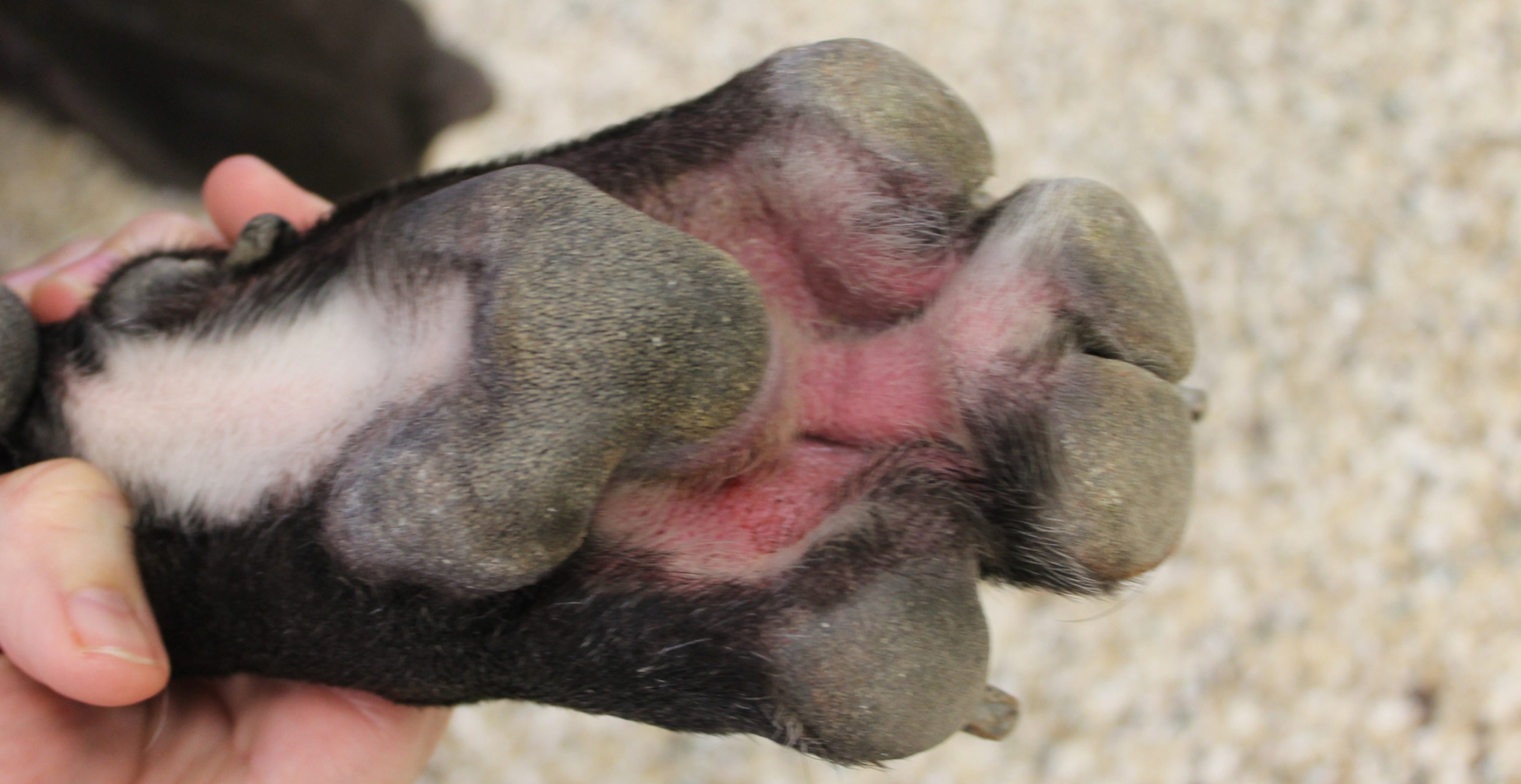
Understanding the connection between modern dermatology medications and canine temperament changes
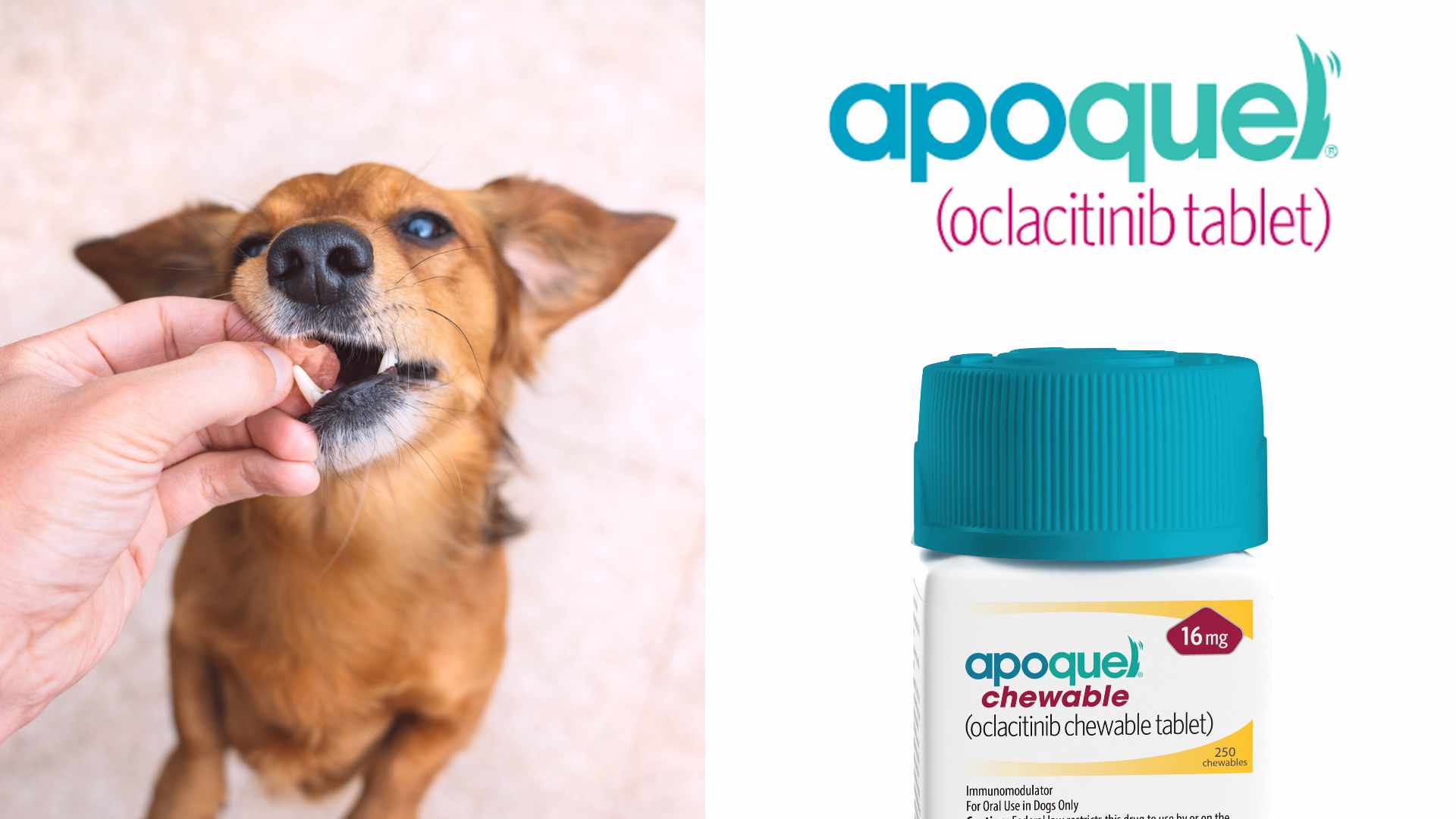
According to the American Veterinary Medical Association, millions of companion animals receive prescription treatments for chronic skin conditions every year, making dermatological safety a top priority for pet households. When a beloved canine companion begins scratching incessantly, finding relief becomes an urgent mission for any caregiver. Veterinary medicine offers several targeted therapies to manage severe allergic dermatitis, which is an inflammatory skin disease caused by environmental allergens. Among these options, oclacitinib—commonly known by the brand name Apoquel—frequently enters the conversation as a fast-acting relief option. However, as more households administer this targeted pill, a troubling question echoes across online forums and clinic waiting rooms: can apoquel cause aggresion in dogs? Navigating the intersection of pharmacology and animal personality requires a careful look at how these medical interventions interact with a canine’s daily life and underlying physical comfort.
💡 Pet Care Key Takeaways:
- Core Focus: Practical health, nutrition, and wellness guidelines for Can Apoquel Cause Aggresion In Dogs.
- Target Scope: Pet owners, animal caregivers, and veterinary support staff.
- Best Recommendation: Maintain consistent daily routines and consult an accredited veterinarian before introducing major diet or medical changes.
Evaluating whether clinical anti-itch therapy directly triggers sudden behavioral shifts
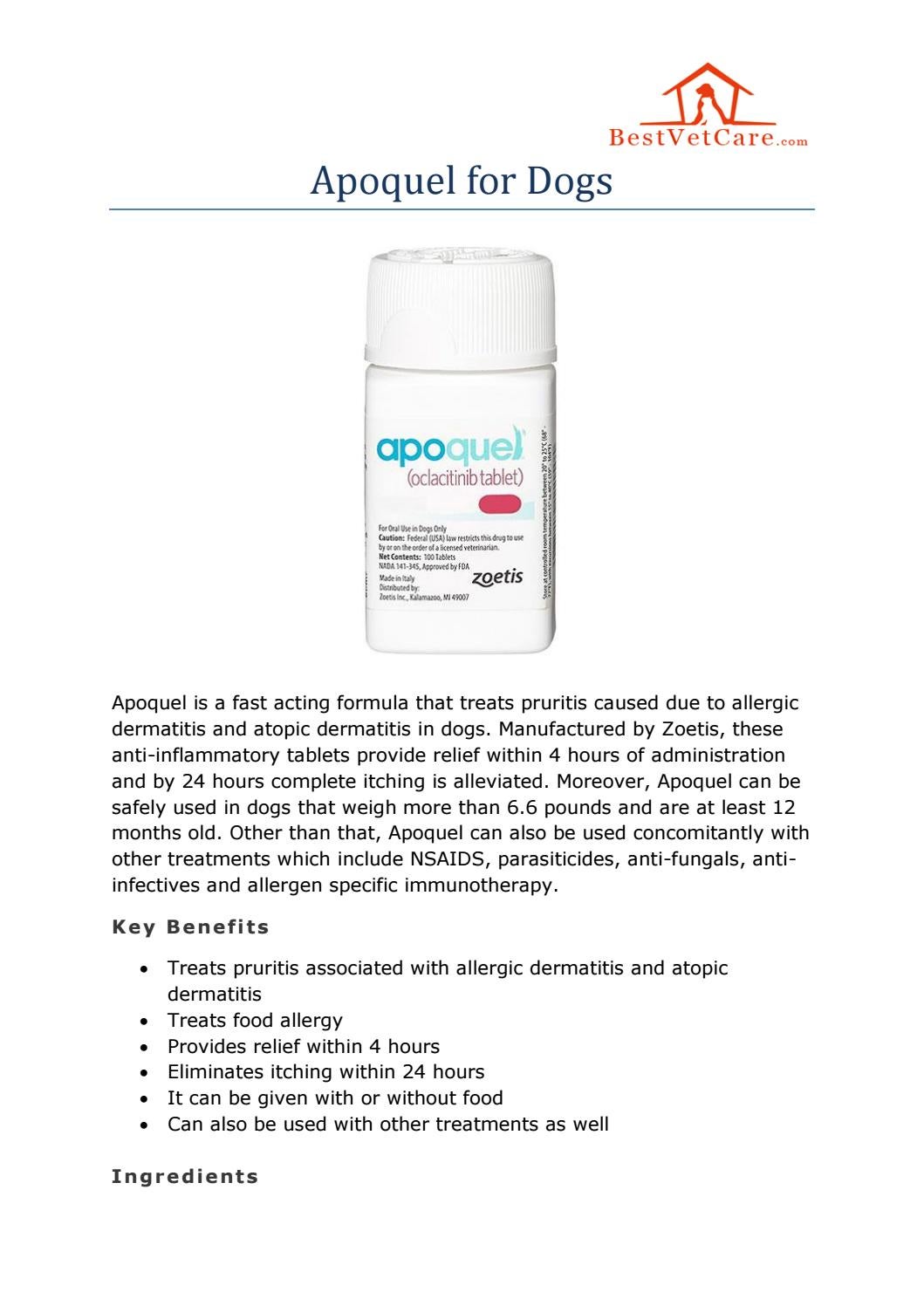
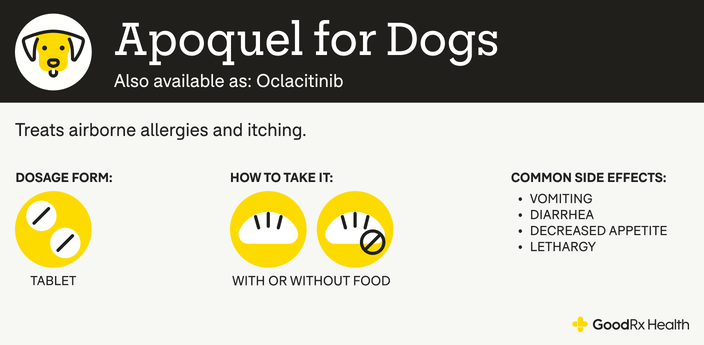
Direct pharmacological evidence indicates that oclacitinib does not directly stimulate the neurological pathways responsible for unprovoked behavioral hostility or unprovoked attacks. Instead of targeting the central nervous system like sedatives or behavioral modulators, this medication specifically inhibits Janus kinase (JAK) enzymes—proteins that transmit itch and inflammation signals within the immune system. While the official prescribing information outlines common side effects such as vomiting, diarrhea, or a temporary drop in white blood cell counts, direct personality changes are notably absent from primary clinical trials. Pharmacokinetics, the branch of pharmacology dedicated to determining the movement of drugs within the body, shows that these molecules focus heavily on dermatological receptors rather than brain chemistry. Even so, the lived reality inside veterinary clinics often tells a slightly more nuanced story regarding how dogs react while undergoing systemic treatments.
Exploring the indirect link between physical discomfort relief and behavioral outbursts
Indirect discomfort and chronic pain are the primary culprits when a medically treated dog displays sudden behavioral changes or defensive snapping. In veterinary practice, it is common to observe a canine patient who appears suddenly reactive simply because they are enduring hidden aches, residual itchiness, or secondary skin infections that alter their stress threshold. Chronic pruritus, defined as severe and persistent itching, exhausts the nervous system over time, leaving animals in a constant state of hyperarousal. When a medication begins alleviating that severe inflammation, the physical relief can sometimes unmask underlying behavioral issues like resource guarding or generalized anxiety that were previously overshadowed by constant scratching. Furthermore, if a dog experiences mild gastrointestinal upset from a new regimen, that internal distress can easily manifest as irritability, restlessness, or snapping when handled.
Chronic pruritus and severe dermatological distress lower a canine’s behavioral threshold, frequently manifesting as defensive reactivity that mimics medication-induced hostility — American Veterinary Medical Association
Managing unexpected behavioral shifts through proactive observation and environmental adjustments
Observing subtle changes in posture, vocalization, and daily routines allows caregivers to catch rising stress levels before they escalate into dangerous reactivity. When managing a canine undergoing medical therapy for skin allergies, keeping a detailed daily journal tracking mood, appetite, and dosing schedules provides invaluable data for veterinary appointments. Establishing a calm, predictable environment reduces the daily triggers that might overwhelm an animal whose body is already processing systemic adjustments. Additionally, ensuring that resting areas remain entirely undisturbed helps prevent accidental defensive bites from pets who may be resting fitfully while their immune systems process the therapeutic compound.
Avoiding common pitfalls and implementing best practices during allergy treatment
Misinterpreting the root cause of a sudden growl or snap remains a frequent pitfall for well-meaning owners navigating canine dermatology. Rather than immediately discontinuing a vital prescription without professional oversight, caregivers should investigate concurrent factors such as ear infections, joint pain, or environmental stressors. Never alter prescription timelines or split tablets without explicit professional guidance, as erratic dosing can cause allergic symptoms to rebound violently. Consulting resources on Dog Health can offer broader insights into managing multi-systemic canine conditions safely at home.
Sudden behavioral flare-ups during dermatological therapy require a comprehensive medical workup to rule out underlying pain rather than assuming a direct drug reaction — American Animal Hospital Association
Pet Care & Wellness Overview Table
| Life Stage | Daily Activity Level | Key Nutrition / Care Focus |
|---|---|---|
| Puppy / Kitten | High (frequent short bursts) | High-protein growth diet & early socialization |
| Adult Companion | Moderate (30–60 mins daily) | Balanced maintenance nutrition & dental hygiene |
| Senior Pets | Low to Gentle (mindful walks) | Joint support (Glucosamine) & routine vet checks |
Images References



Breed, age, and individual temperament considerations in pharmacological behavioral responses
Individual susceptibility to stress varies wildly across different canine breeds, life stages, and baseline temperaments. Senior dogs with age-related cognitive decline or underlying osteoarthritis may process the mild physiological changes of a new medication very differently than a resilient young puppy. Breeds historically selected for high sensitivity or guarding instincts might also display more pronounced behavioral reactions when experiencing unfamiliar internal sensations or lingering environmental discomfort. Understanding these inherent traits helps tailor both medical protocols and daily handling techniques to suit the specific psychological makeup of the individual animal.
When to consult a veterinary professional or certified behaviorist for evaluation
Persistent snapping, unprovoked lunging, or severe personality shifts always warrant an immediate consultation with a licensed veterinarian to rule out hidden medical emergencies. If behavioral changes continue after a thorough physical examination clears the animal of secondary infections or underlying pain, partnering with a certified professional from Dog Training is essential. Professional behaviorists utilize science-based, positive reinforcement methods to modify reactivity safely without resorting to outdated, punitive techniques that heighten fear. Exploring educational guides on Dog Behavior can further equip households to decode subtle canine signals effectively.
Closing thoughts on balancing skin health and emotional wellbeing
Caring for a companion with chronic skin disease demands patience, vigilance, and close collaboration with medical professionals to ensure both comfort and safety. While modern veterinary science provides remarkable tools to alleviate suffering, every animal responds through the lens of their unique physical and emotional makeup. By staying observant, addressing hidden discomforts promptly, and seeking expert guidance when personality shifts arise, households can maintain a harmonious environment. Discover more comprehensive advice and specialized resources by visiting PetsAnimalsWorld.com and exploring our dedicated categories on Dog Care.




