

Understanding the Complex Roots of Cane Corso Puppy Biting and Aggression
According to the American Kennel Club, the Cane Corso is a magnificent, intelligent working breed that requires early socialization and structured guidance to develop into a balanced companion. When a powerful working dog begins snapping, growling, or gripping hands with needle-sharp deciduous teeth, households experience immediate stress. Bringing home a giant breed puppy brings immense joy, yet it also introduces unique behavioral challenges that demand proactive understanding. Navigating these early hurdles successfully requires separating normal developmental milestones from true behavioral threats.
💡 Pet Care Key Takeaways:
- Core Focus: Practical health, nutrition, and wellness guidelines for Cane Corso Puppy Biting And Aggression Towards Owner.
- Target Scope: Pet owners, animal caregivers, and veterinary support staff.
- Best Recommendation: Maintain consistent daily routines and consult an accredited veterinarian before introducing major diet or medical changes.
Working with large guardian breeds reveals a distinct pattern during early development. Many guardians notice their young mastiffs exploring the world through enthusiastic mouthiness, mistaking human skin for a chew toy. Experienced professionals frequently observe that these puppies possess an innate drive to engage with their environment using their mouths, which can easily escalate if mismanaged. Recognizing the difference between typical exploration and genuine hostility allows households to respond appropriately without causing unnecessary fear or confusion in the growing animal. For more related activities, check out our Dog Unusual Behavior.
Defining Cane Corso Puppy Biting and Aggression Towards Owner
Cane corso puppy biting and aggression towards owner encompasses both normal exploratory mouthing and concerning defensive or resource-guarding behaviors directed at human family members. Normal puppy play biting involves exploratory nipping, lack of bite inhibition, and high energy during play sessions. Conversely, true canine aggression stems from emotional states like fear, frustration, or a developing instinct to protect possessions and territory. Understanding this distinction is vital because punishment-based corrections often exacerbate fear-based reactions, turning minor behavioral quirks into severe liability issues.
Genetics play a powerful role in shaping how a young mastiff reacts to perceived pressure or confinement. As descendants of ancient Roman war dogs, these animals possess natural guardian instincts that emerge much earlier than many owners anticipate. When a puppy stiffens, stares fixedly, or emits a low growl while being handled or approached near a food bowl, the animal is communicating distress or a desire for control. Ignoring these subtle warning signs or attempting to physically dominate the puppy often leads to escalating defensive responses.
The Behavioral and Household Impact of Unchecked Puppy Aggression
Unmanaged puppy hostility creates a stressful domestic environment and increases the risk of dangerous adult behaviors as the dog grows into a massive physical frame. Because an adult Cane Corso can easily weigh over one hundred pounds, habits left unaddressed during the first few months of life transform into significant management challenges later. Early intervention protects household members and preserves the strong bond necessary for a harmonious human-canine relationship.
Early behavioral intervention during the critical socialization window significantly reduces the incidence of severe biting and dominance-related issues in large guardian breeds. — American Kennel Club
Beyond physical safety concerns, persistent biting strains the emotional connection between the owner and the dog. Caregivers may begin to isolate the puppy, inadvertently reducing vital socialization opportunities and worsening the underlying anxiety or defensive tendencies. Implementing structured routines, clear boundaries, and positive reinforcement helps redirect the puppy’s intense mental and physical energy into productive channels.
Effective Management Strategies for Cane Corso Puppy Biting and Aggression Towards Owner
Managing cane corso puppy biting and aggression towards owner requires a combination of management, redirection, and positive reinforcement training. Establishing clear rules from day one prevents confusion and helps the puppy understand what behaviors yield positive outcomes. When a young dog becomes overly aroused and starts nipping, immediately withdrawing attention and redirecting the bite onto an appropriate chew toy teaches alternative habits.
Socialization must be approached methodically, introducing the puppy to diverse environments, sounds, and gentle handling exercises in a controlled manner. Rewarding calm behavior around food bowls, toys, and resting areas teaches the growing dog that human presence brings safety and rewards rather than conflict. Patience and consistency remain the cornerstones of successful giant breed development.
Best Practices and Common Mistakes to Avoid During Training
Avoiding physical corrections and dominance-based techniques is essential when dealing with powerful guarding breeds to prevent defensive retaliation. Punishing a growling puppy teaches the animal to suppress warning signals, resulting in bites delivered without prior notice. Instead, focus on identifying triggers and teaching alternative coping mechanisms through positive reinforcement.
Utilizing positive reinforcement methods in canine training fosters better learning outcomes and strengthens the cooperative bond between owner and pet compared to punitive approaches. — American Veterinary Medical Association
Pet Care & Wellness Overview Table
| Life Stage | Daily Activity Level | Key Nutrition / Care Focus |
|---|---|---|
| Puppy / Kitten | High (frequent short bursts) | High-protein growth diet & early socialization |
| Adult Companion | Moderate (30–60 mins daily) | Balanced maintenance nutrition & dental hygiene |
| Senior Pets | Low to Gentle (mindful walks) | Joint support (Glucosamine) & routine vet checks |
Images References


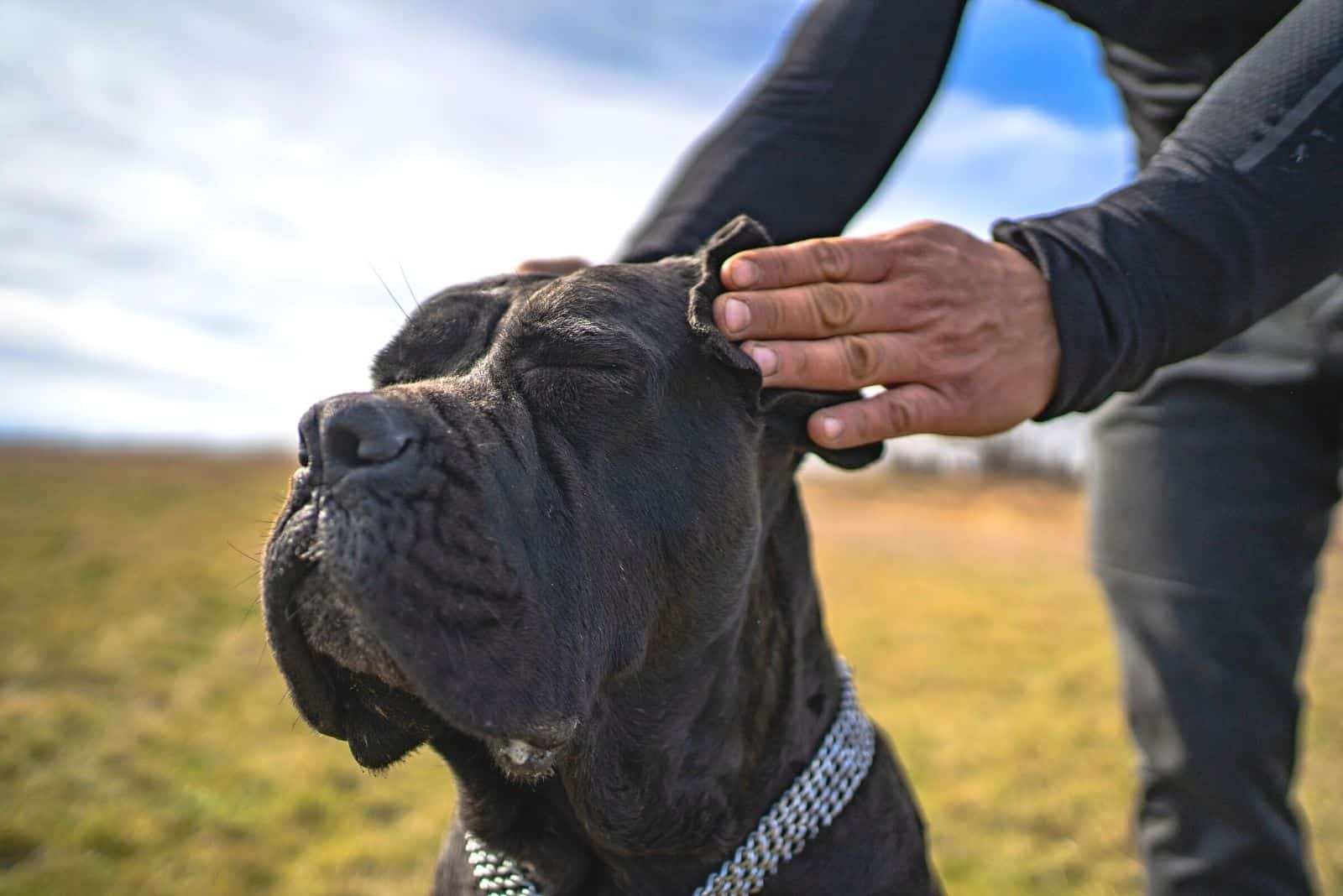

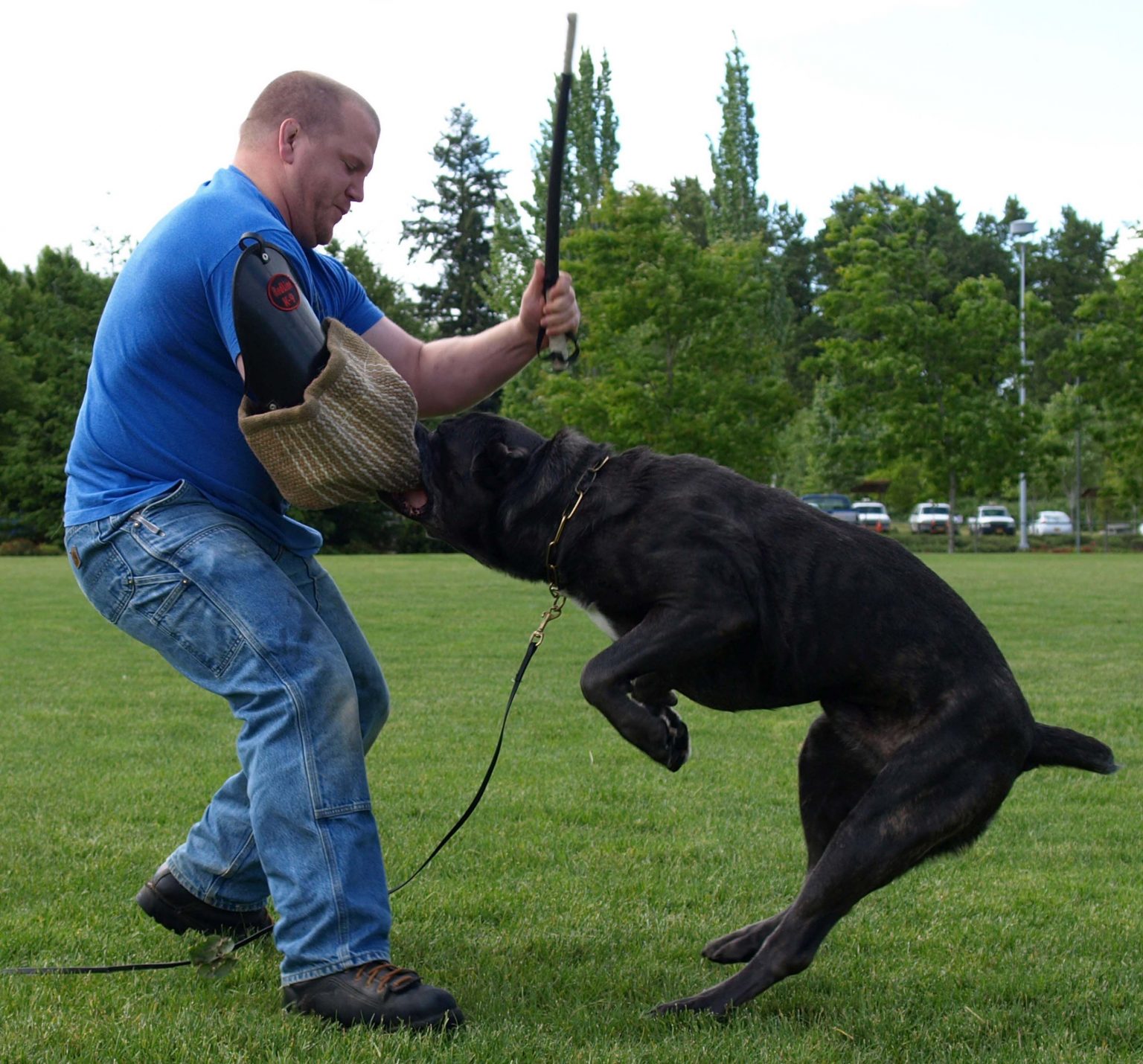

Consistency among all household members prevents mixed signals that confuse the puppy during its formative months. Every interaction should reinforce calm, respectful behavior while discouraging rough play that encourages grabbing human hands or clothing with teeth.
Breed-Specific Temperament and Developmental Considerations
The Cane Corso is a loyal, protective breed that matures slowly, often retaining puppy-like mental traits until two or three years of age. This extended maturation period means that training must be viewed as an ongoing, long-term commitment rather than a short-term project. Recognizing the breed’s natural protective instincts helps owners guide their dogs with confidence and fairness.
Providing adequate physical and mental stimulation is non-negotiable for this athletic working breed. A bored or under-stimulated mastiff often finds destructive outlets for its energy, including excessive nipping and territorial posturing. Integrating obedience sessions, puzzle toys, and structured walks into the daily routine satisfies the dog’s innate need for a job.
When to Consult a Veterinary Behaviorist or Professional Trainer
Consulting a certified professional trainer or veterinary behaviorist is crucial if biting or aggression escalates beyond normal developmental mouthing. Professional guidance becomes mandatory when a puppy shows unprovoked aggression, guards high-value items with intense hostility, or fails to respond to positive reinforcement protocols. Seeking expert help early ensures safe, scientifically sound management tailored to the individual dog.
Building a Lasting, Balanced Relationship With Your Mastiff
Navigating the puppyhood of a powerful guardian breed demands dedication, education, and unwavering patience from every household member. By understanding the underlying motivations behind mouthing and defensive displays, owners can guide their companions toward becoming confident, stable adults. Explore additional resources on Dog Training, learn more about Dog Behavior, and review expert guides on Dog Care to ensure your companion thrives. Visit PetsAnimalsWorld.com for comprehensive insights into raising healthy, well-adjusted pets.




