

Introduction
Understanding optimal canine nutrition is fundamental to ensuring a dog’s long-term health and vitality. A “canine complete supplement” refers to a dietary additive specifically formulated to provide a comprehensive array of essential vitamins, minerals, amino acids, fatty acids, and sometimes probiotics or digestive enzymes that might be missing or insufficient in a dog’s regular diet. This approach aims to bridge nutritional gaps, supporting various bodily functions from immune response to coat health and joint integrity. The importance of these supplements arises from several factors, including variations in commercial dog food quality, specific life stage requirements, and individual health conditions. Recognizing when and why such supplementation might be beneficial allows caregivers to proactively enhance a dog’s well-being, potentially improving their physical health, energy levels, and overall quality of life.
💡 Pet Care Key Takeaways:
- Core Focus: Practical health, nutrition, and wellness guidelines for Canine Complete Supplement.
- Target Scope: Pet owners, animal caregivers, and veterinary support staff.
- Best Recommendation: Maintain consistent daily routines and consult an accredited veterinarian before introducing major diet or medical changes.
Common Causes and Key Factors
The necessity for a canine complete supplement often stems from several key factors impacting a dog’s nutritional intake. A primary consideration is the quality and composition of a dog’s base diet. While many commercial dog foods aim to be “complete and balanced,” processing methods, ingredient sourcing, and individual formulations can sometimes lead to nutrient degradation or suboptimal levels of certain vital components. Dogs consuming home-prepared meals, unless meticulously balanced by a veterinary nutritionist, are also highly susceptible to nutritional deficiencies. For more related activities, check out our “Fortiflora” And “Gut Health”.
Different life stages impose varying nutritional demands. Puppies require specific nutrients for rapid growth and development, while senior dogs may need support for joint health, cognitive function, and organ maintenance. Pregnant or lactating dogs also have significantly increased nutritional needs. Furthermore, certain breeds may be predisposed to specific health issues, such as joint problems, which can be mitigated with targeted supplementation. Environmental stressors, chronic illnesses, or periods of recovery from surgery or illness can also deplete nutrient reserves, creating a need for a comprehensive dietary boost.
Signs and Symptoms to Observe
Observing a dog for signs that might indicate a nutritional imbalance or deficiency can guide decisions regarding supplementation. A dull, dry, or brittle coat that sheds excessively, alongside flaky skin, often points to a lack of essential fatty acids, vitamins, or minerals. Low energy levels, lethargy, or a noticeable decrease in activity that is not typical for the dog’s age or breed can signal inadequate nutrient intake.
Digestive issues such as chronic loose stools, constipation, or poor nutrient absorption can also be indicators, suggesting a need for probiotic and digestive enzyme support. Slower-than-expected growth in puppies or difficulty maintaining a healthy weight in adult dogs might also suggest a need for a more complete nutritional profile. Weakened immunity, manifesting as frequent infections or slow recovery from illness, can also be a sign that the body is lacking crucial vitamins and minerals necessary for a robust immune system. These signs can vary significantly based on the dog’s age, breed, and overall health status, necessitating careful observation by caregivers.
Practical Solutions and Management Strategies
Implementing a canine complete supplement into a dog’s routine requires thoughtful consideration. The first step involves a critical assessment of the dog’s current diet. Ensuring that a high-quality, age-appropriate, and breed-suitable commercial food is being fed can significantly reduce potential nutrient gaps. For those feeding home-prepared diets, consulting with a veterinary nutritionist is paramount to create a truly balanced meal plan.
When choosing a canine complete supplement, careful attention should be paid to the product’s ingredient list, ensuring it provides a broad spectrum of vitamins (e.g., A, D, E, B complex), minerals (e.g., calcium, phosphorus, zinc, selenium), essential fatty acids (e.g., Omega-3 and Omega-6), and potentially beneficial compounds like glucosamine, chondroitin, or probiotics. Opting for reputable brands with transparent sourcing and manufacturing practices is advisable. Dosage instructions provided by the manufacturer should always be followed meticulously, adjusting for the dog’s weight, age, and specific needs. Incorporating the supplement gradually can help prevent digestive upset, and mixing it seamlessly with regular food can improve palatability. Consistent daily administration is key to realizing the full benefits of supplementation.
When Professional Help May Be Needed
While canine complete supplements can be beneficial, their introduction should ideally be a well-informed decision made in consultation with a veterinary professional. Before beginning any supplementation regimen, a veterinarian can help assess a dog’s overall health, existing diet, and specific needs through examinations or even blood tests if necessary. This professional guidance is particularly important for dogs with pre-existing health conditions, such as kidney disease, liver issues, or allergies, as certain supplements might interact negatively with medications or exacerbate underlying problems.
Signs of severe deficiency, sudden changes in behavior or health, or a lack of improvement despite consistent supplementation warrant immediate veterinary attention. A veterinarian can provide tailored recommendations, ensuring that any supplement chosen is appropriate and safe for the individual dog, thus preventing potential overdosing of certain nutrients which can be as harmful as deficiencies. Professional input ensures that the supplementation strategy complements, rather than detracts from, a dog’s overall health management plan.
Conclusion
A canine complete supplement represents a valuable tool in promoting optimal health and well-being for dogs. Understanding the role of these comprehensive dietary additives, recognizing the factors that might necessitate their use, and observing for the subtle signs of nutritional imbalance are crucial responsibilities for pet caregivers. By thoughtfully evaluating a dog’s dietary needs and considering high-quality, broad-spectrum supplements, it is possible to bridge nutritional gaps and support various physiological functions. However, the most effective approach always involves responsible decision-making guided by professional veterinary advice. Prioritizing balanced nutrition and consistent, informed care remains the cornerstone of fostering a healthy, vibrant life for canine companions.
Pet Care & Wellness Overview Table
| Life Stage | Daily Activity Level | Key Nutrition / Care Focus |
|---|---|---|
| Puppy / Kitten | High (frequent short bursts) | High-protein growth diet & early socialization |
| Adult Companion | Moderate (30–60 mins daily) | Balanced maintenance nutrition & dental hygiene |
| Senior Pets | Low to Gentle (mindful walks) | Joint support (Glucosamine) & routine vet checks |
Images References

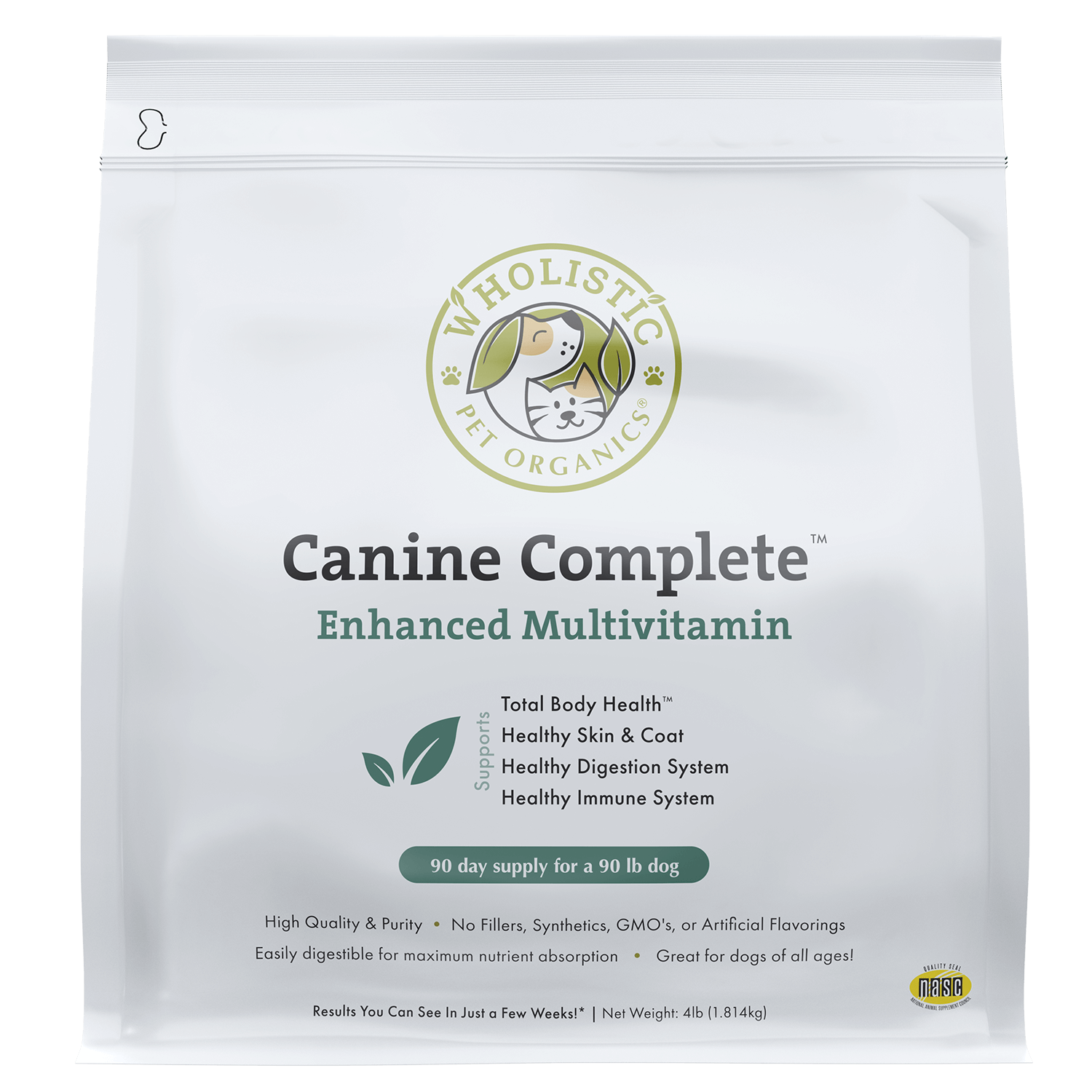



For more expert pet care tips and advice, check out our dedicated Dog Nutrition guides to keep your companions healthy and happy.




