

Introduction
The term “canine vitamin supplement” refers to a product designed to provide dogs with essential vitamins that might be lacking in their regular diet or are required in higher amounts due to specific physiological conditions. Understanding the role and appropriate use of these supplements is paramount for dog owners dedicated to maintaining their companion’s optimal health and well-being. While many commercial dog foods are formulated to be complete and balanced, certain circumstances can necessitate additional nutritional support. These situations often include specific life stages, dietary restrictions, existing health conditions, or even varying levels of physical activity. A thorough grasp of when and why a canine vitamin supplement might be beneficial allows for informed decisions, ultimately contributing to a dogs vitality, resilience, and overall quality of life.
💡 Pet Care Key Takeaways:
- Core Focus: Practical health, nutrition, and wellness guidelines for Canine Vitamin Supplement.
- Target Scope: Pet owners, animal caregivers, and veterinary support staff.
- Best Recommendation: Maintain consistent daily routines and consult an accredited veterinarian before introducing major diet or medical changes.
Common Causes and Key Factors
Several factors contribute to a dog’s potential need for a canine vitamin supplement, ranging from dietary nuances to physiological demands. One primary consideration involves dietary completeness. While premium commercial dog foods typically meet nutritional standards, variations in ingredient quality or processing methods can sometimes affect nutrient bioavailability. More critically, home-prepared diets, if not meticulously formulated by a veterinary nutritionist, often lack the precise balance of essential vitamins and minerals, leading to significant deficiencies over time. For more related activities, check out our Pitbullnutrition.
Life stages play a crucial role in nutrient requirements. Puppies undergoing rapid growth, for instance, have distinct needs for vitamins supporting bone development and immune function. Conversely, senior dogs may experience decreased nutrient absorption and could benefit from supplements targeting joint health, cognitive function, or antioxidant support. Pregnant or lactating bitches face immense physiological demands, requiring elevated levels of various vitamins to support both their health and that of their offspring.
Furthermore, underlying health conditions can increase a dog’s need for supplemental vitamins. Dogs suffering from gastrointestinal diseases, kidney issues, or chronic illnesses may have impaired nutrient absorption or increased metabolic requirements. Recovery from surgery, injury, or severe illness also often calls for nutritional assistance to expedite healing and restore vitality. Highly active dogs, such as working dogs or canine athletes, may also have elevated vitamin needs due to increased energy expenditure and oxidative stress.
Signs and Symptoms to Observe
Recognizing the signs that a dog might benefit from a canine vitamin supplement requires careful observation of their physical condition and behavior. Manifestations of vitamin deficiencies are diverse and can vary based on the specific nutrient lacking, the severity of the deficiency, and the dog’s age and breed.
Common indicators of a potential nutritional imbalance include a dull, dry, or brittle coat, excessive shedding, and poor skin condition, which can sometimes manifest as flakiness or irritation. A noticeable lack of energy or lethargy, decreased stamina during activity, or an overall reduction in enthusiasm can also signal inadequate vitamin intake. Other general signs might include a poor appetite, unexplained weight loss or inability to gain weight, and a tendency towards frequent infections, indicating a weakened immune system.
More specific symptoms can point to particular deficiencies. For example, issues with night vision or persistent eye irritation might suggest a lack of Vitamin A. Poor bone development, lameness, or difficulty walking could indicate Vitamin D deficiency. Certain neurological symptoms or persistent digestive upset might be linked to insufficient B vitamins. While these specific examples are less common with a balanced diet, their presence warrants immediate attention. Observing these signs consistently, especially if they are new or worsening, provides valuable information for a veterinary professional.
Practical Solutions and Management Strategies
Effectively managing a dogs nutritional needs and determining the appropriate use of a canine vitamin supplement begins with a comprehensive assessment of their current diet and overall health. The first and most crucial step involves a consultation with a veterinarian or a board-certified veterinary nutritionist. This professional guidance is essential to accurately identify any nutritional gaps and to avoid over-supplementation, which can be as detrimental as a deficiency.
If the current diet is identified as the primary issue, adjustments may be recommended. This could involve transitioning to a high-quality, complete, and balanced commercial dog food, ensuring it meets the nutritional standards appropriate for the dog’s life stage and activity level. For owners feeding home-cooked diets, professional formulation is imperative to ensure all essential vitamins and minerals are provided in correct proportions.
Should a supplement be deemed necessary, the veterinarian will guide the selection process. Targeted supplements are often preferred over general multivitamins, addressing specific needs such as joint support (e.g., glucosamine and chondroitin, often combined with Vitamin C or E), skin and coat health (e.g., omega-3 fatty acids, often with Vitamin E), or immune system boosting. Reputable brands that undergo third-party testing for purity and potency should always be chosen. Strict adherence to the recommended dosage is non-negotiable; never exceed the advised amount without professional instruction.
Ongoing monitoring of the dog’s response to the supplement is also vital. Observing improvements in coat quality, energy levels, appetite, or any other target symptom confirms the supplement’s efficacy. Regular veterinary check-ups allow for periodic re-evaluation of the dog’s nutritional status and supplement regimen, ensuring continued appropriateness as their needs evolve.
When Professional Help May Be Needed
While a dog owner’s vigilance is invaluable, the decision to incorporate a canine vitamin supplement should almost always be made in consultation with a veterinary professional. This step is critical for several reasons and should not be overlooked.
Before initiating any supplementation, a veterinarian can accurately assess the dog’s existing diet, identify genuine deficiencies through physical examination or diagnostic tests, and rule out underlying medical conditions that might be mimicking nutritional problems. Self-prescribing supplements based on perceived symptoms can mask serious health issues, delay appropriate treatment, or lead to harmful over-supplementation.
Professional help is especially warranted if a dog exhibits persistent or worsening symptoms despite dietary adjustments or if there are concerns about their overall health. Dogs with chronic diseases, those recovering from severe illness or surgery, pregnant or lactating bitches, and elderly dogs often require tailored nutritional plans that only a veterinarian can competently devise. Furthermore, for owners committed to feeding home-cooked meals, a veterinary nutritionist is essential to ensure the diet is complete and balanced, thereby preventing both deficiencies and toxicities.
Any signs suggestive of adverse reactions or potential over-supplementation, such as vomiting, diarrhea, lethargy, or behavioral changes after starting a supplement, require immediate veterinary attention. These symptoms can indicate an incorrect dosage, an inappropriate product, or an underlying issue exacerbated by the supplement. Ultimately, partnering with a veterinarian ensures that any use of canine vitamin supplements is safe, effective, and truly beneficial for the dogs long-term health.
Conclusion
The thoughtful consideration and appropriate use of a canine vitamin supplement can play a significant role in supporting a dog’s health and vitality. It serves as a valuable tool for addressing specific nutritional gaps that may arise from various factors, including life stage, activity level, dietary limitations, or existing health conditions. Recognizing the signs of potential deficiency, understanding the underlying causes, and implementing well-informed strategies are foundational to effective canine care. Crucially, the decision to introduce any supplement into a dog’s regimen must be made in close consultation with a veterinary professional to ensure safety, efficacy, and to prevent potential harm from inappropriate use or over-supplementation. By combining diligent observation with expert guidance, dog owners can make empowered choices that contribute significantly to the health, happiness, and longevity of their beloved canine companions.
Pet Care & Wellness Overview Table
| Life Stage | Daily Activity Level | Key Nutrition / Care Focus |
|---|---|---|
| Puppy / Kitten | High (frequent short bursts) | High-protein growth diet & early socialization |
| Adult Companion | Moderate (30–60 mins daily) | Balanced maintenance nutrition & dental hygiene |
| Senior Pets | Low to Gentle (mindful walks) | Joint support (Glucosamine) & routine vet checks |
Images References


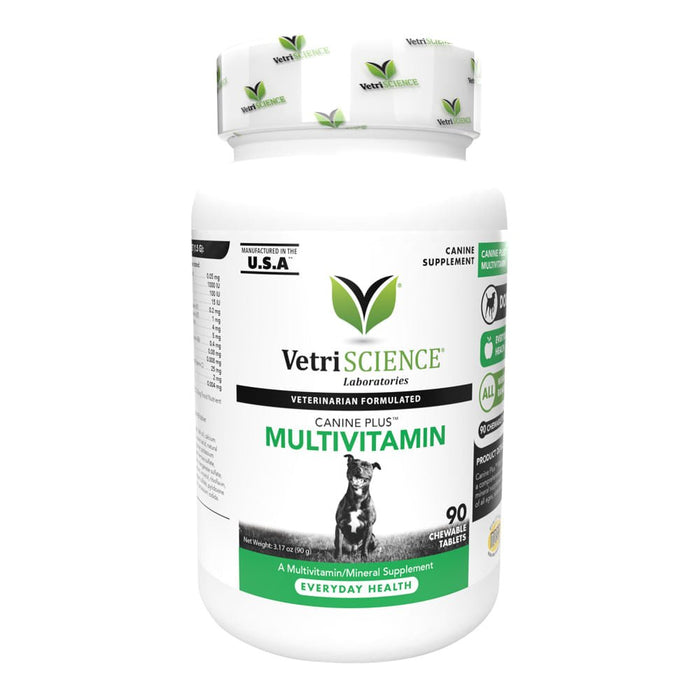


For more expert pet care tips and advice, check out our dedicated Dog Nutrition guides to keep your companions healthy and happy.




