

Introduction
The well-being of canine companions is a priority for many owners, and understanding key nutrients that support their health is an essential part of responsible pet care. One such nutrient gaining attention in veterinary circles is coenzyme Q10 for dogs, often simply referred to as CoQ10. This naturally occurring, vitamin-like substance plays a crucial role in cellular energy production and acts as a powerful antioxidant within the body. Its importance becomes particularly pronounced as dogs age or face certain health challenges, where natural levels of CoQ10 may decline or demand increases. A comprehensive understanding of CoQ10 can empower dog owners to make informed decisions regarding their pet’s nutritional support, potentially enhancing vitality, supporting vital organ function, and ultimately improving a dogs overall quality of life.
💡 Pet Care Key Takeaways:
- Core Focus: Practical health, nutrition, and wellness guidelines for Coenzyme Q10 For Dogs.
- Target Scope: Pet owners, animal caregivers, and veterinary support staff.
- Best Recommendation: Maintain consistent daily routines and consult an accredited veterinarian before introducing major diet or medical changes.
Common Causes and Key Factors
The body’s natural production of coenzyme Q10 can be influenced by several factors, making supplementation an important consideration for some dogs. A primary factor is age; much like in humans, the endogenous synthesis of CoQ10 tends to decrease as dogs grow older. This natural decline can lead to reduced cellular energy efficiency and diminished antioxidant protection. For more related activities, check out our Signs Of A Deaf Dog Behavior Problems And Solutions.
Another key consideration involves increased metabolic demand. Certain health conditions, such as cardiovascular issues, periodontal disease, or other chronic inflammatory states, can place a greater strain on the body, thereby increasing its requirement for CoQ10. Dogs experiencing these conditions may benefit from external supplementation to support cellular function and aid in recovery processes.
Environmental stressors and certain medications can also contribute to oxidative stress, which in turn consumes CoQ10 as the body works to neutralize free radicals. While some CoQ10 is obtained through diet (found in organ meats and certain fish), the amounts typically present in commercial dog foods or even raw diets may not be sufficient to counteract significant age-related decline or meet the elevated demands of specific health conditions.
Signs and Symptoms to Observe
Dogs do not typically exhibit direct, specific “symptoms” of CoQ10 deficiency in the same way they might for a vitamin deficiency. Instead, the relevance of coenzyme Q10 for dogs often lies in its potential to support overall health in the presence of certain conditions or age-related changes. Therefore, observing signs that indicate a need for such support is more appropriate.
One observable indicator that might prompt consideration of CoQ10 supplementation is reduced energy or increased lethargy, particularly in older dogs. A general decrease in stamina during walks or playtime, or an increase in resting periods, could suggest a decline in cellular energy efficiency.
Additionally, signs related to cardiovascular health are often linked to CoQ10’s supportive role. These might include a persistent cough, decreased exercise tolerance, or fluid accumulation, which are indicators of potential heart issues. For dental health, red, inflamed gums or other signs of periodontal disease could also be relevant, as CoQ10’s antioxidant and anti-inflammatory properties are thought to be beneficial in supporting gum tissue. These observations, while not direct symptoms of CoQ10 deficiency, highlight areas where professional veterinary guidance might suggest CoQ10 as a supportive measure.
Practical Solutions and Management Strategies
Integrating coenzyme Q10 for dogs into a health regimen requires careful consideration and a structured approach. The most crucial first step involves a comprehensive consultation with a veterinarian. This professional guidance ensures that supplementation is appropriate for a dogs specific health status and does not interfere with existing medications or conditions.
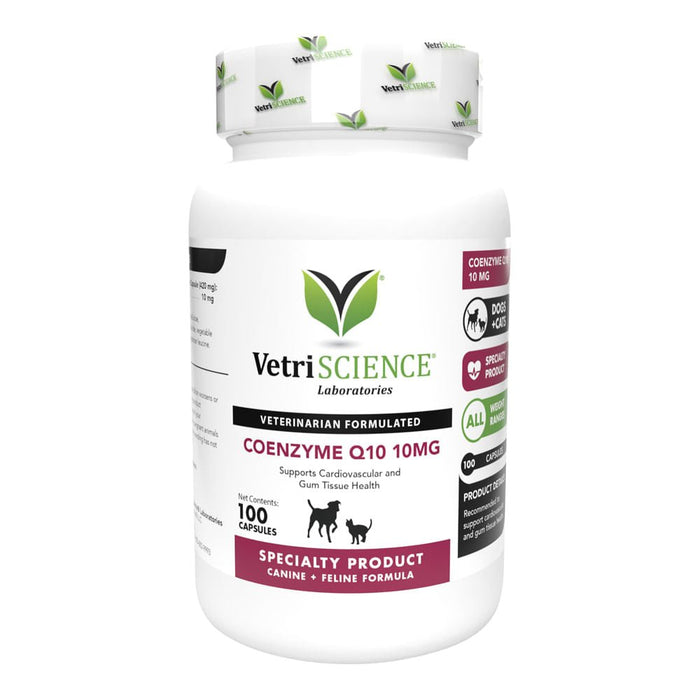
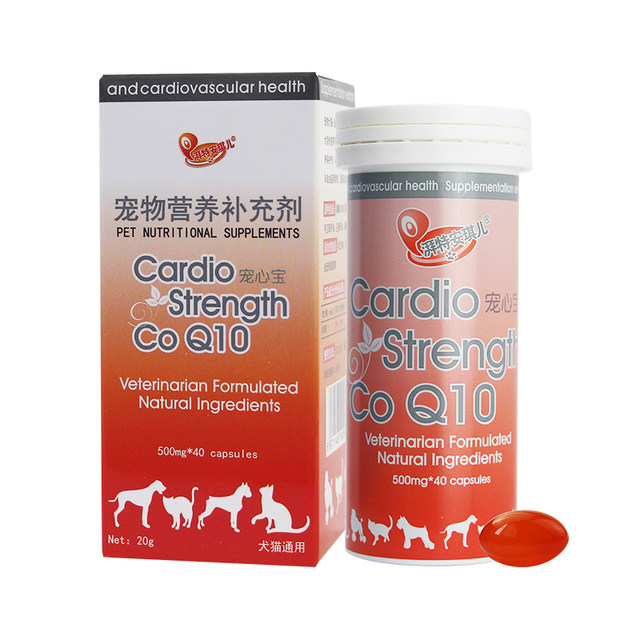
CoQ10 supplements specifically formulated for canine use are readily available. These often come in various forms, including capsules, soft gels, or chewable tablets, making administration easier for owners. Dosages typically vary based on a dog’s weight and the specific health concern being addressed. A veterinarian can provide precise dosing instructions. It is also worth noting that ubiquinol, a reduced form of CoQ10, is sometimes considered to have superior bioavailability compared to ubiquinone, which might be a factor in choosing a specific product.
While dietary sources of CoQ10 exist (such as organ meats like heart and liver, and certain fish like mackerel and sardines), the concentrations are generally insufficient to provide therapeutic levels required for older dogs or those with specific health challenges. Therefore, direct supplementation is often necessary to achieve desired benefits. Consistency in administration is key, as the beneficial effects of CoQ10 often build up over time with regular use.
Beyond supplementation, integrating CoQ10 into a holistic health plan involves maintaining a balanced diet, ensuring regular, appropriate exercise, and scheduling routine veterinary check-ups. This comprehensive approach maximizes the potential benefits of CoQ10 while addressing a dog’s overall well-being.
When Professional Help May Be Needed
While coenzyme Q10 for dogs offers valuable supportive benefits, it is never a substitute for professional veterinary care. Several situations necessitate immediate consultation with a qualified veterinarian. Any dog exhibiting new or worsening health concerns, such as persistent lethargy, coughing, changes in appetite or thirst, or noticeable discomfort, requires a thorough veterinary examination to diagnose the underlying cause.
Furthermore, before initiating any new supplement, including CoQ10, a veterinarian’s advice is indispensable. A professional can assess a dog’s current health status, review existing medications for potential interactions, and recommend the appropriate type and dosage of CoQ10. This prevents misuse and ensures that supplementation is both safe and effective for the individual animal.
For dogs with pre-existing conditions, particularly heart disease, kidney issues, or other chronic ailments, ongoing veterinary oversight is crucial. The veterinarian can monitor the dog’s response to CoQ10 supplementation, adjust treatment plans as needed, and integrate it seamlessly with other prescribed therapies. Responsible pet ownership always prioritizes professional medical advice for managing a dog’s health.
Conclusion
Understanding coenzyme Q10 for dogs provides valuable insight into a powerful nutrient that plays a significant role in canine health, particularly for aging animals or those facing specific health challenges. Its essential functions in cellular energy production and as an antioxidant underscore its importance in supporting vital organs and overall vitality. While not a cure-all, CoQ10 offers a promising avenue for enhancing a dog’s well-being and contributing to a better quality of life. The effectiveness and safety of CoQ10 supplementation, however, are best realized under the guidance of a veterinary professional. Awareness, diligent observation of a dog’s health, and consistent, informed care are paramount in ensuring that every dog enjoys the healthiest and happiest life possible.
Pet Care & Wellness Overview Table
| Life Stage | Daily Activity Level | Key Nutrition / Care Focus |
|---|---|---|
| Puppy / Kitten | High (frequent short bursts) | High-protein growth diet & early socialization |
| Adult Companion | Moderate (30–60 mins daily) | Balanced maintenance nutrition & dental hygiene |
| Senior Pets | Low to Gentle (mindful walks) | Joint support (Glucosamine) & routine vet checks |
Images References




For more expert pet care tips and advice, check out our dedicated Dog Health guides to keep your companions healthy and happy.


