Understanding the physical structure of the retro pug in modern canine care
According to the American Kennel Club, canine body proportions directly influence overall mobility, longevity, and quality of life across every recognized lineage. Exploring the anatomical traits of alternative companion types requires a close look at structural balance and skeletal design. In veterinary medicine, understanding how a dog is put together helps clinicians anticipate future mobility concerns and tailor wellness programs accordingly. Observing a dog during a routine physical examination reveals how subtle variations in bone length and muscle distribution impact daily movement. These structural nuances define physical capabilities, influencing everything from running endurance to joint stability over time. Explore more in our Pets collection.
💡 Pet Care Key Takeaways:
- Core Focus: Practical health, nutrition, and wellness guidelines for Conformation – Retro Pug.
- Target Scope: Pet owners, animal caregivers, and veterinary support staff.
- Best Recommendation: Maintain consistent daily routines and consult an accredited veterinarian before introducing major diet or medical changes.
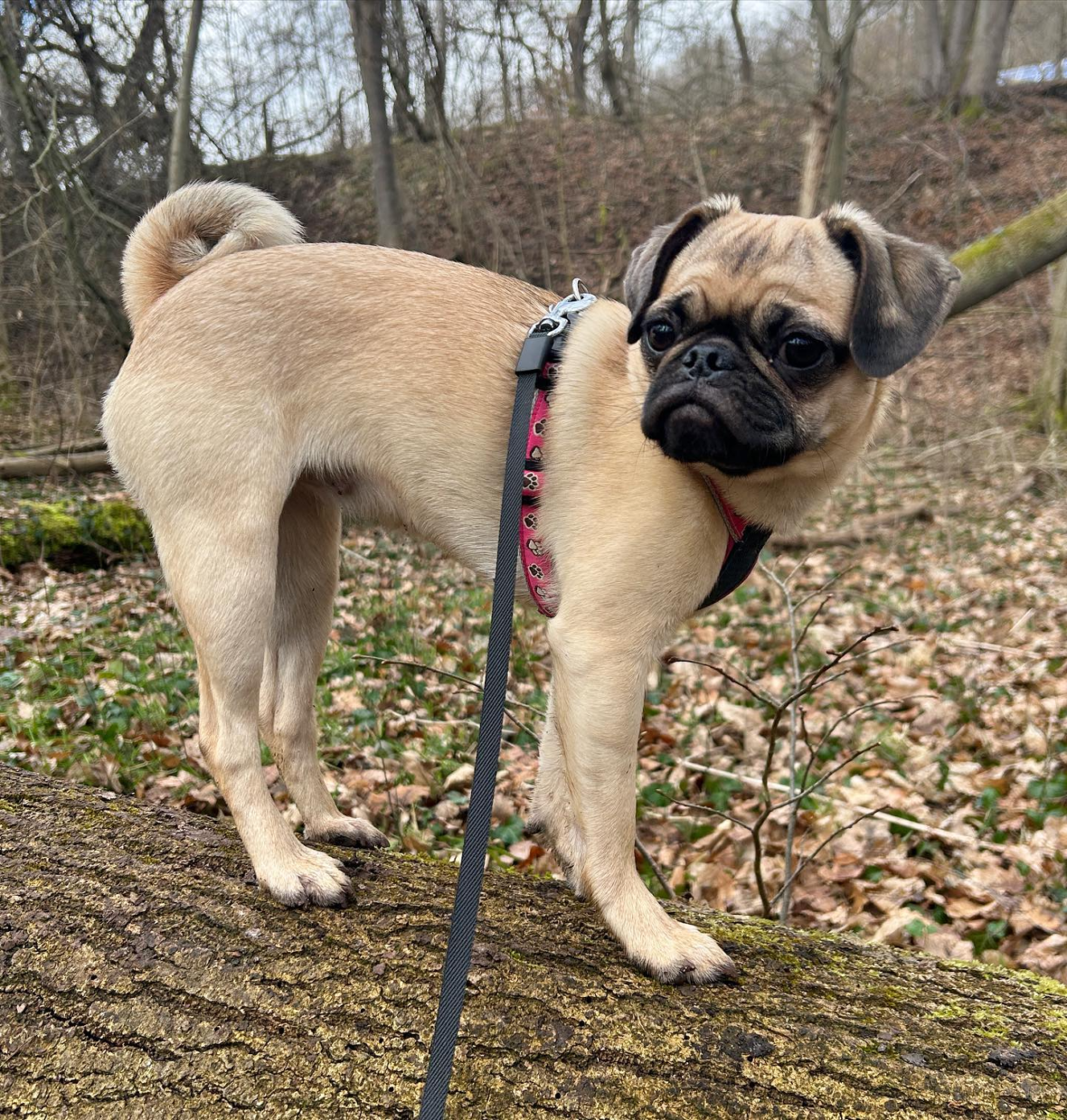
Conformation retro pug refers to the physical build and structural proportions of a longer-muzzled, athletic companion dog.
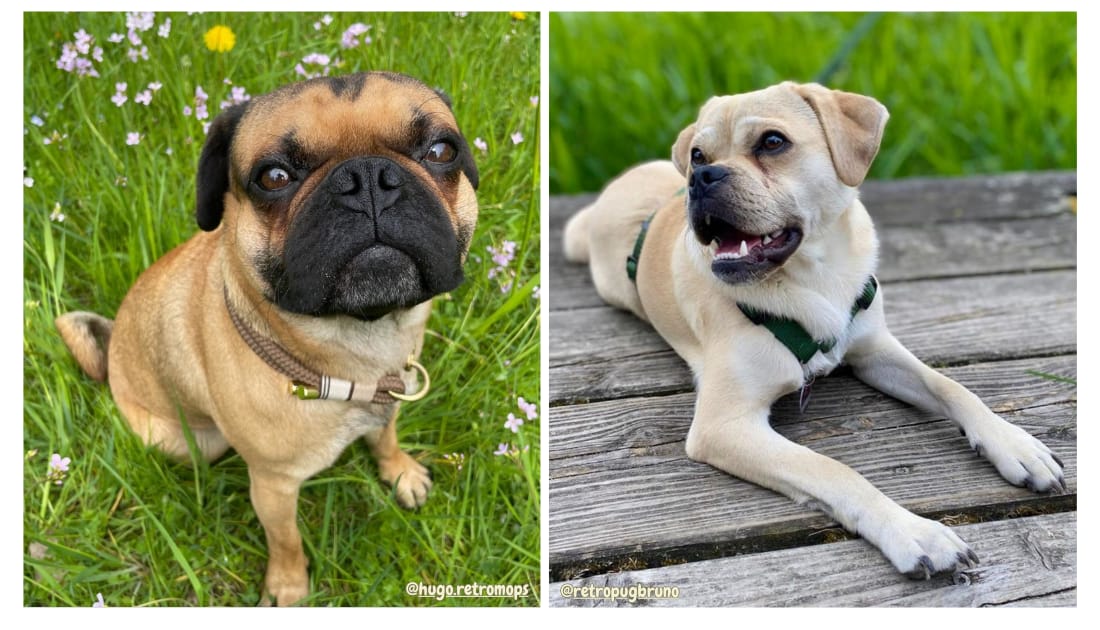
Conformation retro pug describes a physical structure that harks back to historical depictions of the breed before extreme brachycephalic, or short-nosed, features became standard in show rings. This body type typically features a slightly longer muzzle, a more balanced neck-to-back ratio, and a less exaggerated stop, which is the indentation between the skull and nose. Examining this framework involves evaluating skeletal angles, bone density, and overall muscular symmetry. Unlike modern show-standard variants, this athletic conformation prioritizes functional movement and unobstructed airflow over exaggerated facial wrinkles and flat facial profiles. For more related activities, check out our Shia Inu Gedragsproblemen.
The physiological impact of alternative physical structures centers on enhanced respiratory efficiency and joint longevity.
Better airflow and balanced skeletal proportions reduce the physiological strain often associated with extreme brachycephalic traits. When a dog possesses a slightly more extended nasal cavity, air is naturally filtered, cooled, and warmed more effectively before reaching the lungs. Furthermore, balanced angulation in the front and rear limbs distributes impact evenly across the joints during walking and running. Hands-on clinical experience often highlights how dogs with moderate, functional builds experience fewer exercise-induced heat regulation struggles during warmer months compared to their heavily modified counterparts.
Moderate skeletal proportions and functional muzzles significantly decrease the incidence of upper airway resistance syndrome in companion canines — American Veterinary Medical Association
Managing daily care for this distinct physical build involves targeted fitness routines and proactive weight management.
Maintaining an optimal body condition score prevents excess mechanical stress on the skeletal system and preserves long-term joint health. Regular, moderate daily exercise helps build stabilizing musculature around the hips and shoulders, supporting proper structural alignment. Caregivers should focus on consistent leash walks and controlled play sessions rather than high-impact leaping that could compromise developing joints. Additionally, monitoring daily caloric intake is essential because even slight weight gains can alter a balanced silhouette and strain the cardiovascular system.
Avoiding overexertion and overlooking subtle gait changes remain crucial practices for lifelong structural wellbeing.
A common mistake among owners is assuming that a more athletic physical build makes a companion completely immune to heat stress or orthopedic fatigue. Ambient temperatures and humidity levels must always dictate the intensity and duration of outdoor activities, regardless of muzzle length. Furthermore, caregivers should watch for early signs of stiffness or reluctance to climb stairs, which can indicate emerging joint discomfort. Regular tactile assessments—gentle hands-on checks along the spine, ribs, and limb joints—allow observant handlers to detect muscle soreness or minor asymmetries before they progress into chronic mobility challenges.
Routine veterinary evaluations paired with balanced weight management can reduce the progression of early-onset osteoarthritis in medium-boned companion dogs — Association for Pet Obesity Prevention
Pet Care & Wellness Overview Table
| Life Stage | Daily Activity Level | Key Nutrition / Care Focus |
|---|---|---|
| Puppy / Kitten | High (frequent short bursts) | High-protein growth diet & early socialization |
| Adult Companion | Moderate (30–60 mins daily) | Balanced maintenance nutrition & dental hygiene |
| Senior Pets | Low to Gentle (mindful walks) | Joint support (Glucosamine) & routine vet checks |
Images References






Temperament and size considerations closely align with historical companion dog profiles and family-oriented traits.
These dogs generally exhibit a sturdy, compact frame paired with an eager, affectionate disposition suited for various living environments. Their moderate size makes them adaptable to apartment living or spacious suburban homes, provided their daily physical and mental stimulation needs are met. Socialization during early developmental stages ensures they mature into confident, well-adjusted companions capable of navigating diverse social settings. Understanding these behavioral baselines helps owners provide appropriate enrichment that honors the historical working and companion roots of the lineage.
When to consult a vet or professional trainer for structural or behavioral guidance.
Professional veterinary guidance becomes necessary whenever a companion exhibits persistent lameness, unexplained exercise intolerance, or sudden behavioral shifts associated with physical discomfort. Certified trainers or veterinary behaviorists can assist if fear or reactivity interferes with safe socialization and daily management. Never attempt to diagnose complex orthopedic or respiratory conditions without a thorough physical examination by a licensed veterinarian. Early professional intervention ensures that minor structural anomalies or behavioral hesitations receive accurate assessments and effective, humane management strategies.
Embracing balanced canine anatomy through informed and compassionate guardianship practices.
Appreciating the diverse structural variations within companion breeds empowers owners to provide targeted, high-quality care that supports lifelong wellness. Exploring resources on Dog Health and Dog Care helps caregivers stay informed on best practices for everyday maintenance. Understanding the nuances of breed conformation enriches the bond between human and animal, ensuring every companion thrives physically and mentally. Visit PetsAnimalsWorld.com today to discover more expert guides and explore categories dedicated to Dog Breeds and Dog Training.