

Introduction
Canine constipation represents a common gastrointestinal issue that can significantly impact a dog’s comfort and overall health. Understanding the intricacies of constipated dog treatment is crucial for every responsible pet owner. This condition occurs when a dog experiences infrequent, difficult, or incomplete defecation, often resulting in hard, dry stools. While sometimes a minor, temporary inconvenience, prolonged or severe constipation can signal underlying health concerns and cause considerable distress. Proper recognition and timely intervention through effective treatment strategies are paramount to restoring a dog’s digestive regularity, alleviating discomfort, and preventing more serious complications that could detrimentally affect their well-being and quality of life.
💡 Pet Care Key Takeaways:
- Core Focus: Practical health, nutrition, and wellness guidelines for Constipated Dog Treatment.
- Target Scope: Pet owners, animal caregivers, and veterinary support staff.
- Best Recommendation: Maintain consistent daily routines and consult an accredited veterinarian before introducing major diet or medical changes.
Common Causes and Key Factors
Several factors contribute to the development of constipation in dogs, ranging from dietary issues to more complex medical conditions. A primary cause often relates to inadequate fiber intake within a dog’s diet. Diets lacking sufficient roughage can lead to less bulky and softer stools, making elimination difficult. Conversely, the ingestion of indigestible materials, such as excessive bone fragments, hair (especially during grooming), or foreign objects like fabric or toys, can create physical obstructions within the digestive tract. For more related activities, check out our Natural Remedies For Fluid Retention In Dogs Australia.
Dehydration is another significant contributor. Insufficient water consumption results in hard, dry stools that are challenging to pass. Lifestyle elements also play a role; a sedentary lifestyle with a lack of regular exercise can reduce gut motility, slowing down the passage of waste. Similarly, infrequent opportunities for defecation or a stressful elimination environment might cause a dog to withhold stool, leading to hardening over time.
Underlying medical conditions can also precipitate constipation. These include musculoskeletal pain from conditions like arthritis or hip dysplasia, which make posturing for defecation uncomfortable. Neurological disorders affecting nerve impulses to the colon, an enlarged prostate gland in male dogs, tumors or masses in the pelvis or rectum, and anal gland issues can all impede normal bowel function. Certain medications, such as antihistamines, opioids, and diuretics, list constipation as a potential side effect. Age can be a factor, with older dogs often experiencing reduced activity levels, decreased thirst, or developing conditions that predispose them to constipation.
Signs and Symptoms to Observe
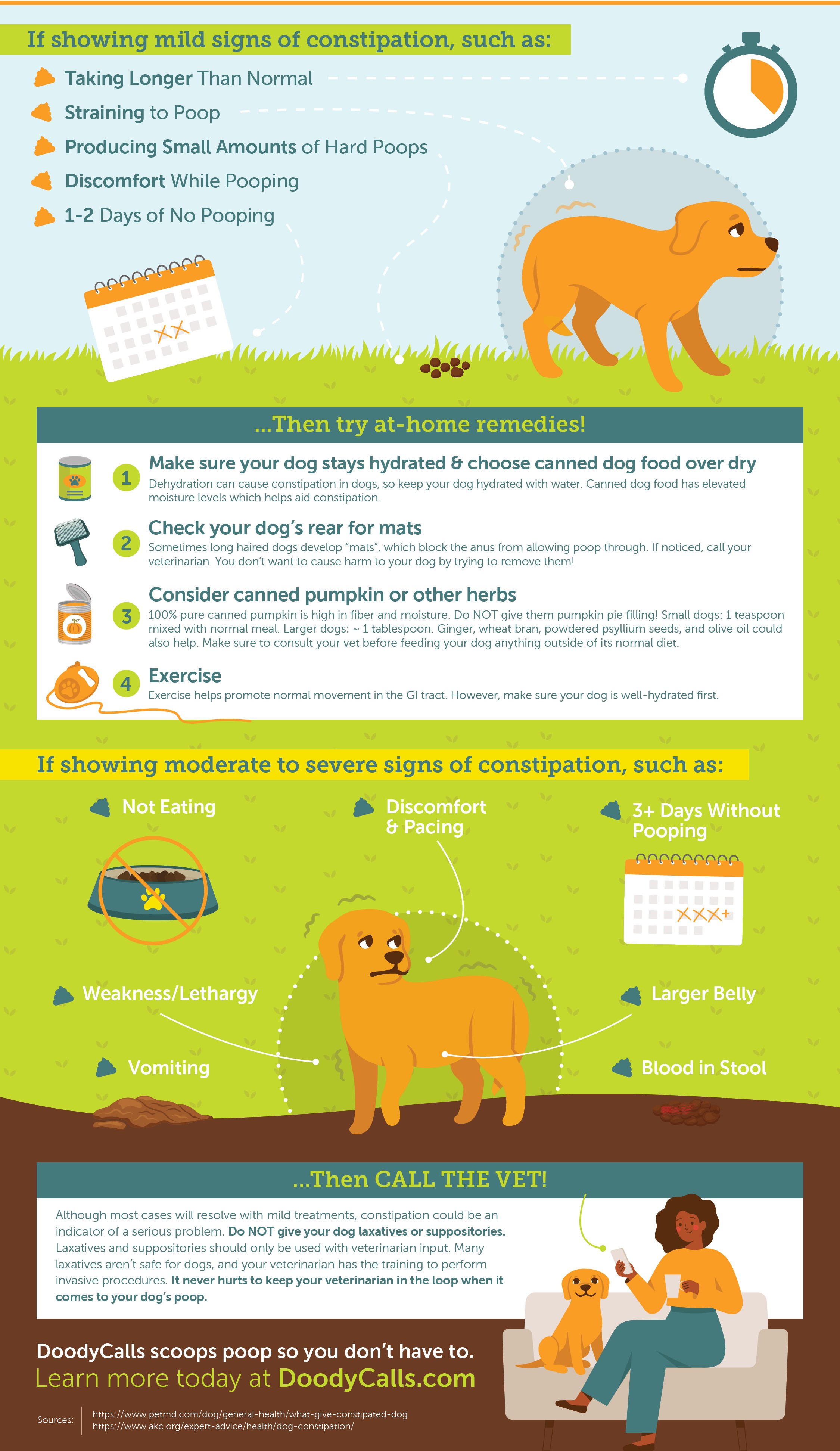
Recognizing the signs of canine constipation early allows for prompt intervention. The most obvious indicator is straining or hunching during attempts to defecate, often without producing any stool or only producing a small amount. This straining may be accompanied by whining or obvious discomfort.
A noticeable decrease in the frequency of bowel movements is another key symptom; a dog that typically defecates two or three times a day might go more than 24 to 48 hours without passing stool. When stools are passed, they are typically hard, dry, and often appear pebble-like. In some cases, a dog might pass small amounts of liquid stool with mucus or blood, which can be mistakenly identified as diarrhea but is often “overflow” around a significant fecal impaction.
Beyond bowel-related signs, general behavioral changes can also indicate constipation. These include lethargy, a loss of appetite, reluctance to play, or a noticeable decrease in energy levels. A dog might also exhibit abdominal pain or discomfort, indicated by a reluctance to be touched on the belly, restlessness, or vocalization. Persistent vomiting can occur in severe cases, especially if a blockage is present or the dog is severely impacted. These signs warrant careful observation, as early detection is crucial for effective constipated dog treatment.
Practical Solutions and Management Strategies
Effective constipated dog treatment often begins with practical adjustments to diet and lifestyle. Dietary modifications are foundational; increasing fiber intake is frequently recommended. Incorporating canned pumpkin (plain, not pie filling), psyllium husk, or high-fiber veterinary diets can add bulk and moisture to stools. Ensuring adequate hydration is equally critical. Encouraging water consumption through fresh, accessible water bowls, water fountains, or adding water or low-sodium broth to meals can significantly soften stools.
Regular, moderate exercise stimulates gut motility and helps promote natural bowel movements. A consistent daily routine, including scheduled walks and ample opportunities to relieve themselves in a calm environment, can also aid in regularity. For dogs with long hair, especially around the hindquarters, regular grooming can prevent fecal matting that might obstruct defecation.
In certain situations, with veterinary guidance, specific supplements or medications might be considered. Probiotics can help support a healthy gut microbiome, while stool softeners or mild laxatives may be prescribed for short-term relief. Never administer human medications or unprescribed treatments, as these can be harmful. Environmental enrichment and stress reduction can also indirectly support digestive health by preventing behavioral reluctance to defecate. Implementing these strategies proactively often forms the cornerstone of preventing and managing mild cases of canine constipation.
When Professional Help May Be Needed
While many instances of canine constipation can be resolved with at-home care, understanding when to seek professional veterinary assistance is crucial for a dog’s health and safety. Veterinary consultation becomes imperative if a dog’s constipation persists for more than 24 to 48 hours despite attempts at dietary and lifestyle adjustments. Prolonged constipation significantly increases the risk of more severe complications, such as fecal impaction or megacolon.
Immediate veterinary attention is necessary if a dog exhibits severe signs of discomfort, such as continuous straining, persistent vomiting, loss of appetite, lethargy, or signs of abdominal pain. The presence of blood in the stool or around the anus, even in small amounts, also warrants professional evaluation. These symptoms could indicate a more serious underlying issue, such as an internal injury, tumor, or severe dehydration.
If a foreign object ingestion is suspected, or if constipation recurs frequently, a veterinarian can conduct a thorough examination, which may include palpation, X-rays, or blood tests, to diagnose any underlying medical conditions. Professional guidance ensures an accurate diagnosis and the most appropriate constipated dog treatment plan, which might involve enemas, manual deobstipation, or specific medication, depending on the cause and severity.
Conclusion
Addressing canine constipation effectively requires a combination of astute observation, proactive care, and timely intervention. Understanding the diverse causes, recognizing the subtle and overt signs, and implementing appropriate constipated dog treatment strategies are all vital for maintaining a dog’s digestive health and overall comfort. From simple dietary adjustments and increased hydration to recognizing when professional veterinary care is indispensable, pet owners play a pivotal role in ensuring their canine companions lead healthy, happy lives free from unnecessary discomfort. Consistent attention to a dog’s habits and open communication with a veterinarian stand as the best defense against this common yet impactful digestive challenge.
Pet Care & Wellness Overview Table
| Life Stage | Daily Activity Level | Key Nutrition / Care Focus |
|---|---|---|
| Puppy / Kitten | High (frequent short bursts) | High-protein growth diet & early socialization |
| Adult Companion | Moderate (30–60 mins daily) | Balanced maintenance nutrition & dental hygiene |
| Senior Pets | Low to Gentle (mindful walks) | Joint support (Glucosamine) & routine vet checks |
Images References




For more expert pet care tips and advice, check out our dedicated Dog Health guides to keep your companions healthy and happy.


