

Introduction
Understanding and addressing a constipated puppy is a vital aspect of responsible pet ownership. A constipated puppy remedy refers to the various approaches and treatments employed to alleviate this common digestive issue in young dogs. Constipation occurs when a puppy has difficulty passing stools, or passes them infrequently, often resulting in discomfort and potential health complications if left unmanaged. This condition can arise for several reasons, including dietary changes, dehydration, or the ingestion of foreign objects. Prompt recognition and appropriate action are crucial for maintaining a puppys health, ensuring proper digestive function, and promoting overall comfort and well-being during their critical developmental stages.
💡 Pet Care Key Takeaways:
- Core Focus: Practical health, nutrition, and wellness guidelines for Constipated Puppy Remedy.
- Target Scope: Pet owners, animal caregivers, and veterinary support staff.
- Best Recommendation: Maintain consistent daily routines and consult an accredited veterinarian before introducing major diet or medical changes.
Common Causes and Key Factors
Several factors can contribute to a constipated puppy, making identification of the root cause essential for effective intervention. Dietary deficiencies or sudden changes in diet are frequent culprits. Puppies require a balanced diet with adequate fiber, and a lack of it can slow down bowel movements. Similarly, the accidental ingestion of non-food items, such as toys, hair, or small pieces of fabric, can create blockages within the digestive tract. For more related activities, check out our Natural Remedies For Fluid Retention In Dogs Australia.
Dehydration plays a significant role in the development of constipation. Insufficient water intake leads to dry, hard stools that are difficult to pass. Lack of regular physical activity also slows down intestinal motility; puppies with limited exercise may experience sluggish digestion.
Environmental stressors or changes, like moving to a new home or separation anxiety, can sometimes manifest as digestive upset, including constipation, due to their impact on a puppy’s overall physiological balance. In rare instances, underlying medical conditions such as neurological issues, enlarged prostate (in male puppies), anal gland problems, or certain medications can contribute to difficulty in defecation. Regular observation of a puppy’s habits and environment is key to pinpointing potential causes.
Signs and Symptoms to Observe
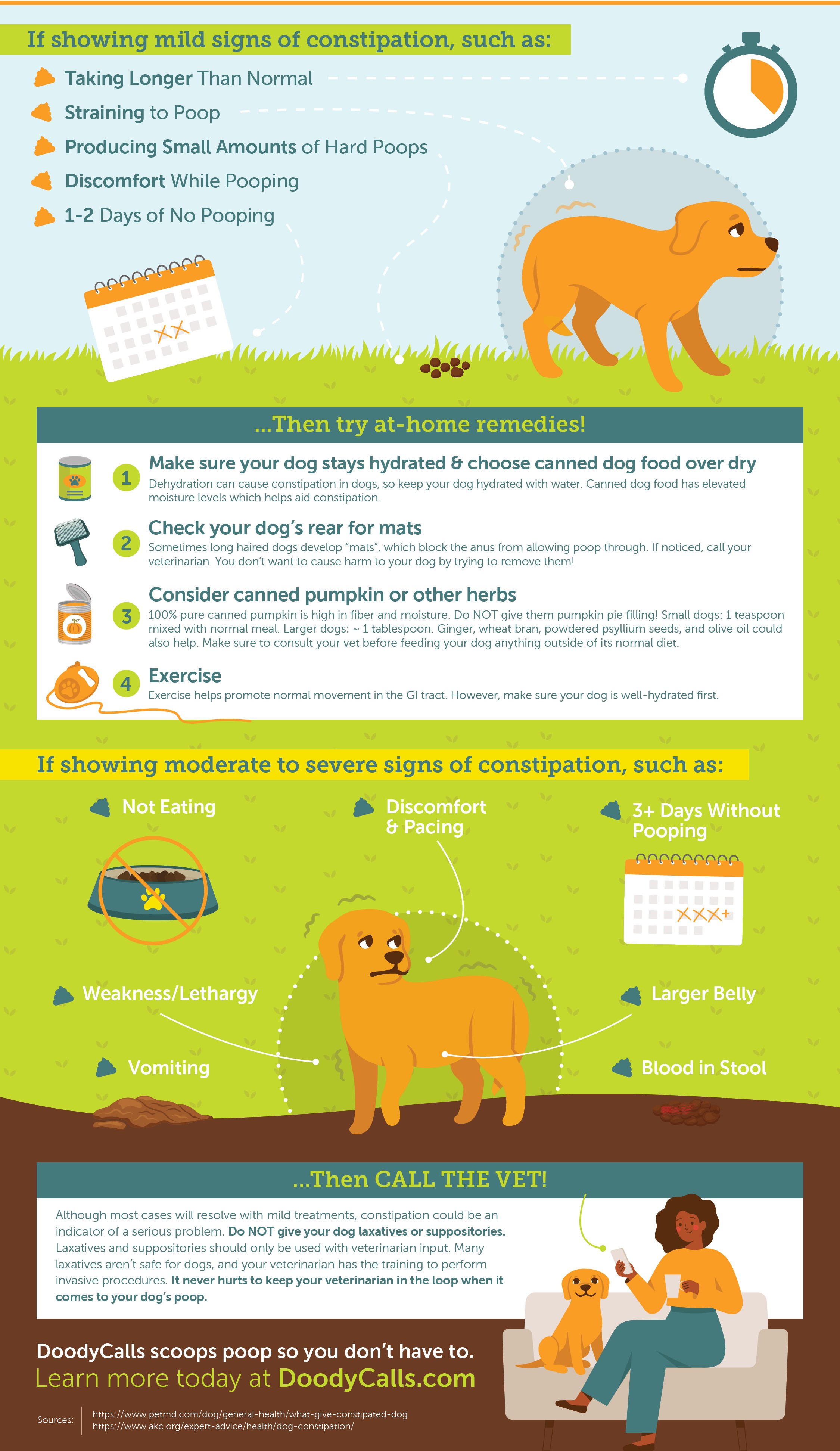
Recognizing the signs and symptoms of a constipated puppy is the first step toward providing appropriate care. The most obvious indicator is straining or hunching over excessively when attempting to defecate, often without producing any stool or only producing a very small amount. A puppy might cry or whimper during these attempts, signaling discomfort or pain.
Changes in bowel movement frequency are also crucial to note. A puppy might go for more than 24 to 48 hours without passing any stool. When stools are passed, they tend to be hard, dry, and small, sometimes resembling pebbles. In severe cases, a puppy may exhibit a distended or tender abdomen upon touch, indicating internal discomfort.
Beyond direct fecal indicators, general changes in behavior can also signal constipation. Reduced appetite, lethargy, a decrease in playful energy, or even occasional vomiting can be secondary symptoms stemming from digestive distress. While these signs are generally consistent across breeds, very young puppies or those with sensitive digestive systems might display symptoms more acutely or develop complications more rapidly.
Practical Solutions and Management Strategies
When a puppy exhibits signs of constipation, several practical remedies and management strategies can be implemented, often starting with simple adjustments. Ensuring consistent hydration is paramount; fresh, clean water must always be available. Adding a small amount of water to kibble can also help soften the food and increase fluid intake.
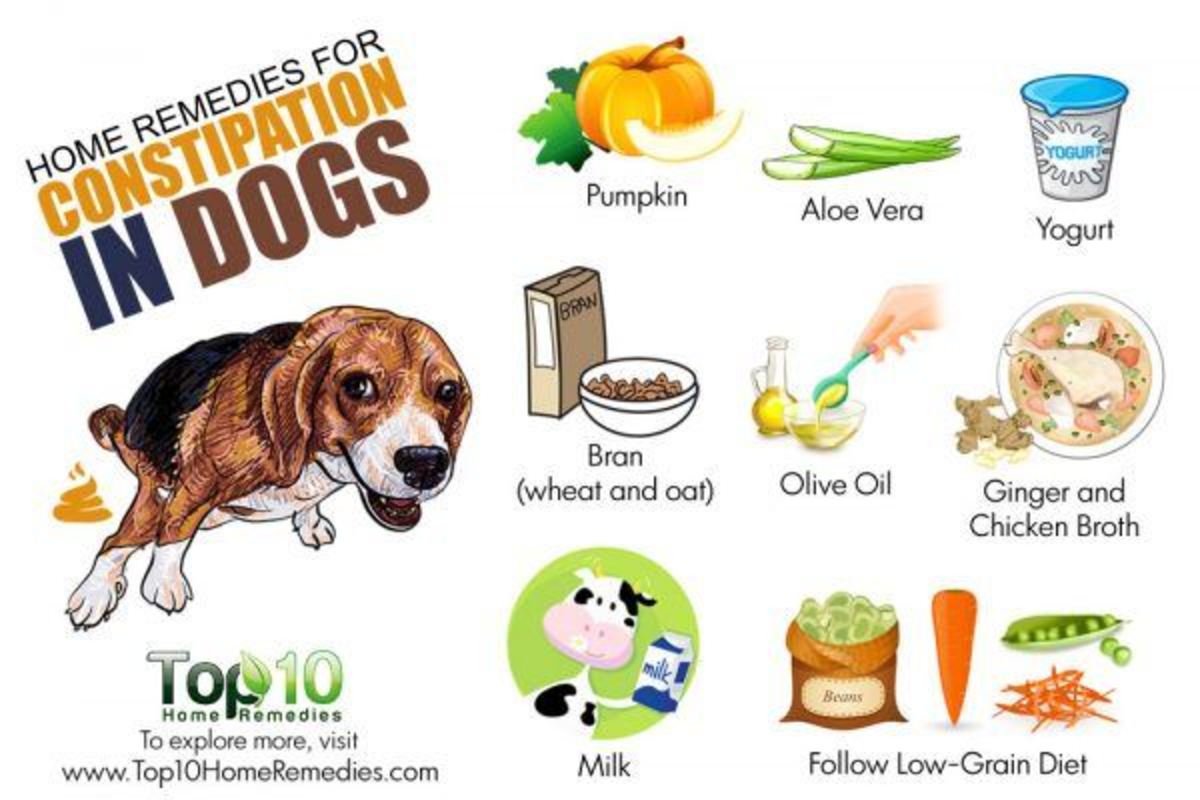
Dietary modifications frequently serve as an effective constipated puppy remedy. Incorporating a small amount of plain, unsweetened canned pumpkin (not pumpkin pie filling) into a puppy’s food can provide a natural fiber boost. Cooked sweet potato, in moderation, also offers dietary fiber. It is important to introduce any new food gradually to avoid further digestive upset. For persistent issues, a veterinarian might recommend a specialized high-fiber puppy diet.
Regular, gentle exercise is beneficial for stimulating bowel movements and maintaining digestive health. Short, consistent walks and play sessions encourage the natural movement of the intestines. In some cases, a gentle abdominal massage can also help stimulate bowel activity. Pet-specific probiotics, when recommended by a veterinarian, can help balance gut flora and improve digestive function. It is important to avoid human laxatives or unprescribed medications, as these can be dangerous for puppies.
When Professional Help May Be Needed
While many cases of puppy constipation can be resolved with home care and dietary adjustments, there are specific situations where veterinary consultation becomes indispensable. If a puppy has not passed stool for more than 24-48 hours, or if home remedies do not yield improvement within a day, professional evaluation is warranted.
Immediate veterinary attention is required if a puppy exhibits severe pain, persistent straining with no results, frequent vomiting, extreme lethargy, loss of appetite, or a noticeably distended or hard abdomen. These symptoms could indicate a more serious underlying issue, such as an intestinal blockage, which requires prompt medical intervention.
Additionally, if blood is observed in or around the puppy’s stool, or if a puppy has a history of other health conditions, it is crucial to seek veterinary advice. A veterinarian can accurately diagnose the cause of constipation, rule out serious conditions, and recommend appropriate medical treatments, which may include prescribed stool softeners, enemas, or other interventions to ensure the puppy’s safety and recovery.
Conclusion
Addressing a constipated puppy requires a combination of attentive observation, proactive care, and timely intervention. Understanding the common causes, recognizing the tell-tale signs, and implementing appropriate practical solutions are fundamental aspects of managing this condition. Ensuring adequate hydration, providing a balanced diet rich in fiber, and promoting regular exercise are key preventative measures and effective remedies. While many instances of puppy constipation can be managed at home, recognizing when to seek professional veterinary assistance is crucial for preventing serious complications. Diligent attention to a puppy’s digestive health contributes significantly to their overall well-being and fosters a happier, healthier companion for years to come.
Pet Care & Wellness Overview Table
| Life Stage | Daily Activity Level | Key Nutrition / Care Focus |
|---|---|---|
| Puppy / Kitten | High (frequent short bursts) | High-protein growth diet & early socialization |
| Adult Companion | Moderate (30–60 mins daily) | Balanced maintenance nutrition & dental hygiene |
| Senior Pets | Low to Gentle (mindful walks) | Joint support (Glucosamine) & routine vet checks |
Images References




For more expert pet care tips and advice, check out our dedicated Dog Health guides to keep your companions healthy and happy.


