

Introduction
Diarrhea is a common and often distressing condition for dogs and their caregivers. While sometimes a fleeting issue, it can signal more significant health concerns, making an understanding of diarrhea medication for dogs crucial. This topic encompasses various approaches to managing canine gastrointestinal upset, from supportive care to prescribed treatments. Recognizing when and how to address diarrhea can significantly impact a dog’s comfort, prevent dehydration, and avoid the progression of underlying issues. An informed approach to this frequent ailment contributes directly to a dog’s overall well-being and quality of life.
💡 Pet Care Key Takeaways:
- Core Focus: Practical health, nutrition, and wellness guidelines for Diarrhea Medication For Dogs.
- Target Scope: Pet owners, animal caregivers, and veterinary support staff.
- Best Recommendation: Maintain consistent daily routines and consult an accredited veterinarian before introducing major diet or medical changes.
Common Causes and Key Factors
Understanding the underlying causes of canine diarrhea is paramount before considering diarrhea medication for dogs. Diarrhea can stem from numerous factors, often falling into categories related to diet, stress, infections, or systemic illnesses. Dietary indiscretion, which involves consuming inappropriate food items, garbage, or even plants, frequently triggers acute episodes. Sudden changes in a dog’s regular diet or sensitivity to certain ingredients can also lead to gastrointestinal upset. For more related activities, check out our Signs Of A Deaf Dog Behavior Problems And Solutions.
Stress and anxiety, perhaps due to environmental changes, separation, or loud noises, are known to affect a dog’s digestive system. Parasitic infections, such as those caused by worms, Giardia, or Coccidia, are another prevalent cause, particularly in puppies or dogs with compromised immune systems. Bacterial or viral infections, including canine parvovirus or various bacterial overgrowths, can also manifest with severe diarrheal symptoms.
Beyond these common culprits, more serious medical conditions like inflammatory bowel disease (IBD), pancreatitis, kidney disease, liver disease, or certain types of cancer can present with chronic or recurrent diarrhea. Furthermore, some medications, especially antibiotics, can disrupt the gut’s natural bacterial balance, leading to temporary diarrhea as a side effect. Identifying these root causes is a critical step in determining the most effective course of action, which may or may not involve specific diarrhea medication for dogs.
Signs and Symptoms to Observe
Observing the specific signs and symptoms accompanying diarrhea provides valuable insights into its severity and potential cause, guiding decisions regarding diarrhea medication for dogs. Diarrhea itself is characterized by loose, watery, or unformed stools, often passed with increased frequency and urgency. The color and consistency of the stool can offer clues; for instance, black, tarry stools might indicate bleeding higher in the digestive tract, while bright red blood suggests bleeding closer to the rectum. Mucus in the stool can point to inflammation of the large intestine.
Beyond the stool itself, several other indicators warrant attention. Vomiting frequently accompanies diarrhea, increasing the risk of dehydration. A dog might exhibit lethargy, reduced energy levels, or a general disinterest in food or play. Signs of dehydration can include sunken eyes, a dry nose, or a loss of skin elasticity. Abdominal pain, evidenced by a hunched posture, sensitivity to touch around the belly, or restless pacing, suggests discomfort. In some cases, a dog might also develop a fever.
The duration and progression of these symptoms are also important. Acute diarrhea that resolves quickly may be less concerning than chronic or intermittent episodes that persist for days or weeks. Puppies and senior dogs are particularly vulnerable to the effects of dehydration and require more immediate attention. A thorough assessment of these signs helps veterinarians diagnose the problem and recommend appropriate diarrhea medication for dogs or other interventions.
Practical Solutions and Management Strategies
Managing canine diarrhea often involves a multi-faceted approach, beginning with supportive home care and progressing to veterinary-prescribed diarrhea medication for dogs when necessary. For mild, acute cases, an initial strategy often includes a brief fast, typically 12-24 hours for adult dogs, allowing the digestive tract to rest. During this time, constant access to fresh water is critical to prevent dehydration.
Following a fast, a bland diet consisting of boiled, plain chicken (skinless, boneless) and white rice is frequently recommended. Small, frequent meals help to ease the digestive system back into normal function. Plain canned pumpkin puree (not pie filling) can also be added as a source of fiber to help firm up stools. Probiotics specifically formulated for dogs can be beneficial in restoring a healthy balance of gut flora, especially after dietary upset or antibiotic use.
When home remedies are insufficient or symptoms are severe, veterinary intervention is crucial. A veterinarian may prescribe various types of diarrhea medication for dogs depending on the diagnosis. These can include anti-diarrheal agents that help slow gut motility or absorb toxins, antibiotics for bacterial infections, or anti-parasitics for parasitic infestations. Anti-inflammatory medications might be used for conditions like inflammatory bowel disease, while gastroprotectants can soothe irritated stomach lining. It is imperative that any medication be administered under the direct guidance of a veterinarian to ensure proper dosage and suitability for the dog’s specific condition.
When Professional Help May Be Needed
While many instances of canine diarrhea can resolve with basic home care, recognizing when to seek professional veterinary assistance is paramount for a dog’s health and safety. Delaying veterinary consultation can lead to serious complications, especially for vulnerable animals.
Immediate veterinary attention is warranted if diarrhea persists for more than 24-48 hours, despite home care measures. Other red flags include the presence of severe symptoms such as repeated vomiting, extreme lethargy, significant weakness, or signs of abdominal pain. The appearance of blood (fresh red or dark, tarry) or large amounts of mucus in the stool is also a serious concern.
Puppies, senior dogs, and those with pre-existing health conditions (e.g., diabetes, kidney disease, heart disease) are at a higher risk of rapid dehydration and complications from diarrhea, necessitating prompt veterinary evaluation. If there is any suspicion that a dog has ingested a toxin or foreign object, professional help should be sought immediately. A veterinarian can accurately diagnose the underlying cause, provide necessary fluid therapy to combat dehydration, and prescribe appropriate diarrhea medication for dogs or other treatments tailored to the specific situation.
Conclusion
Understanding diarrhea medication for dogs and the broader management of canine gastrointestinal upset is an essential aspect of responsible pet ownership. From recognizing the diverse causes of diarrhea to observing key symptoms, an informed approach can significantly impact a dog’s health and comfort. While mild cases may respond to supportive home care, the importance of veterinary consultation for persistent or severe symptoms cannot be overstated. Prompt diagnosis and appropriate treatment, which may involve specific diarrhea medication for dogs or other interventions, are crucial for preventing complications and ensuring a swift recovery. By remaining observant and proactive, caregivers play a vital role in maintaining their canine companions’ digestive health and overall well-being.
Pet Care & Wellness Overview Table
| Life Stage | Daily Activity Level | Key Nutrition / Care Focus |
|---|---|---|
| Puppy / Kitten | High (frequent short bursts) | High-protein growth diet & early socialization |
| Adult Companion | Moderate (30–60 mins daily) | Balanced maintenance nutrition & dental hygiene |
| Senior Pets | Low to Gentle (mindful walks) | Joint support (Glucosamine) & routine vet checks |
Images References

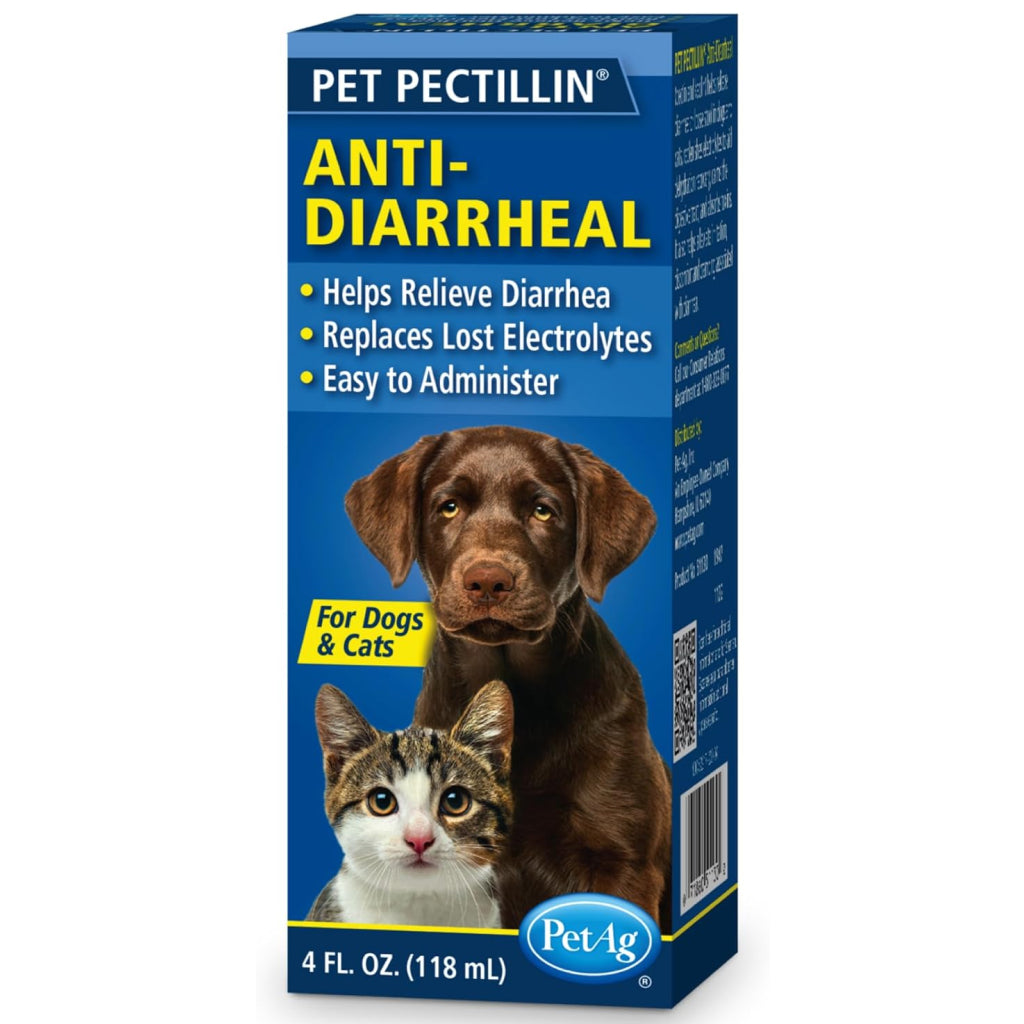


For more expert pet care tips and advice, check out our dedicated Dog Health guides to keep your companions healthy and happy.


