

Introduction
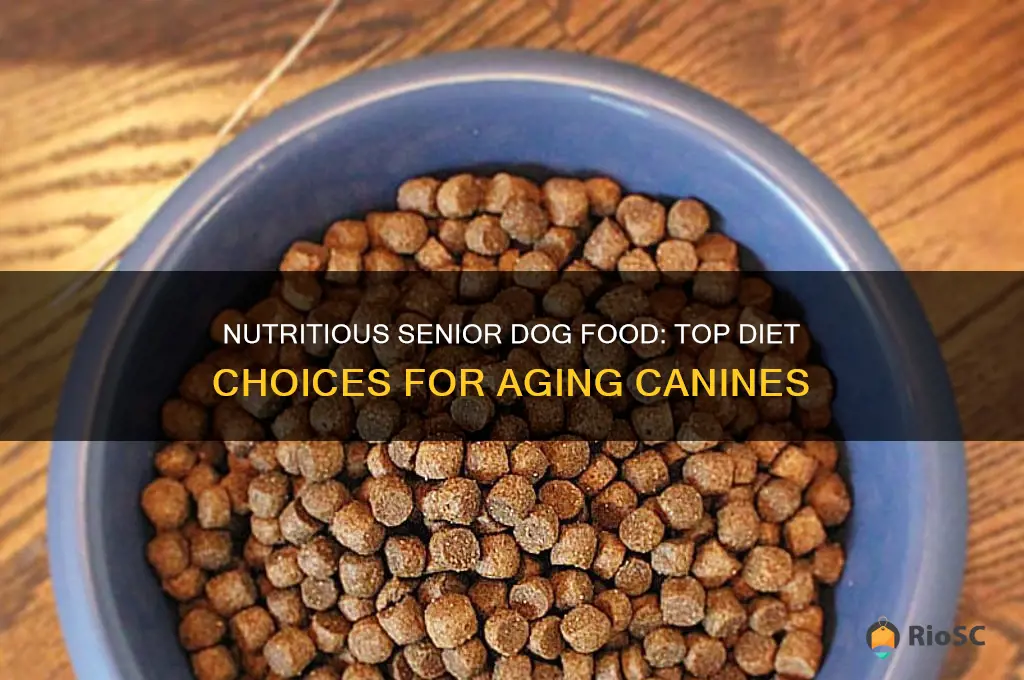
As dogs transition into their golden years, their nutritional requirements undergo significant changes. Understanding the role of specialized “diet dog food for senior dogs” becomes paramount for maintaining their health and vitality. This specific type of canine nutrition is formulated to address the metabolic slowdown, reduced activity levels, and age-related health concerns common in older canines. The shift to a senior-appropriate diet is often necessary when a dog reaches approximately seven years of age, though this can vary by breed and size. Recognizing the importance of this dietary adjustment can profoundly improve a senior dogs well-being, mitigate the onset of common age-related ailments, and enhance overall quality of life during their later years.
💡 Pet Care Key Takeaways:
- Core Focus: Practical health, nutrition, and wellness guidelines for Diet Dog Food For Senior Dogs.
- Target Scope: Pet owners, animal caregivers, and veterinary support staff.
- Best Recommendation: Maintain consistent daily routines and consult an accredited veterinarian before introducing major diet or medical changes.
Common Causes and Key Factors
Several physiological changes in aging dogs necessitate a specialized diet. One primary factor is a decrease in metabolic rate. As dogs age, their bodies burn calories less efficiently, leading to a tendency for weight gain even with consistent food intake. Reduced physical activity, often due to conditions like arthritis or general decreased energy, further contributes to this caloric imbalance. For more related activities, check out our “Fortiflora” And “Gut Health”.
Joint health is another critical consideration. Many senior dogs experience osteoarthritis, making mobility challenging. Specialized senior formulas often include ingredients like glucosamine and chondroitin to support joint cartilage. Dental health can also deteriorate, making it difficult for older dogs to chew hard kibble, which prompts the need for softer or more easily digestible formulations.
Furthermore, organ function, particularly of the kidneys and liver, may decline with age. Diet dog food for senior dogs often features controlled levels of protein and phosphorus to reduce the workload on these organs. Digestive systems can also become more sensitive, requiring highly digestible ingredients and increased fiber content to promote regularity and nutrient absorption. Antioxidants are frequently included to support the immune system, which can weaken with age, and to combat cellular damage.
Signs and Symptoms to Observe
Owners can observe several signs that indicate a senior dog might benefit from a change to a specialized diet. One of the most common indicators is unexplained weight gain, even without an increase in food portions, suggesting a slower metabolism. Conversely, some older dogs may experience unexplained weight loss, which could point to malabsorption or underlying health issues, necessitating a nutrient-dense yet easily digestible food.
Decreased energy levels, reluctance to play or go for walks, and difficulty getting up or lying down can signal joint pain or muscle loss, highlighting the need for dietary support for mobility. Changes in coat quality, such as dullness or excessive shedding, may indicate nutritional deficiencies or compromised skin health. Digestive upset, including frequent vomiting, diarrhea, or constipation, suggests a need for a more digestible formula with appropriate fiber content.
Behavioral changes such as reduced appetite or pickiness with food could also be a sign of dental discomfort or a general decline in the sense of smell and taste. Monitoring these subtle changes provides valuable insight into a senior dogs evolving nutritional needs, which can vary based on their specific breed and individual health status.
Practical Solutions and Management Strategies
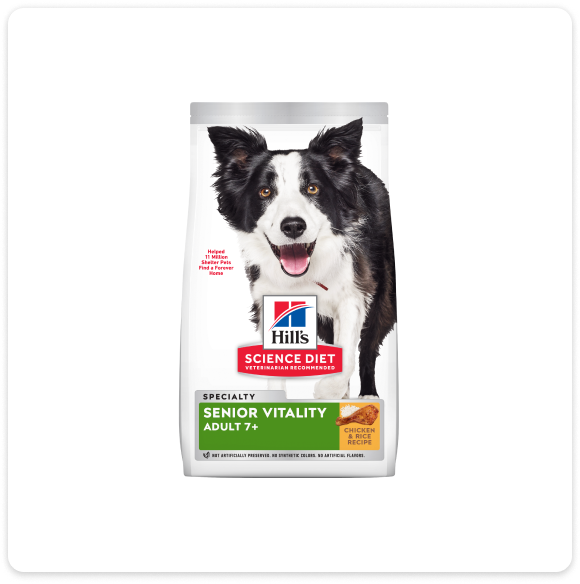
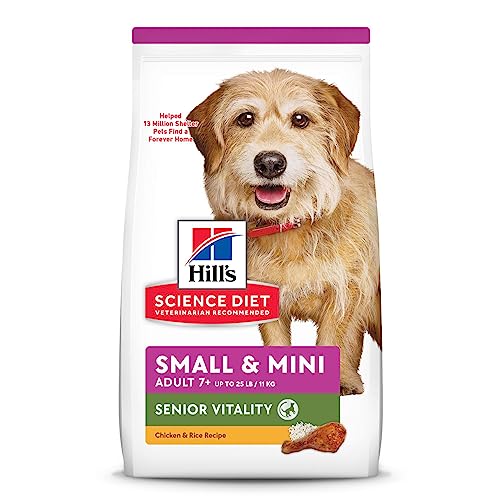
Transitioning to a diet dog food for senior dogs involves careful selection and consistent management. The ideal senior formula typically features reduced calorie content to prevent obesity, moderate protein levels from high-quality, digestible sources to maintain muscle mass without overworking kidneys, and an increased fiber content to support digestive health and promote satiety.
Many senior-specific foods also incorporate joint-supporting ingredients such as glucosamine, chondroitin, and omega-3 fatty acids, which possess anti-inflammatory properties beneficial for arthritic joints. Antioxidants, like vitamins E and C, are often added to bolster the immune system and protect against cellular aging. Some formulations might also include specific ingredients to support cognitive function, such as MCTs (medium-chain triglycerides).
Portion control is crucial. Even with a reduced-calorie formula, overfeeding can lead to weight gain. Following the manufacturers feeding guidelines, adjusted for an individual dogs activity level and ideal weight, is essential. Feeding smaller, more frequent meals can also aid digestion in older dogs. Ensuring constant access to fresh water is also vital, especially with increased fiber intake. Regular monitoring of the dogs weight, body condition, and overall demeanor helps in adjusting the diet as necessary to maintain optimal health.
When Professional Help May Be Needed
While general guidelines for feeding senior dogs exist, individual needs can vary significantly. A veterinary consultation is highly recommended before making any drastic dietary changes. A veterinarian can assess the senior dogs current health status, identify any underlying medical conditions like kidney disease, diabetes, or severe arthritis, and provide tailored dietary recommendations.
Professional guidance is particularly important if a senior dog experiences sudden or unexplained weight changes, persistent digestive issues, or a noticeable decline in energy or mobility. These symptoms may require not just a diet change but also specific medical interventions. A veterinarian can help formulate a comprehensive health plan that integrates diet with other treatments, ensuring the best possible outcome for the aging canine companion. Regular check-ups allow for ongoing assessment and adjustment of the diet as the dogs health evolves.
Conclusion
The journey through a dog’s senior years requires a proactive and informed approach, particularly regarding nutrition. Recognizing the profound impact of “diet dog food for senior dogs” is a fundamental aspect of providing attentive care. By understanding the physiological changes that accompany aging, observing key signs, and implementing appropriate dietary strategies, owners can significantly enhance their senior dogs comfort, health, and happiness. Awareness, consistent observation, and a willingness to adapt care as needs change are vital. Prioritizing specialized nutrition ensures senior canine companions can enjoy a healthy, active, and fulfilling life well into their golden years, a testament to responsible and loving pet ownership.
Pet Care & Wellness Overview Table
| Life Stage | Daily Activity Level | Key Nutrition / Care Focus |
|---|---|---|
| Puppy / Kitten | High (frequent short bursts) | High-protein growth diet & early socialization |
| Adult Companion | Moderate (30–60 mins daily) | Balanced maintenance nutrition & dental hygiene |
| Senior Pets | Low to Gentle (mindful walks) | Joint support (Glucosamine) & routine vet checks |
Images References





For more expert pet care tips and advice, check out our dedicated Dog Nutrition guides to keep your companions healthy and happy.




