

Introduction
The term “diet dog food” refers to specialized canine nutrition formulated to help dogs manage their weight, address specific health conditions, or maintain an optimal body condition. This category of dog food is distinct from standard adult maintenance formulas, as it is designed with altered caloric density, macronutrient ratios, and fiber content to achieve particular health outcomes. Understanding diet dog food is crucial for dog owners, especially given the rising prevalence of canine obesity and the increasing awareness of diet-related health issues in companion animals. When a dog carries excess weight or has specific metabolic needs, a carefully selected diet dog food becomes a cornerstone of its health management plan. Properly implementing such a diet can significantly improve a dogs mobility, energy levels, organ function, and overall quality of life, potentially extending its lifespan and preventing the onset or progression of numerous health complications.
💡 Pet Care Key Takeaways:
- Core Focus: Practical health, nutrition, and wellness guidelines for Diet Dog Food.
- Target Scope: Pet owners, animal caregivers, and veterinary support staff.
- Best Recommendation: Maintain consistent daily routines and consult an accredited veterinarian before introducing major diet or medical changes.
Common Causes and Key Factors
The necessity for diet dog food typically arises from several common factors, often interconnected. Canine obesity stands as a primary driver, frequently stemming from an imbalance between caloric intake and energy expenditure. Overfeeding, whether through excessive portion sizes, frequent high-calorie treats, or supplementing with human food scraps, contributes significantly to weight gain. A sedentary lifestyle, characterized by insufficient daily exercise or play, further exacerbates this energy imbalance. For more related activities, check out our “Fortiflora” And “Gut Health”.
Beyond lifestyle, certain biological and environmental factors play a crucial role. Genetic predispositions vary widely among breeds, with some breeds being more prone to weight gain than others. Age is another significant factor; as dogs mature, their metabolism naturally slows, and their activity levels may decrease, necessitating a reduction in caloric intake or a switch to a less energy-dense diet. Hormonal changes following spaying or neutering can also impact a dog’s metabolism, increasing the propensity for weight gain. Furthermore, underlying medical conditions such as hypothyroidism or Cushing’s disease can lead to weight gain despite appropriate feeding, underscoring the importance of veterinary assessment.
Signs and Symptoms to Observe
Identifying the need for diet dog food often begins with recognizing specific signs and symptoms indicating a dog is overweight or struggling with a diet-related issue. The most evident sign is visual: an inability to easily feel a dog’s ribs without applying significant pressure, the absence of a discernible waist when viewed from above, and a sagging abdomen are clear indicators of excess body fat. Body condition scoring charts, readily available from veterinary sources, provide a more objective assessment.
Behavioral changes are also common. An overweight dog may exhibit reduced activity levels, appearing lethargic or showing a decreased willingness to engage in play, walks, or other forms of exercise. Difficulty rising, reluctance to jump, or lameness can signal increased strain on joints, a common consequence of carrying extra weight. Heavy panting after minimal exertion, even in cool temperatures, can indicate cardiovascular stress or compromised respiratory function. Other signs might include changes in coat quality, increased skin fold issues, or altered digestive patterns. These indicators can vary based on a dog’s age, breed, and overall health status, making careful observation and regular health checks invaluable.
Practical Solutions and Management Strategies
Managing a dog’s weight or addressing specific dietary needs with diet dog food requires a structured and consistent approach. The initial and most crucial step involves a thorough veterinary consultation. A veterinarian can accurately assess a dog’s body condition, rule out underlying medical causes for weight gain, and establish a target weight and a safe, effective weight loss plan. This plan will often include a recommendation for a specific diet dog food.
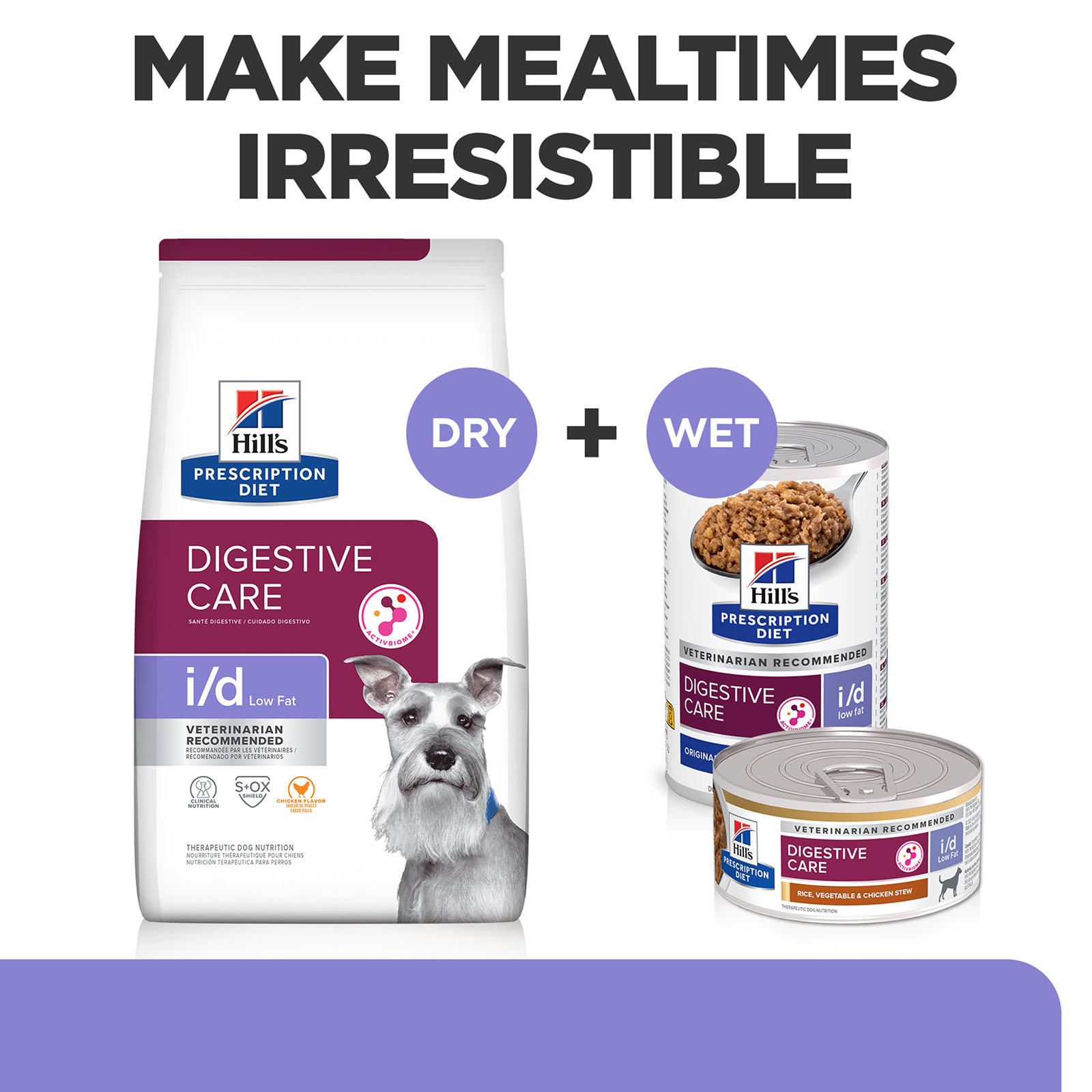
Choosing the appropriate diet dog food is paramount. These specialized formulas typically feature reduced caloric density, lower fat content, and higher fiber to promote satiety while supporting lean muscle mass with adequate protein. Prescription diet foods are often available for specific medical conditions such as diabetes or kidney disease. Dog owners should carefully read food labels, focusing on caloric information and guaranteed analysis, and always adhere strictly to the veterinarian’s feeding guidelines, which are usually based on the dog’s ideal weight rather than its current weight. Precise portion control, using a measuring cup or a kitchen scale, is essential, as even small overestimations can hinder progress.
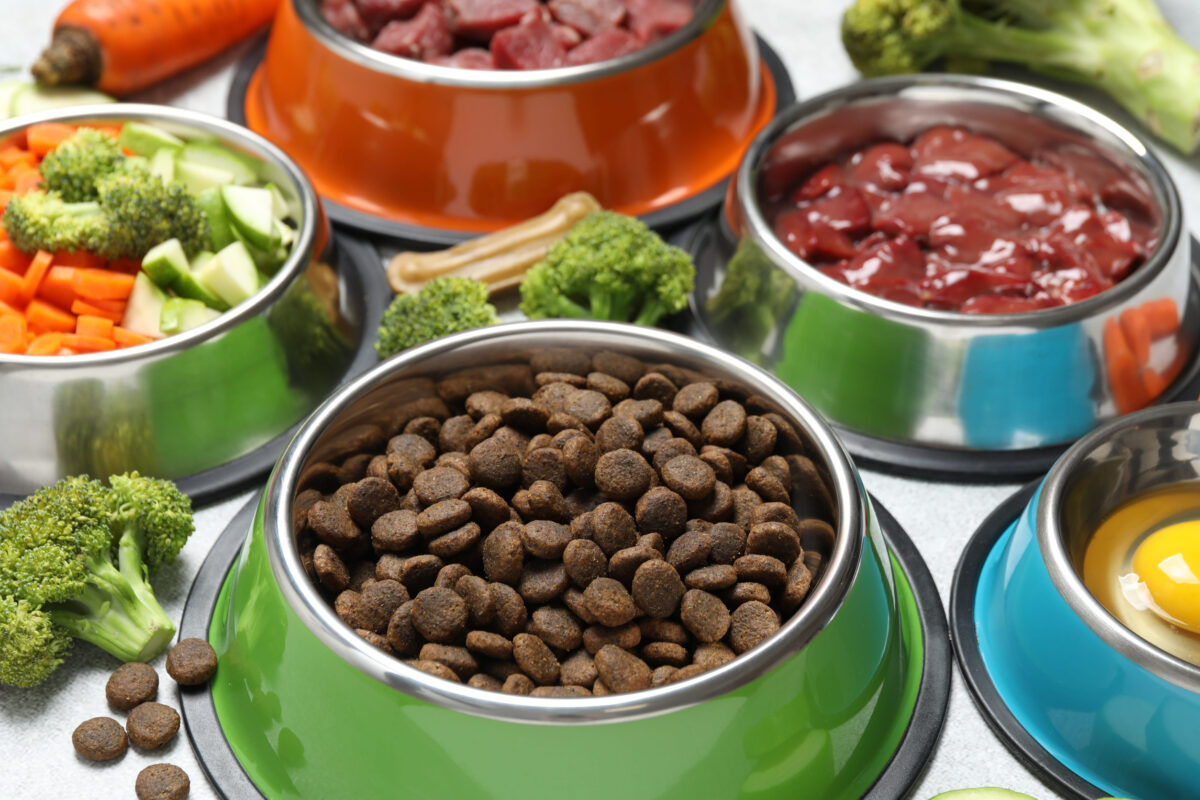
Alongside dietary adjustments, incorporating a consistent and appropriate exercise regimen is vital. This should be introduced gradually, tailored to the dog’s current physical condition and breed, and progressively increased as fitness improves. Regular walks, supervised playtime, and mentally stimulating activities contribute to burning calories and maintaining muscle tone. Furthermore, replacing high-calorie treats with low-calorie alternatives like certain vegetables (e.g., carrots, green beans) or small pieces of the dog’s daily diet food can help manage caloric intake without depriving the dog of rewards. Consistent monitoring of the dog’s weight and body condition ensures the management strategy remains effective and allows for timely adjustments.
When Professional Help May Be Needed
While many dog owners can successfully manage their canine companion’s weight with diligent home care and diet dog food, there are specific situations where professional veterinary or training support becomes indispensable. A veterinarian’s expertise is crucial if a dog exhibits persistent weight gain despite consistent efforts to reduce caloric intake and increase exercise. This could indicate an underlying medical condition, such as hypothyroidism or insulin resistance, which requires specific veterinary intervention and often a prescription diet.
Professional guidance is also advisable when a dog has significant pre-existing health issues, such as severe arthritis, heart conditions, or diabetes. These conditions necessitate a carefully tailored diet and exercise plan to avoid exacerbating health problems. A veterinarian can provide precise caloric targets, recommend specialized diet dog food formulas, and help develop a safe exercise routine that minimizes strain. Furthermore, if behavioral issues related to food, such as extreme begging, resource guarding, or anxiety around meal times, arise during dietary changes, consulting a certified professional dog trainer or a veterinary behaviorist can provide effective strategies to manage these challenges without compromising the diet plan.
Conclusion
The strategic use of diet dog food, coupled with appropriate lifestyle adjustments, forms a critical component of responsible dog ownership, particularly for dogs prone to weight gain or those with specific health considerations. Understanding what diet dog food entails, recognizing the factors that necessitate its use, and observing the signs of an unhealthy weight are fundamental steps toward ensuring a dog’s long-term well-being. Through diligent observation, consistent application of dietary management strategies, and a collaborative approach with veterinary professionals, dog owners can proactively support their canine companions in achieving and maintaining an optimal body condition. This commitment not only contributes to a dog’s physical health and vitality but also enriches the shared bond, allowing for a more active, joyful, and extended life together.
Pet Care & Wellness Overview Table
| Life Stage | Daily Activity Level | Key Nutrition / Care Focus |
|---|---|---|
| Puppy / Kitten | High (frequent short bursts) | High-protein growth diet & early socialization |
| Adult Companion | Moderate (30–60 mins daily) | Balanced maintenance nutrition & dental hygiene |
| Senior Pets | Low to Gentle (mindful walks) | Joint support (Glucosamine) & routine vet checks |
Images References




For more expert pet care tips and advice, check out our dedicated Dog Nutrition guides to keep your companions healthy and happy.




