
Introduction
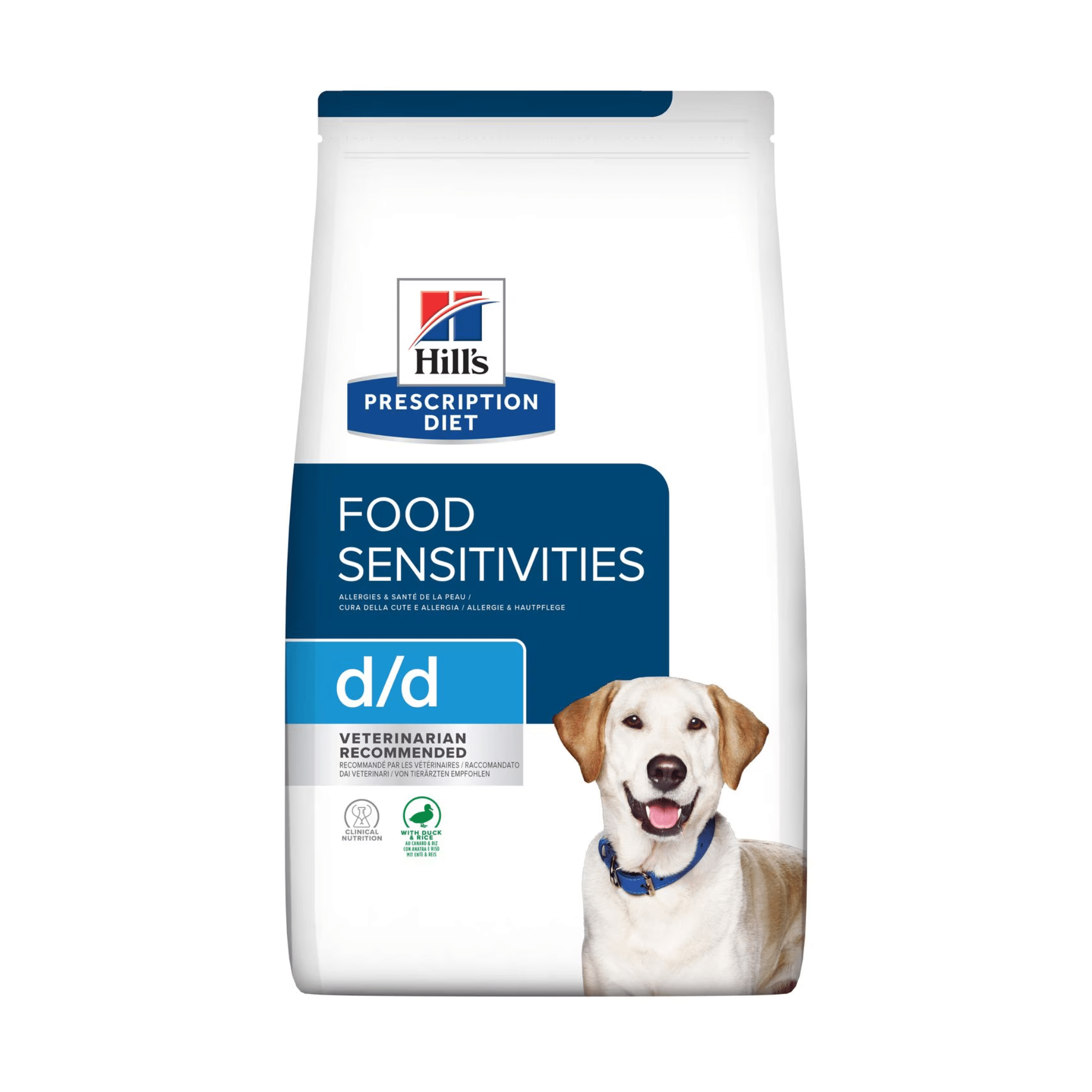
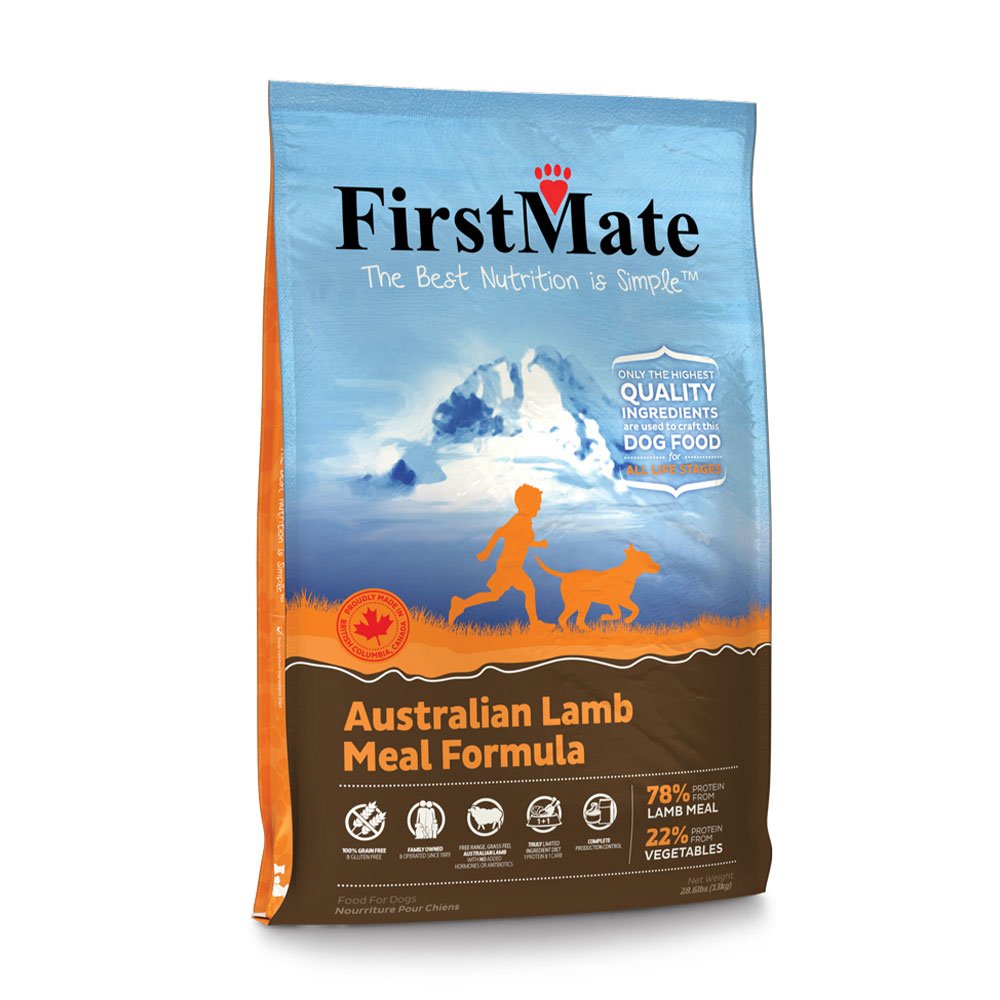
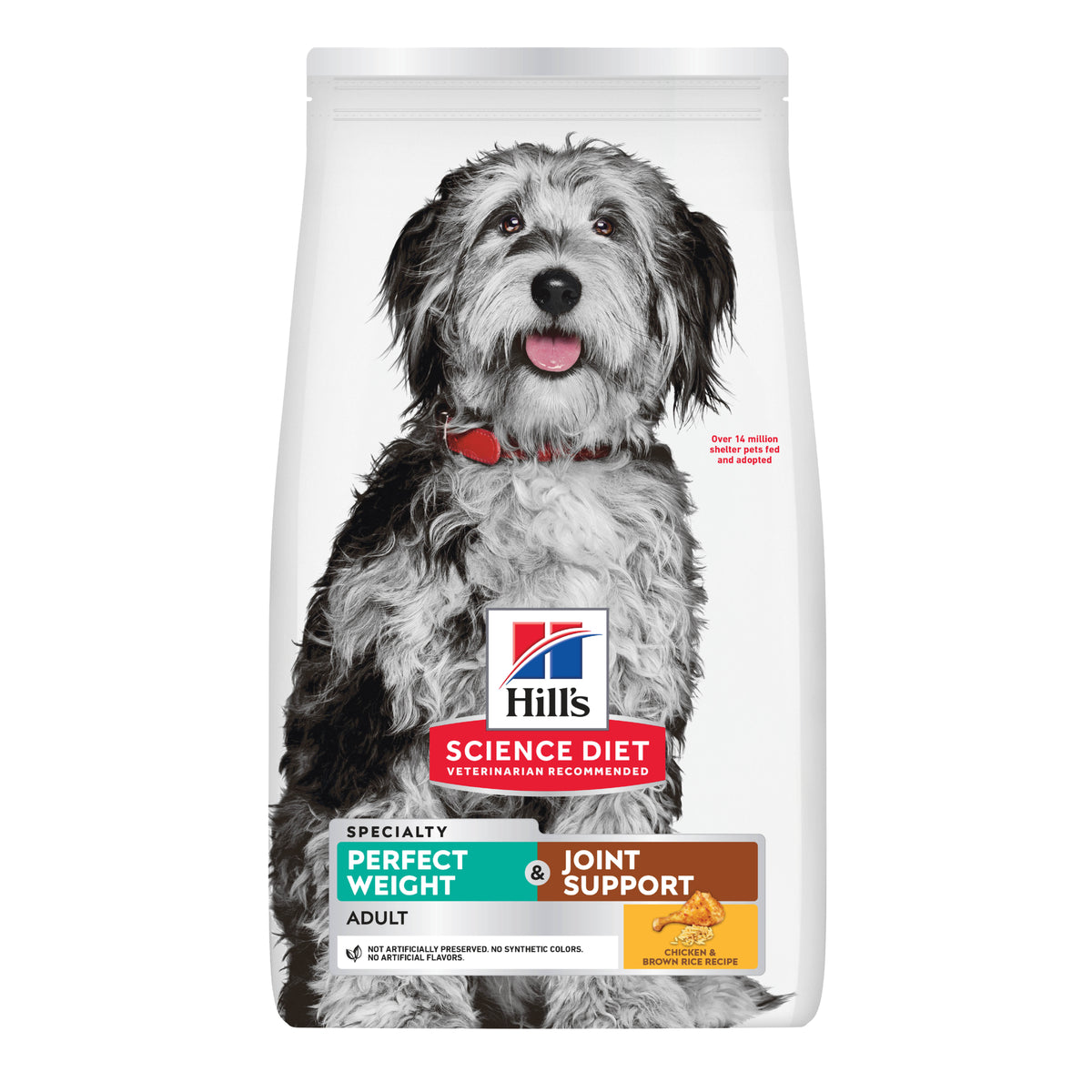
Understanding the role of specific nutritional plans is fundamental for maintaining canine health. Among the various options available, diet dry dog food stands as a crucial category designed to address particular dietary needs or health conditions. This specialized food formulation is not merely about reducing calories; it involves a precise balance of nutrients tailored to support a dog’s well-being. It becomes particularly important when dogs face challenges such as weight management, food sensitivities, or specific medical conditions that require a modified nutrient profile. By understanding the purpose and proper application of diet dry dog food, caregivers can significantly improve a dogs physical health, energy levels, and overall quality of life, preventing or managing numerous health issues.
💡 Pet Care Key Takeaways:
- Core Focus: Practical health, nutrition, and wellness guidelines for Diet Dry Dog Food.
- Target Scope: Pet owners, animal caregivers, and veterinary support staff.
- Best Recommendation: Maintain consistent daily routines and consult an accredited veterinarian before introducing major diet or medical changes.
Common Causes and Key Factors
The necessity for diet dry dog food often arises from several common scenarios, each requiring a tailored nutritional approach. One primary reason is weight management. Factors such as overfeeding, insufficient exercise, breed predisposition to weight gain, and individual metabolic rates can lead to canine obesity. For these dogs, a diet with reduced caloric density, balanced protein, and appropriate fiber content is essential to promote healthy weight loss and maintenance. For more related activities, check out our Pitbullnutrition.
Another significant factor is the presence of allergies or food sensitivities. Dogs can develop adverse reactions to common ingredients like certain proteins (chicken, beef, dairy) or grains (wheat, corn). Diet dry dog food designed for sensitivities often features novel protein sources (e.g., duck, venison), hydrolyzed proteins, or a limited-ingredient formula to minimize potential triggers.
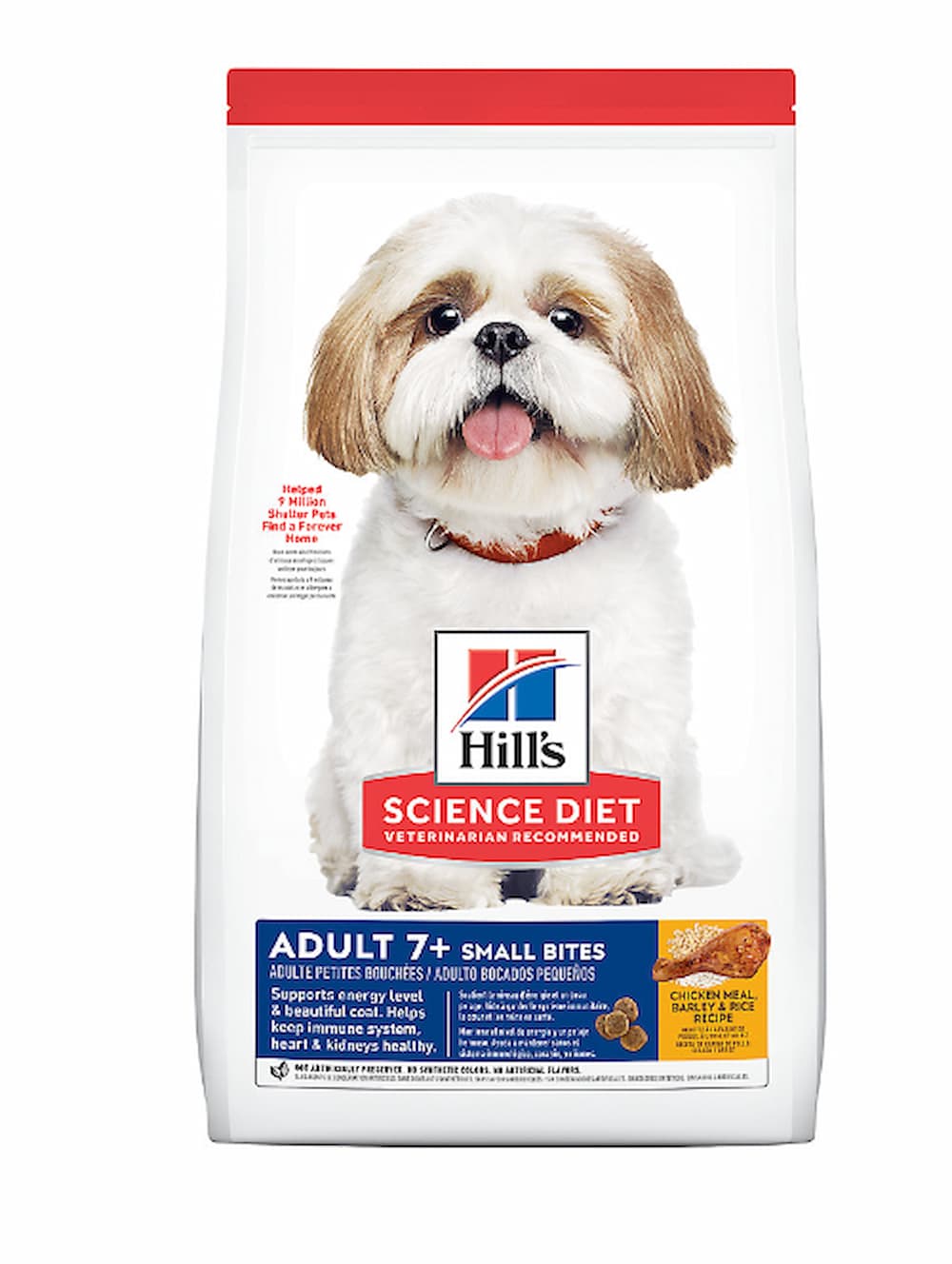
Furthermore, many specific health conditions necessitate specialized diets. Dogs with kidney disease, for instance, require food with controlled levels of protein, phosphorus, and sodium. Those with diabetes benefit from diets that help stabilize blood glucose levels through controlled carbohydrates and high fiber. Digestive issues such as inflammatory bowel disease (IBD) or sensitive stomachs often call for highly digestible ingredients, prebiotics, and probiotics. Joint health can be supported by diets enriched with glucosamine, chondroitin, and omega-3 fatty acids, while urinary tract health may require formulas that manage pH levels and mineral content to prevent stone formation. Age also plays a role, with senior dogs often benefiting from lower-calorie, joint-supportive formulas, and puppies requiring nutrient-dense food for growth.
Signs and Symptoms to Observe
Recognizing the signs that a dog might benefit from or is struggling with its current diet dry dog food is crucial for proactive care. Weight issues are often the most visible indicators. An overweight dog might exhibit a lack of a discernible waist, ribs that are difficult to feel without firm pressure, or a sagging abdomen. Conversely, if a dog is underweight despite adequate feeding, it might point to malabsorption or an underlying health issue requiring specific dietary intervention.
Digestive upset is another common sign. This can manifest as chronic vomiting, recurrent diarrhea, excessive gas, loose or unusually firm stools, or straining during defecation. These symptoms may indicate an intolerance to current food ingredients or a need for a more easily digestible or fiber-adjusted diet.
Skin and coat problems frequently signal dietary deficiencies or sensitivities. Observable signs include a dull, dry, or brittle coat, excessive shedding, dry or flaky skin, persistent itching, hot spots, or recurrent ear infections. These issues can often improve significantly with a change to a diet dry dog food rich in essential fatty acids or free from common allergens.
Other indicators might include low energy levels or lethargy, which can be linked to obesity, poor nutrient absorption, or an unsuitable diet. Behavioral changes, such as irritability or discomfort, may also indirectly point to underlying health issues exacerbated by improper nutrition. In some cases, increased thirst or changes in urination frequency could suggest kidney or bladder concerns, requiring a veterinary-prescribed therapeutic diet.
Practical Solutions and Management Strategies
Implementing diet dry dog food effectively requires a structured approach. The initial and most critical step involves a veterinary consultation. A veterinarian can accurately diagnose any underlying health conditions, assess a dog’s body condition score, and recommend the most appropriate type of diet dry dog food. This might include prescription diets formulated for specific medical conditions, which are only available through veterinary channels.
Once a suitable diet has been identified, selecting the right product involves careful consideration. For general weight management or less severe sensitivities, over-the-counter “light” or “weight control” formulas may be appropriate. Scrutinizing ingredient lists, understanding guaranteed analysis, and ensuring compliance with AAFCO (Association of American Feed Control Officials) standards are essential.
Portion control is paramount, especially for weight management. Always adhere strictly to the feeding guidelines provided by the veterinarian or on the food packaging, adjusting as needed based on individual activity levels and metabolic rate. Using accurate measuring cups or a kitchen scale ensures consistent portioning. Establishing a consistent feeding schedule and avoiding free-feeding can also help manage calorie intake and promote healthy digestion.
When transitioning to a new diet dry dog food, a gradual introduction over 7 to 10 days is recommended. This involves mixing increasing amounts of the new food with decreasing amounts of the old food to prevent digestive upset. Throughout the dietary change, monitoring progress is vital. Regular weight checks, observing changes in energy levels, coat quality, and stool consistency provide valuable feedback on the diet’s effectiveness.
Beyond the food bowl, complementary lifestyle adjustments significantly enhance the success of a specialized diet. Regular, appropriate exercise tailored to a dog’s age, breed, and health status is crucial. Limiting high-calorie treats and opting for low-calorie alternatives or small pieces of the prescribed kibble can prevent sabotaging dietary efforts. Additionally, providing environmental enrichment through toys and mental stimulation can help reduce boredom-related eating.
When Professional Help May Be Needed
While diligent at-home care and informed dietary choices are fundamental, there are specific situations where professional veterinary intervention or specialized guidance becomes indispensable. If a dog exhibits persistent weight issues despite consistent dietary changes and increased activity, further medical investigation is warranted to rule out underlying metabolic or endocrine disorders.
Chronic digestive problems, such as ongoing vomiting, severe diarrhea, or a sustained loss of appetite, demand immediate veterinary attention. These symptoms can indicate serious gastrointestinal conditions or other systemic illnesses that require precise diagnosis and management beyond dietary adjustments alone. Similarly, worsening skin conditions, including unresolved itching, significant hair loss, or recurrent infections, should prompt a veterinary visit to identify and address potential allergies or dermatological issues.
Any sudden or unexplained behavioral changes, particularly if accompanied by physical symptoms, could signal discomfort or illness that necessitates professional assessment. The diagnosis of specific medical conditions such as kidney disease, diabetes, pancreatitis, severe allergies, or certain urinary tract disorders will almost always require a prescription diet dry dog food. These therapeutic diets are formulated with precise nutrient profiles to manage the disease progression and improve quality of life and must be administered under veterinary supervision.
Furthermore, if dog caregivers feel overwhelmed by the vast array of commercial diet options, conflicting information, or are uncertain about the best nutritional path for a dog, consulting a veterinarian or a board-certified veterinary nutritionist can provide invaluable clarity and tailored recommendations. Any signs of serious illness, such as extreme lethargy, severe pain, or an inability to move, should always be treated as an emergency and prompt an immediate visit to a veterinary clinic.
Conclusion
The thoughtful selection and implementation of diet dry dog food represent a cornerstone of responsible canine care. This specialized category of nutrition is a powerful tool for managing a diverse range of health concerns, from obesity and food sensitivities to complex medical conditions. It is not merely a choice but often a necessity, designed to provide specific nutrient profiles that support healing, promote wellness, and enhance a dog’s vitality.
The importance of awareness, keen observation of a dog’s health indicators, and consistent application of dietary and lifestyle adjustments cannot be overstated. Crucially, the journey toward optimal canine nutrition should always involve professional veterinary guidance. A veterinarian’s expertise ensures that the chosen diet dry dog food aligns perfectly with a dog’s individual needs, leading to improved health outcomes and a higher quality of life. Through informed choices and proactive care, caregivers can empower their canine companions to live healthier, happier lives.
Pet Care & Wellness Overview Table
| Life Stage | Daily Activity Level | Key Nutrition / Care Focus |
|---|---|---|
| Puppy / Kitten | High (frequent short bursts) | High-protein growth diet & early socialization |
| Adult Companion | Moderate (30–60 mins daily) | Balanced maintenance nutrition & dental hygiene |
| Senior Pets | Low to Gentle (mindful walks) | Joint support (Glucosamine) & routine vet checks |
Images References




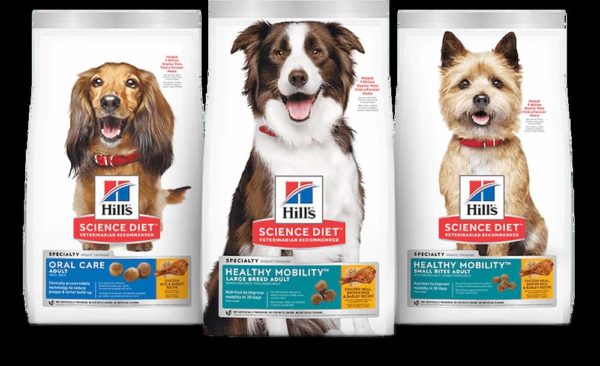

For more expert pet care tips and advice, check out our dedicated Dog Nutrition guides to keep your companions healthy and happy.




