

Introduction
Understanding the unique nutritional requirements of smaller canine companions is essential for their overall health and longevity. The term “diet food for small dogs” refers to specially formulated canine diets designed to meet the specific metabolic rates, activity levels, and physical characteristics common to smaller breeds. These specialized foods are crucial for managing weight, preventing obesity, and supporting various health conditions that can disproportionately affect smaller dogs. Properly tailored nutrition not only helps maintain an ideal body condition but also contributes significantly to a dogs energy levels, coat health, and reduced risk of diet-related health issues, ultimately enhancing their quality of life. Awareness and implementation of appropriate dietary choices are foundational to responsible small dog ownership.
💡 Pet Care Key Takeaways:
- Core Focus: Practical health, nutrition, and wellness guidelines for Diet Food For Small Dogs.
- Target Scope: Pet owners, animal caregivers, and veterinary support staff.
- Best Recommendation: Maintain consistent daily routines and consult an accredited veterinarian before introducing major diet or medical changes.
Common Causes and Key Factors
Several factors contribute to the need for specialized diet food for small dogs. Small breeds, despite their often energetic nature, can be prone to weight gain due to a combination of their genetics, lifestyle, and feeding practices. Their compact size means that even a small excess in calories can quickly lead to an unhealthy weight. Many small dogs lead predominantly indoor lives with less opportunity for extensive exercise compared to larger breeds, contributing to lower caloric needs. For more related activities, check out our Pitbullnutrition.
Furthermore, managing portion sizes for small dogs can be challenging; a seemingly minor extra treat or a slightly larger scoop of food can represent a significant percentage of their daily caloric intake. Some small breeds also have predispositions to conditions like luxating patella or dental issues, which can be exacerbated by excess weight or poor nutrition. As small dogs age, their metabolism often slows further, making them even more susceptible to obesity if their diet is not adjusted accordingly. Therefore, selecting a diet specifically formulated for their size and life stage becomes critical.
Signs and Symptoms to Observe
Observing a small dog for signs that may indicate a need for diet food involves monitoring both physical attributes and behavioral changes. The most apparent sign is weight gain, characterized by difficulty in feeling the ribs without pressing firmly, a less defined waistline when viewed from above, and a sagging abdomen. A veterinarian can provide guidance on assessing a dog’s body condition score.
Behavioral indicators often accompany weight issues. Reduced activity levels, a noticeable decrease in enthusiasm for walks or playtime, and increased panting after minimal exertion are common. A dog might struggle with tasks that were once easy, such as jumping onto furniture, or may appear stiff or lethargic. Changes in appetite, such as an increased demand for food or, conversely, a sudden pickiness if accustomed to high-calorie human foods, can also be observed. Digestive upset, including irregular bowel movements or bloating, can sometimes be linked to an inappropriate diet. In some cases, a dull or flaky coat may also signal nutritional imbalances, though this is not exclusively tied to weight.
Practical Solutions and Management Strategies
Implementing practical strategies for managing a small dog’s diet begins with choosing the appropriate food. Opting for formulations labeled “small breed,” “weight management,” or “senior” (if applicable) is advisable. These diets typically feature higher protein content to support lean muscle mass, increased fiber for satiety, and controlled fat and calorie levels to prevent weight gain. Ingredients should include high-quality animal protein as the primary component, along with digestible carbohydrates and essential vitamins and minerals.
Accurate portion control is paramount. Always use a measuring cup specific to pet food and adhere to the feeding guidelines provided by the manufacturer, adjusting as necessary based on the individual dog’s activity level and metabolic rate. Dividing the daily ration into two smaller meals can also aid digestion and satiety. Regular weight monitoring, perhaps monthly, coupled with body condition scoring, helps track progress and allows for timely dietary adjustments.
Treats should be used sparingly and strategically. Choose low-calorie, healthy options like small pieces of plain vegetables (e.g., carrots, green beans) and factor them into the dog’s daily calorie intake. Increasing physical activity through daily walks, indoor play sessions, and mental enrichment activities can help burn calories and improve overall fitness. Crucially, avoiding table scraps is vital, as human foods are often high in calories, unhealthy fats, and potentially toxic ingredients for dogs.
When Professional Help May Be Needed
While many dietary adjustments can be managed at home, there are situations where professional veterinary consultation becomes necessary. If a small dog continues to gain weight or struggles to lose it despite consistent efforts with a diet food and increased exercise, an underlying medical condition could be a factor. Conditions such as hypothyroidism or other metabolic disorders can impede weight loss and require veterinary diagnosis and treatment.
Professional guidance is also recommended for dogs with specific health challenges, such as diabetes, kidney disease, or severe allergies, where a highly tailored prescription diet might be beneficial. Furthermore, if a dog displays extreme pickiness, refusing appropriate diet foods, or if there are concerns about sudden unexplained weight loss, lethargy, or other signs of illness, prompt veterinary attention is crucial. A veterinarian can offer personalized nutritional advice, perform necessary diagnostic tests, and help develop a comprehensive plan to ensure optimal health.
Conclusion
The importance of diet food for small dogs cannot be overstated. Tailored nutrition forms the cornerstone of preventing obesity, managing existing weight issues, and supporting the unique health needs of smaller breeds throughout their lives. By understanding the specific factors that contribute to their dietary requirements, observing for key signs of imbalance, and implementing practical management strategies, owners can significantly impact their dog’s well-being. Proactive care, diligent portion control, appropriate food selection, and regular exercise are all vital components. When challenges arise or specific health concerns are present, collaboration with a veterinarian ensures that every small dog receives the precise nutritional support needed to lead a vibrant, healthy, and happy life. Consistent awareness and informed choices are fundamental to responsible small dog care.
Pet Care & Wellness Overview Table
| Life Stage | Daily Activity Level | Key Nutrition / Care Focus |
|---|---|---|
| Puppy / Kitten | High (frequent short bursts) | High-protein growth diet & early socialization |
| Adult Companion | Moderate (30–60 mins daily) | Balanced maintenance nutrition & dental hygiene |
| Senior Pets | Low to Gentle (mindful walks) | Joint support (Glucosamine) & routine vet checks |
Images References


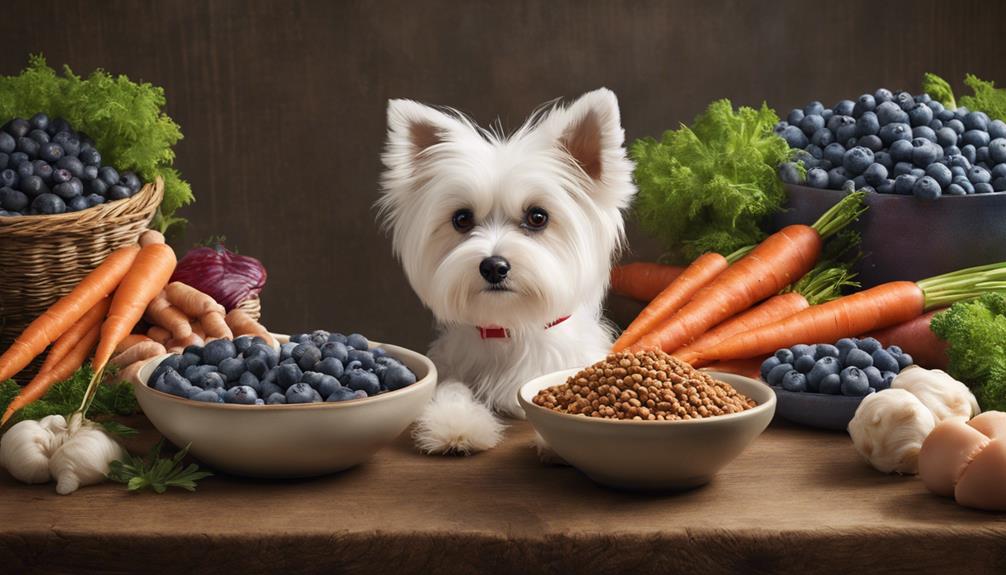


For more expert pet care tips and advice, check out our dedicated Dog Nutrition guides to keep your companions healthy and happy.




