

Understanding canine mouthiness requires recognizing the unique behavioral traits inherent in working cattle dogs.
According to the American Kennel Club, herding dogs possess deeply ingrained genetic instincts designed to control the movement of livestock by using pressure and release signals. When families welcome energetic herding breeds into domestic environments, misunderstandings frequently arise regarding how these dogs use their mouths. Recognizing the root causes of canine mouthiness helps establish a harmonious household. Handlers often struggle to distinguish between playful exploration and true aggression, making clear behavioral education essential for safety and trust.
💡 Pet Care Key Takeaways:
- Core Focus: Practical health, nutrition, and wellness guidelines for Difference Between A Nip Or A Bite From Heelers.
- Target Scope: Pet owners, animal caregivers, and veterinary support staff.
- Best Recommendation: Maintain consistent daily routines and consult an accredited veterinarian before introducing major diet or medical changes.
Differentiating between a communicative nip and an aggressive bite involves analyzing the pressure, intent, and emotional state behind the contact.
A nip from a heeler is typically a quick, controlled pinch used to herd, gain attention, or express overexcitement, whereas a bite involves deliberate intent to cause harm due to fear, pain, or resource guarding. During a standard puppy mouthing episode or a herding reflex display, teeth make fleeting contact without breaking the skin, and the dog’s body remains loose and wiggly rather than rigid. In contrast, an aggressive bite features prolonged jaw clamping, deeper tissue damage, a stiff posture, and low growling. Understanding this distinction prevents harsh overreactions to normal breed-specific behaviors while ensuring genuine safety threats receive immediate professional attention. For more related activities, check out our Dog Jealous Behavior.
Herding breeds naturally target moving ankles and heels due to centuries of selective breeding for livestock management — American Kennel Club
Evaluating the behavioral impact of herding instincts on daily interactions requires consistent environmental management.
Unchecked herding behaviors can severely disrupt household routines, particularly when children or guests trigger the dog’s instinct to control movement. Heelers, such as the Australian Cattle Dog, possess a high drive and relentless energy levels that demand structured physical and mental outlets. Without appropriate redirection, harmless nips targeting running children can escalate into deeply ingrained bad habits. Providing alternative tasks, such as agility training or interactive puzzle toys, satisfies the dog’s working heritage while protecting human family members from unwanted dental contact.
Implementing positive reinforcement strategies successfully redirects undesirable mouthing into acceptable outlets.
Managing canine mouthing relies on teaching alternative behaviors through reward-based training rather than punitive corrections that increase fear and unpredictability. Whenever excitement peaks and teeth make contact with clothing or skin, handlers should immediately become a statue, removing all attention until calm behavior resumes. Reinforcing calm stillness with high-value treats teaches the dog that gentle interactions yield the best rewards. For serious behavioral concerns or persistent aggression, consulting a certified professional dog trainer or veterinary behaviorist ensures safe, science-backed rehabilitation without resorting to dominance-based methods.
Avoiding common training mistakes prevents accidental reinforcement of unwanted mouthy behaviors.
Many owners inadvertently encourage nipping by engaging in rough play with bare hands or by running away, which triggers the dog’s chase instinct. Yipping or screaming in a high-pitched tone can also sound like prey to a high-drive herding breed, inadvertently intensifying the excitement level. Consistency across all household members remains paramount, as mixed signals confuse working dogs and delay progress. Establishing clear boundaries from an early age fosters reliable impulse control and lifelong canine good manners.
Positive reinforcement training methods are proven to reduce stress-related behavioral issues in working dog breeds — American Veterinary Medical Association
Pet Care & Wellness Overview Table
| Life Stage | Daily Activity Level | Key Nutrition / Care Focus |
|---|---|---|
| Puppy / Kitten | High (frequent short bursts) | High-protein growth diet & early socialization |
| Adult Companion | Moderate (30–60 mins daily) | Balanced maintenance nutrition & dental hygiene |
| Senior Pets | Low to Gentle (mindful walks) | Joint support (Glucosamine) & routine vet checks |
Images References
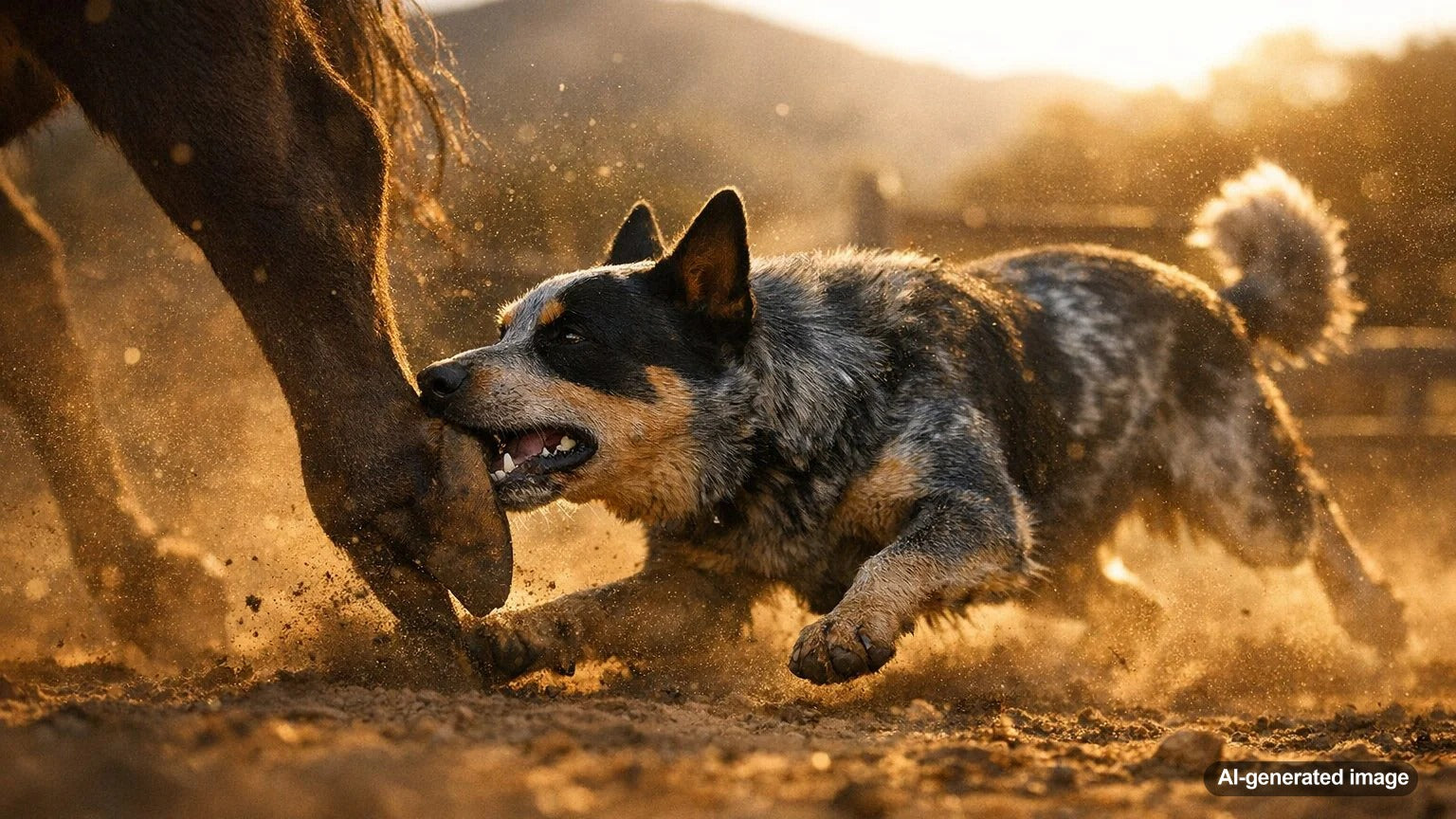


Age, temperament, and developmental stages heavily influence how working dogs express themselves through mouthing.
Puppies explore their environment extensively through their mouths during teething phases, a completely normal process that requires patience and appropriate chew toys. However, adolescent heelers often experience a surge in independence and herding drive, testing boundaries established during puppyhood. Individual temperament also plays a significant role; some dogs are naturally more sensitive or reactive than others, requiring tailored socialization plans. Recognizing these developmental milestones helps owners anticipate challenges and adjust management strategies proactively.
Consulting a qualified professional provides essential guidance when canine mouthiness escalates beyond normal boundaries.
Professional veterinary guidance is necessary whenever a dog’s mouthing behavior suddenly changes, intensifies, or is accompanied by signs of pain, illness, or severe anxiety. Underlying medical conditions can lower a dog’s threshold for tolerance, turning a playful nip into a defensive reaction. A veterinarian can perform a comprehensive health assessment, while a certified behaviorist can design a customized behavior modification plan. Prioritizing expert evaluation safeguards both human and animal well-being.
Fostering a balanced relationship through education ensures a safe environment for both pets and owners.
Appreciating the rich heritage of working dogs allows owners to meet their unique physical and psychological needs effectively. Exploring resources dedicated to Dog Behavior and Dog Training deepens understanding of canine communication. Ensuring proper physical exercise and mental stimulation supports overall Dog Health. Discover more guidance and expert insights for all your PetsAnimalsWorld.com reading needs, including specialized advice on various Dog Breeds and general Dog Care.




