

Introduction
Understanding the role of digestive care dog food is paramount for maintaining a canine companion’s optimal health and well-being. This specialized nutrition is formulated to support a dog’s gastrointestinal system, addressing or preventing common digestive upsets. Issues such as sensitive stomachs, food intolerances, or chronic digestive conditions can significantly impact a dog’s quality of life, leading to discomfort and nutrient malabsorption. Recognizing the importance of appropriate dietary management, especially through the selection of digestive care dog food, offers a proactive approach to promoting a healthy gut microbiome and overall vitality. This article explores the facets of digestive health in dogs and how specific dietary interventions can make a profound difference.
💡 Pet Care Key Takeaways:
- Core Focus: Practical health, nutrition, and wellness guidelines for Digestive Care Dog Food.
- Target Scope: Pet owners, animal caregivers, and veterinary support staff.
- Best Recommendation: Maintain consistent daily routines and consult an accredited veterinarian before introducing major diet or medical changes.
Common Causes and Key Factors
Numerous factors can contribute to digestive issues in dogs, necessitating a focus on digestive care dog food. Dietary indiscretion, such as consuming inappropriate foods or table scraps, is a frequent culprit. Sudden changes in diet without a gradual transition period can also disrupt the delicate balance of the gut flora. Furthermore, food allergies or intolerances to common ingredients like chicken, beef, dairy, wheat, or soy are significant underlying causes of chronic digestive upset. For more related activities, check out our Natural Remedies For Fluid Retention In Dogs Australia.
Beyond diet, various medical conditions can compromise digestive health. These include parasitic infections, bacterial imbalances (dysbiosis), inflammatory bowel disease (IBD), pancreatitis, and exocrine pancreatic insufficiency (EPI). Stress, often triggered by environmental changes, separation anxiety, or unfamiliar situations, can also manifest as gastrointestinal disturbances. Age plays a role, with puppies having immature digestive systems and senior dogs potentially experiencing decreased digestive efficiency. Certain breeds also exhibit predispositions to specific gastrointestinal ailments, making tailored digestive care dog food a crucial consideration.
Signs and Symptoms to Observe
Recognizing the signs of digestive distress is vital for timely intervention. Common gastrointestinal symptoms include vomiting, diarrhea (which can range from acute and sudden to chronic and recurring), constipation, excessive flatulence, and bloating. Stool quality can also be an indicator, with changes in consistency, color, or the presence of mucus or blood often signaling an issue.
Beyond direct digestive symptoms, observable behavioral changes can suggest underlying problems. Lethargy, a decreased appetite, unexplained weight loss, or an increased tendency to eat grass are often associated with gastrointestinal discomfort. Dogs experiencing abdominal pain may adopt a hunched posture, appear restless, or show reluctance to be touched on their abdomen. These signs can vary in intensity and manifestation depending on the dog’s age, breed, and the specific cause of the digestive disturbance. For instance, a young puppy might show more severe signs of dehydration from diarrhea, while a senior dog might exhibit more subtle, chronic issues.
Practical Solutions and Management Strategies
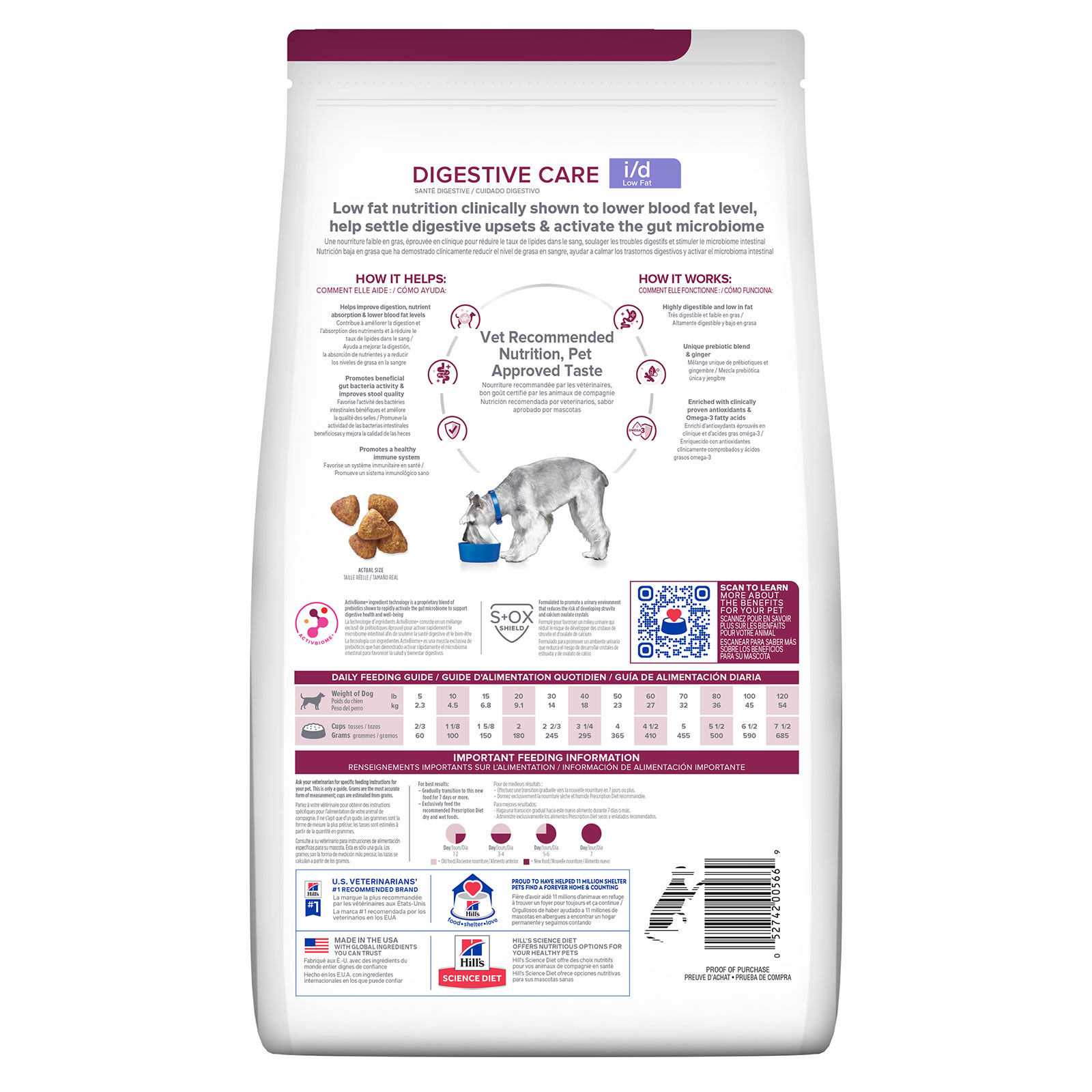
Implementing practical strategies centered around digestive care dog food can significantly improve a dog’s gastrointestinal health. A crucial first step involves transitioning any new food gradually over a period of 7 to 10 days, mixing increasing amounts of the new food with decreasing amounts of the old.
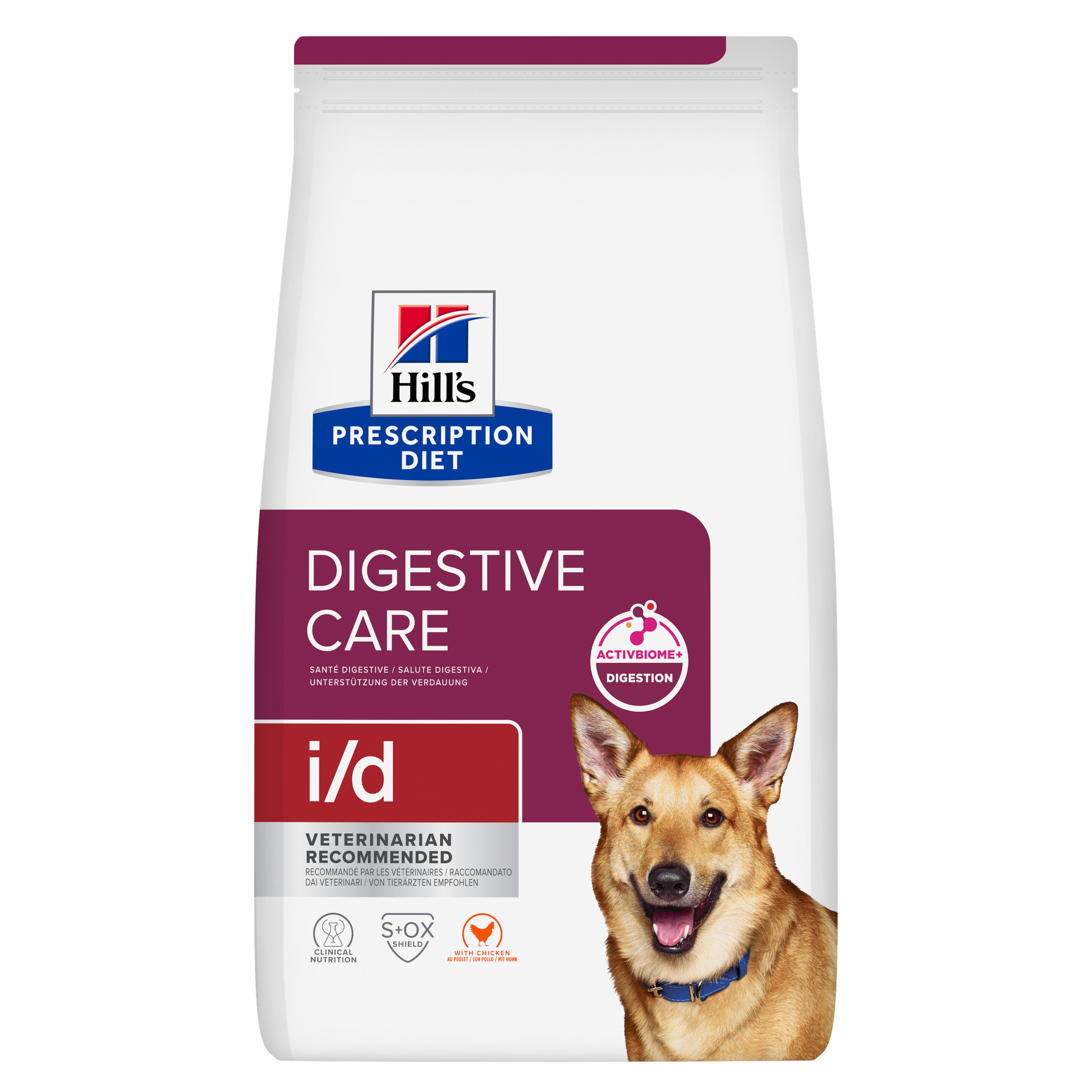
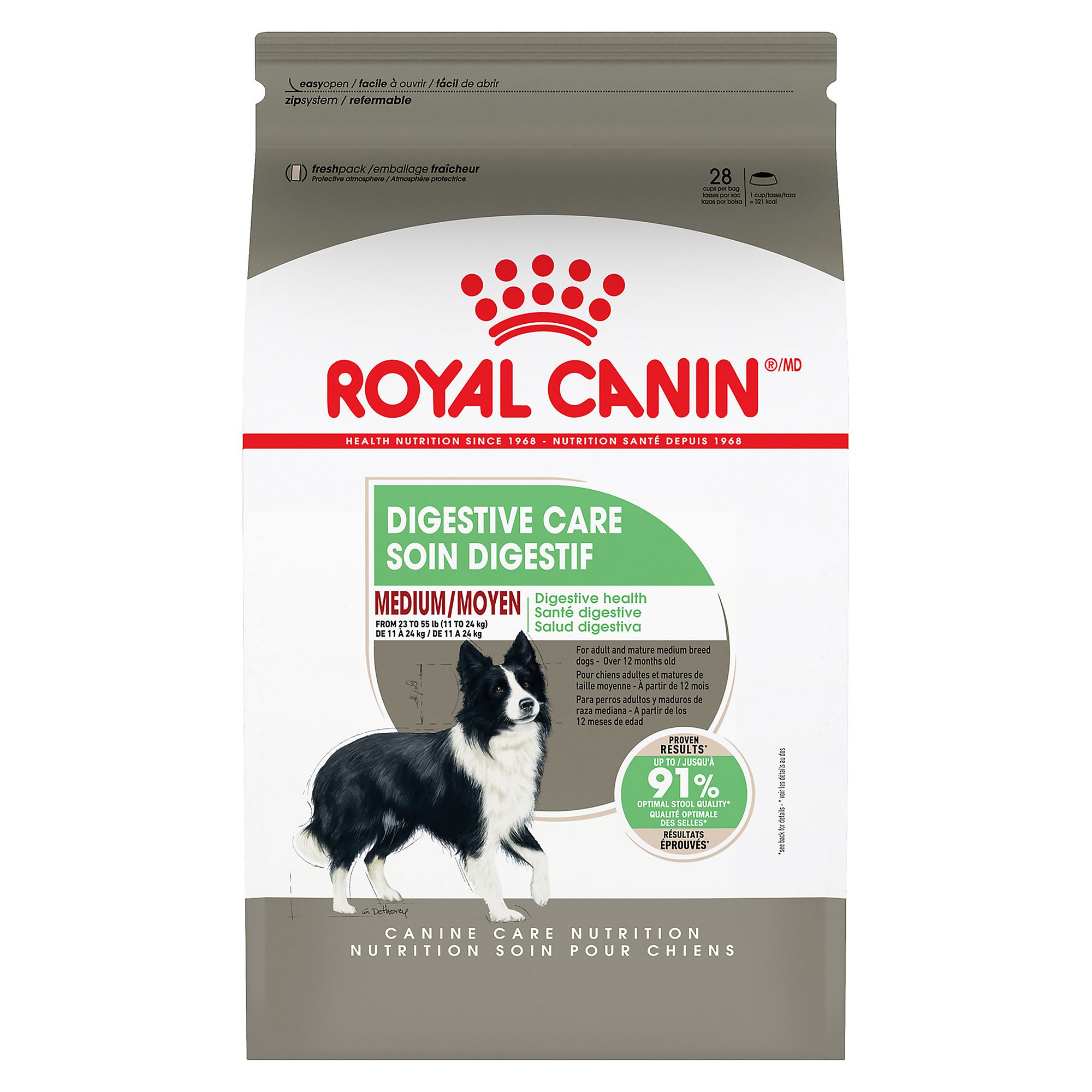
Selecting the appropriate digestive care dog food is paramount. These formulations often feature highly digestible proteins, such as hydrolyzed proteins or novel protein sources, which are less likely to trigger adverse reactions. Moderate fat levels are typically included to prevent pancreatic strain, while an optimal blend of fibers, including prebiotics like FOS (fructooligosaccharides) and MOS (mannan-oligosaccharides), supports beneficial gut bacteria. Some specialized diets also incorporate probiotics to further enhance the gut microbiome. For dogs with specific conditions, veterinary prescription diets offering limited ingredients, low-fat content, or highly specialized nutrient profiles may be necessary.
Beyond diet, careful meal management can aid digestion. Feeding smaller, more frequent meals throughout the day can reduce the burden on the digestive system. Ensuring constant access to fresh, clean water is essential for hydration and healthy bowel movements. Avoiding table scraps and identifying and eliminating known food allergens or sensitivities from the diet are critical preventive measures. Minimizing environmental stress through consistent routines and a calm living environment also supports overall digestive well-being.
When Professional Help May Be Needed
While dietary adjustments and watchful care can resolve many mild digestive upsets, certain situations warrant immediate veterinary attention. Persistent vomiting, diarrhea, or constipation lasting more than 24-48 hours indicates a need for professional evaluation. Symptoms such as bloody stool, severe lethargy, collapse, or obvious signs of intense abdominal pain require urgent veterinary consultation.
Any unexplained weight loss, signs of dehydration, or a recurring pattern of digestive upset despite consistent dietary management are also red flags. Puppies and senior dogs, due to their unique vulnerabilities, often require prompt veterinary care for digestive issues as their conditions can deteriorate rapidly. A veterinarian can accurately diagnose underlying medical conditions, prescribe appropriate medications, and recommend specialized digestive care dog food or other therapeutic interventions tailored to the dog’s specific needs.
Conclusion
The thoughtful selection and consistent application of digestive care dog food are fundamental pillars of a dog’s health. Understanding the various factors that influence gastrointestinal well-being, recognizing the observable signs of distress, and implementing appropriate management strategies are crucial responsibilities for any dog owner. Proactive dietary management, coupled with diligent observation and prompt veterinary intervention when necessary, significantly contributes to a dog’s comfort and longevity. By prioritizing digestive health through informed choices about dog food and lifestyle, a fulfilling and active life can be ensured for canine companions.
Pet Care & Wellness Overview Table
| Life Stage | Daily Activity Level | Key Nutrition / Care Focus |
|---|---|---|
| Puppy / Kitten | High (frequent short bursts) | High-protein growth diet & early socialization |
| Adult Companion | Moderate (30–60 mins daily) | Balanced maintenance nutrition & dental hygiene |
| Senior Pets | Low to Gentle (mindful walks) | Joint support (Glucosamine) & routine vet checks |
Images References



For more expert pet care tips and advice, check out our dedicated Dog Health guides to keep your companions healthy and happy.


