

Understanding why do 8 month old puppys chew can save shoes and furniture from destruction.
According to the American Kennel Club (AKC), destructive chewing is one of the most common behavioral complaints reported by adolescent dog households. Walking through a living room only to discover the shredded remains of a favorite leather shoe is a universal rite of passage for canine guardians. During the adolescent growth phase, dogs undergo significant developmental shifts that influence their daily habits. Canine behaviorists often emphasize that this urge is rarely born out of spite; rather, it stems from natural instincts and physical maturation processes. Recognizing the root causes of this behavior helps households establish effective management strategies before bad habits become permanent fixtures of daily life.
💡 Pet Care Key Takeaways:
- Core Focus: Practical health, nutrition, and wellness guidelines for Do 8 Month Old Puppys Chew.
- Target Scope: Pet owners, animal caregivers, and veterinary support staff.
- Best Recommendation: Maintain consistent daily routines and consult an accredited veterinarian before introducing major diet or medical changes.
Chewing at eight months of age represents a mix of adolescent exploration and continued jaw strengthening.
Adolescent dogs chew heavily because their permanent teeth are fully established, and their powerful jaw muscles are continuing to develop rapidly. While the intense discomfort of puppy teething typically peaks around four to six months of age, eight-month-old juveniles explore their environment primarily through tactile investigation. Every textured surface, from wooden table legs to fabric cushions, offers fascinating sensory feedback to a curious young mind. Furthermore, physical boredom plays a major role in this persistence. When high-energy adolescents lack adequate stimulation, they naturally create their own entertainment, turning household items into makeshift toys. For more related activities, check out our Dog Heat Behavior Changes.
Failing to manage destructive habits can lead to serious veterinary emergencies and behavioral regression.
Ingesting foreign objects during aggressive chewing sessions frequently results in dangerous gastrointestinal blockages requiring surgical intervention. Beyond the obvious financial and medical risks, unmanaged chewing teaches dogs that household items are fair game, making long-term training significantly harder. Many owners mistakenly believe punishment works after the fact, but dogs lack the cognitive ability to connect a reprimand with an action taken even a minute prior. Instead of curbing the habit, harsh corrections often damage the trust between canine and companion, sometimes fostering defensive behaviors instead.
Intestinal obstructions from swallowed foreign objects are among the top surgical emergencies treated in young dogs — American Animal Hospital Association (AAHA)
Channeling the urge into acceptable outlets requires a combination of environmental management and positive reinforcement.
Providing approved chew toys while restricting unsupervised access to prohibited areas prevents destructive chewing before it starts. Management serves as the foundation of good behavior, meaning shoes go into closets and laundry stays off the floor until the adolescent phase passes. When catching a young dog investigating an appropriate chew toy, handlers should immediately reward the choice with praise or a small treat. This proactive redirection teaches the adolescent canine exactly where their chewing energy belongs.
Consistency and variety remain the ultimate keys to successful adolescent chewing management.
Rotating a selection of durable puzzle toys keeps adolescent dogs mentally stimulated and prevents boredom-induced chewing. Owners frequently make the mistake of leaving the same three worn-out toys scattered on the floor indefinitely, prompting the dog to seek novel textures elsewhere. Introduce interactive feeders and rubber toys stuffed with wholesome foods to satisfy the natural desire to tear and gnaw safely. Always supervise closely when introducing new playthings to ensure the materials withstand the dog’s bite force without fragmenting into hazardous pieces.
Mental enrichment through puzzle toys significantly reduces stress-related destructive behaviors in adolescent canines — American Society for the Prevention of Cruelty to Animals (ASPCA)
Pet Care & Wellness Overview Table
| Life Stage | Daily Activity Level | Key Nutrition / Care Focus |
|---|---|---|
| Puppy / Kitten | High (frequent short bursts) | High-protein growth diet & early socialization |
| Adult Companion | Moderate (30–60 mins daily) | Balanced maintenance nutrition & dental hygiene |
| Senior Pets | Low to Gentle (mindful walks) | Joint support (Glucosamine) & routine vet checks |
Images References

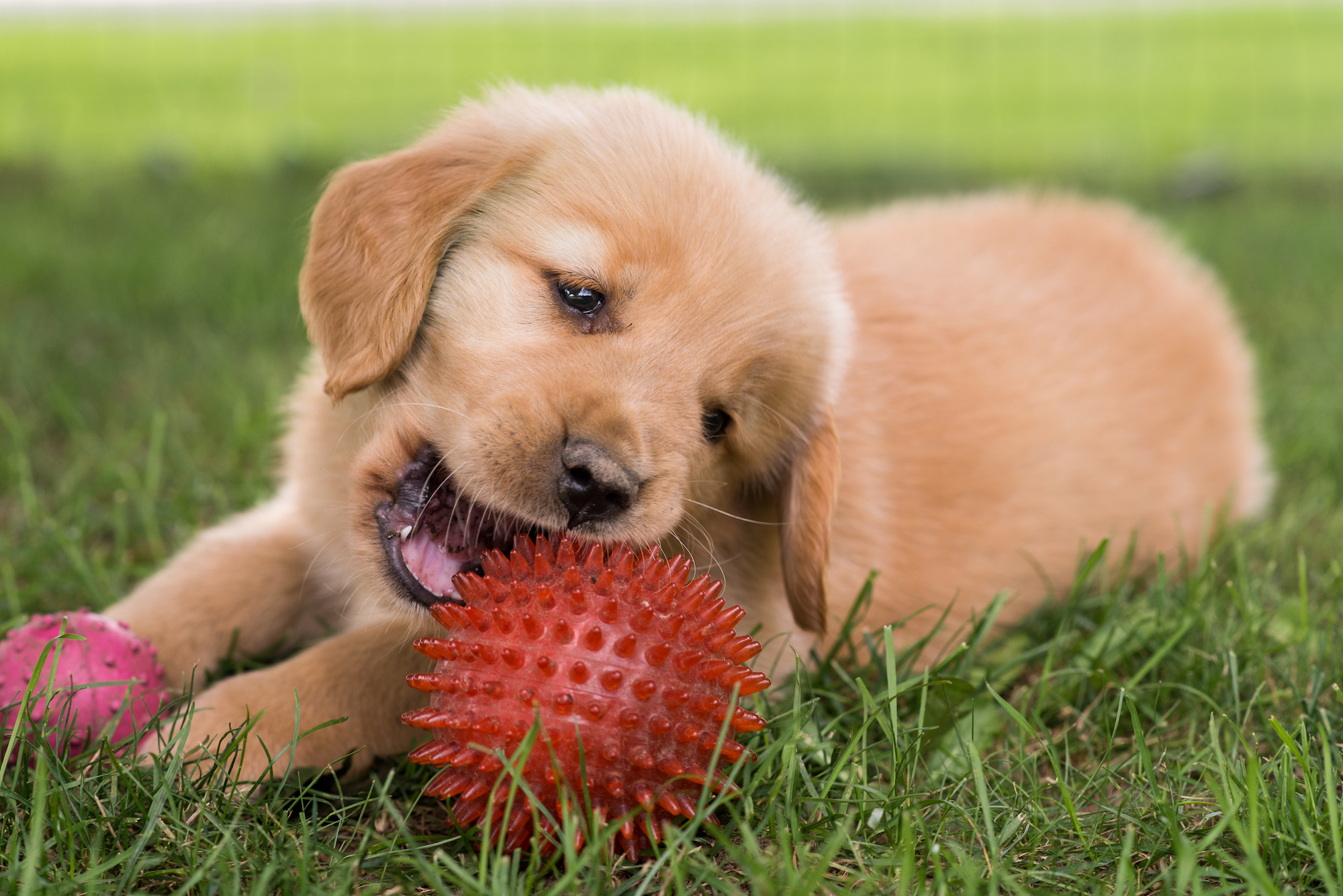



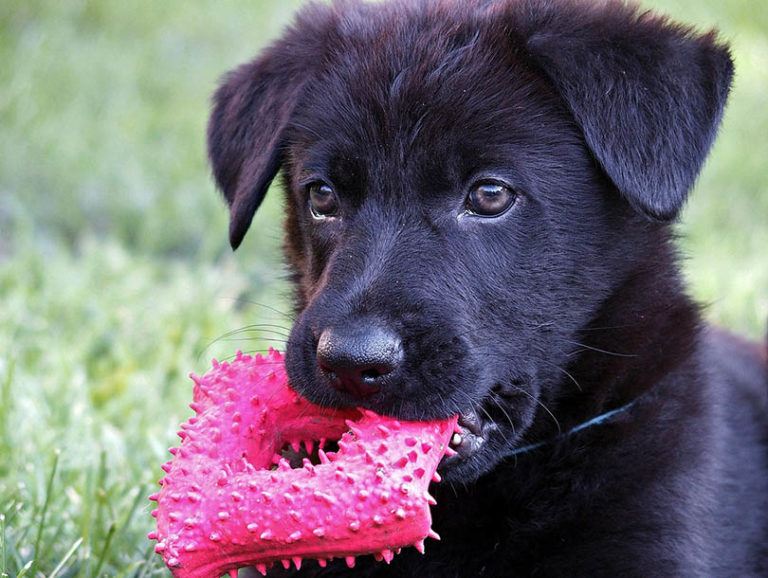


Breed size and individual temperament heavily influence the intensity and duration of adolescent chewing habits.
Larger working breeds often retain puppy-like oral fixation much longer than smaller companion dogs, requiring heavy-duty chew management well past their first year. A giant breed adolescent possesses immense jaw strength capable of destroying standard pet store items in minutes, necessitating industrial-grade rubber or reinforced nylon options. Conversely, high-drive herding breeds may redirect their intense need to work and grip onto furniture if not given proper outlets. Understanding specific Dog Breeds tendencies allows families to tailor their management approach to match their companion’s unique genetic blueprint.
Consulting a qualified professional becomes necessary when chewing stems from separation anxiety or compulsive disorders.
Persistent, frantic chewing accompanied by pacing, vocalizing, or self-harm when left alone indicates a deeper emotional issue requiring veterinary behavioral intervention. Never rely on dominance-based corrections or physical punishment, as fear-driven behaviors worsen rapidly under punitive training methods. A certified professional can help design a desensitization plan tailored to emotional well-being. Regular check-ups with a veterinarian are also essential to rule out underlying dental pain or nutritional deficiencies that might trigger excessive gnawing.
Creating a harmonious home environment ensures both safety and happiness for growing canine companions.
Guiding an adolescent dog through this challenging phase requires patience, structure, and a deep understanding of natural canine development. By prioritizing proactive management and positive reinforcement, households can protect their belongings while supporting their pet’s growth. Explore more expert advice across Dog Behavior, Dog Care, and Dog Health to keep your companion thriving. Visit PetsAnimalsWorld.com for comprehensive guides designed to help you navigate every stage of pet parenthood.




