
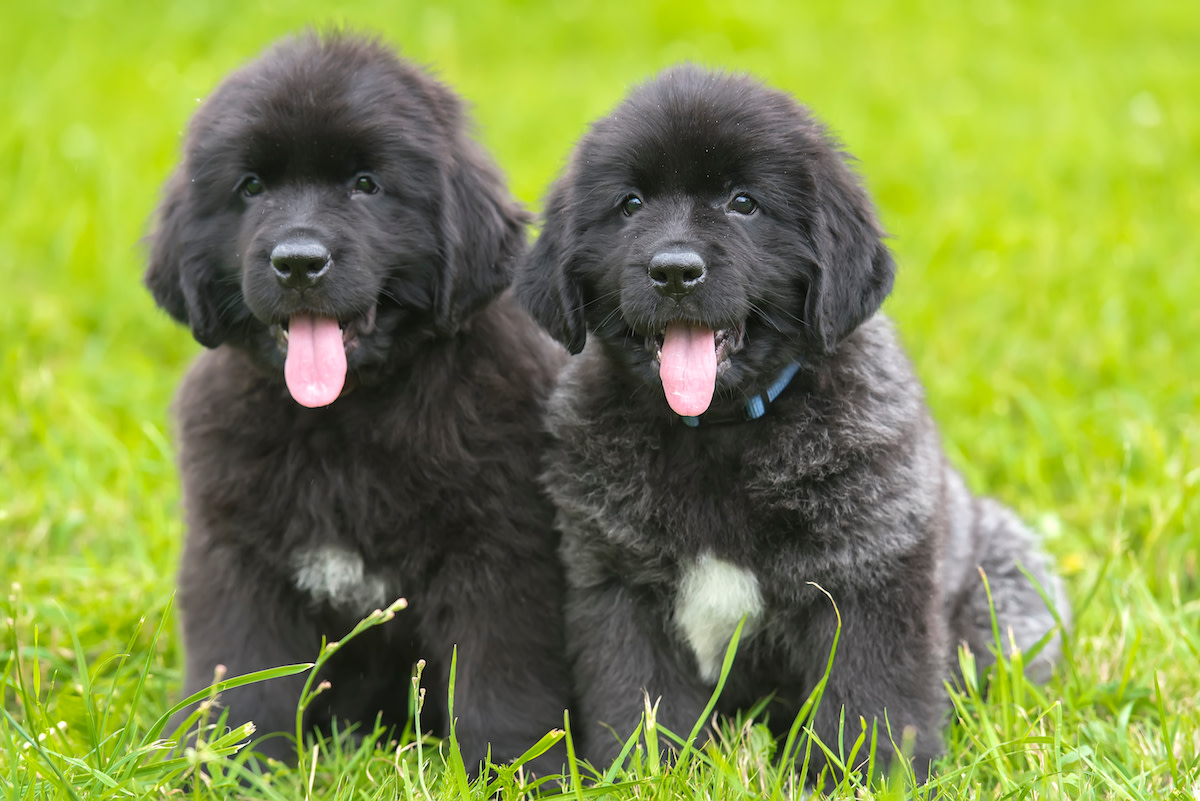
Understanding the land-shark phase of a giant gentle giant
According to the American Kennel Club, large dog breeds require early and consistent behavioral socialization to prevent common puppy challenges from escalating into adult management issues. Bringing home a giant breed bundle of fluff is an incredible milestone, yet many households find themselves unprepared for the sheer volume of needle-sharp teeth making contact with skin and furniture. Addressing the question of do newfoundland puppies bite requires distinguishing between normal developmental exploration and problematic aggression. Professional behaviorists recognize that young canines use their mouths to interact with the environment in the absence of hands. When raising a massive working dog, setting proper boundaries early prevents minor annoyances from turning into safety concerns later in life.
💡 Pet Care Key Takeaways:
- Core Focus: Practical health, nutrition, and wellness guidelines for Do Newfoundland Puppies Bite.
- Target Scope: Pet owners, animal caregivers, and veterinary support staff.
- Best Recommendation: Maintain consistent daily routines and consult an accredited veterinarian before introducing major diet or medical changes.
Normal puppy exploration versus genuine aggression
Mouthing and nipping in juvenile canines are natural exploratory behaviors driven by teething and play. When a giant breed infant latches onto ankles or sleeves, the motivation typically stems from boredom, fatigue, or the physiological discomfort of adult teeth erupting through sore gums. Unlike predatory aggression, exploratory biting lacks stiffened body postures, prolonged growling, or intent to cause harm. Working with these gentle giants in practice often reveals that puppies simply lack impulse control during high-arousal states. Recognizing this distinction allows families to respond with constructive redirection rather than reactive frustration, preserving the trusting bond essential for successful Dog Training.
The physical impact of giant breed jaw strength
Giant puppy dental play can cause painful bruises and broken skin due to the rapid growth of large canine jaws. While a toy breed nip leaves minimal impact, a growing giant breed possesses surprising jaw power even at three or four months of age. As these youngsters develop, ignoring playful mouthing creates dangerous precedents for the time when the dog reaches one hundred pounds or more. Physical discomfort aside, unmanaged mouthing can strain household harmony and complicate routine handling during essential Dog Care activities like grooming and veterinary exams.
Early socialization and positive reinforcement training significantly reduce the incidence of problem biting in large-breed puppies by teaching appropriate impulse control. — American Kennel Club
Effective management strategies for puppy mouthing
Consistent redirection to appropriate chew toys remains the most effective method for curbing unwanted canine nipping. When sharp teeth make contact with human skin, emitting a high-pitched yelp mimics the feedback a puppy would receive from littermates, immediately signaling that the game has ended. Standing completely still removes the rewarding motion that typically encourages further chasing and biting. Maintaining emotional neutrality ensures the animal views the boundary as a natural consequence rather than a conflicting punishment.
Common mistakes to avoid during the teething phase
Punishing a puppy physically for normal mouthing often increases fear and defensive responses, worsening the behavior over time. Wagging fingers in front of a puppy’s face or playing rough wrestling games directly encourages hand-biting by blurring the lines of acceptable play. Owners should also avoid pulling hands away rapidly, as sudden movements trigger the animal’s natural predatory chase instinct. Establishing calm, predictable house rules protects the integrity of household Dog Behavior guidelines.
Canine development stages include intense teething phases where chewing serves a vital physiological purpose for relieving gum inflammation. — American Veterinary Medical Association
Pet Care & Wellness Overview Table
| Life Stage | Daily Activity Level | Key Nutrition / Care Focus |
|---|---|---|
| Puppy / Kitten | High (frequent short bursts) | High-protein growth diet & early socialization |
| Adult Companion | Moderate (30–60 mins daily) | Balanced maintenance nutrition & dental hygiene |
| Senior Pets | Low to Gentle (mindful walks) | Joint support (Glucosamine) & routine vet checks |
Images References



Breed specific traits and developmental timelines
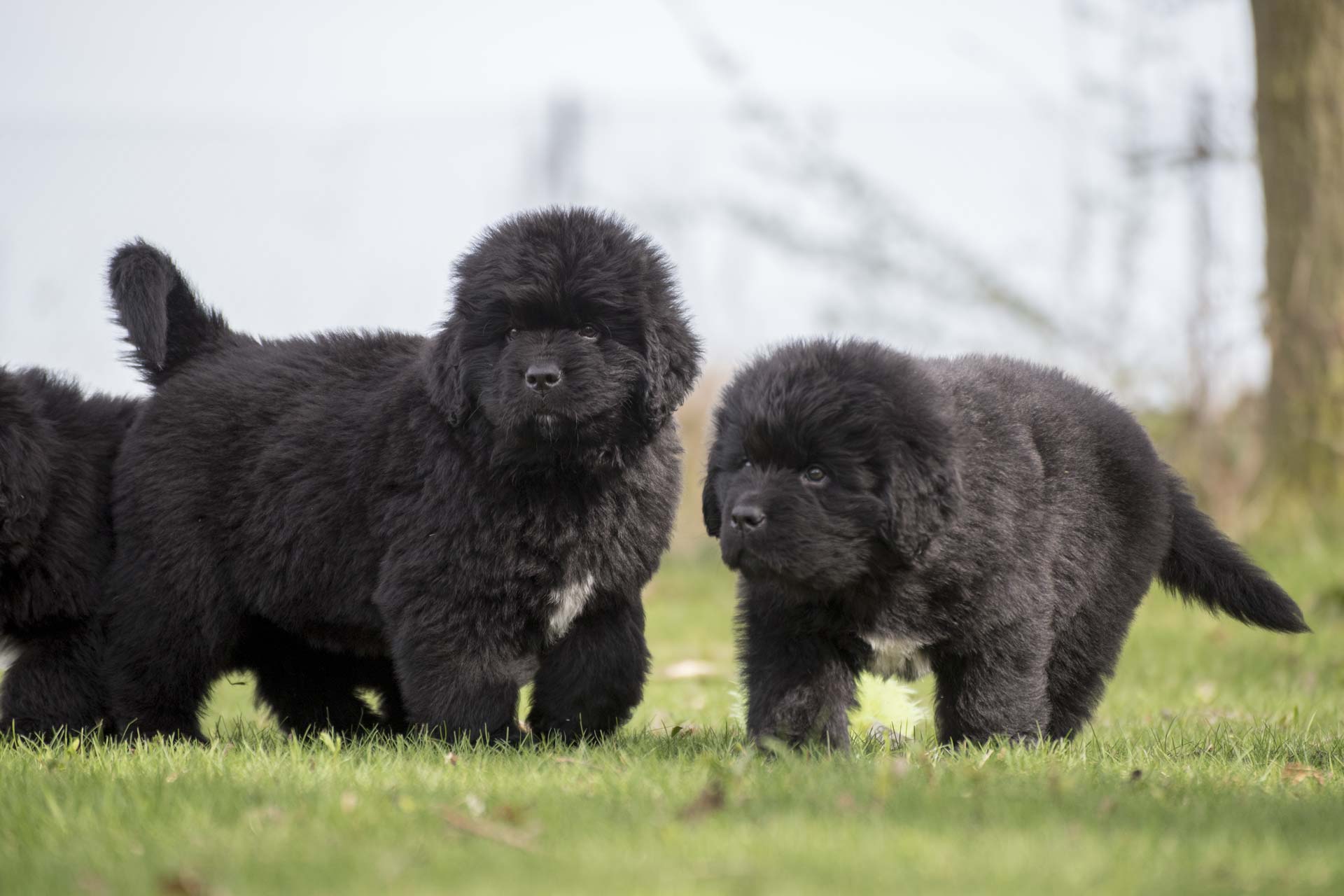
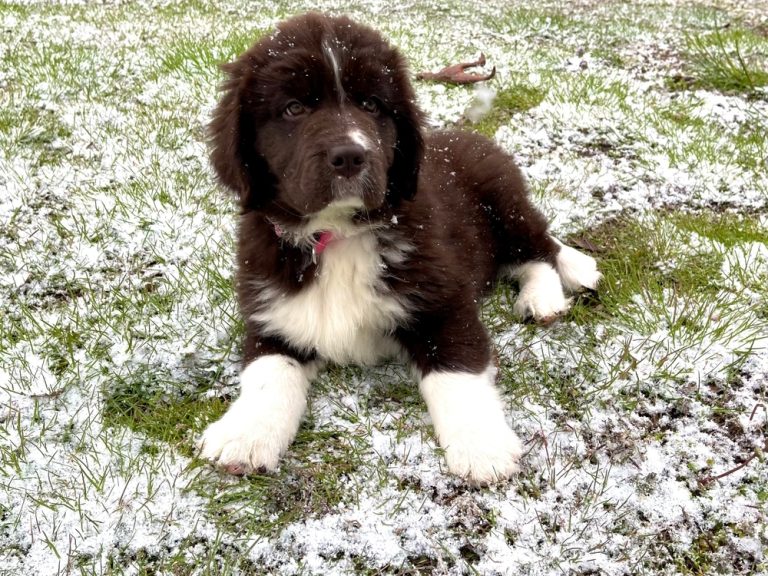
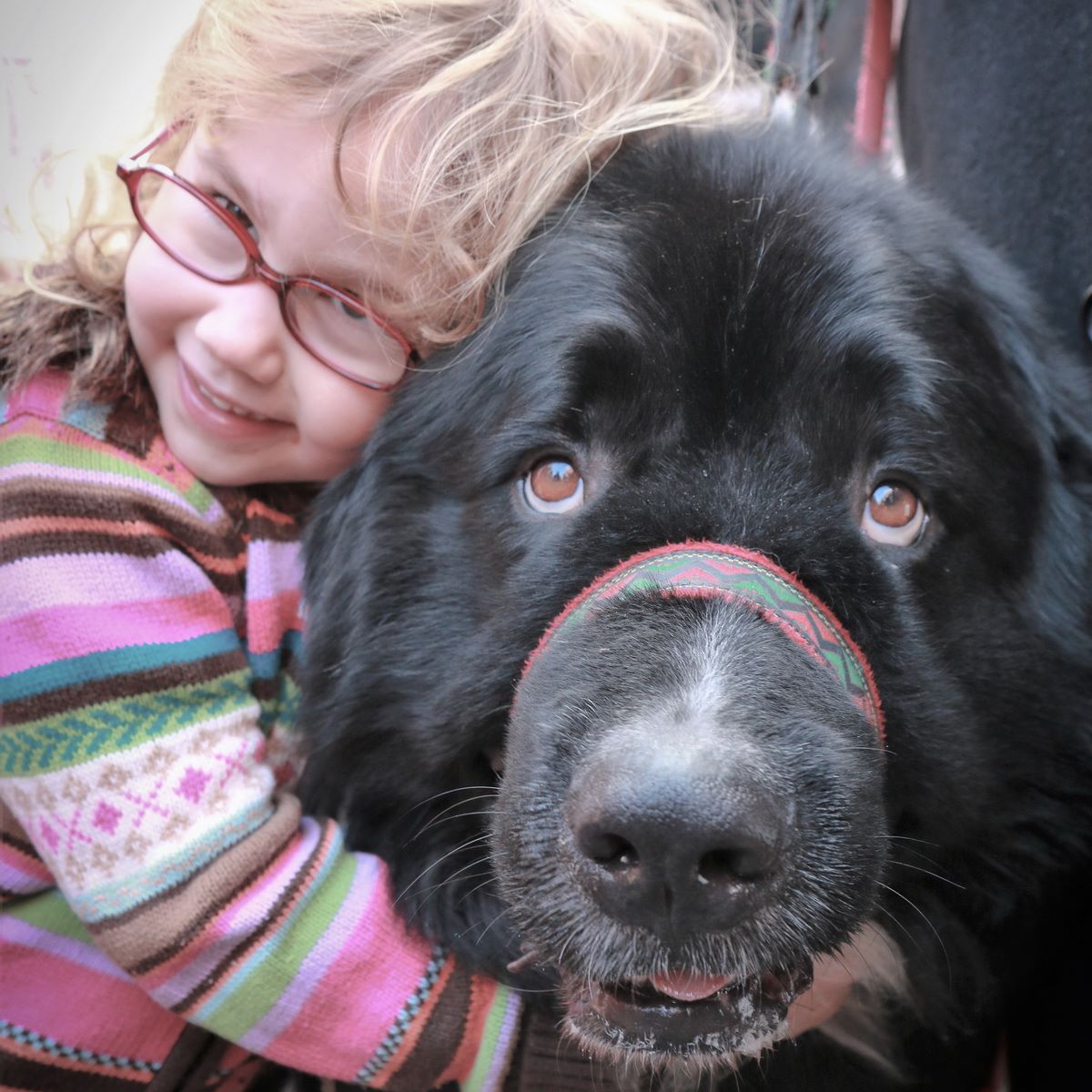
Newfoundlands are renowned for their sweet, docile temperament, yet they mature slowly compared to smaller counterparts. This extended puppyhood means that heavy chewing and awkward clumsiness can persist well past the first year of life. Understanding these unique developmental traits helps owners maintain patience throughout the adolescent phase. Comprehensive resources regarding Dog Breeds highlight how water-rescue heritage and draft work influence the sturdy build and mouthy nature of this magnificent companion.
When to consult a professional behaviorist
Persistent biting accompanied by rigid body posture, growling, or snapping during resource guarding warrants immediate professional intervention. While standard puppy mouthing resolves with maturity and redirection, true aggressive displays require expert guidance to ensure household safety. Consulting a certified veterinary behaviorist or a positive reinforcement trainer provides tailored solutions that address the root causes of fear or reactivity without compromising trust.
Building a harmonious future with your companion
Navigating the early months with a giant breed requires dedication, consistency, and a thorough understanding of canine development. By meeting physical and mental needs through structured routines, households can successfully transform a mouthy infant into a well-mannered adult. Explore more expert advice and resources at PetsAnimalsWorld.com to support every stage of your journey, keeping both physical and emotional Dog Health in balance.




