

Introduction
The journey of pet ownership often involves a keen focus on ensuring a companion animal thrives. In this pursuit, the topic of dog and cat supplements frequently arises, prompting many questions from dedicated pet parents. Essentially, pet supplements are nutritional additions designed to complement a pet’s regular diet, aiming to support specific health functions, address potential deficiencies, or promote overall well-being. These products are not intended to replace a balanced diet but rather to provide targeted boosts for various aspects of health, ranging from joint mobility and skin vitality to digestive function and cognitive acuity. Understanding when and why these dietary aids might be beneficial is crucial, as their appropriate use can significantly contribute to a dogs or cat’s improved health, vitality, and overall quality of life.
💡 Pet Care Key Takeaways:
- Core Focus: Practical health, nutrition, and wellness guidelines for Dog And Cat Supplements.
- Target Scope: Pet owners, animal caregivers, and veterinary support staff.
- Best Recommendation: Maintain consistent daily routines and consult an accredited veterinarian before introducing major diet or medical changes.
Common Causes and Key Factors
The consideration of dog and cat supplements stems from a variety of factors related to a pet’s lifestyle, age, breed, and existing health status. One primary reason revolves around potential dietary gaps. While many commercial pet foods are formulated to be complete and balanced, individual pets may have unique nutritional requirements that are not fully met by their standard diet, or they may simply benefit from higher levels of certain nutrients. For more related activities, check out our Natural Balance Puppy Food Quantity Chart.
Aging is another significant catalyst. As dogs and cats grow older, their bodies undergo natural changes. Older pets often experience reduced joint flexibility, declining cognitive function, and a weakening immune system, all of which can be supported through specific supplements. Similarly, certain breeds are predisposed to particular health conditions; for instance, large dog breeds are often susceptible to joint issues, making preventative or supportive joint supplements a common consideration.
Specific health conditions also play a crucial role. Pets suffering from allergies, digestive sensitivities, chronic inflammation, or anxiety may find relief and support from targeted supplements like omega-3 fatty acids for skin health, probiotics for gut flora balance, or calming formulas for stress reduction. Furthermore, highly active pets or those recovering from illness or injury might require additional nutritional support to aid muscle repair, boost energy, or accelerate healing. Environmental stressors, such as changes in routine or exposure to new surroundings, can also impact a pet’s immune system, leading to a temporary need for immune-boosting supplements.
Signs and Symptoms to Observe
Recognizing the signs that a pet might benefit from dog and cat supplements involves careful observation of physical and behavioral changes. These indicators can vary widely depending on the underlying need and the pet’s age, breed, and general environment.
Physically, changes in coat quality, such as dullness, dryness, excessive shedding, or flaky skin, can suggest a need for skin and coat support, often addressed with omega-3 fatty acids. Limping, stiffness, difficulty rising, a reluctance to play, or decreased mobility, especially after rest, are common signs of joint discomfort and might indicate a need for joint-supporting supplements. Digestive upset, including chronic diarrhea, constipation, or excessive gas, often points to an imbalance in gut flora, where probiotics could be beneficial. A recurring pattern of minor infections or general lethargy could signal a compromised immune system.
Behaviorally, a noticeable decrease in energy levels, reduced interest in activities that were once enjoyed, or increased irritability could be tied to physical discomfort or nutritional deficiencies. In older pets, signs of cognitive decline such as disorientation, altered sleep-wake cycles, house-soiling accidents, or changes in interaction patterns might suggest the need for brain-supporting supplements. Persistent anxiety, excessive vocalization, or destructive behaviors unrelated to training issues could also indicate a need for calming supplements, particularly if environmental stressors are a factor. Observing these subtle shifts and understanding their potential implications is the first step toward exploring appropriate supplementary care.
Practical Solutions and Management Strategies
Approaching the use of dog and cat supplements requires a thoughtful and informed strategy to ensure optimal benefits for a pet. The most crucial initial step is always to consult with a veterinarian. A professional can accurately diagnose any underlying health issues, assess a pets current diet, and recommend the most appropriate supplements and dosages, preventing potential adverse interactions with existing medications or health conditions.
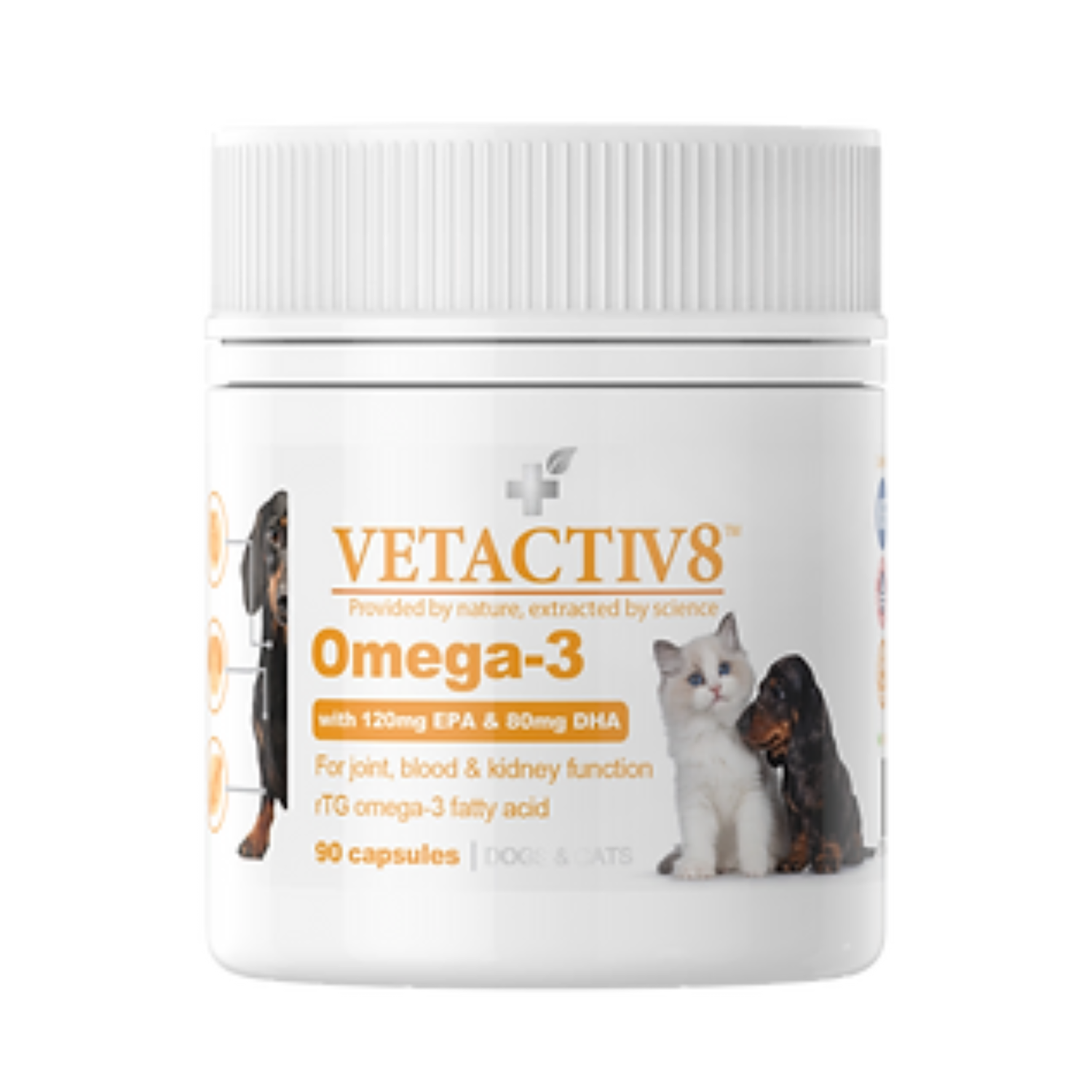
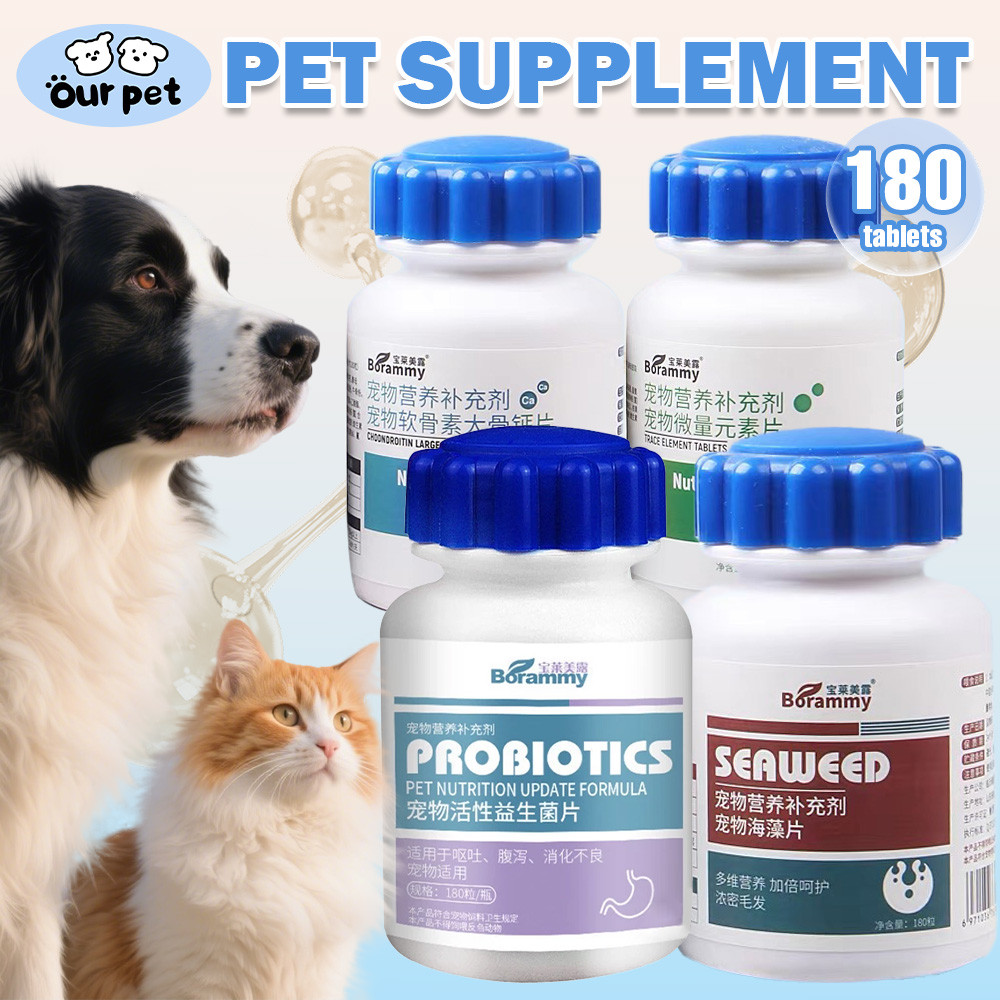
Once a specific need has been identified, various types of supplements can be considered. For joint support, ingredients like glucosamine, chondroitin, and MSM are widely utilized. For enhancing skin and coat health, omega-3 fatty acids (EPA and DHA) sourced from fish oil are often recommended. Digestive health can be significantly improved with probiotics, prebiotics, and digestive enzymes. Calming supplements, often containing ingredients like L-theanine or tryptophan, can help manage anxiety or stress. Multivitamins are available to address general nutritional gaps, while specific vitamins (e.g., Vitamin E) or antioxidants can support the immune system or cognitive function.
Selecting high-quality supplements is paramount. Pet owners should prioritize products from reputable brands that undergo third-party testing for purity and potency. Looking for certifications or seals of approval from veterinary organizations can provide additional assurance. Dosage accuracy is vital; strictly adhering to the veterinarian’s recommendations or the product label is essential, as too much of certain nutrients can be harmful. Supplements come in various forms, including chewable tablets, soft chews, powders, and liquids, allowing owners to choose the most palatable option for their pet. It is also important to remember that supplements often require consistent administration over several weeks or months to demonstrate noticeable effects, and ongoing monitoring of a pet’s response is necessary, with regular updates provided to the veterinarian.
When Professional Help May Be Needed
While dog and cat supplements can offer valuable support for pet health, it is imperative to understand that they are not a substitute for professional veterinary care. The decision to introduce any supplement should always be made in consultation with a veterinarian. This professional guidance is crucial for several reasons.
Firstly, a veterinarian can accurately diagnose the root cause of a pets symptoms. What appears to be a simple joint stiffness, for example, could be a symptom of a more serious underlying condition requiring specific medical treatment rather than just a supplement. Secondly, a veterinarian can help identify potential interactions between supplements and any existing medications a pet may be taking, preventing adverse reactions or reduced efficacy of treatments. They can also advise on appropriate dosages, as over-supplementation can sometimes lead to toxicity, and under-supplementation may yield no benefits.
Professional help is particularly needed if a pet’s symptoms are severe, acute, or progressively worsening despite the use of supplements. Sudden lameness, persistent vomiting or diarrhea, severe skin irritation, or significant behavioral changes warrant immediate veterinary attention. Furthermore, if a pet has a chronic illness, such as kidney disease, diabetes, or heart conditions, any consideration of supplements must be thoroughly discussed with the treating veterinarian, as certain ingredients could be contraindicated. Regular veterinary check-ups remain the cornerstone of preventative care and are essential for monitoring a pet’s overall health and the effectiveness of any supplementary regimen.
Conclusion
The thoughtful integration of dog and cat supplements into a pets health regimen can play a significant role in enhancing their well-being and addressing specific health challenges. These dietary aids, when chosen and administered correctly, offer a proactive approach to supporting various bodily functions, from maintaining agile joints to promoting a lustrous coat and a calm demeanor. However, their efficacy and safety are maximized through informed decision-making. Awareness of common needs, careful observation of a pets physical and behavioral cues, and a commitment to high-quality products are all vital. Most importantly, engaging with a veterinarian is not merely recommended but essential, ensuring that any supplementary plan is tailored to an individual pets specific requirements and health status. By embracing a balanced approach that combines proper nutrition, attentive care, and professional guidance, pet owners can empower their beloved companions to lead healthier, happier, and more fulfilling lives.
Pet Care & Wellness Overview Table
| Life Stage | Daily Activity Level | Key Nutrition / Care Focus |
|---|---|---|
| Puppy / Kitten | High (frequent short bursts) | High-protein growth diet & early socialization |
| Adult Companion | Moderate (30–60 mins daily) | Balanced maintenance nutrition & dental hygiene |
| Senior Pets | Low to Gentle (mindful walks) | Joint support (Glucosamine) & routine vet checks |
Images References



For more expert pet care tips and advice, check out our dedicated Dog Nutrition guides to keep your companions healthy and happy.




