

Introduction
Understanding a dog’s digestive health is a cornerstone of responsible pet ownership. Among the common canine ailments, diarrhea frequently presents a challenge for dog owners. The topic of dog anti diarrhea medicine becomes central when addressing these uncomfortable and potentially serious episodes. This refers to the various medications, both over-the-counter and prescription-strength, designed to alleviate the symptoms and address the underlying causes of loose or watery stools in canines. Recognizing when and why digestive upset occurs in dogs is crucial, as is knowing how to respond effectively. Appropriate management, which may include the judicious use of dog anti diarrhea medicine, significantly contributes to a dogs comfort, recovery, and overall quality of life by restoring digestive balance and preventing complications such as dehydration.
💡 Pet Care Key Takeaways:
- Core Focus: Practical health, nutrition, and wellness guidelines for Dog Anti Diarrhea Medicine.
- Target Scope: Pet owners, animal caregivers, and veterinary support staff.
- Best Recommendation: Maintain consistent daily routines and consult an accredited veterinarian before introducing major diet or medical changes.
Common Causes and Key Factors
Canine diarrhea can stem from a wide array of factors, making diagnosis a critical first step before administering any dog anti diarrhea medicine. One prevalent cause is dietary indiscretion, often referred to as “garbage gut,” where a dog consumes spoiled food, fatty scraps, or non-food items. Sudden changes in diet, including switching brands or introducing new treats too quickly, can also upset a dog’s sensitive digestive system. For more related activities, check out our Natural Remedies For Fluid Retention In Dogs Australia.
Food allergies or intolerances to specific ingredients, such as certain proteins or grains, manifest as chronic or recurring diarrhea. Environmental stressors, anxiety from separation, or changes in routine are recognized contributors to stress-induced colitis, leading to digestive upset.
Infectious agents are another significant category. These include internal parasites like roundworms, hookworms, whipworms, Giardia, and Coccidia, which can irritate the intestinal lining. Bacterial infections (e.g., Salmonella, Clostridium) and viral infections (e.g., parvovirus, canine distemper, rotavirus) are serious causes of acute diarrhea, often accompanied by other severe symptoms.
Furthermore, the ingestion of toxins, certain medications (like antibiotics, which can disrupt gut flora), or even household plants can trigger diarrhea. Underlying medical conditions such as inflammatory bowel disease (IBD), pancreatitis, kidney disease, liver disease, or certain types of cancer can also present with chronic or recurrent bouts of diarrhea, necessitating thorough veterinary investigation.
Signs and Symptoms to Observe
Recognizing the signs and symptoms associated with canine diarrhea is essential for prompt intervention and determining the need for dog anti diarrhea medicine. The most obvious indicator is the change in stool consistency, ranging from soft and poorly formed to entirely liquid or watery. An increased frequency of defecation is also common, with some dogs needing to relieve themselves multiple times within a short period.
Other observable signs include straining during defecation, despite the loose nature of the stool, and the presence of blood or mucus. Blood may appear bright red, indicating fresh bleeding in the lower digestive tract, or dark and tarry, suggesting digested blood from the upper tract. Mucus often gives the stool a jelly-like appearance.
Beyond the stool itself, a dog experiencing diarrhea might exhibit lethargy, reduced energy levels, or general weakness. A loss of appetite is frequently observed, as is vomiting, especially if the digestive upset is severe or involves the upper gastrointestinal tract. Signs of dehydration, such as sunken eyes, dry gums, and a lack of skin elasticity, are critical to monitor, particularly in puppies and senior dogs who are more vulnerable to fluid loss. Puppies, in particular, may quickly succumb to dehydration due to their smaller body mass and less developed immune systems. Age, breed, and overall health status can influence the severity of symptoms, with younger and older dogs often showing more pronounced effects.
Practical Solutions and Management Strategies
Managing a dog’s diarrhea often begins with practical home care strategies, though the selection of dog anti diarrhea medicine requires careful consideration. For mild, acute cases not accompanied by other severe symptoms, an initial period of fasting for 12-24 hours can help rest the digestive system. This should always be followed by the introduction of a bland diet, typically consisting of boiled lean protein such as boneless, skinless chicken or turkey, mixed with plain white rice or pureed pumpkin. These ingredients are easy to digest and can help firm up stools.
Ensuring constant access to fresh water is paramount to prevent dehydration, which is a significant risk with diarrhea. Gradually reintroducing the regular diet over several days, once stools have normalized, is also important to avoid further upset.
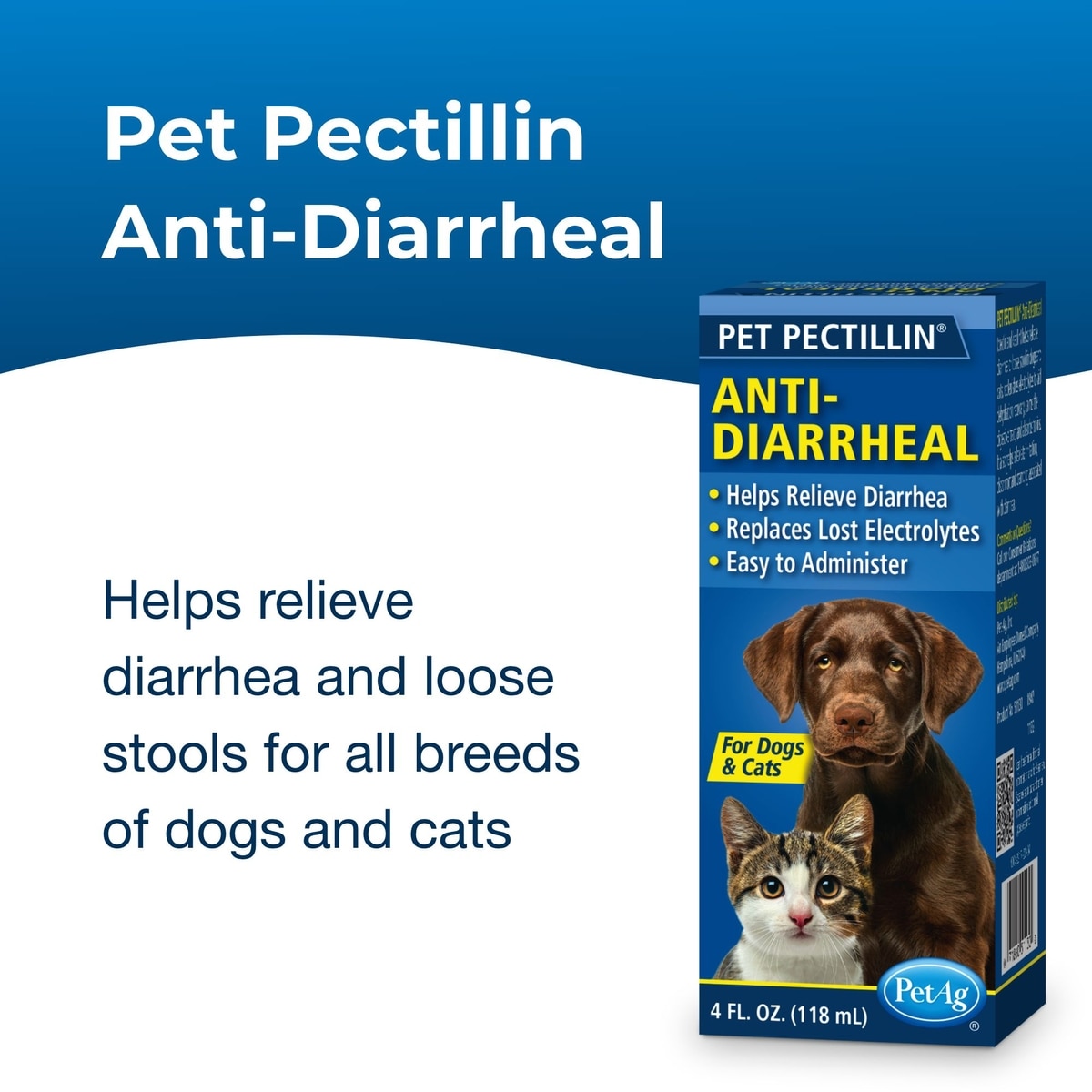
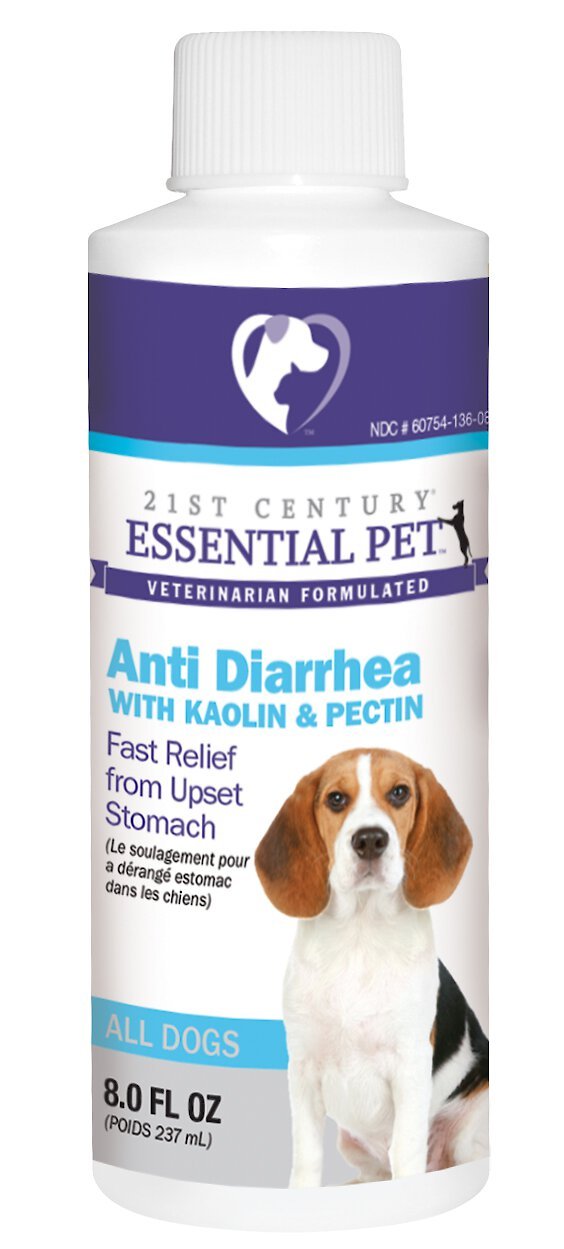
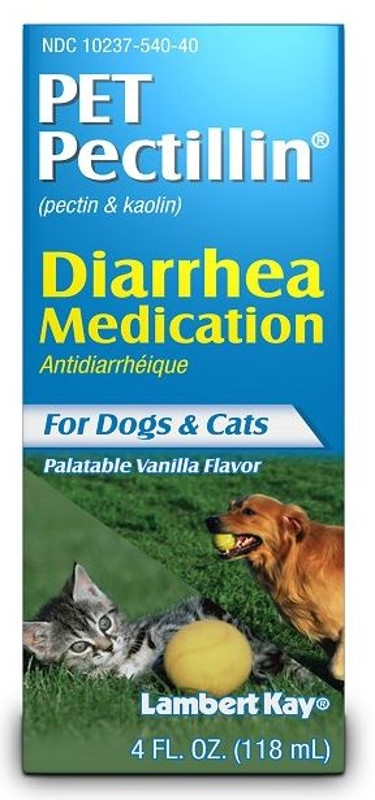
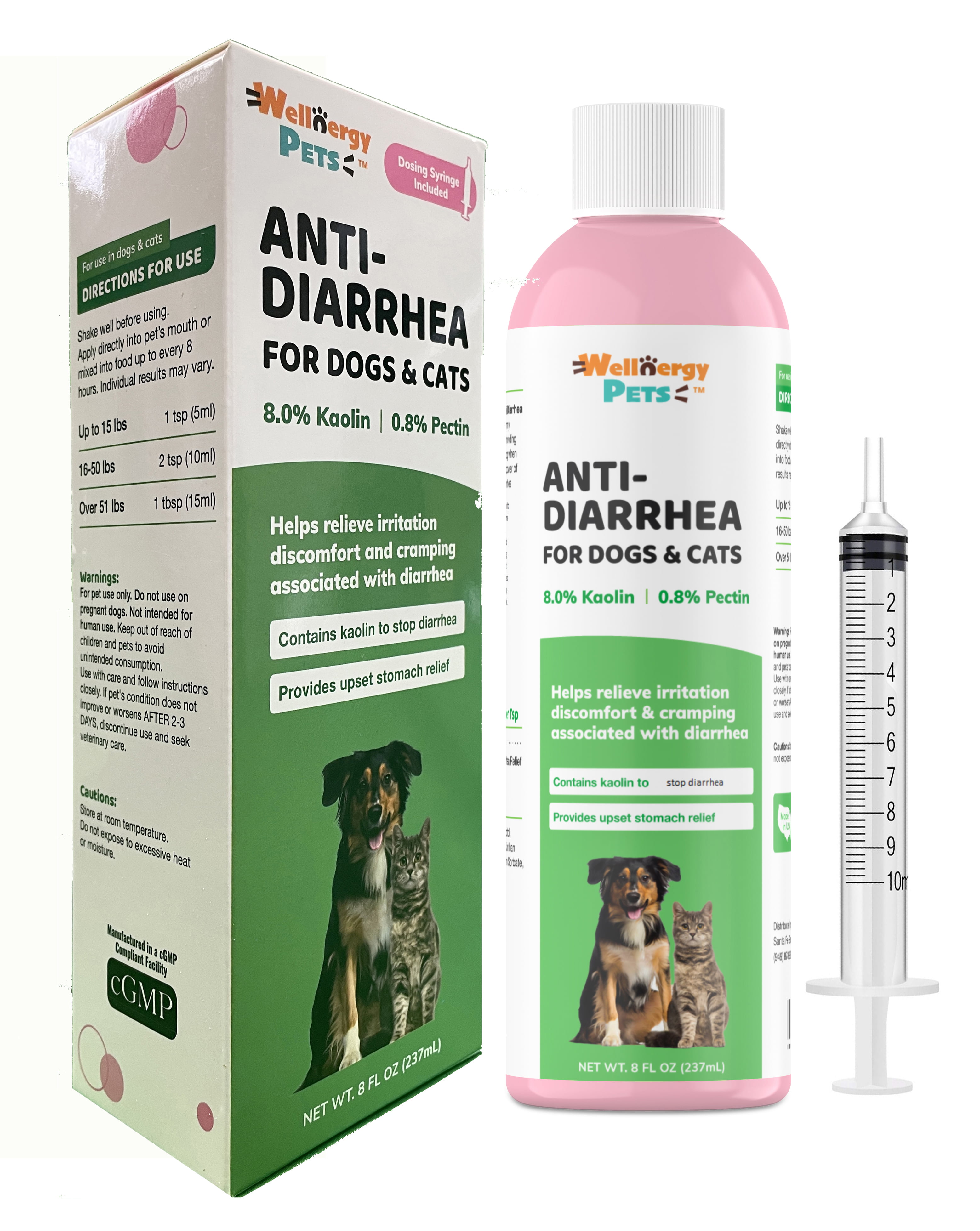
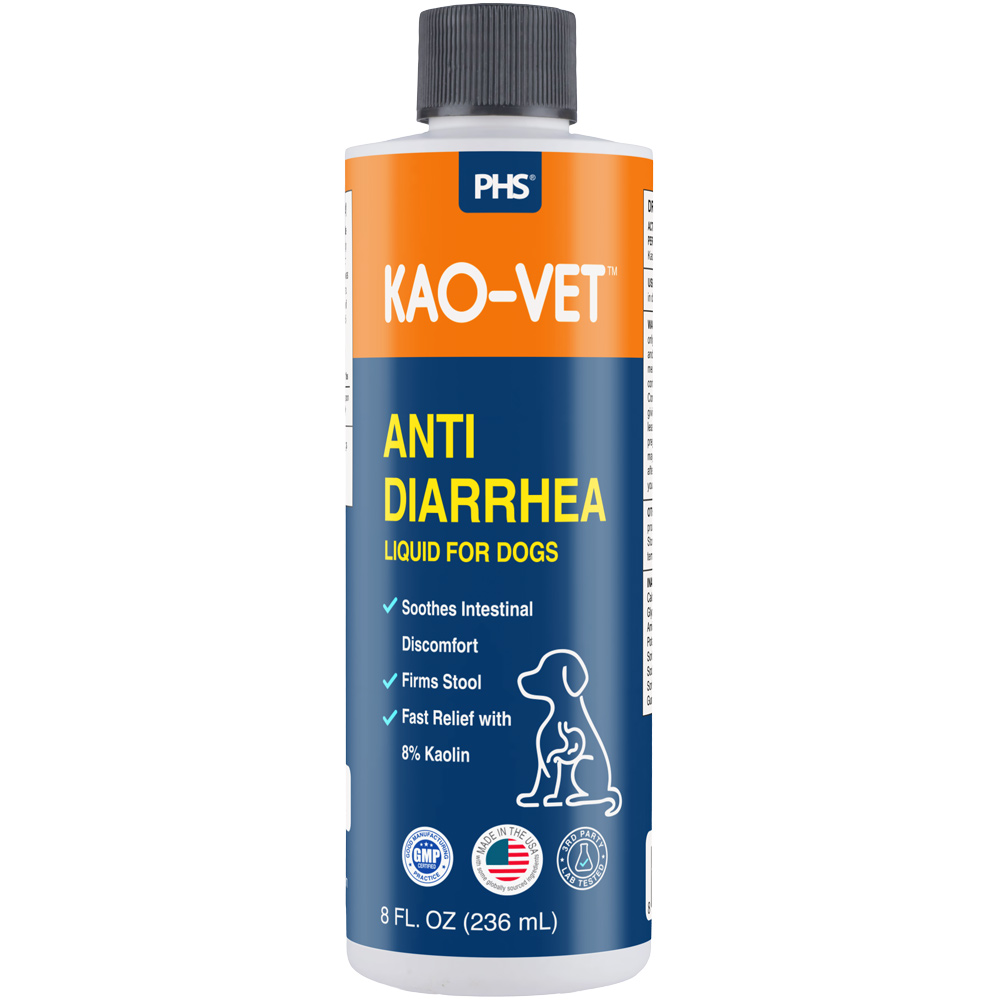
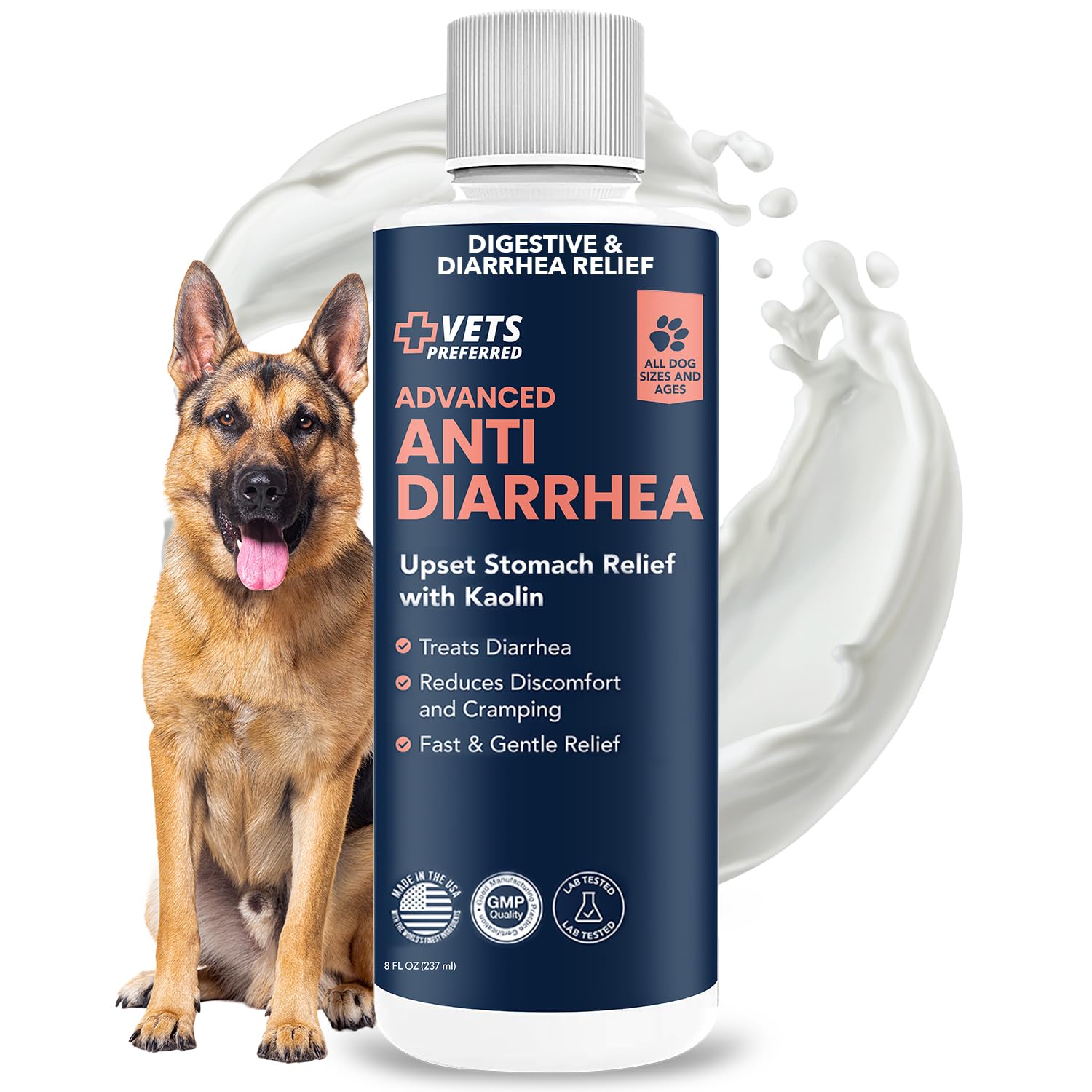
When considering dog anti diarrhea medicine, it is crucial to consult a veterinarian first. Over-the-counter options, such as those containing kaolin and pectin, or bismuth subsalicylate, may be suggested by a veterinary professional for specific situations. However, dosages must be precise and strictly adhere to veterinary instructions, as some human medications can be harmful to dogs, especially bismuth subsalicylate due to its aspirin-like component. Probiotics, which introduce beneficial bacteria to the gut, can also be a valuable adjunctive therapy to restore healthy gut flora following a digestive upset, particularly after antibiotic use.
Lifestyle adjustments can also play a role in prevention and management. Reducing environmental stress, maintaining a consistent daily routine, and preventing access to garbage or potentially toxic substances are all crucial. For dogs with known food sensitivities, a high-quality, consistent diet free from known allergens is essential. Regular deworming protocols, as advised by a veterinarian, can prevent parasitic causes of diarrhea.
When Professional Help May Be Needed
While some mild cases of diarrhea can resolve with basic home care, it is imperative for dog owners to recognize when veterinary intervention is necessary, especially before administering any dog anti diarrhea medicine. Immediate professional help should be sought if diarrhea persists for more than 24 to 48 hours, or if it is accompanied by other severe symptoms.
Signs such as profound lethargy, severe weakness, persistent vomiting, or visible blood in the stool (either bright red or dark and tarry) are clear indicators that a veterinary consultation is required. The presence of significant dehydration, which can manifest as sunken eyes, dry gums, or a loss of skin elasticity, also warrants immediate professional attention.
Additionally, if a dog is suspected of ingesting a toxin or foreign object, or if it exhibits signs of fever or severe abdominal pain, a trip to the veterinarian is non-negotiable. Young puppies and elderly dogs are particularly vulnerable to the effects of diarrhea and dehydration, making prompt veterinary assessment critical for these age groups. Any lack of improvement despite initial home care attempts or if the diarrhea recurs frequently also signals a need for a professional diagnostic workup to identify underlying conditions. A veterinarian can accurately diagnose the cause of the diarrhea and prescribe appropriate, safe dog anti diarrhea medicine, or other necessary treatments, ensuring the best possible outcome for the dog’s health.
Conclusion
Understanding and effectively managing canine diarrhea is a vital aspect of maintaining a dog’s health and well-being. From recognizing the diverse causes, which range from dietary indiscretion to serious infections, to observing the various symptoms, vigilant pet ownership plays a pivotal role. While practical home strategies such as bland diets and ensuring hydration can be beneficial for mild cases, the careful and informed use of dog anti diarrhea medicine is a critical component of treatment. It is consistently emphasized that any dog anti diarrhea medicine, whether over-the-counter or prescription, should only be administered under the guidance and specific dosage instructions of a qualified veterinary professional. Proactive measures, accurate observation, and timely veterinary consultation ensure that digestive upsets are addressed effectively, preventing complications and promoting a speedy recovery. Prioritizing a dog’s digestive health through informed care ultimately contributes to a happy, comfortable, and thriving companion.
Pet Care & Wellness Overview Table
| Life Stage | Daily Activity Level | Key Nutrition / Care Focus |
|---|---|---|
| Puppy / Kitten | High (frequent short bursts) | High-protein growth diet & early socialization |
| Adult Companion | Moderate (30–60 mins daily) | Balanced maintenance nutrition & dental hygiene |
| Senior Pets | Low to Gentle (mindful walks) | Joint support (Glucosamine) & routine vet checks |
Images References



For more expert pet care tips and advice, check out our dedicated Dog Health guides to keep your companions healthy and happy.




