Introduction
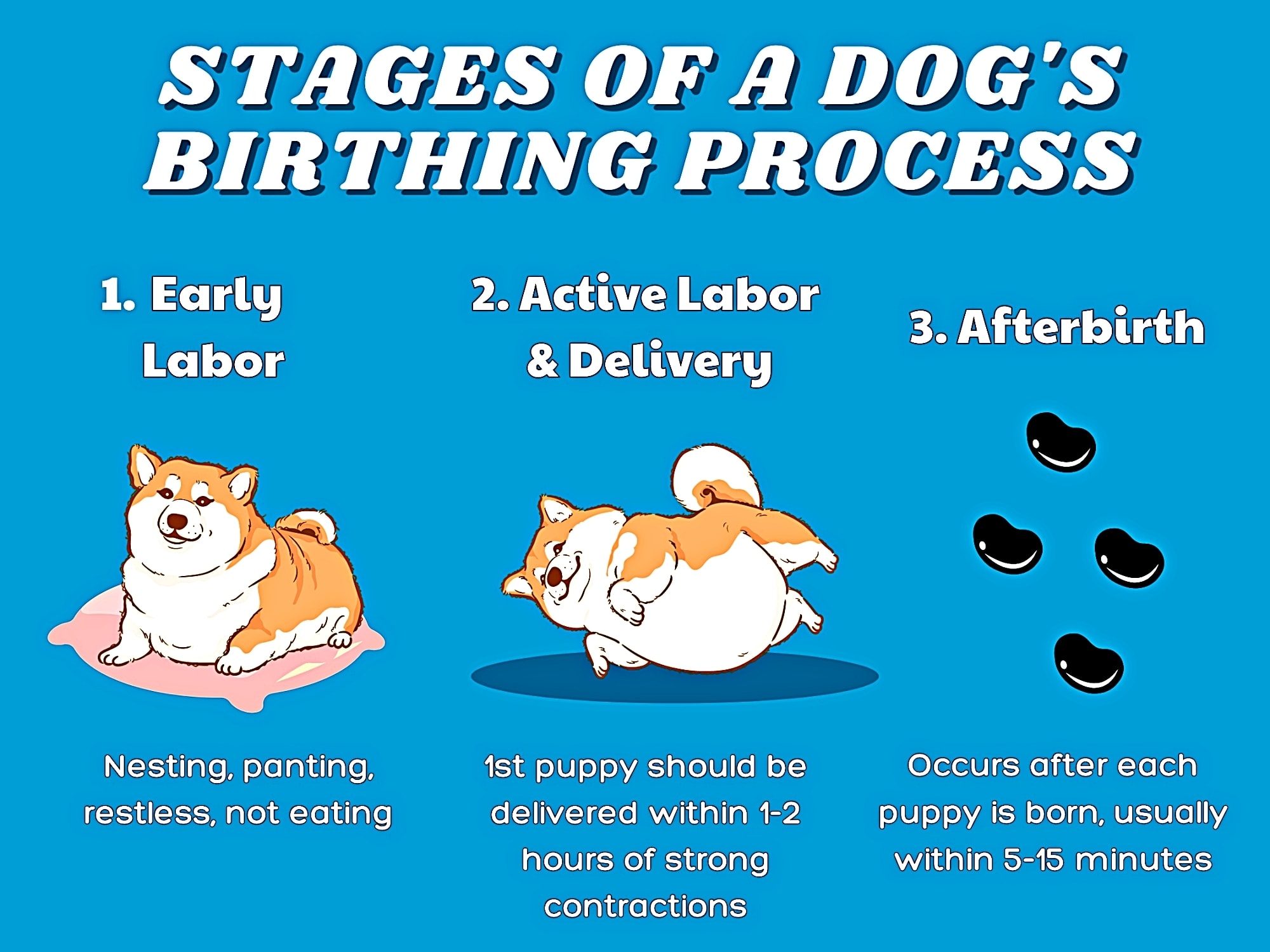
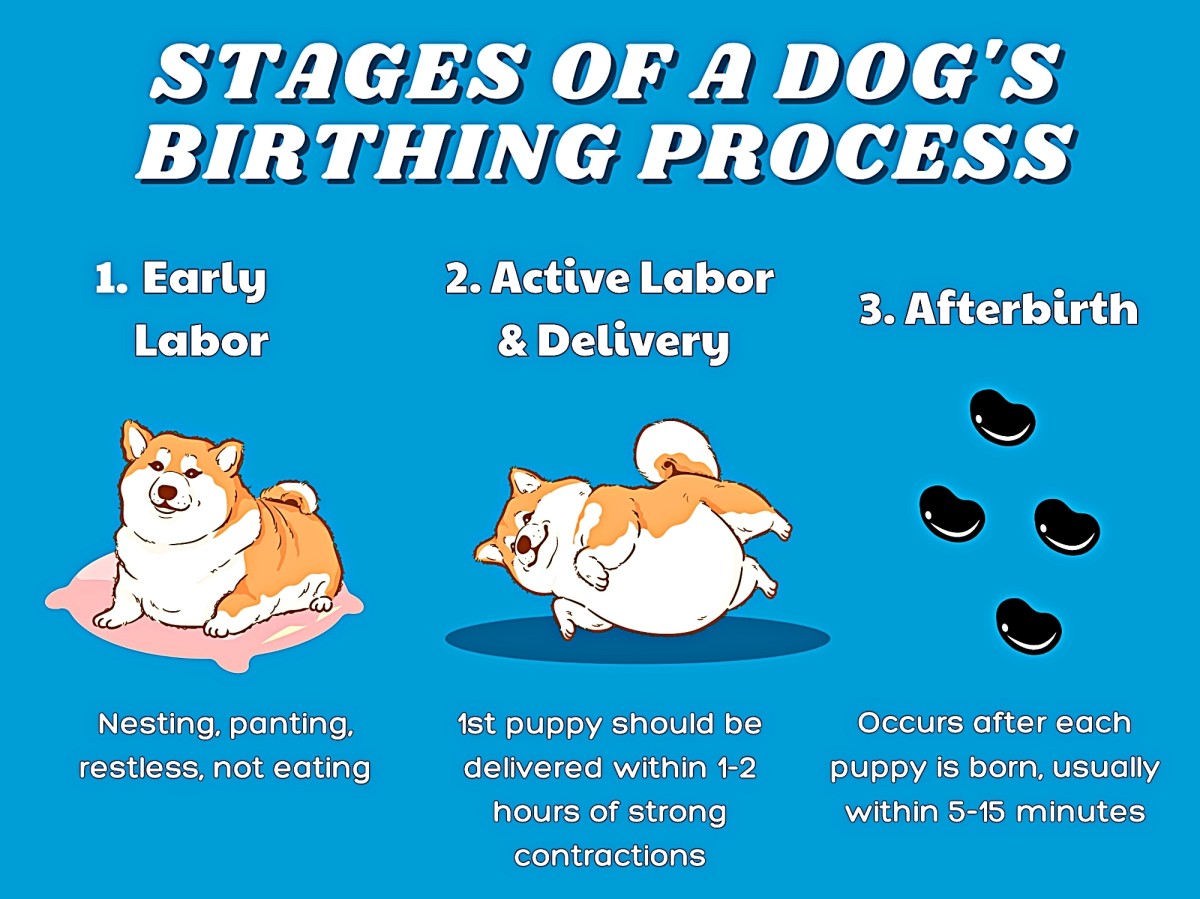
Canine parturition is preceded by predictable physiological and psychological shifts that manifest as distinct nesting, restlessness, and social detachment. According to the American Animal Hospital Association (AAHA), recognizing these early behavioral cues allows veterinary professionals and caregivers to establish optimal prenatal interventions, ensuring both maternal and neonatal safety. Monitoring Dog Health during this window requires deep familiarity with canine endocrinology, specifically the sudden drop in circulating progesterone levels that triggers uterine contractions and radical behavioral transformations. Understanding these shifts provides pet parents and animal health technicians with the diagnostic clarity necessary to differentiate normal pre-labor indicators from pathological distress.
Pet Wellness & Behavior Snapshot:
- Core Focus: Identifying and managing physiological and psychological changes in pregnant canines immediately prior to parturition.
- Target Scope: Companion animal caregivers, kennel managers, and veterinary support personnel overseeing late-gestation female dogs.
- Key Recommendation: Establish a quiet, secluded whelping box at least one week before the expected due date to reduce maternal cortisol levels.
Core Principles and Detailed Overview
Pre-labor behavioral manifestations in companion animals are driven primarily by hormonal cascades, drops in internal body temperature, and instinctual drives to secure a safe environment for neonates. Nesting activity represents the most prominent behavioral indicator, where the pregnant female scratches bedding, rearranges blankets, and isolates herself in dark, quiet corners. This instinctual digging behavior correlates directly with the search for a secure den. Furthermore, appetite suppression frequently occurs twenty-four to forty-eight hours prior to stage one labor. Careful management of Dog Nutrition throughout gestation must transition smoothly into offering highly palatable, energy-dense foods or specialized puppy formulas if the female willingly consumes small meals, though forced feeding should be strictly avoided. Caregivers must observe these patterns without inducing unnecessary social stress, as excessive handling during late gestation elevates maternal anxiety and may complicate the delivery process.
Key Specifications and Breakdown
| Observed Indicator / Factor | Veterinary & Behavioral Explanation | Actionable Management Protocol |
|---|---|---|
| Excessive Digging and Nesting | Instinctual den-seeking behavior stimulated by declining progesterone and rising prostaglandin concentrations. | Provide a dedicated whelping box lined with washable, absorbent bedding in a low-traffic area. |
| Anorexia and Food Refusal | Physical crowding of the gastrointestinal tract by developing fetuses combined with hormonal shifts preceding parturition. | Offer small, frequent portions of highly digestible foods and ensure constant access to fresh water. |
| Clinging or Complete Isolation | Heightened vulnerability triggers either hyper-attachment to a primary caregiver or a strong desire for total seclusion. | Maintain a calm, predictable environment and allow the animal to dictate the level of social interaction. |
Maintaining strict environmental stability and veterinary oversight during late gestation significantly reduces the incidence of dystocia and maternal trauma. — American Veterinary Medical Association (AVMA)
Step-by-Step Practical Application and Guidelines
Implementing a structured management protocol requires meticulous observation, environmental preparation, and adherence to established veterinary standards. Caregivers should begin monitoring rectal temperatures twice daily starting approximately one week before the projected due date, noting that a drop below 99°F typically precedes the onset of stage one labor within twenty-four hours. Maintaining close observation of Dog Care routines ensures that any sudden shift from mild restlessness to intense vocalization, pacing, or straining is documented immediately. The whelping area must remain undisturbed, free from household pets, and kept at an ambient temperature between 75°F and 80°F to support both the birthing mother and newborn neonates. Professional veterinary contact numbers should be prominently displayed near the whelping station to guarantee rapid response capabilities should anomalous behavioral or physical symptoms emerge during the delivery phase.
Common Challenges and How to Avoid Them
Misinterpreting normal nesting behaviors as pathological distress often leads to unwarranted panic, excessive handling, and inadvertent disruption of the natural whelping process. Interfering too frequently with a nesting female spikes maternal adrenaline, which can stall labor contractions and necessitate emergency veterinary intervention. Conversely, ignoring subtle signs of abnormal lethargy, greenish vaginal discharge prior to the delivery of the first puppy, or prolonged unproductive straining for over two hours can result in fatal outcomes for the dam and litter. Understanding Dog Behavior ensures that caregivers recognize the distinct boundary between productive nesting and dangerous exhaustion. Professional veterinary consultation must be sought immediately if the pregnant animal displays signs of severe pain, disorientation, or failure to progress through the recognized stages of canine parturition.
💬 Frequently Asked Questions
Explore More Pet Care and Animal Health Guides on PetsAnimalsWorld
Mastering the nuances of canine reproduction, maternal psychology, and clinical observation empowers caregivers to protect vulnerable animals during their most critical life stages. Comprehensive resources covering every aspect of animal companionship are available through the central library at Pets Animals World, where pet enthusiasts and health professionals alike discover evidence-based guidance.
Visual Reference Gallery