
Understanding Canine Sensitivity During Pregnancy and Childbirth
According to the American Kennel Club, dogs possess an extraordinary sense of smell and a high level of social perception that allows them to detect subtle shifts in human physiology. When a household prepares for the arrival of a new family member, domestic canines often notice these changes long before physical milestones become obvious. Observing dog behavior before human labor offers a fascinating glimpse into the intuitive nature of animals. Canines frequently alter their daily routines, posture, and proximity to pregnant individuals in response to hormonal variations, altered gaits, and unfamiliar emotional states. Recognizing these subtle adjustments helps households maintain harmony, ensure safety, and appreciate the complex ways pets perceive significant life events.
💡 Pet Care Key Takeaways:
- Core Focus: Practical health, nutrition, and wellness guidelines for Dog Behavior Before Human Labor.
- Target Scope: Pet owners, animal caregivers, and veterinary support staff.
- Best Recommendation: Maintain consistent daily routines and consult an accredited veterinarian before introducing major diet or medical changes.
Interpreting Canine Reactions to Impending Childbirth
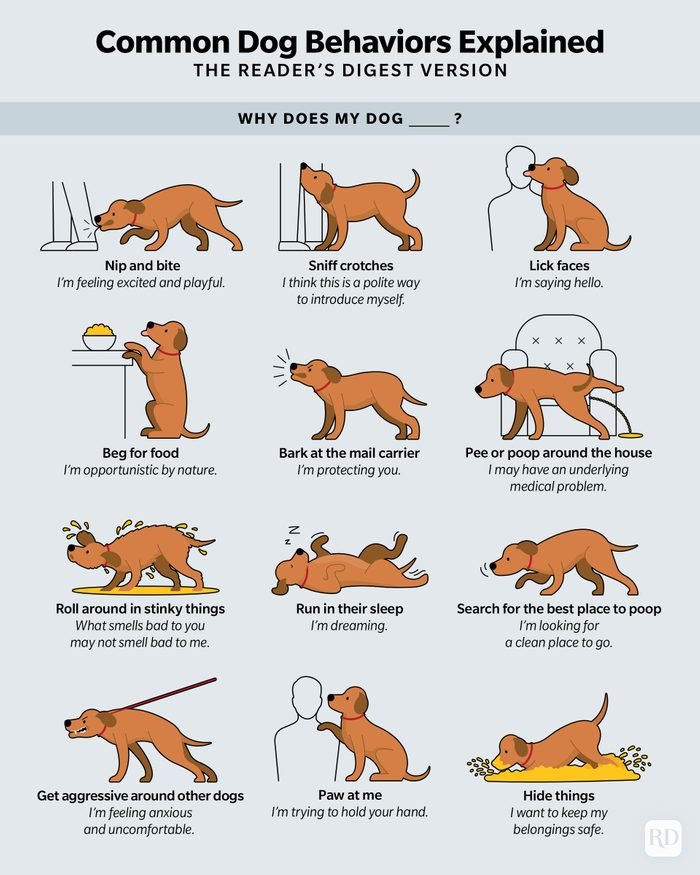
Dog behavior before human labor encompasses a range of instinctive responses triggered by scent, sound, and visual cues. As impending labor approaches, a pregnant individual undergoes distinct physiological and hormonal shifts that release unique olfactory signatures into the environment. Canines, equipped with hundreds of millions of olfactory receptors, easily detect these chemical changes. This heightened awareness often manifests as persistent shadowing, increased vigilance, or an intense desire to remain in close physical contact. Some animals may rest their heads against a pregnant abdomen, while others exhibit mild restlessness, pacing, or whines that reflect empathetic stress or confusion regarding the shifting household dynamics. For more related activities, check out our Dog Velcro Behavior.
The physiological changes preceding childbirth can induce varying degrees of stress, anxiety, or hyper-attachment in household pets. While some animals welcome the changes with quiet companionship, others may find the tension and unpredictability overwhelming. Excessive shadowing or resource guarding of the pregnant individual can occasionally emerge if the animal feels a strong compulsion to protect vulnerable pack members. Understanding these psychological impacts requires careful observation of stress signals, such as excessive yawning, lip-licking, or cowering. Providing a stable environment grounded in routine Dog Care principles helps mitigate anxiety during an inherently chaotic transitional period.
Canines possess an extraordinary olfactory system containing up to three hundred million receptors, enabling them to detect minute hormonal shifts and volatile organic compounds associated with human physiological changes. — American Kennel Club
Managing Shifts in Animal Conduct Prior to Delivery
Managing alterations in animal conduct requires proactive planning, patience, and consistent positive reinforcement. Establishing boundaries well in advance prevents intense clinginess from escalating into problematic behaviors like barrier frustration or separation anxiety. Households benefit from introducing new nursery scents, sounds, and furniture gradually rather than abruptly. Integrating structured obedience exercises and puzzle toys into the daily schedule provides mental stimulation and channels nervous energy productively. Sound management strategies ensure that the animal remains secure and comfortable without feeling isolated from family activities.
Practical Approaches and Common Pitfalls to Avoid
Successful adaptation relies on maintaining calm, predictable interactions while avoiding reactive punishments that exacerbate stress. Punishing a dog for displaying protective or anxious tendencies during this sensitive window damages trust and can escalate defensive reactions. Instead, redirect attention toward designated resting areas using high-value rewards and gentle verbal cues. Consistency across all household members remains paramount. Limiting abrupt disruptions to feeding schedules and regular exercise routines preserves a sense of normalcy, helping the animal process environmental changes with greater emotional stability and resilience.
Consistent daily routines and gradual desensitization to new environmental stimuli significantly reduce stress-related behavioral expressions in domestic dogs during major domestic transitions. — American Society for the Prevention of Cruelty to Animals
Pet Care & Wellness Overview Table
| Life Stage | Daily Activity Level | Key Nutrition / Care Focus |
|---|---|---|
| Puppy / Kitten | High (frequent short bursts) | High-protein growth diet & early socialization |
| Adult Companion | Moderate (30–60 mins daily) | Balanced maintenance nutrition & dental hygiene |
| Senior Pets | Low to Gentle (mindful walks) | Joint support (Glucosamine) & routine vet checks |
Images References





Breed, Age, and Temperament Factors in Pre-Labor Reactions
Individual canine responses to impending human labor vary widely depending on breed heritage, age, and inherent temperament. Guardian breeds historically developed for protection may display heightened watchfulness and territorial awareness as family dynamics shift. Conversely, companion-oriented breeds might lean heavily into velcro-like attachment, seeking constant reassurance through physical proximity. Younger dogs often exhibit erratic energy and curiosity, whereas senior animals may react with aloofness or increased need for quiet rest. Recognizing these innate predispositions allows caretakers to tailor their management strategies to suit the specific personality and physical capabilities of the individual animal.
When to Consult a Veterinary Professional or Behaviorist
Persistent behavioral distress, uncharacteristic aggression, or severe anxiety warrants consultation with a qualified professional. If an animal exhibits destructive tendencies, continuous trembling, refusal to eat, or dangerous guarding behaviors around the pregnant individual, immediate intervention is necessary. Severe behavioral concerns should never be addressed with punishment or intimidation-based techniques, which worsen fear and unpredictability. Consulting a certified animal behaviorist or a veterinarian ensures a safe, humane, and evidence-informed approach tailored to the psychological well-being of the animal and the safety of the household.
Fostering Harmonious Transitions for Families and Pets
Dog Behavior insights provide invaluable tools for preparing households for the arrival of a newborn. By monitoring physical cues, respecting emotional thresholds, and applying sound Dog Training principles, families can build a secure foundation that honors both human and animal needs. Exploring resources on Dog Health further ensures that pets remain comfortable and balanced throughout every stage of life. Visit PetsAnimalsWorld.com for more expert guidance on nurturing strong, healthy bonds with animal companions.




