

Understanding the Unique Needs of Dogs During Boarding Stays
Leaving a canine companion in an unfamiliar environment can introduce sudden stress, making specialized care arrangements an important consideration for many households. According to the American Society for the Prevention of Cruelty to Animals (ASPCA), environmental changes represent a significant trigger for anxiety-related behaviors in domestic dogs. When owners travel or require extended absence coverage, traditional kennels sometimes fall short of addressing psychological well-being. This gap in the market has driven the growth of targeted lodging options designed to support emotional stability alongside basic physical needs.
💡 Pet Care Key Takeaways:
- Core Focus: Practical health, nutrition, and wellness guidelines for Dog Behavior Boarding.
- Target Scope: Pet owners, animal caregivers, and veterinary support staff.
- Best Recommendation: Maintain consistent daily routines and consult an accredited veterinarian before introducing major diet or medical changes.
Defining Specialized Facilities Focused on Canine Psychology
Dog behavior boarding refers to specialized overnight facilities and structured programs that integrate professional oversight, positive reinforcement principles, and individualized routines to manage stress and social dynamics. Unlike conventional boarding kennels that prioritize large-scale containment and minimal human interaction, behavior-focused facilities employ trained personnel who understand canine body language, stress signals, and enrichment science. These environments typically maintain lower staff-to-dog ratios, carefully screen incoming guests for compatibility, and implement desensitization techniques to help sensitive animals adjust to temporary displacement without experiencing chronic distress.
Evaluating the Psychological and Physical Impacts of Temporary Lodging
Disruptions in daily schedules often manifest as notable shifts in canine conduct, ranging from decreased appetite to stereotypic behaviors such as excessive pacing or vocalization. Without proper management, prolonged confinement in high-stimulus settings can overwhelm an animal’s coping mechanisms, potentially exacerbating underlying fear or reactivity. Facilities prioritizing behavioral wellness mitigate these risks through structured mental stimulation, predictable rest periods, and individualized handling protocols that respect each animal’s emotional thresholds. Maintaining a balanced environment supports both mental health and physical resilience during separation periods.
Chronic environmental stress can suppress immune function and elevate cortisol levels in domestic dogs during boarding stays — — American Veterinary Medical Association
Implementing Preparation Strategies for a Successful Stay
Preparing an animal for an overnight stay involves gradual acclimation, clear communication with facility operators, and proactive management of individual triggers. Introducing the lodging facility through brief, positive orientation visits helps familiarize the animal with novel sights, sounds, and staff members before a multi-night commitment occurs. Furthermore, maintaining transparency regarding past behavioral challenges ensures that facility staff can tailor their approach, whether that involves managing resource-guarding tendencies or providing alternative quiet spaces for dogs who find bustling playgroups overwhelming.
Best Practices and Common Pitfalls to Avoid in Facility Selection
Selecting the appropriate facility requires thorough research, observation, and adherence to established animal welfare standards. Owners should avoid establishments that rely on punitive corrections, aversion-based training tools, or unmonitored group play, as these practices frequently escalate fear and aggression. Instead, focus on operations that utilize force-free methodologies, transparent sanitation protocols, and customizable enrichment schedules. Visiting the premises in person, inspecting sleeping quarters, and inquiring about nighttime monitoring procedures help guarantee that the chosen environment aligns with high standards of Dog Care.
Facilities utilizing low-stress handling techniques observe significantly lower behavioral indicators of anxiety among canine guests — — International Association of Animal Behavior Consultants
Pet Care & Wellness Overview Table
| Life Stage | Daily Activity Level | Key Nutrition / Care Focus |
|---|---|---|
| Puppy / Kitten | High (frequent short bursts) | High-protein growth diet & early socialization |
| Adult Companion | Moderate (30–60 mins daily) | Balanced maintenance nutrition & dental hygiene |
| Senior Pets | Low to Gentle (mindful walks) | Joint support (Glucosamine) & routine vet checks |
Images References


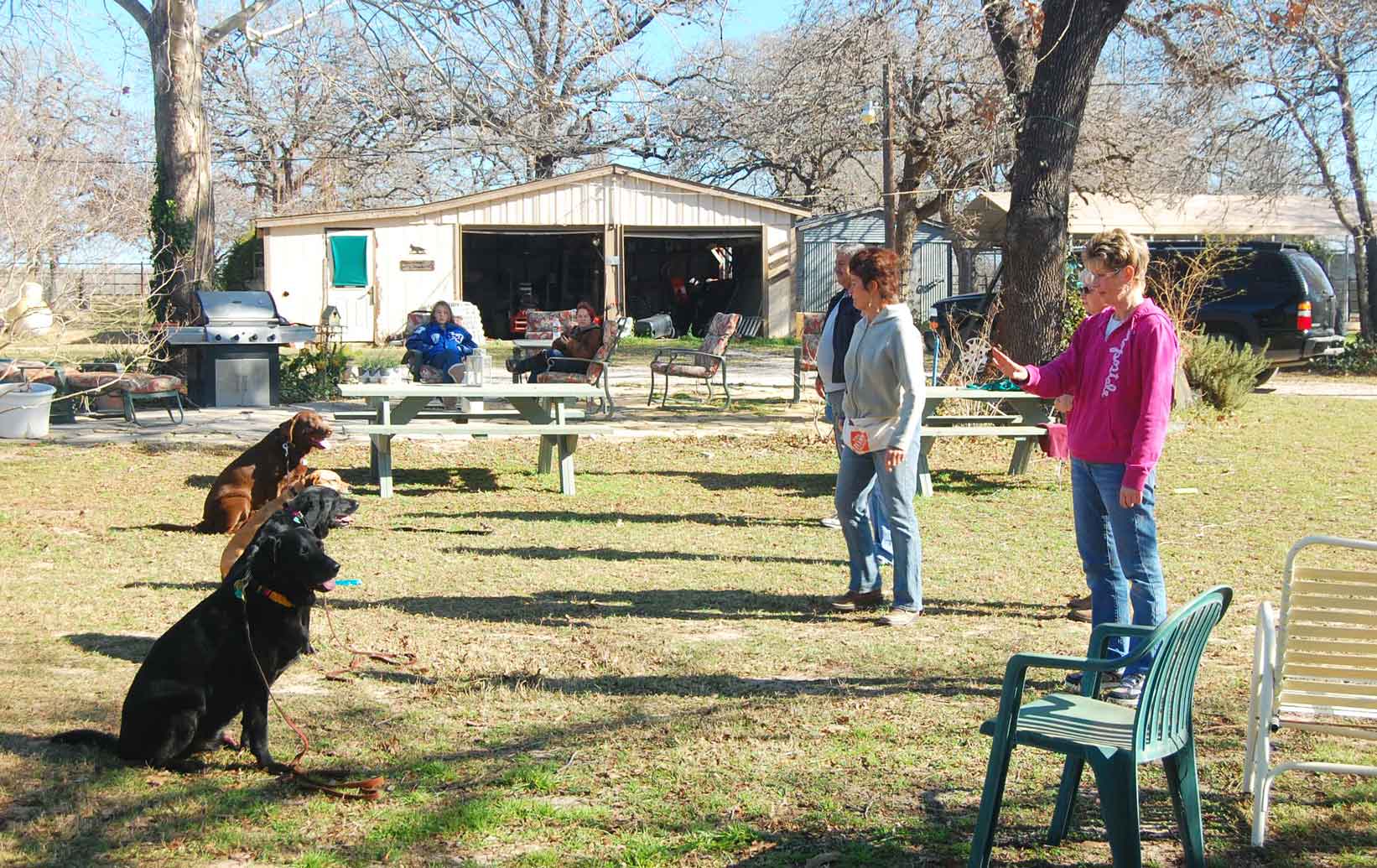


Tailoring Arrangements to Breed, Age, and Temperament Profiles
Individual characteristics such as breed background, developmental life stage, and innate temperament heavily dictate how a dog experiences temporary lodging. Senior dogs with mobility challenges or cognitive dysfunction require specialized accommodations, including orthopedic bedding, frequent medication administration, and minimal disruption to their established resting routines. Conversely, high-energy working breeds or adolescents often thrive when provided with structured cognitive tasks, puzzle toys, and appropriate physical outlets that channel their drive productively. Recognizing these distinct profiles ensures that the selected Dog Training and boarding protocols match the specific physiological reality of the animal.
Recognizing When Professional Intervention Becomes Necessary
Severe separation-related distress, sudden onset aggression, or extreme withdrawal during or immediately following a stay indicate a need for professional veterinary or behavioral evaluation. When behavioral shifts persist long after returning home, consulting a qualified veterinary behaviorist or a certified professional dog trainer ensures that underlying issues receive proper diagnosis and intervention. Addressing intense fear or panic requires expert guidance rooted in Dog Behavior science rather than simple habituation. For any sudden physical symptoms, owners should consult a licensed practitioner to rule out underlying medical causes that could be influencing the animal’s outward demeanor, referencing Dog Health guidelines.
Ensuring Long-Term Well-Being Through Informed Choices
Navigating the complexities of temporary care requires ongoing dedication to the physical and emotional welfare of canine companions. By partnering with knowledgeable facilities that prioritize behavioral science and individualized attention, owners can minimize the stress associated with separation. Explore additional expert insights, guidance on Dog Nutrition, and comprehensive resources across various Dog Breeds by visiting PetsAnimalsWorld.com to support a healthy, balanced life for every household pet.




