
According to the American Society for Prevention of Cruelty to Animals (ASPCA), behavioral issues remain a primary reason dogs are relinquished to shelters, highlighting the critical need for effective guidance and understanding in households everywhere. When everyday interactions become stressful due to unwanted habits like excessive barking, jumping, or leash pulling, households often seek reliable tools to restore harmony. Navigating these challenges requires a solid grasp of canine psychology and humane learning principles rather than quick-fix solutions that rely on fear or intimidation. Many families struggle to interpret what a dog is communicating through body language, leading to mismatched expectations and mounting frustration on both ends of the leash. Establishing clear communication pathways helps bridge this gap, ensuring that expectations remain realistic while fostering a strong, trusting bond between human companions and their four-legged family members. Exploring the mechanisms behind modern training approaches sheds light on how positive reinforcement shapes sustainable habits over time.
💡 Pet Care Key Takeaways:
- Core Focus: Practical health, nutrition, and wellness guidelines for Dog Behavior Corrector.
- Target Scope: Pet owners, animal caregivers, and veterinary support staff.
- Best Recommendation: Maintain consistent daily routines and consult an accredited veterinarian before introducing major diet or medical changes.
Understanding the Role of Interrupters and Modifiers
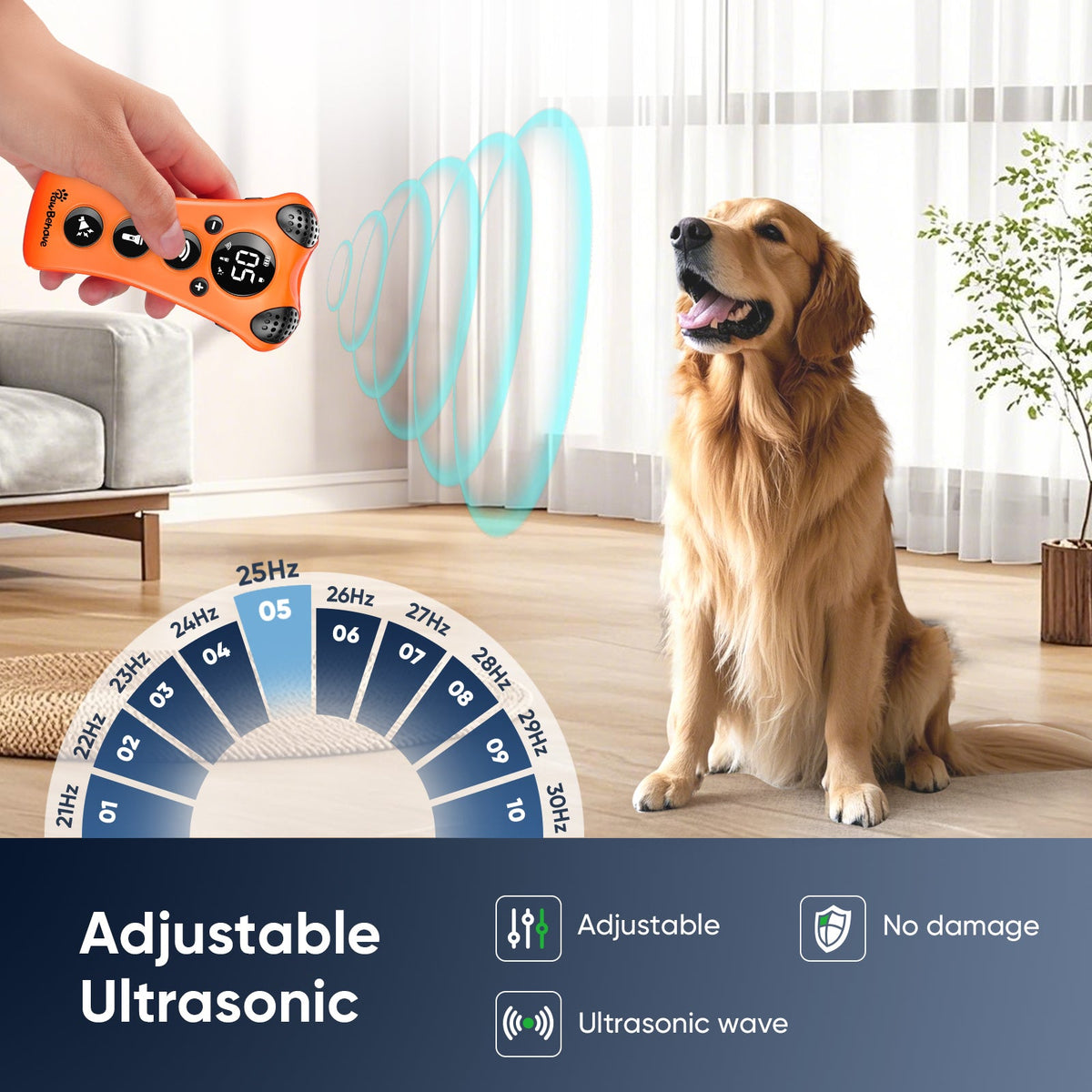
A dog behavior corrector generally refers to any tool, device, or method designed to interrupt an undesirable action and redirect the animal toward an appropriate alternative. Traditional versions of these devices historically included loud noisemakers, compressed air canisters, or vibration collars intended to startle the animal out of a specific state of focus. Contemporary animal behavior science, however, emphasizes that startling or punishing a dog can introduce unintended anxiety, fear-based reactivity, or defensive responses. Instead of relying on aversive stimuli that cause distress, modern evidence-informed training favors devices or verbal cues that simply disrupt the sequence of an unwanted habit without triggering fear. For instance, a neutral clicker or a designated prompt can successfully capture attention, allowing the handler to immediately reward a calm, alternative behavior. Comprehending the distinction between startling an animal and redirecting attention is essential for anyone aiming to modify habits humanely and effectively.
Behavioral Impact and Psychological Well-Being
The chosen method of behavior modification directly influences a dog’s emotional state, stress levels, and long-term psychological health. When startled repeatedly through harsh corrective devices, canines may develop chronic anxiety, generalized fear, or defensive aggression toward the trigger or even the handler. Conversely, utilizing gentle redirection and positive reinforcement promotes emotional stability, lowers cortisol levels, and encourages problem-solving skills in everyday environments. Effective management strategies prioritize understanding the root cause of the behavior, whether that trigger stems from boredom, territorial instincts, fear, or over-arousal. Addressing the underlying motivation ensures that any intervention targets the source rather than merely suppressing surface-level symptoms. Furthermore, consistent routines and clear expectations minimize confusion, allowing the animal to navigate daily life with confidence and secure attachment.
Behavioral modifications that rely on positive reinforcement and clear communication consistently yield more sustainable, lower-stress outcomes for domestic canines than punitive interventions. — American Veterinary Medical Association
Implementing Humane Modification Strategies
Successfully shifting a dog’s conduct involves a structured approach centered on management, anticipation, and rewarding desired actions consistently. Before an unwanted pattern manifests, proactive handlers modify the environment to prevent rehearsal of the habit, such as using baby gates or securing household items out of reach. When utilizing a tool or verbal cue to interrupt a moment of high excitement, the critical step immediately follows the interruption: guiding the dog toward a incompatible action, like sitting or lying down on a mat. Once the alternative behavior occurs, high-value rewards reinforce the choice, building a strong neural association over numerous repetitions. Exploring resources dedicated to Dog Training can provide further insights into structuring daily practice sessions that keep learning engaging and rewarding for the animal.
Best Practices and Pitfalls to Avoid
Avoiding common mistakes during the modification process ensures that progress remains steady and free from setbacks caused by confusion or frustration. One frequent pitfall involves applying an interruption tool too late, occurring after the behavior has already peaked, which prevents the dog from connecting the cue to the specific action. Another critical error is failing to provide a clear alternative behavior, leaving the animal uncertain about what is expected after the initial interruption occurs. Timing, consistency, and patience form the pillars of successful habit formation, requiring every member of the household to stay aligned with the established cues and routines. Additionally, pushing an animal beyond their emotional threshold in distracting environments can stall progress, making controlled, gradual exposures far more productive for long-term success. Understanding proper Dog Care principles helps ensure that physical health needs, such as adequate rest and mental stimulation, are met alongside behavioral goals.
Consistent execution and environmental management significantly reduce the frequency of unwanted behaviors by preventing the animal from repeatedly practicing undesirable actions. — Association of Professional Dog Trainers
Pet Care & Wellness Overview Table
| Life Stage | Daily Activity Level | Key Nutrition / Care Focus |
|---|---|---|
| Puppy / Kitten | High (frequent short bursts) | High-protein growth diet & early socialization |
| Adult Companion | Moderate (30–60 mins daily) | Balanced maintenance nutrition & dental hygiene |
| Senior Pets | Low to Gentle (mindful walks) | Joint support (Glucosamine) & routine vet checks |
Images References


Individual Factors: Breed, Age, and Temperament
Every dog processes environmental stimuli differently based on a unique combination of genetic predispositions, developmental age, individual temperament, and socialization history. Working and herding backgrounds often possess high drive levels and quick reaction times, meaning an interruption tool designed for a more relaxed companion might prove overly intense or startling for a sensitive working breed. Puppies exploring the world with their mouths and paws require patient redirection rather than harsh corrections, as their developmental stage involves natural exploratory behaviors that diminish with maturity and guidance. Senior canines experiencing cognitive decline or sensory losses may exhibit sudden behavioral shifts that require veterinary assessment rather than standard modification tools. Reviewing breed-specific profiles through resources on Dog Breeds helps owners align expectations with the natural traits and energy levels inherent to their specific companion.
When to Consult a Veterinarian or Professional Trainer
Persistent, escalating, or severe behavioral concerns warrant immediate consultation with a qualified veterinary professional or a certified animal behaviorist. Sudden changes in conduct frequently signal an underlying medical issue, pain, or neurological discomfort that requires a comprehensive clinical evaluation by a veterinarian to rule out illness or injury. Furthermore, signs of severe fear, resource guarding, or human-directed aggression should never be addressed with standard over-the-counter training devices or punitive techniques. A certified professional can perform an individual behavioral assessment, design a customized modification plan, and coordinate closely with veterinary teams to ensure the animal’s physical and emotional well-being remains fully protected.
Supporting Lifelong Harmony with Your Canine Companion
Fostering a well-adjusted companion involves continuous learning, empathy, and a commitment to humane, science-backed methods that strengthen mutual trust. By prioritizing clear communication and addressing the root causes of unwanted habits rather than simply suppressing symptoms, households create a secure environment where both humans and animals thrive. Exploring specialized articles across Dog Behavior and Dog Health equips owners with the knowledge needed to support their pets through every stage of life. Visit PetsAnimalsWorld.com regularly to discover more expert-informed guides, practical care tips, and resources dedicated to celebrating the human-animal bond.


