

Understanding Canine Gestation and Behavioral Shifts
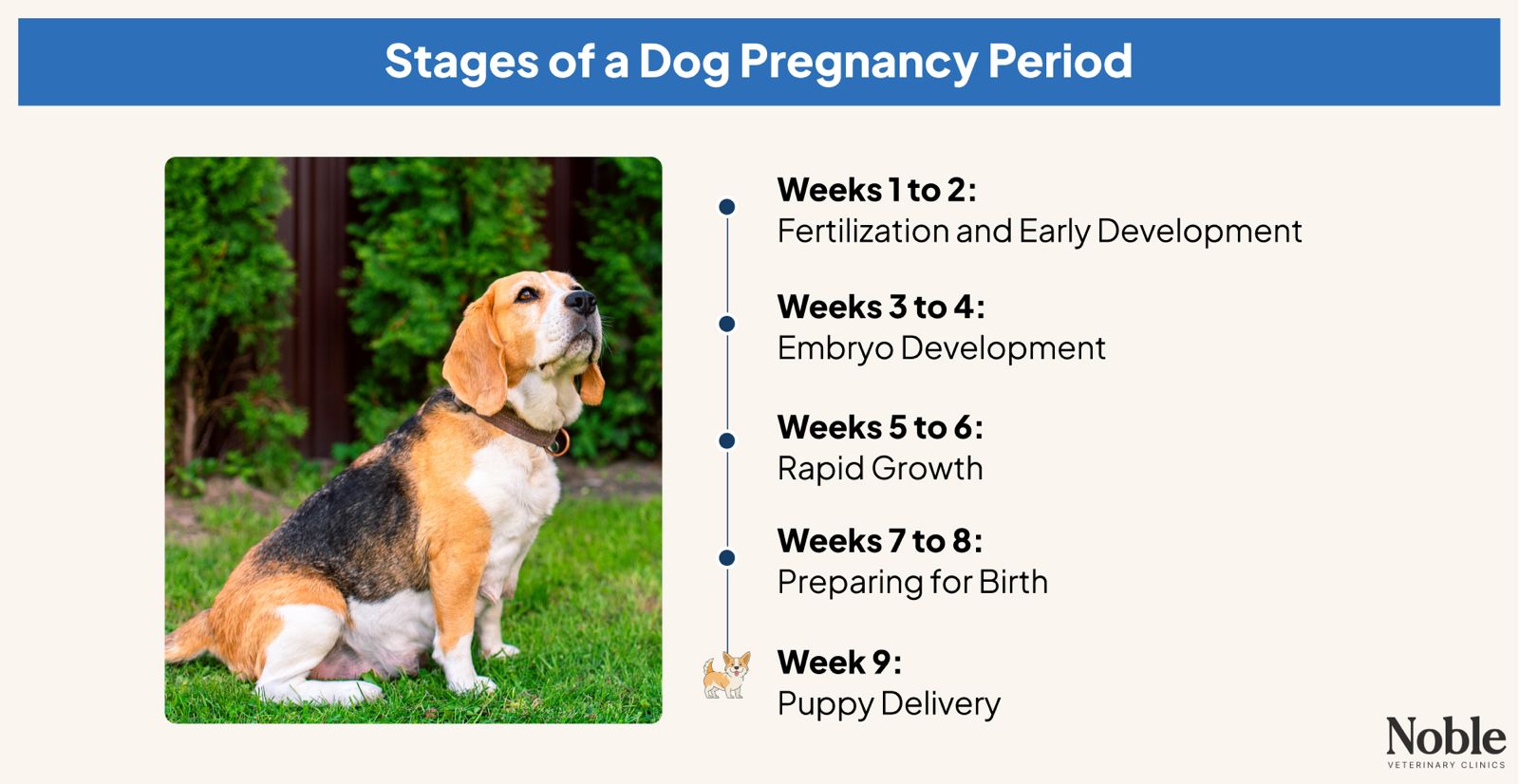
Recognizing subtle shifts in canine conduct during the opening weeks of gestation can help caretakers provide appropriate physical and emotional support. According to the American Kennel Club, canine gestation typically lasts around sixty-three days, though individual timelines can vary slightly based on breed and litter size. Throughout the opening phase, internal hormonal fluctuations begin altering a female dog’s everyday disposition and routine interactions. Observing these early signs requires patience, careful attention to detail, and a thorough understanding of normal canine habits. Comprehensive resources on Dog Behavior offer additional context regarding how physical changes manifest in daily actions.
💡 Pet Care Key Takeaways:
- Core Focus: Practical health, nutrition, and wellness guidelines for Dog Behavior Early Pregnancy.
- Target Scope: Pet owners, animal caregivers, and veterinary support staff.
- Best Recommendation: Maintain consistent daily routines and consult an accredited veterinarian before introducing major diet or medical changes.
Interpreting Early Gestation Conduct Changes
Gestation conduct changes refer to the psychological and physiological adjustments a pregnant dog experiences during the initial weeks following conception. As progesterone levels rise significantly to maintain the pregnancy, canine temperaments frequently shift in unexpected ways. Some dogs become uncharacteristically clingy, seeking constant physical closeness with their human family members. Conversely, other individuals may display increased irritability or a preference for quiet isolation. These fluctuations represent entirely normal responses to profound internal changes rather than intentional disobedience or behavioral regression.
Physical and Emotional Impacts on Expectant Dogs
Navigating early canine pregnancy involves monitoring both subtle psychological modifications and physical milestones that influence daily comfort levels. Mild lethargy and reduced enthusiasm for vigorous exercise are exceptionally common during the initial weeks of gestation. Hormonal shifts can also trigger transient decreases in appetite or mild morning sickness, temporarily altering feeding enthusiasm. Caretakers must balance these shifting needs carefully, ensuring that exercise routines remain gentle and stress levels stay low. Reviewing guidance on Dog Health helps ensure that nutritional adjustments and veterinary milestones are met appropriately during this sensitive window.
Canine gestation lasts approximately sixty-three days on average, with hormonal fluctuations beginning immediately after successful fertilization. — American Kennel Club
Managing Daily Care and Environmental Needs
Supporting an expectant dog involves creating a calm, predictable environment that minimizes environmental stress and encourages physical rest. Establishing a quiet, comfortable resting space allows the dog to retreat whenever fatigue or overstimulation occurs during the day. Consistent feeding schedules paired with high-quality nutrition support proper physiological development without overwhelming a sensitive digestive system. Caretakers should maintain predictable household routines while avoiding sudden environmental changes that could provoke anxiety or unwanted stress responses.
Best Practices and Common Pitfalls to Avoid
Optimizing early care requires adherence to proven management strategies while avoiding practices that could compromise maternal well-being. One major mistake involves forcing pregnant dogs into high-intensity training sessions or demanding physical exercise when energy reserves are naturally depleted. Instead, focus on positive, low-impact enrichment activities that stimulate mental engagement without inducing physical exhaustion. Caretakers should also resist the urge to administer unprescribed supplements or human medications for mood changes, as these substances can pose serious health risks to developing puppies.
Proper nutritional support during gestation requires formulations specifically balanced for reproduction and growth rather than standard adult maintenance diets. — Association of American Feed Control Officials
Pet Care & Wellness Overview Table
| Life Stage | Daily Activity Level | Key Nutrition / Care Focus |
|---|---|---|
| Puppy / Kitten | High (frequent short bursts) | High-protein growth diet & early socialization |
| Adult Companion | Moderate (30–60 mins daily) | Balanced maintenance nutrition & dental hygiene |
| Senior Pets | Low to Gentle (mindful walks) | Joint support (Glucosamine) & routine vet checks |
Images References





Breed, Age, and Temperament Influences
Individual responses to early gestation vary widely depending on specific breed traits, overall age, and baseline temperament characteristics. Naturally high-strung or anxious breeds may display more pronounced behavioral fluctuations when confronted with unfamiliar hormonal sensations. Younger or first-time mothers frequently show heightened confusion or dependency, whereas experienced dams often navigate these early weeks with greater emotional stability. Exploring specialized information on Dog Breeds provides deeper insight into how specific genetic lineages influence resilience and maternal instincts.
Knowing When to Consult Veterinary Professionals
Professional veterinary oversight remains essential for confirming pregnancy status and addressing any concerning physical or behavioral developments promptly. While normal hormonal shifts create mild mood variations, sudden lethargy, persistent vomiting, severe pain, or unusual discharge warrant immediate clinical evaluation. Establishing a collaborative relationship with a veterinarian ensures that prenatal exams, nutritional planning, and diagnostic ultrasounds occur at optimal intervals. For guidance on daily maintenance and supportive routines, reviewing expert resources on Dog Care can help owners prepare effectively for every stage of the journey.
Supporting Your Dog Through Every Life Stage
Navigating the complexities of canine reproduction requires patience, education, and a steadfast commitment to animal welfare. By understanding the intricate connections between internal physiology and outward disposition, caretakers can foster a secure, nurturing environment for expectant mothers. Continuous learning through trusted platforms like PetsAnimalsWorld.com equips pet owners with the reliable knowledge needed to ensure healthy, safe outcomes for both canine companions and their future litters.




