Introduction
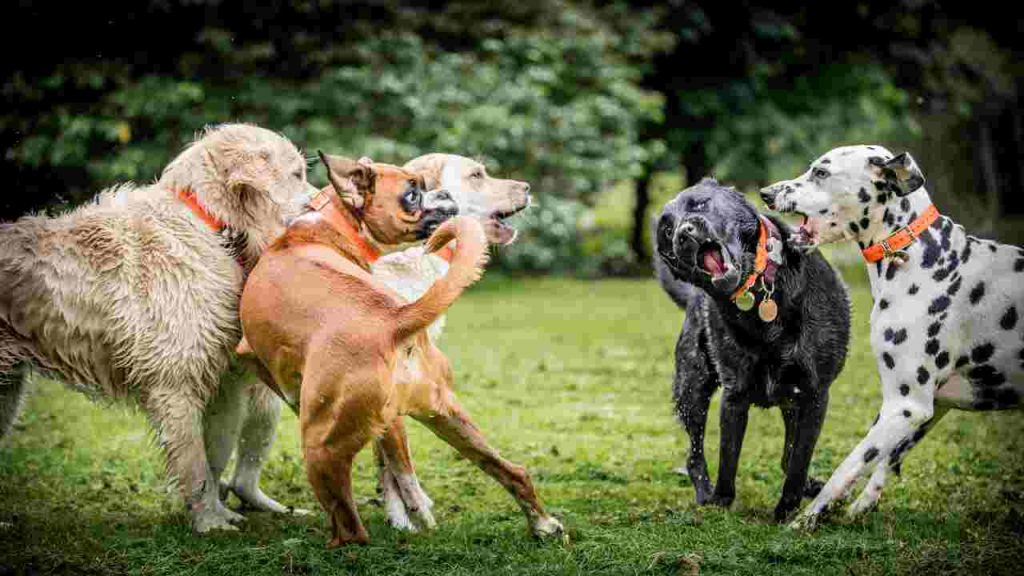
Dog behavior in a pack encompasses the complex social dynamics, communication structures, and hierarchy formations observed when multiple canines live within a shared environment. According to the International Association of Animal Behavior Consultants (IAABC), understanding these structured social systems is essential for preventing domestic household conflicts and supporting multi-pet welfare. Modern veterinary science emphasizes that companion animals rely heavily on predictable environmental cues, clear spatial boundaries, and stable group dynamics to minimize physiological stress. Mastering these behavioral signals allows pet parents and caregivers to implement effective management strategies that protect psychological well-being across the entire household. Proper observation of canine group interactions also helps identify subtle early indicators of resource guarding, social friction, or underlying health discomfort before clinical intervention becomes necessary. Maintaining harmony requires careful attention to daily routines, appropriate socialization, and the integration of proper Dog Training principles across all resident animals.
Pet Wellness & Behavior Snapshot:
- Core Focus: Social hierarchy mechanics, communication signals, and multi-dog group management protocols.
- Target Scope: Multi-pet households, animal shelter environments, and professional canine care facilities.
- Key Recommendation: Maintain strict environmental resource distribution to prevent competitive aggression among group members.
Core Principles and Detailed Overview
Canine pack dynamics are fluid social structures governed by mutual behavioral calibration rather than rigid, linear dominance hierarchies found in outdated scientific literature. Direct veterinary behavioral observations demonstrate that domestic dogs utilize nuanced body language—including micro-postures, eye contact modulation, and olfactory marking—to establish situational leadership and maintain group cohesion. Environmental stressors, inconsistent feeding schedules, and sudden changes in household composition can disrupt these delicate dynamics, leading to displaced aggression or elevated cortisol levels. Clinical management must prioritize psychological stability through predictable daily structures, ensuring that every animal has unhindered access to resting zones, high-value toys, and species-appropriate nutrition. Furthermore, proper nutritional management plays a vital role in reducing physiological competition; feeding animals in separate spaces prevents resource guarding and supports optimal gastrointestinal health, as detailed within comprehensive Dog Nutrition guidelines.
Key Specifications and Breakdown
| Observed Indicator / Factor | Veterinary & Behavioral Explanation | Actionable Management Protocol |
|---|---|---|
| Resource Guarding | Competitive anxiety driven by perceived scarcity of food, toys, or human attention within the group. | Feed pets in physically separate, secure areas and remove high-value items during unstructured group time. |
| Calming Signals | Innate communication behaviors like yawning, lip-licking, or turning away used to diffuse tension. | Observe these cues closely during introductions to intervene before minor friction escalates into conflict. |
| Displaced Aggression | Redirected frustration occurring when a canine cannot reach a primary stimulus and targets a nearby pack member. | Identify environmental triggers immediately and re-establish a calm, structured routine for all resident animals. |
Maintaining environmental stability and predictable daily routines significantly reduces cortisol spikes and aggressive episodes in multi-canine households — American Veterinary Medical Association (AVMA)
Step-by-Step Practical Application and Guidelines
Managing dog behavior in a pack requires a methodical approach focused on proactive environmental control and positive reinforcement of calm group interactions. The foundational step involves neutral territory introductions, where animals meet in open outdoor spaces under leash guidance while professional handlers monitor stress signals. Subsequent phases require establishing separate feeding stations, designated resting crates, and balanced daily exercise regimens tailored to the specific energy levels of individual Dog Breeds present in the home. Caregivers must consistently reward polite, tolerant interactions while calmly interrupting pushy behaviors without using physical punishment, which tends to escalate anxiety. Routine wellness examinations administered through professional Dog Health services ensure that hidden medical issues, such as joint pain or sensory decline, are not triggering sudden behavioral shifts within the social group.
Common Challenges and How to Avoid Them
Interpreting canine social cues incorrectly remains a frequent pitfall that allows minor squabbles to escalate into severe pack fights requiring emergency medical intervention. Caregivers often mistake intense staring, stiffening postures, and low-level vocalizations for playful engagement, missing critical windows for safe intervention. Avoiding these risks involves educating household members on subtle stress indicators and strictly supervising all interactions involving high-value chews or newly introduced toys. When behavioral friction arises, rushing forced physical proximity between conflicted animals typically worsens the hostility; instead, structured separation combined with gradual desensitization under certified professional guidance provides a safer pathway to resolution. Comprehensive resources covering broader domestic animal welfare strategies are available to help pet parents navigate complex behavioral milestones successfully.
💬 Frequently Asked Questions
Explore More Pet Care and Animal Health Guides on PetsAnimalsWorld
Understanding complex social structures and maintaining optimal wellness across multi-pet environments requires ongoing education, proactive health management, and dedicated daily attention. Readers seeking further insights into companion animal husbandry, preventive veterinary medicine, and specialized household protocols can explore the extensive resource library available at Pets Animals World, starting with expert guides on Dog Care.
Visual Reference Gallery