

Understanding Inappropriate Elimination in the Domestic Environment
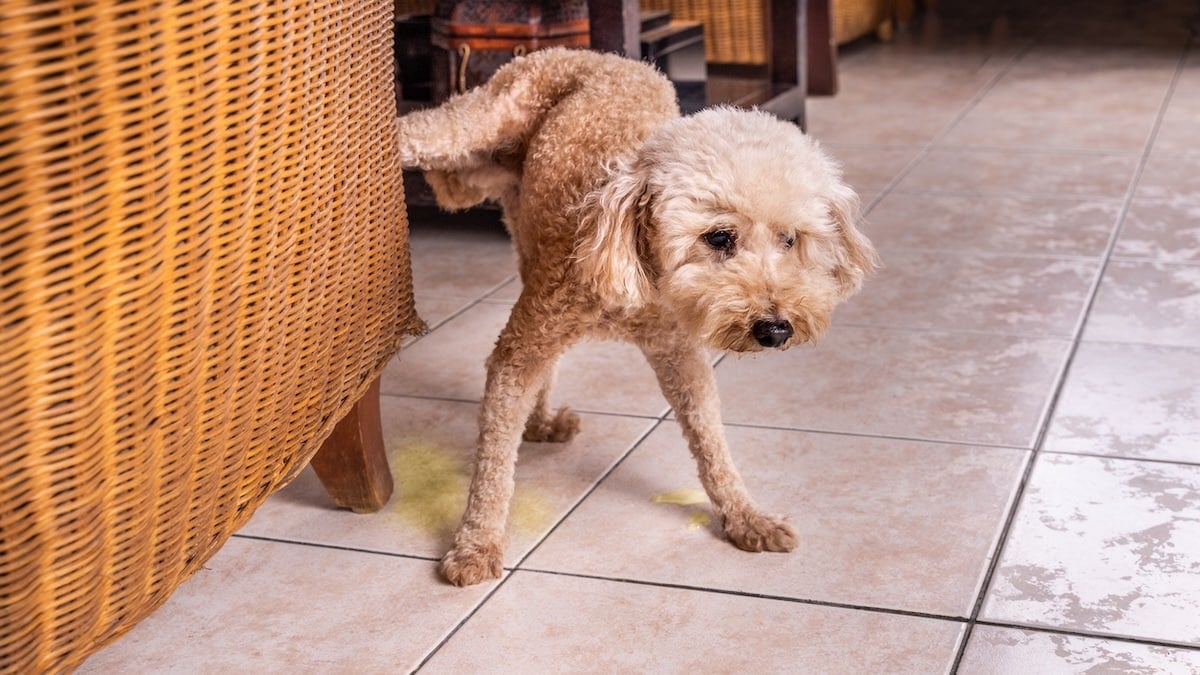
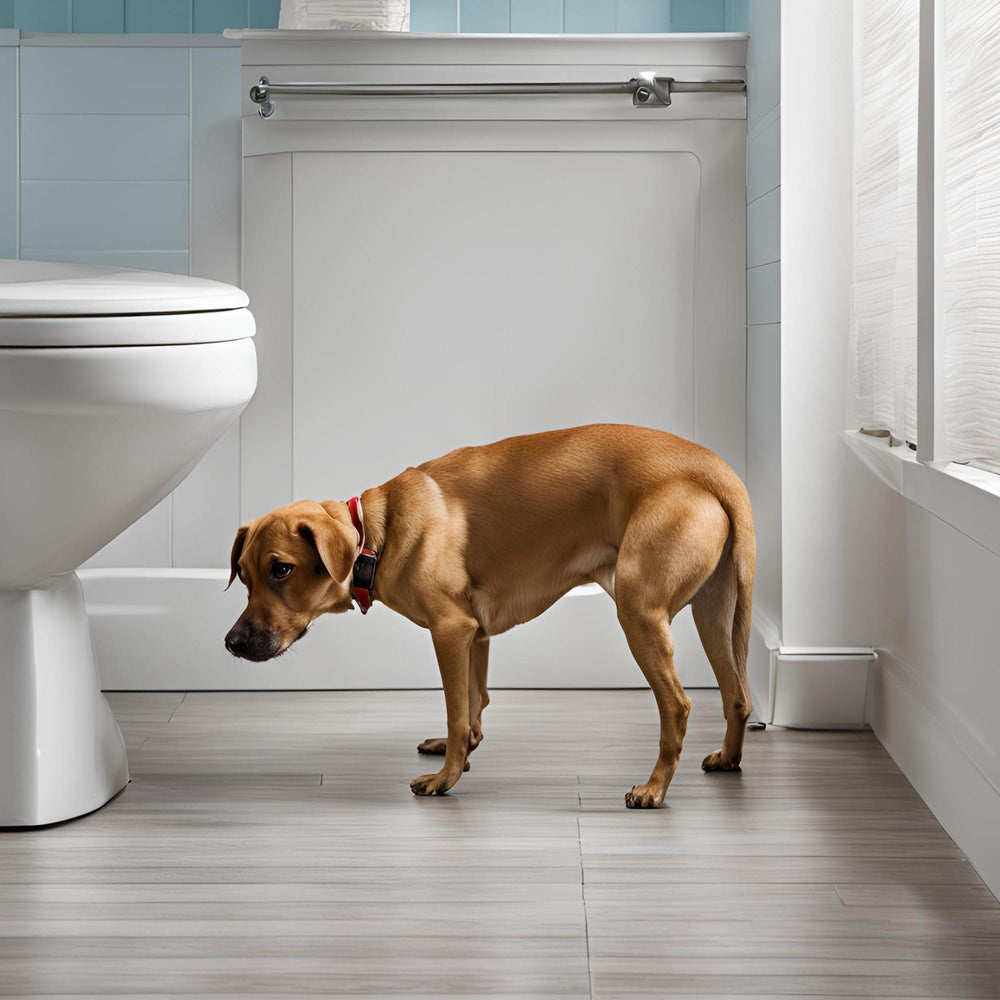
The sudden or persistent occurrence of a dog urinating inside the home is a common concern that frequently prompts questions regarding canine health and behavioral stability. According to the American Society for the Prevention of Cruelty to Animals (ASPCA), house soiling is one of the most common behavior problems reported by dog owners, yet it is rarely an act of spite or intentional disobedience. When a canine begins to void indoors, the behavior typically serves as a communication tool or a symptom of an underlying physical or psychological condition. Understanding the root cause is essential for addressing the issue effectively, as misinterpreting the motivation behind these accidents can lead to ineffective interventions that exacerbate the stress of the animal.
💡 Pet Care Key Takeaways:
- Core Focus: Practical health, nutrition, and wellness guidelines for Dog Behavior Issues Peeing House.
- Target Scope: Pet owners, animal caregivers, and veterinary support staff.
- Best Recommendation: Maintain consistent daily routines and consult an accredited veterinarian before introducing major diet or medical changes.
Defining House Soiling as a Behavioral Symptom
Inappropriate elimination refers to any instance where a dog urinates or defecates in areas not designated for such activity, such as on carpets, furniture, or floors, despite having been previously house-trained. This behavior must be distinguished from a simple lack of training. While a puppy may still be learning the rules of the household, an adult dog that suddenly begins to soil the home is signaling a change in their internal or external status. Common drivers for this shift include territorial marking, anxiety, changes in routine, or physiological distress. Recognizing that the behavior is a manifestation of an unmet need or a health deficit is the first step toward restoring harmony in the living space.
Evaluating Potential Health and Behavioral Triggers
Physical health is the primary factor that must be evaluated whenever a house-trained dog begins to have accidents inside. Conditions such as urinary tract infections, kidney disease, diabetes, or hormonal imbalances can significantly increase the frequency of urination or reduce the ability of the dog to hold their bladder for typical intervals. When these medical conditions are present, the dog may feel an urgent need to void that they cannot control, regardless of their training history. Ignoring these possibilities and focusing solely on training techniques can delay necessary medical intervention and prolong the discomfort of the animal. Furthermore, environmental stressors—such as the arrival of a new pet, moving to a new home, or even changes in the household schedule—can trigger anxiety, which often manifests as marking behavior or a regression in house training.
Urinary incontinence, which can lead to indoor accidents, is often a clinical sign of an underlying medical condition rather than a behavioral issue. — American Veterinary Medical Association
Strategies for Managing and Resolving Indoor Elimination
Effective management of indoor elimination requires a systematic approach that prioritizes veterinary clearance followed by positive reinforcement. Once a veterinarian has ruled out medical issues, owners should focus on re-establishing a consistent routine that minimizes the opportunity for accidents. This includes taking the dog outside frequently, especially after eating, playing, or sleeping. Utilizing a crate or a designated small area when the dog cannot be supervised can help prevent the formation of bad habits. Additionally, thorough cleaning of soiled areas with an enzymatic cleaner is vital. Standard household cleaners often fail to neutralize the specific proteins in urine that dogs can smell, and if the scent remains, the dog is highly likely to return to that same spot to eliminate again.
Best Practices and Common Pitfalls
One of the most significant mistakes in addressing indoor accidents is the use of punishment. Punishing a dog for an accident that occurred in the past is counterproductive, as dogs are unable to associate the reprimand with an action taken minutes or hours prior. Instead, the focus should remain on proactive supervision and rewarding appropriate elimination outdoors. When a dog is caught in the act, a gentle interruption—such as a soft verbal cue—can redirect their attention to the appropriate location, where they should be praised immediately upon finishing. Consistency is the cornerstone of success; all members of the household must follow the same protocols regarding schedules and terminology to avoid confusing the animal during the retraining process.
Positive reinforcement training, which rewards desired behaviors, is more effective and humane than punishment-based methods for resolving household behavioral concerns. — American Kennel Club
Pet Care & Wellness Overview Table
| Life Stage | Daily Activity Level | Key Nutrition / Care Focus |
|---|---|---|
| Puppy / Kitten | High (frequent short bursts) | High-protein growth diet & early socialization |
| Adult Companion | Moderate (30–60 mins daily) | Balanced maintenance nutrition & dental hygiene |
| Senior Pets | Low to Gentle (mindful walks) | Joint support (Glucosamine) & routine vet checks |
Images References




Considering Individual Factors: Age, Breed, and Temperament
The age and temperament of a dog play significant roles in how they adapt to house training and how they handle stressors. Younger dogs have smaller bladders and require more frequent access to the outdoors, while senior dogs may experience age-related cognitive decline or physical weakness that necessitates more frequent, shorter outings. Certain dog breeds may also have different temperaments; some are highly sensitive to environmental changes and may show signs of separation anxiety through house soiling, while others may be more prone to marking behaviors. Understanding these individual characteristics allows for a tailored approach to dog training that respects the specific needs and limitations of the individual dog.
When to Seek Professional Guidance
Consulting a professional is recommended if accidents persist despite consistent efforts or if there are sudden, dramatic changes in the frequency or nature of the elimination. A veterinarian should always be the first point of contact to conduct a thorough physical examination and rule out systemic illness. If the dog is confirmed to be in good health, a certified professional trainer or a veterinary behaviorist can provide a structured behavior modification plan. These professionals can identify specific triggers in the home environment that may be difficult for the owner to spot, ensuring that the intervention is humane, evidence-based, and suited to the specific dog behavior patterns observed.
Maintaining Long-Term Success
Resolving issues with indoor urination is a process that requires patience and a commitment to understanding the needs of the companion animal. By focusing on medical health, consistent routines, and positive reinforcement, owners can often resolve these concerns and improve the quality of life for their dogs. For further guidance on dog care and maintaining a healthy, happy home, explore the resources available at PetsAnimalsWorld.com. Dedicated, informed care is the foundation of a successful relationship between a human and their canine companion, ensuring that both can enjoy a comfortable and stress-free environment.




