
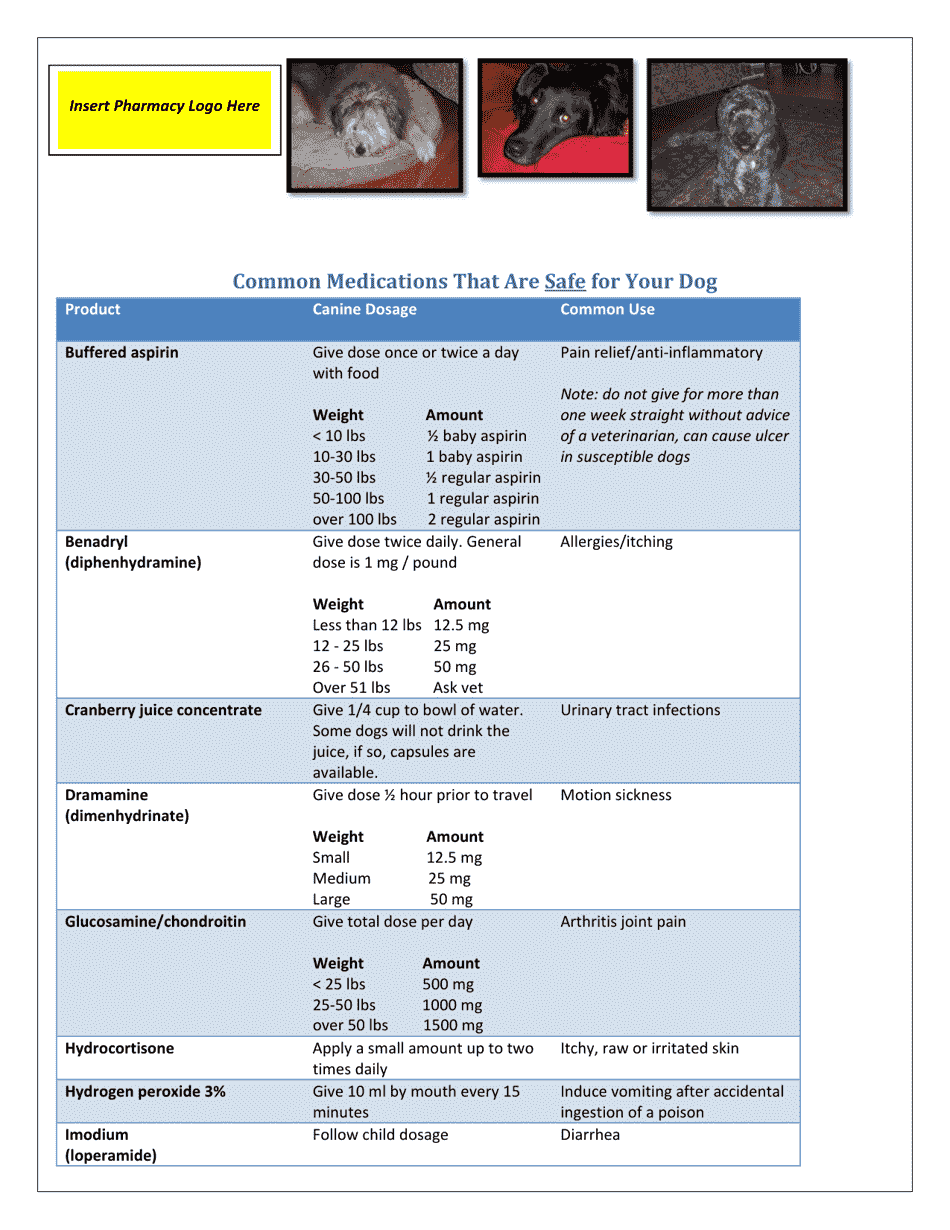
Understanding the Role of Dog Behavior Meds in Modern Veterinary Care
According to the American Veterinary Medical Association, behavioral issues represent a significant health and welfare concern for companion animals, often impacting the human-animal bond profoundly. When a dog struggles with severe anxiety, compulsive habits, or chronic fear, environmental management and training alone may not provide enough relief. In these complex scenarios, veterinary professionals frequently evaluate whether dog behavior meds can serve as a supportive tool within a comprehensive treatment plan. These pharmaceutical interventions are designed to alter brain chemistry, helping to reduce the intensity of emotional responses so that the animal can better process learning and environmental changes.
💡 Pet Care Key Takeaways:
- Core Focus: Practical health, nutrition, and wellness guidelines for Dog Behavior Meds.
- Target Scope: Pet owners, animal caregivers, and veterinary support staff.
- Best Recommendation: Maintain consistent daily routines and consult an accredited veterinarian before introducing major diet or medical changes.
Navigating the world of psychotherapeutic pharmaceuticals for canines requires patience, careful observation, and close collaboration with licensed veterinary professionals. Canines exhibit stress through subtle physical cues such as panting, lip-licking, pacing, or withdrawal long before overt behavioral disruptions occur. Recognizing that these manifestations stem from genuine emotional distress rather than disobedience helps reframe the conversation around treatment. Exploring Dog Health reveals that emotional well-being is deeply intertwined with physical vitality, making pharmacological support a legitimate medical pathway for suffering animals.
Defining Pharmacological Interventions for Canine Emotional Health
Dog behavior meds refer to prescription pharmaceuticals administered to modify emotional states, alleviate distress, and support behavioral modification protocols. These chemical agents typically target neurotransmitters—such as serotonin, dopamine, and norepinephrine—which regulate mood, arousal, and impulse control in both humans and animals. Common categories include selective serotonin reuptake inhibitors, tricyclic antidepressants, and short-acting anxiolytics utilized for situational triggers like thunderstorms or veterinary visits.
Unlike physical injuries that heal with a simple bandage, behavioral pharmacology aims to lower an animal’s baseline reactivity over time. For instance, a daily medication might take several weeks to reach therapeutic blood levels, gradually smoothing out sharp spikes of panic. Meanwhile, situational medications offer targeted, temporary relief for predictable stressors. Understanding that these substances are rarely instant fixes prevents unrealistic expectations and underscores the necessity of pairing medication with structured behavioral guidance found in resources covering Dog Training.
The Physiological and Behavioral Impact of Therapeutic Support
Introducing pharmaceutical support profoundly influences a dog’s nervous system by buffering the physiological flood of stress hormones that impair cognitive processing. When an animal exists in a constant state of hyperarousal, the brain’s survival centers override the prefrontal cortex, blocking the ability to learn new responses. By dampening this panic response, appropriate medical management opens a window of learning capability, allowing positive reinforcement techniques to take root effectively.
Behavioral pharmacotherapy is most successful when combined with environmental modification and positive reinforcement training strategies. — American Veterinary Medical Association
Observing a dog navigate a previously terrifying trigger without melting down demonstrates the subtle power of these treatments. Instead of reacting with immediate aggression or frantic escape attempts, a medicated dog might simply pause, look toward a caregiver, and accept a food reward. This shift preserves the animal’s mental health, reduces the risk of dangerous escalation, and fosters a peaceful household environment. Proper tracking of these behavioral shifts remains vital for ongoing Dog Care regimens.
Implementing and Managing Pharmaceutical Protocols Safely
Managing a medication protocol successfully requires meticulous adherence to veterinary instructions, systematic record-keeping, and continuous environmental adjustments. Caregivers must understand that finding the right pharmaceutical agent and precise quantity often involves a gradual titration process, as individual metabolic rates and brain chemistries vary widely. Abruptly discontinuing certain medications can trigger severe withdrawal effects or a sudden resurgence of anxiety symptoms, making consistency paramount.
Complementary strategies should always run parallel to pharmacological treatment to maximize efficacy. Reducing exposure to known triggers, establishing predictable daily routines, and utilizing scent games or puzzle feeders provide healthy mental stimulation. For instance, transforming a feeding schedule into a foraging activity keeps an anxious animal constructively occupied, reinforcing the calming effects of the prescribed regimen.
Best Practices and Common Pitfalls in Behavioral Medication Use
Avoiding common missteps ensures that pharmaceutical support yields safe, positive outcomes for the animal. A frequent error involves treating medication as a standalone cure while failing to address underlying environmental stressors or applying outdated training methods. Furthermore, caregivers must never administer human medications, as substances like common over-the-counter pain relievers or antidepressants can prove severely toxic or fatal to canines.
Never administer human medications or alter prescribed veterinary dosages without direct guidance from a licensed veterinarian. — American Animal Hospital Association
Pet Care & Wellness Overview Table
| Life Stage | Daily Activity Level | Key Nutrition / Care Focus |
|---|---|---|
| Puppy / Kitten | High (frequent short bursts) | High-protein growth diet & early socialization |
| Adult Companion | Moderate (30–60 mins daily) | Balanced maintenance nutrition & dental hygiene |
| Senior Pets | Low to Gentle (mindful walks) | Joint support (Glucosamine) & routine vet checks |
Images References

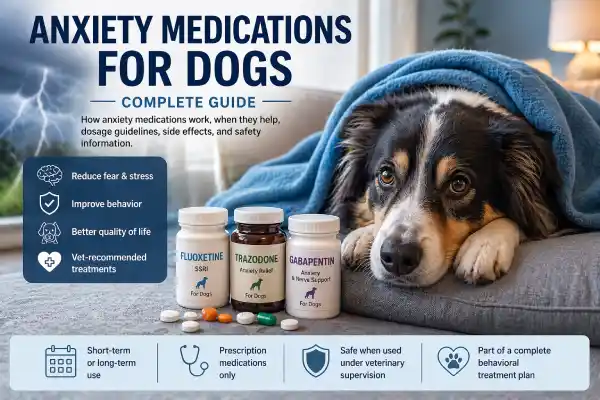



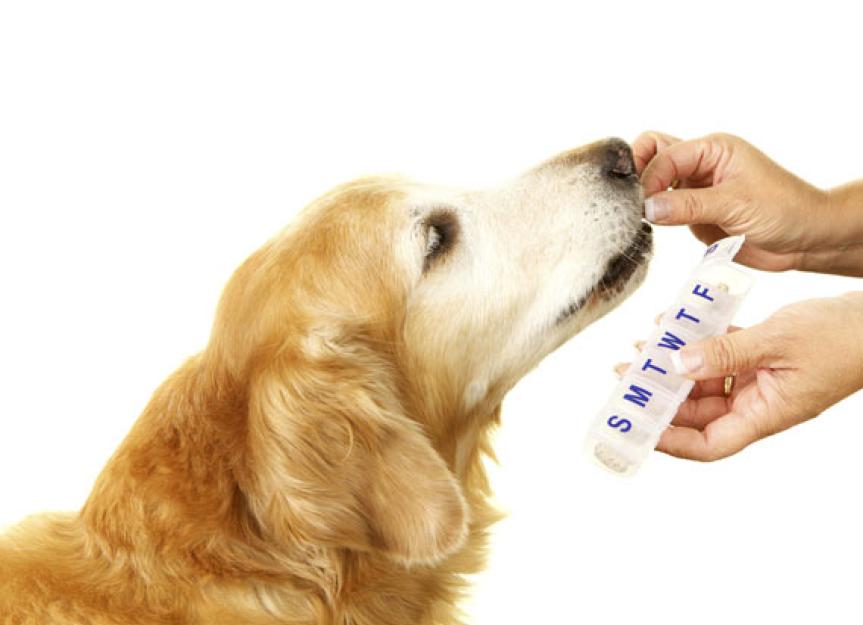


Patience stands as the most critical element during the introductory weeks of any new protocol. Initial side effects—such as mild lethargy or transient changes in appetite—often subside as the body adjusts, but any concerning physical reactions warrant immediate communication with the prescribing clinic. Monitoring subtle progress through written journals or video recordings helps the veterinary team accurately assess whether adjustments are necessary.
Individual Factors: Breed, Age, and Temperament Considerations
Biological diversity across canine populations dictates that pharmaceutical selection must remain strictly individualized rather than generalized. Certain herding or working lineages, often highlighted in discussions about specific Dog Breeds, possess unique sensitivities to specific drug classes due to genetic variations in metabolic pathways. Senior canines, meanwhile, process pharmaceuticals differently from young, robust adults, requiring thorough baseline bloodwork to evaluate liver and kidney function before initiating treatment.
Temperament and baseline personality also influence how a dog responds to chemical intervention. An outgoing animal experiencing situational noise phobia requires an entirely different approach than a perpetually fearful dog recovering from early deprivation. Tailoring the treatment plan to respect these intrinsic traits ensures that the chosen intervention supports the animal’s natural disposition without causing undue sedation or distress.
When to Consult a Veterinary Professional or Behaviorist
Consulting a licensed veterinarian or a board-certified veterinary behaviorist is essential whenever behavioral concerns escalate, jeopardize household safety, or cause the animal visible, ongoing suffering. Self-diagnosing anxiety or attempting home remedies for complex behavioral pathologies can lead to worsening trauma and delayed professional intervention. If a dog displays sudden changes in temperament, uncharacteristic aggression, or destructive panic, a comprehensive physical examination is the necessary first step to rule out underlying medical pain or neurological disease.
Professional behaviorists utilize humane, evidence-based assessments to determine whether pharmaceutical support is warranted and how to structure behavior modification plans safely. Working alongside qualified specialists guarantees that the chosen interventions align with current veterinary standards, prioritizing the emotional and physical well-being of the animal above all else.
Supporting a companion through emotional challenges is a journey that benefits from reliable education, professional partnership, and unwavering patience. Exploring comprehensive guides across PetsAnimalsWorld.com empowers caregivers to make informed choices regarding Dog Behavior and daily management. By combining veterinary guidance with compassionate, science-based care, households can create a secure environment where every canine companion thrives with confidence and peace.




