

Understanding the Roots of Canine Conduct
According to the American Society for Prevention of Cruelty to Animals (ASPCA), behavioral issues are among the primary reasons owners consider relinquishing pets, highlighting the critical need for evidence-based guidance in domestic households. Navigating the complexities of canine conduct requires patience, consistency, and a deep appreciation for how animals perceive their environment. Dogs communicate constantly through posture, vocalization, and subtle body language, yet human interpretations frequently misread these signals. When expectations clash with natural canine instincts, tension often develops within the household, turning simple daily routines into frustrating challenges. Addressing these obstacles effectively depends on shifting the focus from simply stopping unwanted actions to understanding the underlying emotional and physical motivations driving them.
💡 Pet Care Key Takeaways:
- Core Focus: Practical health, nutrition, and wellness guidelines for Dog Behavior Modification.
- Target Scope: Pet owners, animal caregivers, and veterinary support staff.
- Best Recommendation: Maintain consistent daily routines and consult an accredited veterinarian before introducing major diet or medical changes.
Defining the Framework of Behavioral Change
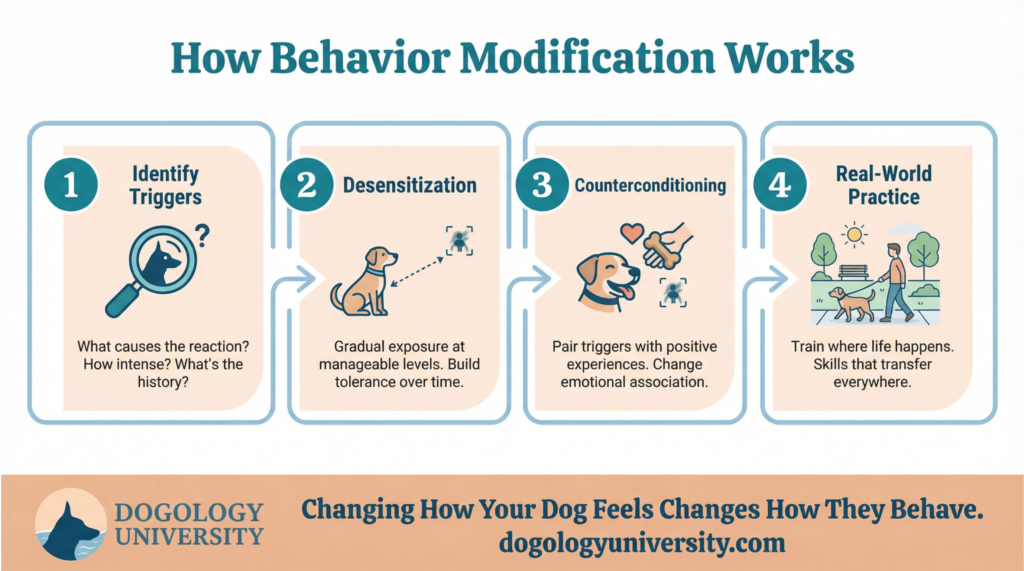
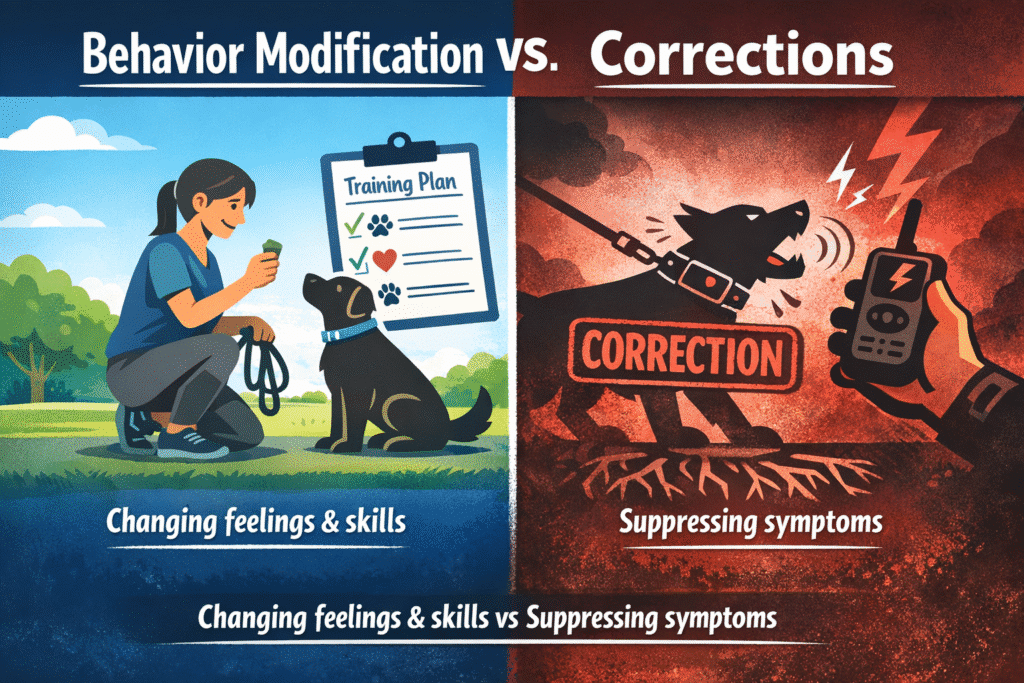
Dog behavior modification is a systematic, humane process designed to alter an animal’s emotional responses, cognitive associations, and outward reactions to specific triggers. Unlike traditional obedience training—which typically teaches specific commands like sit, stay, or heel—modification focuses on modifying underlying feelings of fear, anxiety, arousal, or aggression. This process relies heavily on learning theory, specifically operant conditioning (learning through consequences) and classical conditioning (associating neutral stimuli with positive or negative outcomes). Professional behaviorists utilize desensitization, which involves gradually exposing an animal to a trigger at a low intensity that does not provoke a fearful or reactive response, paired with counter-conditioning to replace negative emotional states with positive ones.
The Interplay Between Wellness and Conduct
Underlying medical conditions, chronic discomfort, or sensory decline frequently manifest as sudden shifts in temperament, making physical health evaluation a vital first step in any intervention. Dogs experiencing hidden pain, neurological disorders, or endocrine imbalances may exhibit reactivity, lethargy, or destructive habits that mimic purely behavioral challenges. Comprehensive veterinary assessments ensure that physical ailments are identified and treated before behavioral protocols begin, as an animal in physical distress cannot learn effectively in an environment of constant discomfort. Furthermore, proper Dog Health maintenance directly supports cognitive function, emotional stability, and overall resilience to daily stressors.
Behavioral changes in senior canines frequently stem from age-related cognitive decline or physical discomfort rather than willful disobedience. — American Veterinary Medical Association
Implementing Structured Modification Protocols
Successful modification requires careful management of the animal’s environment to prevent the rehearsal of unwanted actions while new habits are established. Management acts as a temporary safety net, utilizing baby gates, crate training, or leash controls to reduce exposure to known triggers while building alternative responses. Positive reinforcement—rewarding desired actions with high-value treats, praise, or play—strengthens neural pathways associated with calm behavior. Consistency across all household members ensures that the animal receives clear, predictable guidance, which reduces confusion and accelerates learning.
Best Practices and Common Pitfalls to Avoid
Avoiding punitive, intimidation-based, or dominance-style techniques is essential, as punishment often escalates fear, damages the human-animal bond, and suppresses warning signals like growling without resolving the root emotion. Another frequent misstep involves moving too quickly through exposure exercises, overwhelming the animal and triggering a regression in progress. Patience and observation remain paramount; guardians must learn to recognize subtle stress signals—such as lip licking, yawning, or averted gaze—long before escalation occurs. Integrating structured guidance through Dog Training resources can help establish clear routines that support long-term emotional balance.
Punishment-based training methods significantly elevate stress hormone levels and increase the statistical likelihood of defensive aggression in companion dogs. — Journal of Veterinary Behavior
Pet Care & Wellness Overview Table
| Life Stage | Daily Activity Level | Key Nutrition / Care Focus |
|---|---|---|
| Puppy / Kitten | High (frequent short bursts) | High-protein growth diet & early socialization |
| Adult Companion | Moderate (30–60 mins daily) | Balanced maintenance nutrition & dental hygiene |
| Senior Pets | Low to Gentle (mindful walks) | Joint support (Glucosamine) & routine vet checks |
Images References




Factoring in Breed, Age, and Individual Temperament
Individual genetic predispositions, developmental milestones, and life history heavily influence how a dog responds to modification programs. Herding breeds, for instance, possess intense instincts to chase or nip moving objects, while guardian breeds may show heightened wariness toward unfamiliar people or animals. Exploring foundational characteristics through reliable Dog Breeds references helps owners align their expectations with realistic capabilities. Additionally, a puppy navigating critical socialization windows requires entirely different strategies compared to an adult rescue animal with an unknown history of trauma.
Knowing When to Engage Professional Expertise
Persistent aggression, severe separation anxiety, or deep-seated phobias require the immediate guidance of a board-certified veterinary behaviorist or a qualified, certified professional trainer who employs humane, science-based methods. Severe behavioral concerns carry inherent safety risks for both human family members and the animal, making specialized intervention essential for accurate assessment and safe execution of a modification plan. For general wellness support, daily routines, and enrichment strategies, exploring broader Dog Care principles can further enhance the household environment.
Building a Harmonious Future Together
Transforming challenging habits into manageable, positive routines requires dedication, empathy, and a commitment to humane practices that respect the emotional life of the animal. By addressing the root causes of distress and partnering with qualified professionals when necessary, owners can foster a safe, trusting environment for their canine companions. Discover more expert resources, wellness tips, and practical guides by visiting PetsAnimalsWorld.com today.




