

Understanding the Natural Roots of Canine Mouthiness
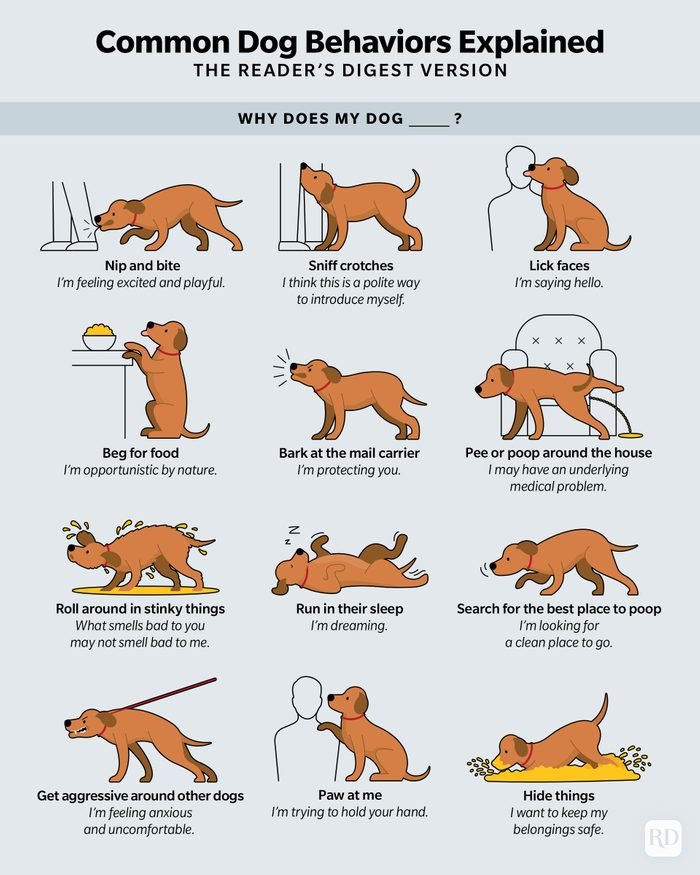
According to the American Society for the Prevention of Cruelty to Animals (ASPCA), exploring the world through the mouth is a completely normal, instinctual behavior for dogs of all ages, particularly during puppyhood. When a canine companion gently closes teeth around a human hand or clothing item, the action often stems from natural curiosity, social bonding, or the simple desire to investigate textures and scents. Recognizing that this conduct is rooted in biology rather than malice allows households to approach the situation with patience and consistency, ensuring that human reactions do not inadvertently encourage rough play.
💡 Pet Care Key Takeaways:
- Core Focus: Practical health, nutrition, and wellness guidelines for Dog Behavior Mouthing.
- Target Scope: Pet owners, animal caregivers, and veterinary support staff.
- Best Recommendation: Maintain consistent daily routines and consult an accredited veterinarian before introducing major diet or medical changes.
Defining Mouthing Versus True Aggression
Dog behavior mouthing refers to the act of placing teeth on human skin or garments without applying significant, injurious pressure, distinguishing it clearly from fear- or pain-induced biting. In behavioral science, this physical contact is often evaluated through the lens of bite inhibition, which is the innate ability of a dog to control the force of its jaw. Young canines typically learn this vital skill from their littermates and mother, discovering early on that rough biting causes play to stop immediately. When human family members understand this distinction, they can better assess whether a dog is merely engaging in enthusiastic greeting or expressing deeper stress.
Developmental, Social, and Environmental Impacts
Unmanaged physical play can negatively influence a household dynamic, leading to frayed tempers, scratched skin, and unnecessary confusion for the animal. Dogs that frequently use their teeth to demand attention or toys may struggle to develop alternative, calm communication signals. Furthermore, young children or visiting guests can easily become startled by open-jawed greetings, which may result in fearful reactions that inadvertently escalate the dog’s excitement or confusion. Establishing clear boundaries protects both human skin and the canine’s standing within the family unit.
Puppies develop critical bite inhibition primarily through active play interactions with littermates during their first few months of life. — American Kennel Club (AKC)
Humane Management and Positive Reinforcement Strategies
Addressing this physical exploration requires redirecting the animal’s focus toward appropriate outlets, such as durable chew toys or interactive puzzle feeders, whenever teeth make contact with human skin. Humane, science-informed training relies heavily on negative punishment in the technical sense—specifically, the immediate removal of attention by standing completely still or quietly turning away until all four paws are on the floor. Consistent application of this technique teaches the animal that gentle behavior yields positive engagement, while using teeth causes the fun to disappear instantly.
Best Practices and Common Training Pitfalls
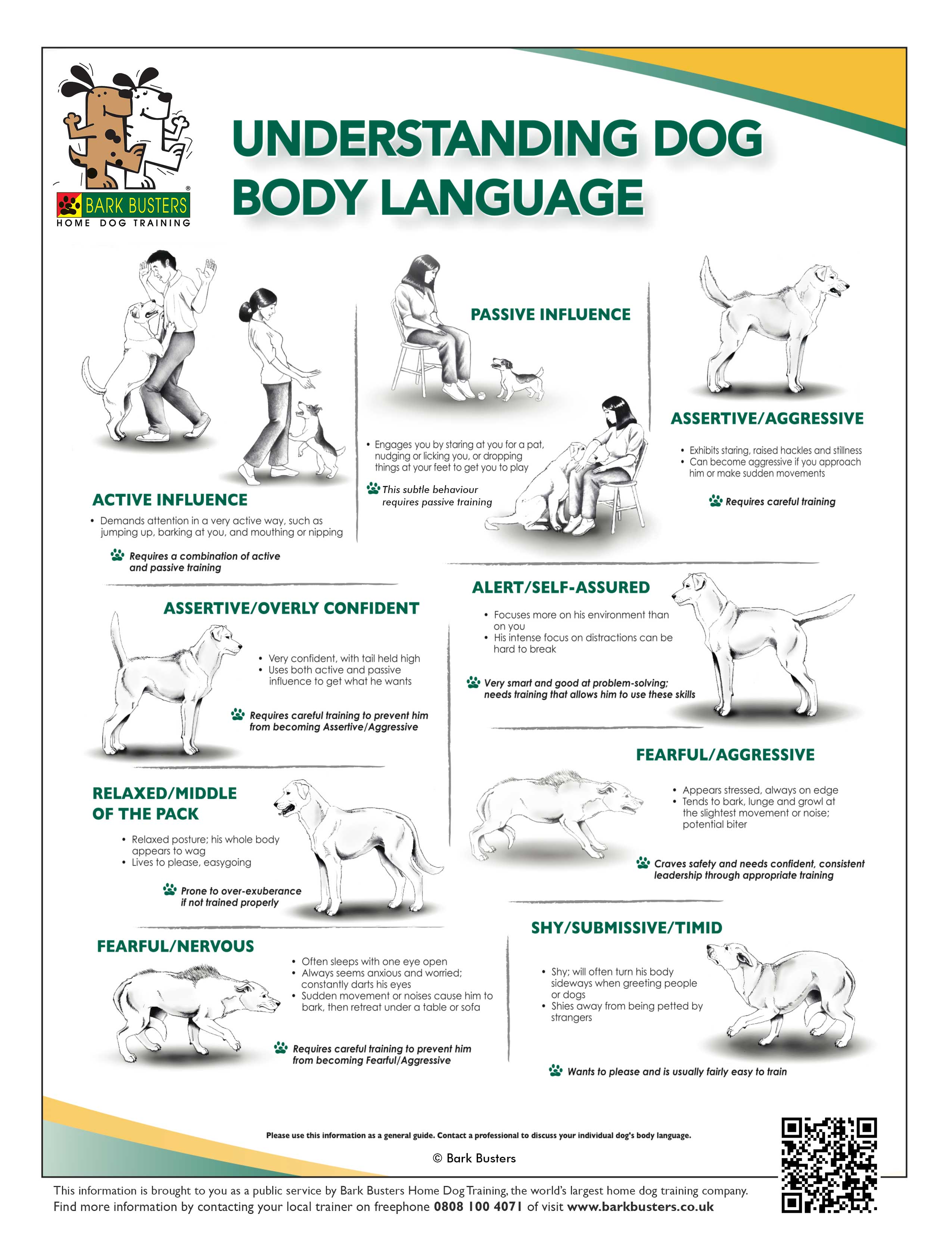
Effective guidance demands absolute consistency across every member of the household, ensuring that mixed signals do not stall progress. One common mistake involves moving hands rapidly or shouting when teeth touch skin, which many dogs misinterpret as an invitation to engage in an exciting game of chase. Instead, handlers should maintain a calm demeanor, keep interactions predictable, and reward calm, relaxed body postures. Exploring structured Dog Training methods provides households with the tools needed to encourage desirable habits without inducing fear.
Providing appropriate chew items satisfies a canine’s biological urge to gnaw and reduces the frequency of inappropriate mouthing behaviors. — American Veterinary Medical Association (AVMA)
Pet Care & Wellness Overview Table
| Life Stage | Daily Activity Level | Key Nutrition / Care Focus |
|---|---|---|
| Puppy / Kitten | High (frequent short bursts) | High-protein growth diet & early socialization |
| Adult Companion | Moderate (30–60 mins daily) | Balanced maintenance nutrition & dental hygiene |
| Senior Pets | Low to Gentle (mindful walks) | Joint support (Glucosamine) & routine vet checks |
Images References






Breed Tendencies, Age, and Individual Temperament
While any canine can display mouthy tendencies, certain working and herding groups—historically bred to control livestock using gentle mouth pressure—may exhibit a heightened inclination toward this behavior. Age also plays a defining role, as teething puppies experience genuine gum discomfort that naturally drives them to seek out items to chew. A comprehensive understanding of general Dog Breeds helps owners anticipate these breed-specific tendencies and prepare appropriate environmental management strategies well in advance.
When to Seek Professional Veterinary or Behavioral Guidance
Persistent physical contact that involves hard, bruising bites, growling, stiff body posture, or sudden onset in an adult dog warrants prompt professional evaluation by a qualified veterinarian or a certified animal behaviorist. Medical issues, dental pain, or underlying neurological discomfort can suddenly alter a dog’s behavior, making clinical screening essential before addressing any persistent behavioral challenge. For broader wellness insights, reviewing resources on Dog Health and Dog Care can help owners maintain a safe, supportive environment for their companions.
Building Lifelong Harmony Through Positive Habits
Navigating canine communication requires patience, empathy, and a commitment to humane, evidence-based practices that strengthen the bond between humans and their four-legged family members. By addressing instinctual urges through constructive outlets and clear, calm boundaries, households can cultivate a peaceful environment where both species thrive. Discover more expert guidance and educational resources by visiting PetsAnimalsWorld.com today.




