Introduction
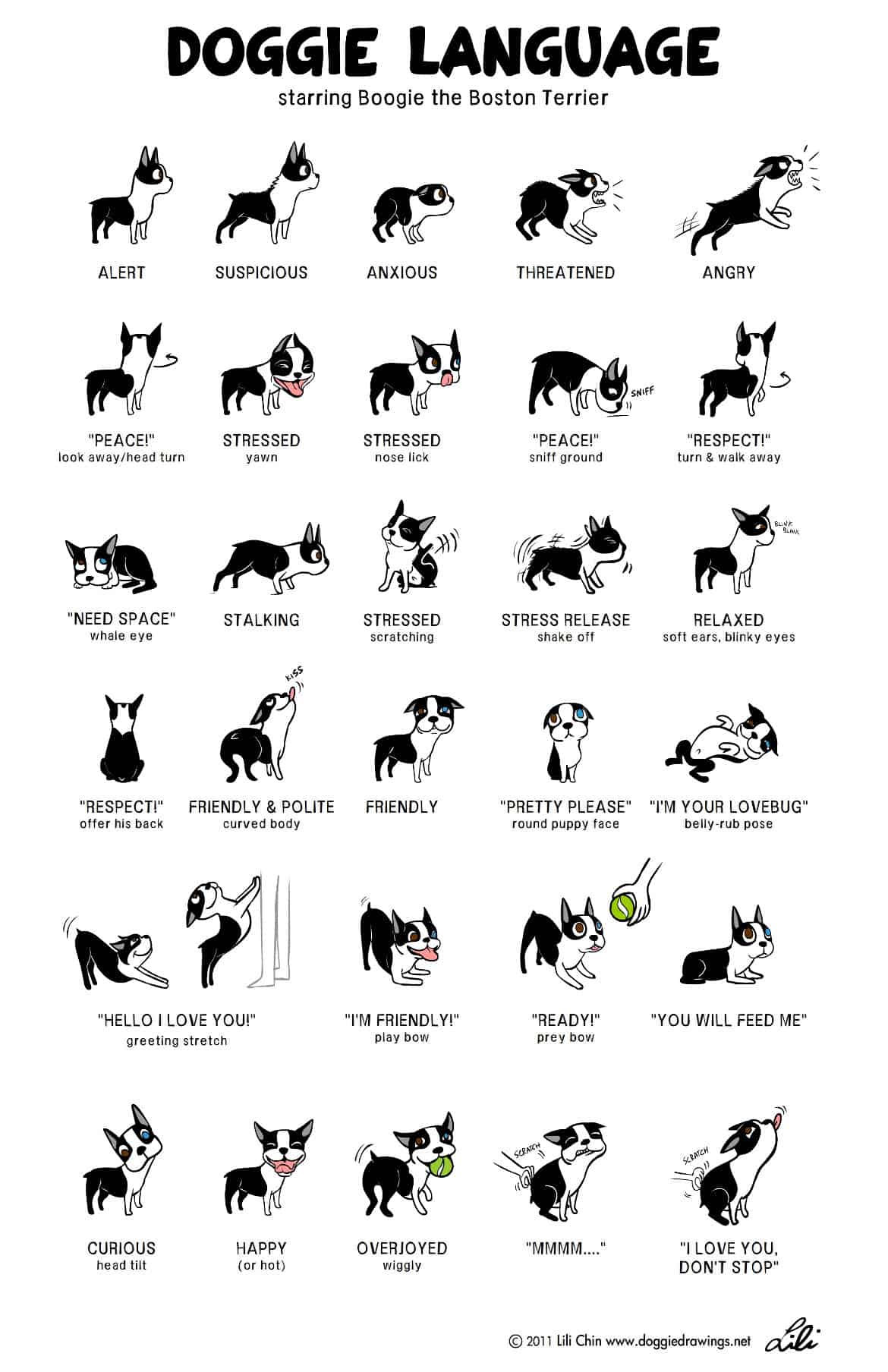
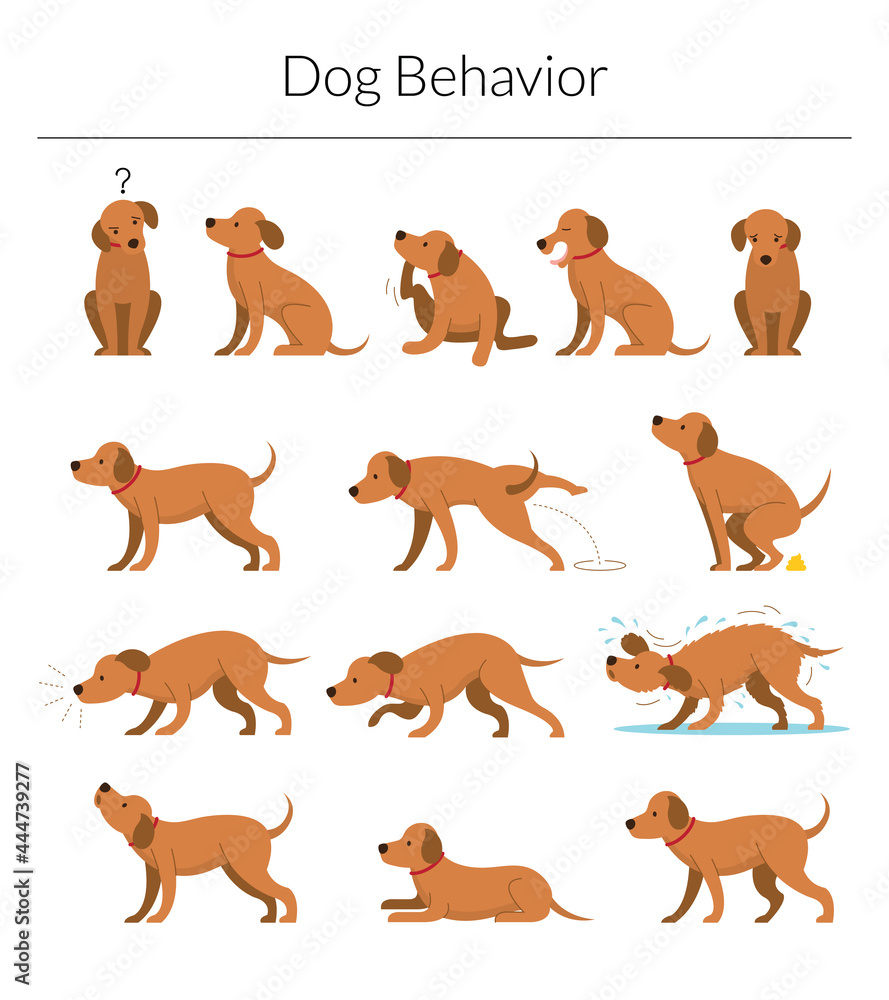
Dog behavior positions serve as a vital visual language system that communicates emotional states, physical comfort levels, and potential medical distress to observant caregivers. According to the International Association of Animal Behavior Consultants (IAABC), interpreting canine postural cues accurately prevents misunderstood signals and significantly enhances interspecies safety and welfare. Mastering these physical postures allows owners and clinical professionals to evaluate stress, arousal, and contentment before overt behavioral issues manifest. Comprehensive study of these signs supports effective Dog Behavior analysis and tailored management.
Pet Wellness & Behavior Snapshot:
- Core Focus: Interpreting canine body postures to assess emotional states and physical health.
- Target Scope: Companion animal care environments, clinical examinations, and home management.
- Key Recommendation: Monitor baseline physical posture daily to identify sudden shifts indicating medical or environmental stress.
Core Principles and Detailed Overview
Dog behavior positions are hardwired kinetic expressions that reflect autonomic nervous system activation, ranging from parasympathetic relaxation to sympathetic fight-or-flight responses. Relaxed postures typically involve loose muscles, an unweighted tail carriage, and soft facial features, indicating a secure internal state. Conversely, defensive or offensive postures involve deliberate alterations in profile geometry, such as lowering the center of gravity, piloerection, or weight-shifting backward to prepare for rapid movement. Evaluating these physical states requires looking at the entire kinetic chain rather than isolated body parts, ensuring accurate assessment across diverse Dog Breeds with varying natural builds.
Key Specifications and Breakdown
| Observed Indicator / Factor | Veterinary & Behavioral Explanation | Actionable Management Protocol |
|---|---|---|
| Play Bow (Front lower, rear elevated) | Signals an active invitation for social interaction and clarifies that subsequent behaviors are non-threatening. | Encourage constructive engagement and monitor play sessions for safe social boundaries. |
| Rigid Stance (Leaning forward, frozen frame) | Indicates extreme high-arousal, hyper-focus, and imminent defensive or offensive reaction to a perceived threat. | Safely interrupt the trigger, create immediate spatial distance, and avoid direct physical contact. |
| Crouched Body (Tucked tail, lowered head) | Reflects acute fear, submission, or severe physiological distress requiring gentle de-escalation. | Remove environmental stressors immediately and provide a secure, quiet resting sanctuary. |
Early identification of subtle postural shifts prevents escalating behavioral pathologies and supports lifelong canine health. — American Veterinary Medical Association (AVMA)
Step-by-Step Practical Application and Guidelines
Applying postural analysis in daily routines involves systematic observation during standard Dog Care activities, feeding times, and environmental transitions. Caregivers must first establish an individual baseline for each animal, noting normal resting profiles and gait dynamics. When unfamiliar postures appear, cross-reference the physical cue with environmental triggers such as loud noises, dietary changes, or unfamiliar animals. Incorporating balanced Dog Nutrition also prevents nutrient deficiencies that can manifest as chronic musculoskeletal discomfort and altered standing habits. Consistent tracking of behavioral changes improves proactive Dog Health management.
Common Challenges and How to Avoid Them
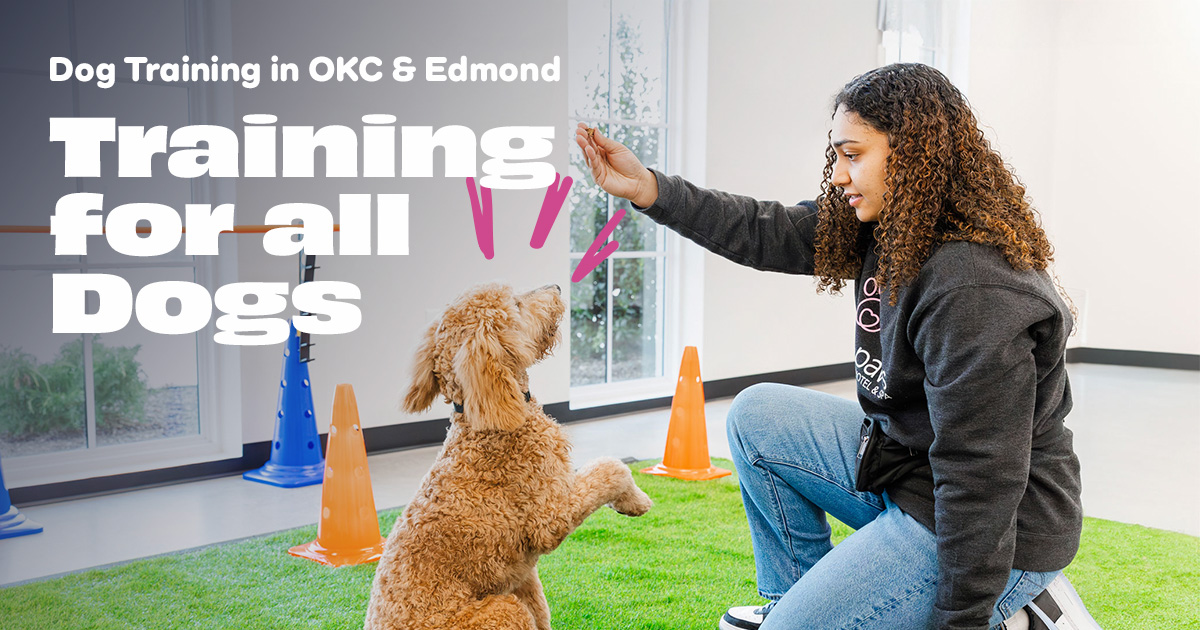
Misinterpreting defensive postures as friendly invitations represents the most frequent and hazardous error committed by novice handlers. For instance, a stiff, freezing dog with a wagging tail is experiencing high-level conflict rather than joyful greeting, a nuance frequently missed by casual observers. Caregivers must avoid punishing defensive postures, as reprimanding a dog for communicating discomfort removes the warning stage and increases bite risk. Utilizing professional Dog Training methods rooted in positive reinforcement helps modify underlying emotional responses safely without suppressing vital communicative signals.
💬 Frequently Asked Questions
Explore More Pet Care and Animal Health Guides on PetsAnimalsWorld
Deepening understanding of canine communication empowers caregivers to provide exceptional support across every life stage. Expand knowledge reserves further by exploring trusted resources and specialized articles available directly through Pets Animals World.
Visual Reference Gallery