

Understanding the Value of a Dog Behavior Questionnaire for Modern Canine Care
According to the American Society for Prevention of Cruelty to Animals (ASPCA), behavioral issues remain a primary reason dogs are relinquished to shelters, making early recognition and structured evaluation essential for lifelong retention. When individuals welcome a canine companion into a household, observing daily habits and identifying subtle shifts in demeanor can significantly impact the quality of shared life. Every canine exhibits unique patterns of interaction, resting habits, and environmental responses that accumulate into a distinct personality. Structured assessment tools allow observers to capture these traits methodically rather than relying on fleeting impressions. Proper evaluation supports humane management, strengthens the human-animal bond, and fosters a harmonious environment for both human family members and the resident animal.
💡 Pet Care Key Takeaways:
- Core Focus: Practical health, nutrition, and wellness guidelines for Dog Behavior Questionnaire.
- Target Scope: Pet owners, animal caregivers, and veterinary support staff.
- Best Recommendation: Maintain consistent daily routines and consult an accredited veterinarian before introducing major diet or medical changes.
Defining the Purpose and Structure of a Standardized Canine Assessment
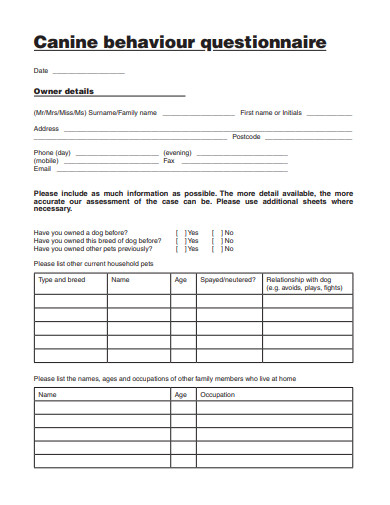
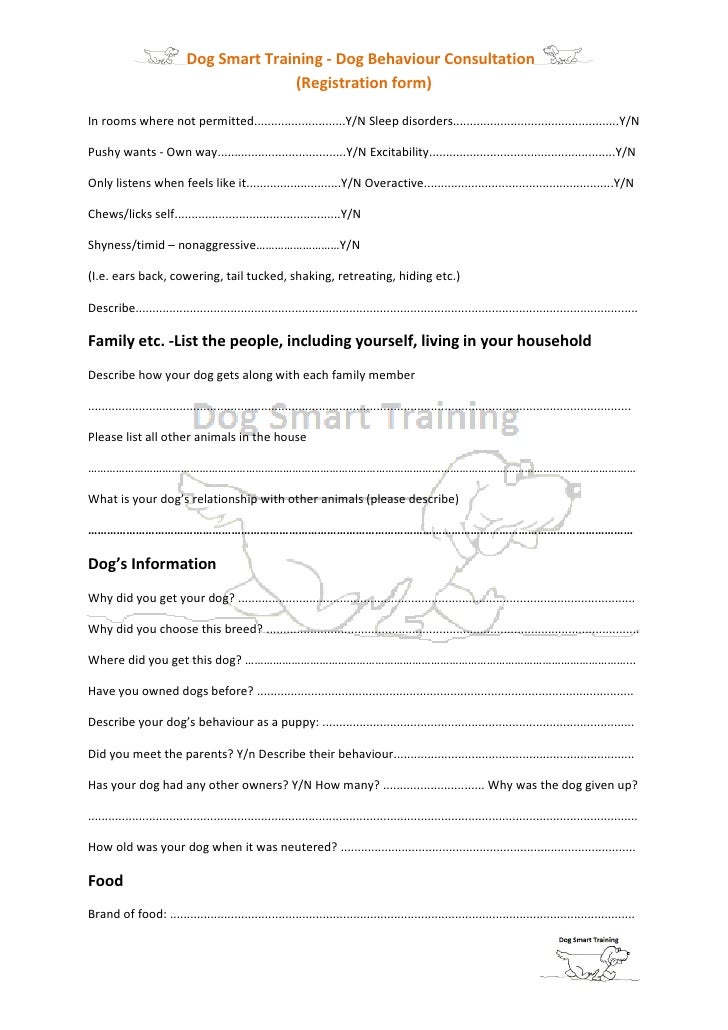
A dog behavior questionnaire serves as a systematic inventory of observable actions, emotional responses, and social interactions utilized by professionals and caregivers to evaluate canine temperament. These written or digital assessments typically cover multiple domains, including response to novel stimuli, interactions with unfamiliar people or animals, resource guarding tendencies, and general emotional stability. By breaking down complex emotional displays into specific, answerable queries, these instruments minimize subjectivity. Standardized tools provide a baseline that tracks developmental changes over time, helping observers notice gradual increases in reactivity or subtle improvements in confidence long before overt issues surface in daily routines.
Evaluating the Impact of Behavioral Data on Emotional Well-Being
Systematic behavioral profiling directly influences physical health, stress mitigation, and overall welfare by identifying hidden triggers that prompt chronic anxiety or fear. Chronic stress manifests physiologically through elevated cortisol levels, disrupted sleep patterns, and compromised immune function. When caregivers utilize structured inquiries to uncover environmental stressors—such as loud noises, separation from companions, or handling sensitivities—they gain the clarity needed to modify the animal’s surroundings proactively. Understanding these triggers prevents unintentional reinforcement of fearful patterns and supports emotional resilience through structured Dog Training methodologies focused on positive reinforcement.
Behavioral screening instruments assist professionals in quantifying subjective observations into actionable metrics — American Veterinary Medical Association
Implementing Structured Assessments in Everyday Companion Animal Management
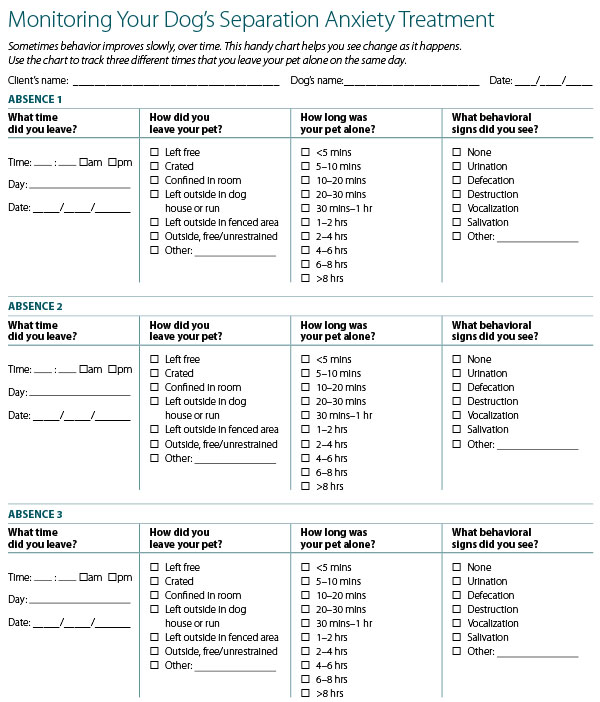
Utilizing a behavior assessment requires careful observation, consistent documentation, and an objective mindset free from emotional bias. Caregivers should record responses over several days to account for fluctuations caused by environmental changes, minor illness, or schedule disruptions. Rather than guessing how a dog might react in a hypothetical scenario, observers note actual historical reactions to specific triggers like veterinary examinations, grooming sessions, or encounters with unfamiliar dogs. This evidence-based approach ensures that management strategies align with the animal’s actual thresholds and learning style, rather than human assumptions or expectations.
Best Practices and Common Pitfalls When Documenting Canine Conduct
Accurate documentation depends on avoiding common assessment errors, such as misinterpreting canine body language or attributing human motives to animal actions. A rigid posture, whale eye, or lowered tail often signals acute stress, whereas a relaxed body indicates comfort. Observers must guard against anthropomorphism—the attribution of human traits like spite or guilt—which can obscure the actual motivational drivers behind an action, such as confusion, fear, or over-arousal. Establishing a routine schedule for completing evaluation tools helps maintain objectivity and captures seasonal or age-related shifts in temperament accurately.
Standardized behavioral evaluations improve communication between pet owners and veterinary professionals regarding mental well-being — American Kennel Club
Pet Care & Wellness Overview Table
| Life Stage | Daily Activity Level | Key Nutrition / Care Focus |
|---|---|---|
| Puppy / Kitten | High (frequent short bursts) | High-protein growth diet & early socialization |
| Adult Companion | Moderate (30–60 mins daily) | Balanced maintenance nutrition & dental hygiene |
| Senior Pets | Low to Gentle (mindful walks) | Joint support (Glucosamine) & routine vet checks |
Images References



Accounting for Breed Heritage, Age, and Individual Variation
Inherited predispositions, developmental stages, and individual life histories heavily influence how a dog responds to the surrounding world, necessitating tailored interpretation of any assessment tool. Dogs categorized under distinct Dog Breeds often display specific behavioral tendencies shaped by historical selection, such as herding instincts, guarding drives, or heightened scent tracking. Simultaneously, age plays a pivotal role; adolescent dogs frequently experience temporary spikes in reactivity or independence, whereas senior animals may exhibit cognitive decline that alters established patterns. Recognizing these variables ensures that expectations remain appropriate for the specific developmental milestone and genetic background of the individual animal.
When to Seek Professional Guidance for Complex Behavioral Concerns
Persistent fear, sudden aggression, destructive separation-related distress, or profound anxiety warrant consultation with a qualified veterinary behaviorist or certified professional trainer. For aggression, fear, and other behavior concerns, avoid punitive, intimidation-based, or dominance-based techniques, as these approaches frequently escalate fear and increase the risk of injury. A comprehensive evaluation by a veterinary professional is crucial to rule out underlying medical conditions or chronic pain that frequently manifest as sudden behavioral shifts. For specialized support regarding physical health, caregivers should explore reliable resources on Dog Health and consult licensed practitioners.
Closing Insights on Comprehensive Canine Wellness and Observation
Maintaining a deep understanding of canine conduct requires ongoing observation, patience, and access to accurate educational resources that prioritize humane, evidence-based care. Utilizing structured evaluation tools empowers caregivers to notice subtle shifts in temperament early, supporting proactive management and a stronger partnership with veterinary teams. To continue exploring valuable insights on companion animal ownership, visit PetsAnimalsWorld.com and discover additional articles dedicated to Dog Care and overall animal welfare.




