

Understanding the Root of Common Canine Queries
Navigating common dog behavior questions requires patience, observation, and a solid understanding of how animals perceive the world. According to the American Society for Prevention of Cruelty to Animals (ASPCA), behavioral issues are among the primary reasons owners seek guidance, highlighting the importance of clear communication between humans and their canine companions. Domestic dogs interpret environmental signals, human vocal tones, and physical postures through an evolutionary lens that prioritizes safety, social bonding, and resource security. When household misunderstandings arise, learning to view the situation from the animal’s perspective transforms frustration into effective partnership. Every household interaction shapes future habits, making foundational knowledge essential for a harmonious multi-species home.
💡 Pet Care Key Takeaways:
- Core Focus: Practical health, nutrition, and wellness guidelines for Dog Behavior Questions.
- Target Scope: Pet owners, animal caregivers, and veterinary support staff.
- Best Recommendation: Maintain consistent daily routines and consult an accredited veterinarian before introducing major diet or medical changes.
Decoding What Behavioral Queries Really Mean
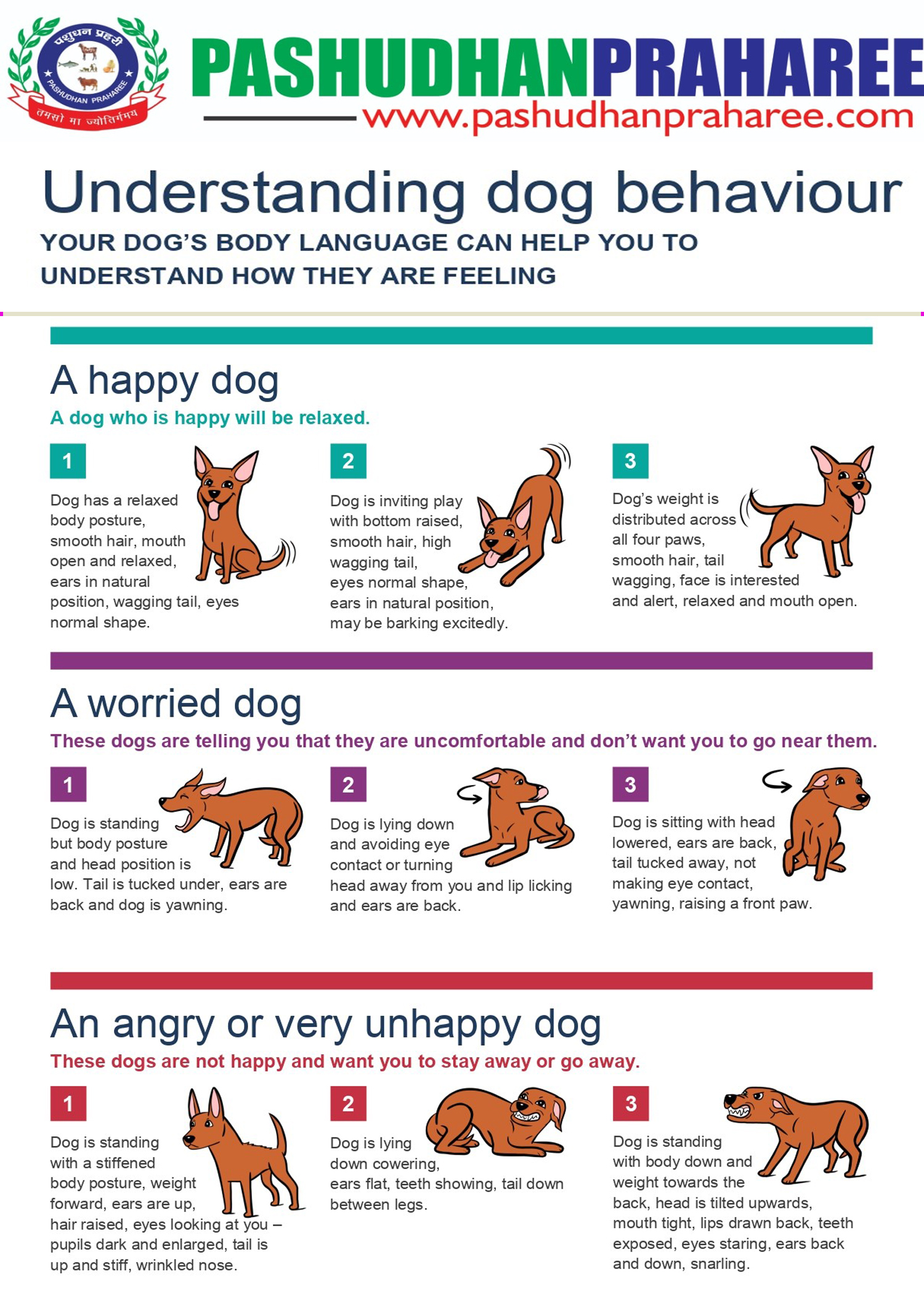
Dog behavior questions generally encompass a wide spectrum of natural actions, ranging from mild communication signals to intense emotional responses like fear and arousal. Canine communication relies heavily on body language, vocalizations, and scent marking rather than spoken language. When a dog displays persistent digging, excessive vocalization, or destructive chewing, these actions rarely stem from spite or disobedience. Instead, such habits typically represent adaptive responses to underlying needs, stress, or unmet physical and mental stimulation requirements. Recognizing the distinct triggers behind these actions allows caretakers to address the actual source of the problem rather than simply suppressing the visible symptom.
The Impact of Emotional States on Physical and Mental Well-Being
Unresolved behavioral stress significantly influences overall health, potentially triggering physiological changes associated with chronic anxiety. Chronic elevation of stress hormones can impair immune function, alter digestion, and diminish a dog’s capacity to learn new concepts or regulate emotional responses. Conversely, physical discomfort or underlying medical conditions frequently manifest as sudden shifts in demeanor, house-training regression, or reactive displays. Therefore, comprehensive Dog Health evaluations form an essential baseline whenever sudden behavioral changes emerge without an obvious environmental cause.
Chronic environmental stress in canines can lead to elevated cortisol levels, directly impacting immune response and learning capacity. — American Veterinary Medical Association
Methods for Addressing and Managing Behavioral Challenges
Successfully resolving behavioral inquiries involves structured positive reinforcement and systematic environmental management. Positive reinforcement relies on rewarding desired behaviors with high-value treats, toys, or praise, thereby increasing the likelihood that the dog will repeat those choices in the future. Management strategies involve proactively altering the environment to prevent unwanted practice of a habit, such as using baby gates or securing household items out of reach. Consistency across all household members ensures the animal receives clear, predictable guidance during daily routines and structured learning sessions.
Best Practices and Common Mistakes to Avoid During Training
Implementing effective guidance requires avoiding outdated dominance-based theories or punitive corrections, which often escalate fear, confusion, and defensive aggression. Certified trainers emphasize that punishment fails to teach the animal what to do instead, frequently damaging the trust between dog and owner. Best practices include keeping training sessions short, emotionally low-stakes, and rewarding immediately to establish a clear cognitive bridge between the action and the consequence. Patience remains a vital asset, as sustainable behavioral modification unfolds gradually through repetition and positive association.
Punishment-based training methods carry a documented risk of increasing fear-based aggression and weakening the human-animal bond. — American College of Veterinary Behaviorists
Pet Care & Wellness Overview Table
| Life Stage | Daily Activity Level | Key Nutrition / Care Focus |
|---|---|---|
| Puppy / Kitten | High (frequent short bursts) | High-protein growth diet & early socialization |
| Adult Companion | Moderate (30–60 mins daily) | Balanced maintenance nutrition & dental hygiene |
| Senior Pets | Low to Gentle (mindful walks) | Joint support (Glucosamine) & routine vet checks |
Images References


Breed, Age, and Temperament Factors in Canine Actions
Individual differences across Dog Breeds, developmental stages, and unique temperaments heavily influence how animals respond to training and daily routines. Herding breeds often display strong instinctual nipping or circling tendencies, whereas independent guardian breeds might require specialized socialization to build confidence around unfamiliar visitors. Puppies explore the environment extensively with their mouths, a normal developmental phase that requires redirection rather than harsh reprimands. Senior dogs may experience cognitive decline or joint discomfort, which directly alters their mobility, sleep patterns, and threshold for handling.
When to Consult a Veterinary Professional or Certified Behaviorist
Persistent behavioral concerns that involve severe fear, generalized anxiety, destructive panic, or any form of aggression require professional intervention from a qualified specialist. Punitive, intimidation-based, or dominance-based techniques should always be avoided, especially when dealing with high-stress scenarios. For specialized support, consult a certified professional dog trainer utilizing humane methods or a board-certified veterinary behaviorist. These experts conduct thorough diagnostic assessments to create customized, medically sound modification plans tailored to the specific needs of the animal and household.
Exploring Further Resources for Canine Guidance
Expanding knowledge about canine wellness helps ensure a fulfilling lifestyle for every household pet. Delving into dedicated resources on Dog Behavior, practical Dog Care, and balanced Dog Training provides ongoing support for everyday challenges. Continuous learning empowers caretakers to meet evolving physical and mental needs across all life stages. Visit PetsAnimalsWorld.com to explore additional guides, expert insights, and comprehensive articles designed to foster a healthy, thriving relationship with your animal companions.




