

Understanding the Intersection of Canine Wellness and Canine Conduct
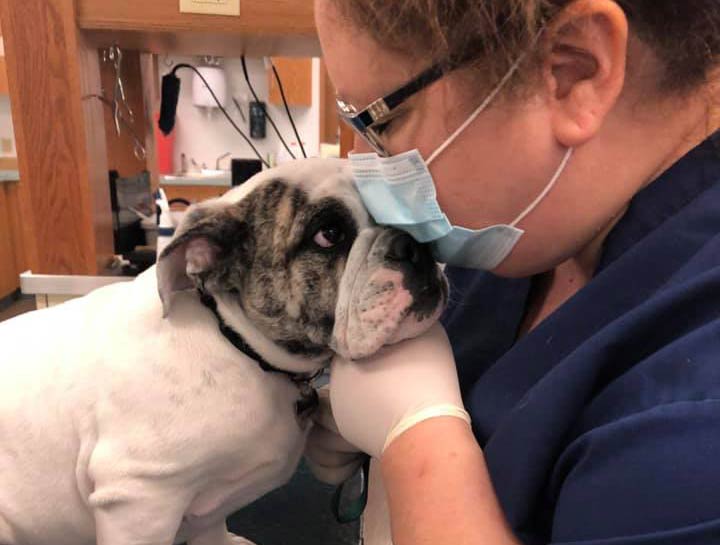
Addressing unexpected or challenging actions in domestic canines requires looking far beyond basic obedience to evaluate the deep connection between physical health and psychological wellness. According to the American Veterinary Medical Association, sudden changes in temperament often serve as key indicators of underlying medical discomfort rather than mere disobedience. Recognizing this link changes how households approach everyday challenges, shifting the focus from punishment to investigation and empathy.
💡 Pet Care Key Takeaways:
- Core Focus: Practical health, nutrition, and wellness guidelines for Dog Behavior Vet.
- Target Scope: Pet owners, animal caregivers, and veterinary support staff.
- Best Recommendation: Maintain consistent daily routines and consult an accredited veterinarian before introducing major diet or medical changes.
Dogs communicate distress through subtle body language, vocalizations, and shifts in daily routines long before major issues become apparent. When households understand that physical ailments frequently manifest as behavioral alterations, they can respond with compassion rather than frustration. This comprehensive outlook supports long-term harmony within the household and promotes better health outcomes for the animal companion.
Defining the Role of Veterinary Behavioral Medicine
Veterinary behavioral medicine represents a specialized veterinary discipline focused on diagnosing and treating mental health conditions, emotional disorders, and abnormal conduct in domestic animals. Unlike traditional trainers who focus primarily on obedience and operant conditioning—a method of learning that uses rewards and consequences to modify actions—a veterinary behaviorist holds a veterinary degree with advanced training in psychopharmacology, neurobiology, and clinical behavioral science. This advanced expertise allows practitioners to evaluate complex conditions such as generalized anxiety, separation distress, and compulsive tendencies with clinical precision.
The evaluation process typically involves a comprehensive physical examination, diagnostic laboratory testing, and a detailed review of the animal’s history, environment, and daily schedule. Many conditions that look purely psychological actually stem from organic disease processes, such as hormonal imbalances, neurological disorders, or chronic pain conditions like osteoarthritis. By ruling out medical root causes first, veterinary professionals create accurate, individualized intervention plans that may combine environmental management, positive reinforcement training, and medical therapy when necessary.
The Direct Impact of Pain and Illness on Conduct
Medical discomfort remains one of the most common yet overlooked drivers of sudden reactivity, fearfulness, and reluctance to engage in normal household routines. When a canine experiences chronic joint degeneration, dental disease, gastrointestinal distress, or neurological irritation, the resulting physiological stress lowers the threshold for defensive reactions. For instance, an animal that suddenly growls when touched near the hindquarters may not be displaying dominance, but rather attempting to protect a painful hip or lower back.
Medical conditions, particularly chronic pain and sensory decline, frequently underlie sudden shifts in canine reactivity and aggression. — American Veterinary Medical Association
Beyond obvious pain, systemic illnesses such as hypothyroidism, cognitive dysfunction syndrome, and sensory decline can alter perception, memory, and emotional regulation. A senior dog losing vision or hearing may startle easily, leading to defensive snapping out of sheer surprise rather than malice. Routine wellness examinations provide essential opportunities to catch these physiological changes early, allowing medical intervention to restore comfort and stabilize temperament before habits become deeply ingrained.
Implementing Evidence-Informed Management and Support
Managing complex behavioral concerns requires structured, humane, and evidence-informed strategies that prioritize emotional safety and clear communication. Guidance from resources focused on Dog Training emphasizes that effective behavior modification relies on desensitization—gradual exposure to a trigger at a low intensity—and counter-conditioning, which pairs that trigger with a positive outcome to change the emotional response. Punitive techniques, intimidation, and dominance-based theories are strictly avoided because they increase fear, elevate stress hormones, and often escalate defensive reactions.
Environmental management forms the cornerstone of any successful behavior modification plan. This means proactively preventing the animal from encountering triggers that cause panic or over-arousal while new coping skills are developed. Coupled with proper physical exercise, mental enrichment, and balanced guidance found through Dog Care resources, structured routines help regulate emotional states and build confidence over time.
Best Practices and Common Pitfalls in Behavioral Support
Consistency, patience, and careful observation represent the foundational pillars of successful behavioral intervention in domestic animals. A common pitfall in households is rushing the desensitization process, exposing the animal to overwhelming triggers before foundational coping mechanisms are established. Keeping sessions short, maintaining a safe distance from stressors, and rewarding calm attention help reinforce desirable habits without causing mental fatigue.
Another frequent mistake involves misinterpreting calming signals—such as yawning, lip-licking, or turning the head away—as willful disobedience rather than signs of acute stress. Recognizing these subtle cues allows handlers to intervene early, de-escalate tension, and prevent the animal from feeling forced into a defensive reaction. Exploring foundational topics through Dog Behavior guides helps families learn to read these nuanced communications accurately.
Positive reinforcement methods create more reliable behavioral change and lower stress levels compared to punishment-based techniques. — American College of Veterinary Behaviorists
Pet Care & Wellness Overview Table
| Life Stage | Daily Activity Level | Key Nutrition / Care Focus |
|---|---|---|
| Puppy / Kitten | High (frequent short bursts) | High-protein growth diet & early socialization |
| Adult Companion | Moderate (30–60 mins daily) | Balanced maintenance nutrition & dental hygiene |
| Senior Pets | Low to Gentle (mindful walks) | Joint support (Glucosamine) & routine vet checks |
Images References




Individual Factors: Breed, Age, and Developmental Stages
Individual differences rooted in genetics, breed history, age, and life stage heavily influence how an animal perceives and interacts with the world. While foundational guidance remains universal, understanding specific breed predispositions helps set realistic expectations for energy levels, prey drive, and social tendencies. For example, guardian breeds may exhibit natural wariness toward strangers, requiring careful socialization during puppyhood, while herding breeds often display high mental stamina and impulse-driven nipping if under-stimulated.
Age-related transitions also demand tailored management strategies. Adolescence brings hormonal surges and boundary-testing phases that require steady, patient guidance. Conversely, senior dogs experience physiological aging that can affect mobility, cognitive function, and sensory processing. Exploring insights on Dog Breeds and Dog Health helps owners anticipate these developmental milestones and adjust care routines proactively to support lifelong well-being.
When to Consult a Veterinary Professional or Certified Specialist
Prompt professional intervention is essential whenever sudden, unexplained behavioral shifts occur, or when existing challenges jeopardize the safety of the household or community. Any instance of unprovoked aggression, severe separation anxiety, destructive panic during storms, or persistent self-mutilation warrants a comprehensive medical and behavioral evaluation. Delaying expert consultation often allows emotional trauma to deepen, making subsequent rehabilitation more difficult and prolonged.
Initial consultations should begin with the primary care veterinarian to rule out organic disease, neurological injury, or chronic pain. If medical causes are excluded or require specialized management, referral to a board-certified veterinary behaviorist or a certified professional dog trainer utilizing humane, science-based methods is strongly recommended. These specialists possess the clinical expertise required to design safe, effective, and individualized treatment protocols that protect the bond between the animal and the household.
Building a Harmonious Future Through Informed Care
Supporting canine mental wellness requires a balanced commitment to physical health, emotional safety, and humane, evidence-informed guidance. By viewing conduct through a compassionate lens and seeking professional support at the first sign of distress, households can navigate complex behavioral challenges successfully. Discover more expert resources and practical advice by visiting PetsAnimalsWorld.com and exploring comprehensive guides on Dog Nutrition to support overall vitality.


