Understanding Canine Conduct and Professional Support in West Michigan
According to the American Society for Prevention of Cruelty to Animals (ASPCA), behavioral issues are among the primary reasons owners relinquish dogs to shelters, highlighting the critical need for accessible, professional guidance. When dogs exhibit persistent reactivity, severe separation distress, or generalized anxiety, standard obedience classes often fall short of addressing the underlying emotional triggers. Seeking specialized support through a dog behaviorist grand rapids resource connects local pet owners with evidence-based interventions tailored to complex psychological needs. Professional animal behavior support bridges the gap between frustration and harmonious coexistence by focusing on the root causes of canine distress rather than merely suppressing surface-level symptoms.
💡 Pet Care Key Takeaways:
- Core Focus: Practical health, nutrition, and wellness guidelines for Dog Behaviorist Grand Rapids.
- Target Scope: Pet owners, animal caregivers, and veterinary support staff.
- Best Recommendation: Maintain consistent daily routines and consult an accredited veterinarian before introducing major diet or medical changes.
Defining Professional Behavioral Intervention and Specialization
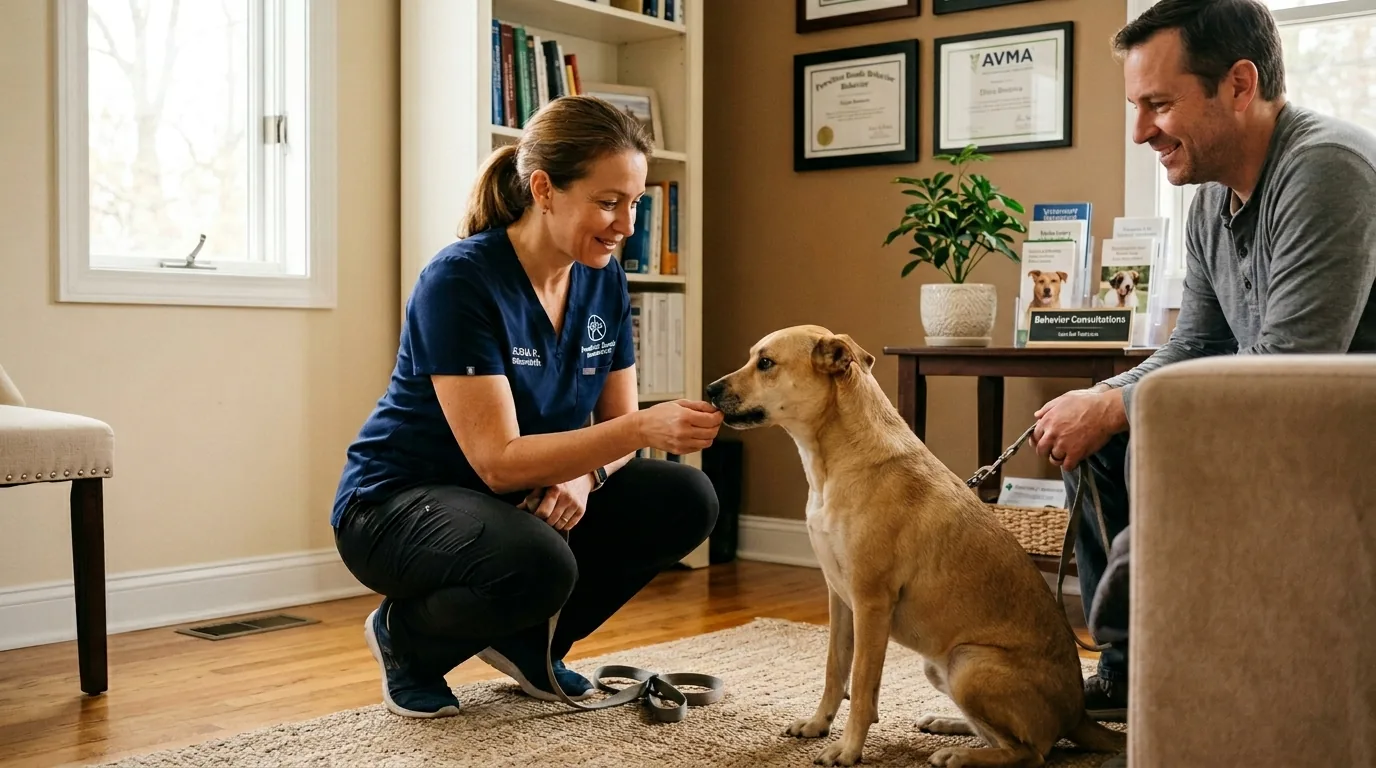
A certified dog behaviorist in Grand Rapids focuses on the scientific study of animal learning, psychology, and environmental modifications to resolve complex behavioral pathologies. Unlike basic obedience trainers who teach foundational cues like sit and stay, applied animal behaviorists analyze emotional states, neurotransmitter influences, and historical reinforcement patterns that drive specific actions. These specialists typically hold advanced degrees in animal science, zoology, or veterinary medicine, or maintain rigorous professional certifications through accredited organizations such as the Animal Behavior Society or the International Association of Animal Behavior Consultants. By evaluating environmental triggers, daily routines, and physiological health, these professionals develop customized behavior modification plans designed to reduce stress and foster positive emotional regulation. For more related activities, check out our Dog Behaviorist Near Me In Home.
The Impact of Unresolved Behavioral Stress on Canine Well-Being
Unmanaged chronic stress and behavioral disorders significantly compromise a dog’s physical health, immune response, and overall longevity. Prolonged activation of the sympathetic nervous system elevates cortisol and adrenaline levels, which can lead to gastrointestinal distress, compromised immune function, and exacerbated pain perception from underlying conditions like osteoarthritis. Furthermore, chronic fear or reactivity often limits a dog’s world, restricting daily exercise, social enrichment, and mental stimulation. Addressing these challenges through structured behavioral modification safeguards mental health while enhancing physical vitality and strengthening the human-animal bond.
Chronic behavioral stress in companion animals frequently manifests through physiological changes, including elevated cortisol levels and lowered immune resilience over time. — American Veterinary Medical Association
Implementing Evidence-Based Modification Strategies Locally
Successful behavioral modification relies heavily on humane, science-backed learning principles such as systematic desensitization and counter-conditioning. Systematic desensitization involves exposing a dog to a feared or triggering stimulus at a very low intensity that does not provoke a fear response, while counter-conditioning pairs that previously unpleasant stimulus with a high-value reward to alter the underlying emotional association. Working with local specialists ensures that these techniques are calibrated precisely to the individual animal’s thresholds. Owners must maintain consistent environmental management, preventing rehearsal of unwanted behaviors while gradually building the dog’s confidence and emotional resilience in varied everyday scenarios.
Best Practices and Common Pitfalls in Behavior Modification
Navigating canine behavioral rehabilitation requires patience, consistency, and a strict adherence to positive reinforcement methodologies. A frequent mistake among pet owners involves rushing exposure exercises or utilizing punishment-based equipment, such as prong or shock collars, which typically heighten anxiety and increase the risk of defensive aggression. Establishing clear communication channels, maintaining predictable daily routines, and celebrating incremental progress yield far more sustainable outcomes than quick fixes or punitive measures. Consistency across all household members ensures the dog receives unambiguous signals during every learning opportunity.
Punishment-based training techniques significantly elevate stress levels and behavioral suppression, often increasing the frequency of defensive aggression in reactive dogs. — American Animal Hospital Association
Pet Care & Wellness Overview Table
| Life Stage | Daily Activity Level | Key Nutrition / Care Focus |
|---|---|---|
| Puppy / Kitten | High (frequent short bursts) | High-protein growth diet & early socialization |
| Adult Companion | Moderate (30–60 mins daily) | Balanced maintenance nutrition & dental hygiene |
| Senior Pets | Low to Gentle (mindful walks) | Joint support (Glucosamine) & routine vet checks |
Images References






Breed, Age, and Temperament Factors in Behavioral Support
Every dog possesses a unique genetic predisposition, developmental history, and temperament that directly influences behavioral expression and response to intervention. Working dog breeds, for instance, often require specialized outlets for high mental energy and instinctual drive, whereas companion breeds might display heightened sensitivity to environmental changes. Age also plays a vital role; adolescent dogs undergo hormonal surges that can temporarily intensify boundary-testing, while senior dogs may exhibit cognitive dysfunction syndrome that mimics behavioral disobedience. Tailoring behavior modification strategies to account for these intrinsic biological factors ensures realistic expectations and promotes more effective, empathetic rehabilitation.
When to Consult a Veterinary Professional or Certified Behaviorist
Persistent behavioral changes, sudden onset aggression, or severe anxiety warrant an immediate evaluation by a veterinarian to rule out underlying medical issues, pain, or neurological conditions. Once physical health is verified by a clinical examination, partnering with a certified applied animal behaviorist or a veterinary behaviorist provides the safest and most effective pathway forward. Professional intervention is especially crucial when behaviors pose physical risks to humans or other animals, or when standard management techniques fail to produce measurable improvements after several weeks of consistent application.
Closing Guidance on Canine Behavioral Resources
Navigating complex behavioral challenges requires dedication, professional insight, and a commitment to humane, science-based care principles. Pet owners seeking further education on canine psychology, physical wellness, and training methods can explore a variety of trusted resources tailored to modern pet parenting. Discover more insights and guidance by visiting PetsAnimalsWorld.com, along with specialized categories dedicated to Dog Behavior, Dog Training, and Dog Health.