

Addressing canine behavioral challenges requires a dedicated approach that prioritizes animal welfare and evidence-based learning principles. According to the American Society for the Prevention of Cruelty to Animals (ASPCA), behavioral problems are among the leading reasons dogs are relinquished to shelters, making early and humane intervention vital for keeping families together. In bustling metropolitan environments like Northeast Florida, domestic dogs frequently encounter diverse stimuli, including heavy coastal traffic, wildlife encounters, high humidity, and dense neighborhood foot traffic. These environmental pressures can occasionally trigger stress responses, fear, or reactivity in dogs that otherwise thrive in calm settings. Understanding why dogs react to specific triggers is the first step toward creating a peaceful coexistence between pets and human companions. When households seek guidance for a dog behaviorist Jacksonville FL, they are typically looking for structured, professional assistance to navigate these complex behavioral hurdles safely and effectively.
💡 Technical Key Takeaways:
- Core Focus: Diagnostic schematic and terminal connection layout for Dog Behaviorist Jacksonville Fl.
- Target Scope: Field technicians, automotive DIYers, and residential/commercial electricians.
- Safety Rule: Always disconnect the primary power source/battery terminal and verify zero voltage with a multimeter before touching wires.
Understanding professional behavior modification and training
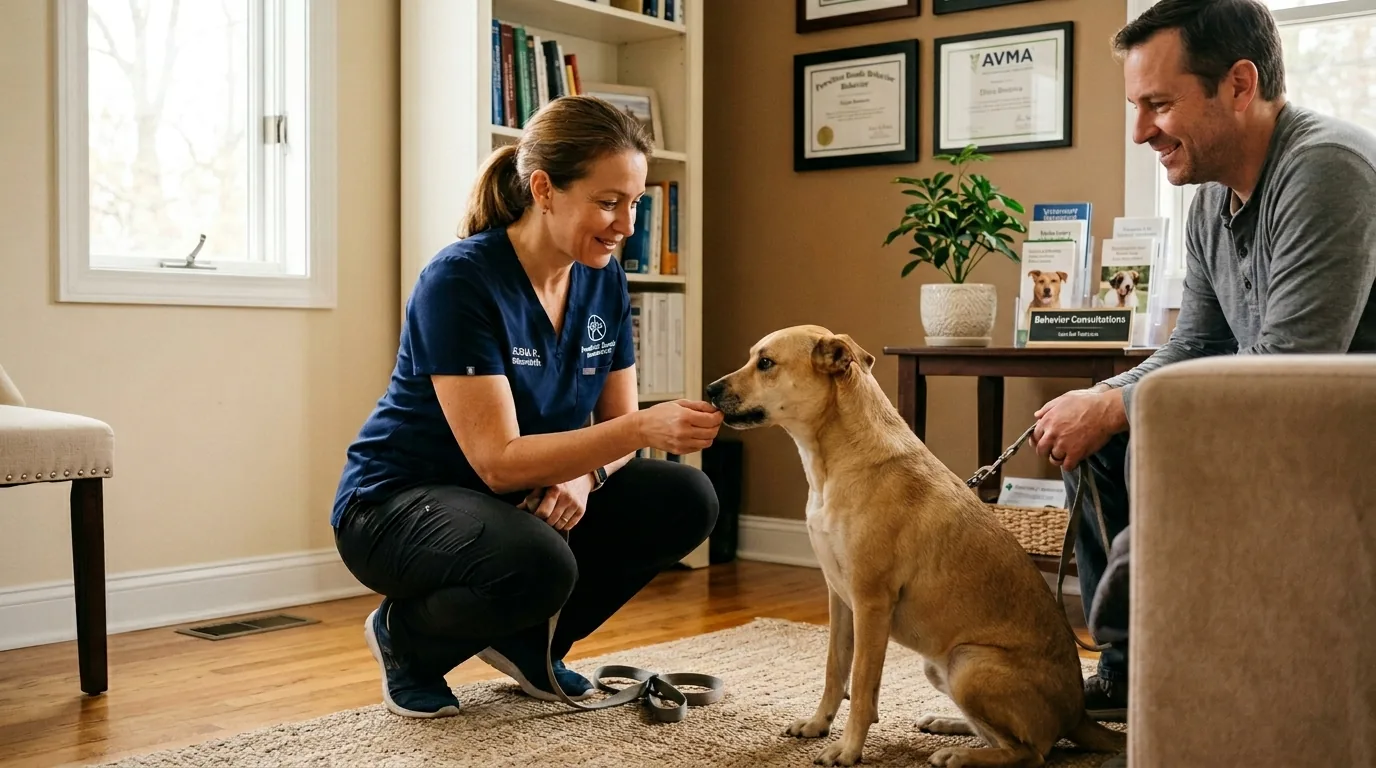
A professional practitioner specializing in dog behaviorist Jacksonville FL focuses on identifying the root causes of abnormal or unwanted actions rather than merely suppressing surface symptoms. Dog behavior encompasses all observable actions and responses to internal and external stimuli, shaped by genetics, early socialization, and daily experiences. Certified behavior consultants and applied animal behaviorists utilize operant conditioning, classical conditioning, and desensitization techniques to modify emotional responses. Classical conditioning involves pairing a previously feared or arousing trigger with a positive stimulus, such as high-value food, to alter the underlying emotional state. Operant conditioning utilizes positive reinforcement to encourage desirable actions while managing the environment to prevent rehearsal of unwanted habits. Unlike basic obedience instructors who focus primarily on command compliance, professional behaviorists tackle complex issues such as severe separation anxiety, generalized fear, resource guarding, and inter-dog aggression through comprehensive behavioral plans. For more related activities, check out our Dog Behaviour Before Earthquake.
The physiological and psychological impact of chronic stress
Chronic stress and unaddressed behavioral issues can profoundly impact a dog’s long-term physical health and neurological well-being. Prolonged elevation of stress hormones, such as cortisol and adrenaline, can weaken the immune system, disrupt gastrointestinal function, and exacerbate underlying medical conditions. Dogs experiencing persistent anxiety may also develop stereotypic behaviors, obsessive-compulsive habits, or chronic sleep deprivation, which further diminishes their quality of life. Humane behavior modification aims to lower baseline arousal and restore emotional equilibrium, protecting the animal from the toll of chronic distress. Establishing predictable daily routines, providing mental enrichment, and ensuring adequate rest help mitigate environmental stressors commonly found in urban and suburban settings.
Behavioral problems in companion dogs are frequently rooted in unmet social, mental, or physical needs rather than intentional disobedience or spite. — American Veterinary Medical Association
Implementing humane strategies for behavior modification
Managing and resolving persistent behavioral concerns involves systematic environmental management, careful trigger avoidance, and consistent reward-based reinforcement. Environmental management means proactively altering the dog’s surroundings to prevent exposure to overwhelming stimuli while new coping mechanisms are established. For example, blocking visual access to street traffic using window films can instantly reduce barrier frustration and reactive barking in fence-line settings. Consistency across all human family members is essential, as mixed signals can confuse the animal and stall progress during behavior modification programs.
Best practices and common pitfalls in behavior work
Successful behavior change relies on patience, incremental steps, and strict adherence to humane methodologies, avoiding punitive or intimidation-based techniques that can escalate fear and defensive aggression. A frequent mistake among pet owners is rushing exposure to challenging triggers before the dog is emotionally prepared, leading to sensory overload and regression. Owners should monitor body language closely, watching for subtle stress signals such as lip licking, yawning, tucked tails, or averted gaze, which indicate that the dog has reached threshold capacity. Celebrating small milestones rather than demanding immediate perfection fosters a trusting learning environment and supports long-term behavioral stability.
Positive reinforcement training methods strengthen the human-animal bond while reducing stress-related behaviors and fear responses in domestic dogs. — American Kennel Club
Quick Wiring Specifications & Terminal Guide
| Component / Circuit | Standard Wire Gauge | Recommended Protection |
|---|---|---|
| Control & Trigger Signals | 18 – 20 AWG | 5A – 7.5A Inline Fuse |
| Standard Auxiliary Load | 14 – 16 AWG | 15A – 20A Circuit Breaker |
| Main Power Feed / Supply | 10 – 12 AWG | 30A – 40A Heavy-Duty Relay |
Images References



Breed, age, and individual temperament considerations
Every dog is a unique individual influenced by breed heritage, developmental stage, and innate personality traits that dictate how they perceive and respond to their environment. Working and herding breeds, for instance, may possess intense drive and high energy requirements that, if unfulfilled, can manifest as redirected herding behaviors or compulsive habits. Conversely, companion and toy breeds may possess heightened sensitivity to environmental changes, making them more susceptible to generalized anxiety if socialization is lacking during early developmental windows. Age also plays a critical role, as senior dogs may undergo cognitive decline or experience joint discomfort that alters their tolerance levels and behavioral responses. Tailoring a behavior modification plan to suit the specific physical capabilities, age, and genetic background of the individual dog is essential for achieving sustainable, positive outcomes.
When to consult a veterinary professional or certified behaviorist
Seeking immediate professional guidance is crucial when dealing with severe behavioral concerns, sudden personality shifts, or actions that pose a safety risk to humans or other animals. A comprehensive veterinary examination should always be the first step in addressing new or escalating behavior issues, as underlying pain, neurological disorders, hormonal imbalances, or sensory loss can directly manifest as aggression, fear, or lethargy. For persistent fear, reactivity, or separation anxiety, pet owners should consult a certified applied animal behaviorist or a veterinary behaviorist who holds recognized credentials in humane animal training. Prompt intervention prevents entrenched neural pathways from solidifying, ensuring that the dog receives safe, scientifically sound support tailored to its specific behavioral needs.
Building a balanced, harmonious life with canine companions
Creating a safe, enriching environment for a companion animal requires ongoing commitment to understanding canine communication and respecting individual behavioral boundaries. By integrating structured mental stimulation, consistent positive reinforcement, and appropriate veterinary oversight, owners can successfully navigate complex behavioral challenges and enhance their pet’s daily life. Exploring resources on Dog Behavior, Dog Training, and Dog Health can provide additional insights into fostering a healthy, balanced relationship. Visiting PetsAnimalsWorld.com regularly offers continued access to expert-informed articles designed to support responsible pet ownership at every stage of a dog’s life.




