

Introduction
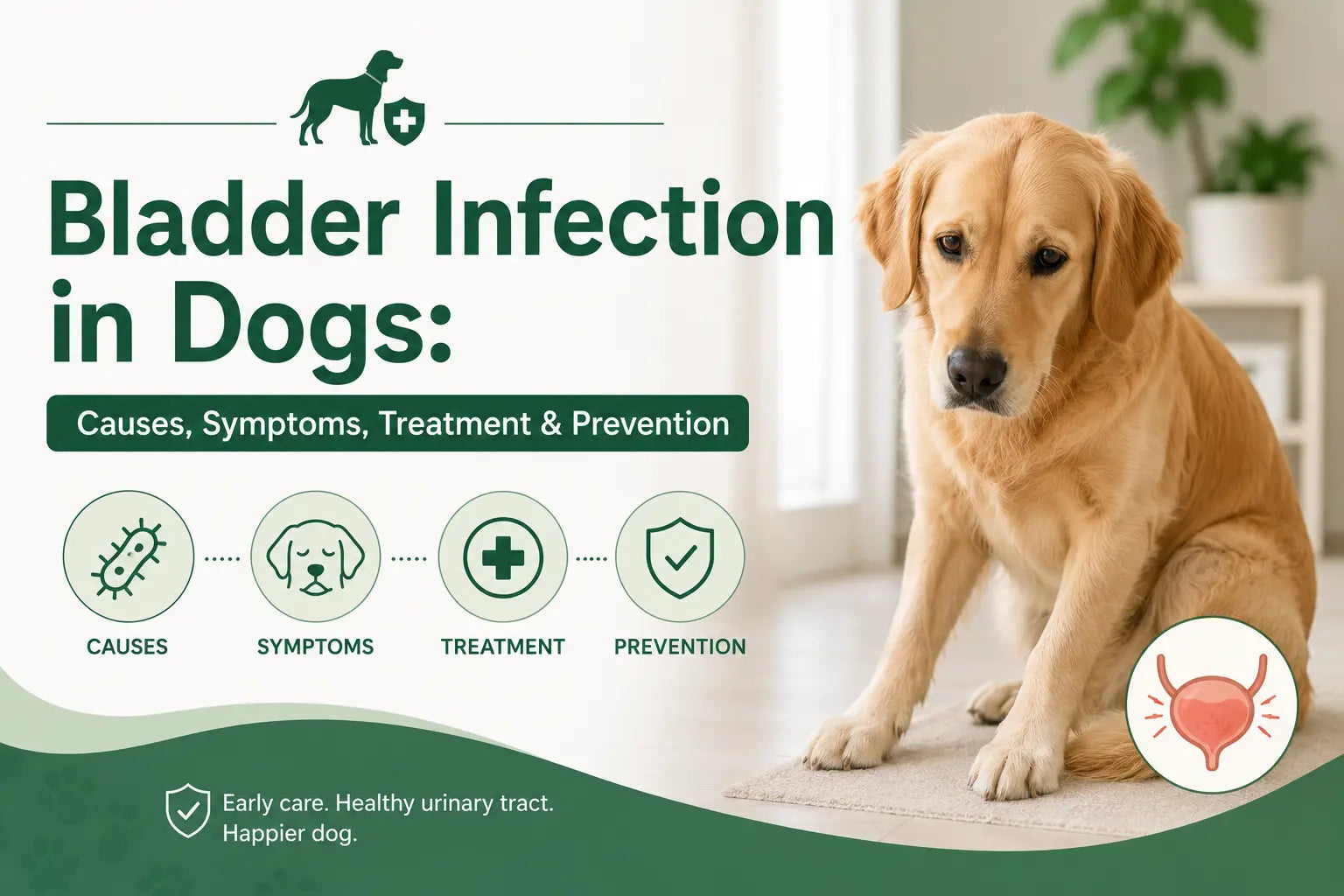
A dog bladder infection, medically known as a urinary tract infection (UTI), represents a common health concern for canines worldwide. Understanding effective dog bladder infection treatment is paramount for pet owners, as these conditions can cause significant discomfort and, if left unaddressed, lead to more severe health complications, including kidney infections. This issue frequently arises when bacteria enter the urinary tract, leading to inflammation and irritation of the bladder lining. Gaining insight into the causes, symptoms, and appropriate interventions for a dog bladder infection can significantly improve a dog’s overall well-being, alleviate pain, and prevent recurrent health problems, thereby enhancing their quality of life. Proactive knowledge empowers owners to act swiftly and decisively when signs of an infection appear.
💡 Pet Care Key Takeaways:
- Core Focus: Practical health, nutrition, and wellness guidelines for Dog Bladder Infection Treatment.
- Target Scope: Pet owners, animal caregivers, and veterinary support staff.
- Best Recommendation: Maintain consistent daily routines and consult an accredited veterinarian before introducing major diet or medical changes.
Common Causes and Key Factors
Numerous factors can contribute to the development of a dog bladder infection, with bacterial invasion being the most prevalent cause. Bacteria, commonly originating from the dog’s skin or feces, can ascend the urethra into the bladder, leading to infection. Female dogs often exhibit a higher susceptibility due to their shorter urethras, which provide a less challenging pathway for bacteria to reach the bladder. For more related activities, check out our Signs Of A Deaf Dog Behavior Problems And Solutions.
Underlying health conditions also play a significant role. Diseases such as diabetes mellitus and Cushing’s disease can weaken the immune system, making dogs more vulnerable to infections. Bladder stones, also known as uroliths, can irritate the bladder lining and create an environment conducive to bacterial growth. Structural abnormalities within the urinary tract, present from birth or developing later in life, can impede normal urine flow and contribute to infection. Additionally, conditions that prevent a dog from fully emptying its bladder, such as prostate enlargement in male dogs or neurological issues affecting bladder control, can lead to stagnant urine, an ideal breeding ground for bacteria. Age can also be a factor, as older dogs may have compromised immune systems or develop age-related conditions that increase their risk.
Signs and Symptoms to Observe
Recognizing the signs of a dog bladder infection early is crucial for timely and effective treatment. Owners should pay close attention to changes in their dog’s urination habits and general behavior. One of the most common indicators is an increased frequency of urination, known as pollakiuria, where a dog attempts to urinate more often than usual, often producing only small amounts.
Straining to urinate, or stranguria, is another significant symptom, sometimes accompanied by visible discomfort or crying during urination. Previously house-trained dogs may begin having accidents inside the home. Observation of the urine itself can reveal blood (hematuria), cloudiness, or an unusually strong, foul odor. Excessive licking of the genital area is also a common sign, as dogs try to soothe irritation. In more severe cases, a dog might exhibit lethargy, a decreased appetite, or a hunched posture indicating abdominal pain. It is important to note that symptoms can vary, with some dogs showing subtle signs while others display more pronounced discomfort. Breed and individual pain tolerance can influence the visibility of these symptoms.
Practical Solutions and Management Strategies
While specific dog bladder infection treatment requires veterinary intervention, owners can implement practical strategies to support their dog’s urinary health and aid in recovery once a diagnosis is made. Encouraging ample water intake is a fundamental step. Increased hydration helps flush the bladder, reducing the concentration of bacteria and irritants. This can be achieved through providing fresh, accessible water at all times, incorporating wet food into the diet, or using pet water fountains to entice drinking.
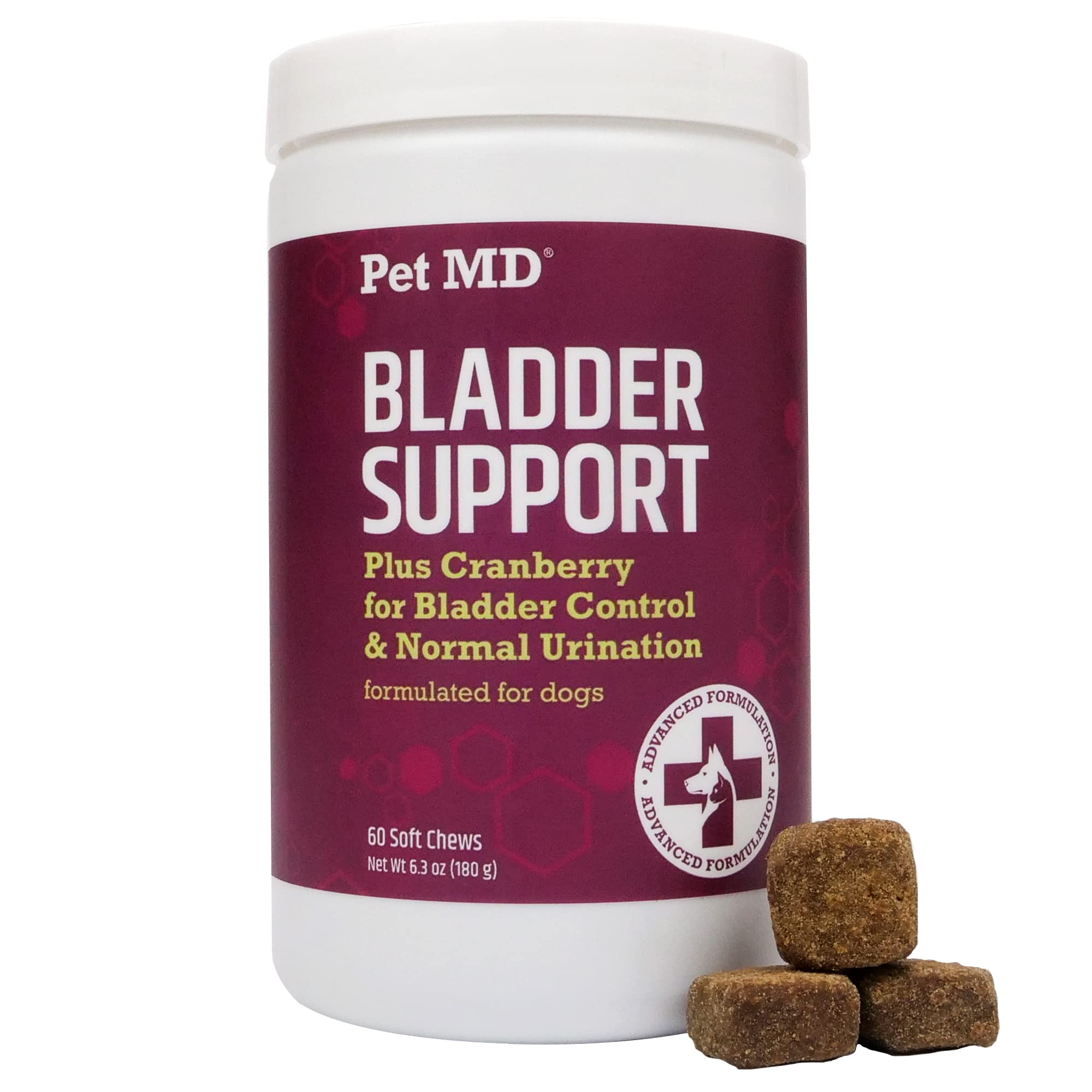
Frequent opportunities for urination are also vital. Allowing a dog to relieve itself often prevents urine from sitting in the bladder for extended periods, which can contribute to bacterial growth. Maintaining good hygiene, particularly around the genital area, can minimize the introduction of bacteria. Regular grooming and keeping the area clean and dry are beneficial. Dietary considerations may also play a role; some veterinary-prescribed diets are formulated to support urinary tract health by adjusting urine pH or providing specific nutrients. While cranberry supplements are sometimes discussed for urinary health, their use should always be discussed with a veterinarian to ensure suitability and proper dosage. Reducing environmental stress and ensuring a comfortable living space also contribute to a dog’s overall well-being and immune function, supporting recovery.
When Professional Help May Be Needed
Any suspicion of a dog bladder infection warrants prompt veterinary attention. Attempting to self-diagnose or administer home remedies without professional guidance can delay appropriate care and potentially worsen the condition. A veterinarian will typically begin by collecting a urine sample for analysis, which includes a urinalysis to check for signs of infection (e.g., blood, white blood cells, bacteria) and often a urine culture and sensitivity test. The culture identifies the specific type of bacteria present, and the sensitivity test determines which antibiotics will be most effective for treatment.
The cornerstone of dog bladder infection treatment is usually a course of antibiotics, carefully selected based on the culture results. It is crucial to administer the full course of antibiotics as prescribed, even if symptoms improve, to ensure complete eradication of the infection and prevent recurrence or antibiotic resistance. If underlying issues, such as bladder stones, structural abnormalities, or systemic diseases, are identified as contributing factors, further diagnostics and specific interventions will be necessary. This might involve special diets, medications to manage a primary illness, or even surgical removal of stones. Follow-up appointments and repeat urinalyses are often recommended after the completion of antibiotic treatment to confirm the infection has cleared and to monitor for any recurrence.
Conclusion
Understanding dog bladder infection treatment is an essential aspect of responsible pet ownership. These common urinary tract infections can cause significant discomfort, but with prompt recognition of symptoms and timely veterinary intervention, dogs can recover quickly and completely. Owners play a vital role in observing their dog’s behavior, ensuring adequate hydration and hygiene, and seeking professional veterinary care at the first sign of trouble. Early diagnosis and appropriate treatment, often involving a targeted course of antibiotics, are key to preventing complications and restoring a dog’s comfort and health. Consistent care, coupled with regular veterinary check-ups, contributes significantly to managing and preventing urinary tract issues, allowing dogs to live happier, healthier lives.
Pet Care & Wellness Overview Table
| Life Stage | Daily Activity Level | Key Nutrition / Care Focus |
|---|---|---|
| Puppy / Kitten | High (frequent short bursts) | High-protein growth diet & early socialization |
| Adult Companion | Moderate (30–60 mins daily) | Balanced maintenance nutrition & dental hygiene |
| Senior Pets | Low to Gentle (mindful walks) | Joint support (Glucosamine) & routine vet checks |
Images References



For more expert pet care tips and advice, check out our dedicated Dog Health guides to keep your companions healthy and happy.


