Introduction
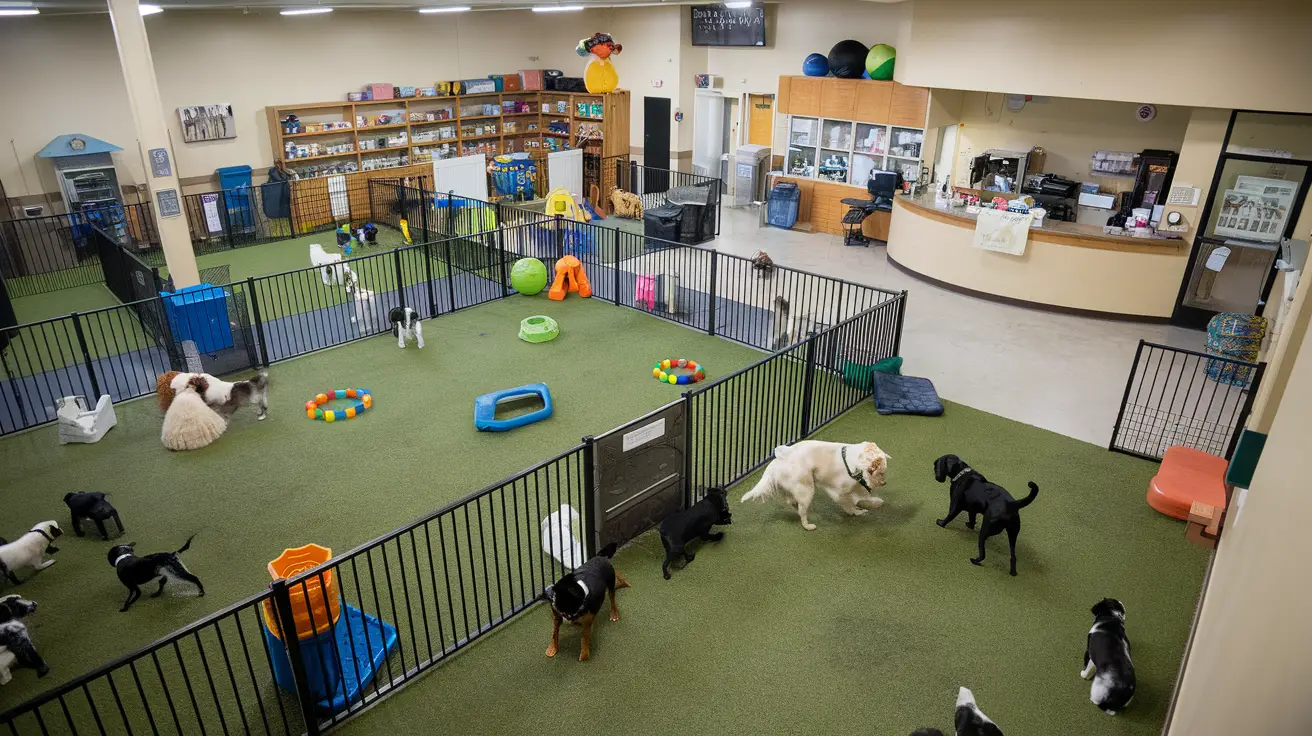
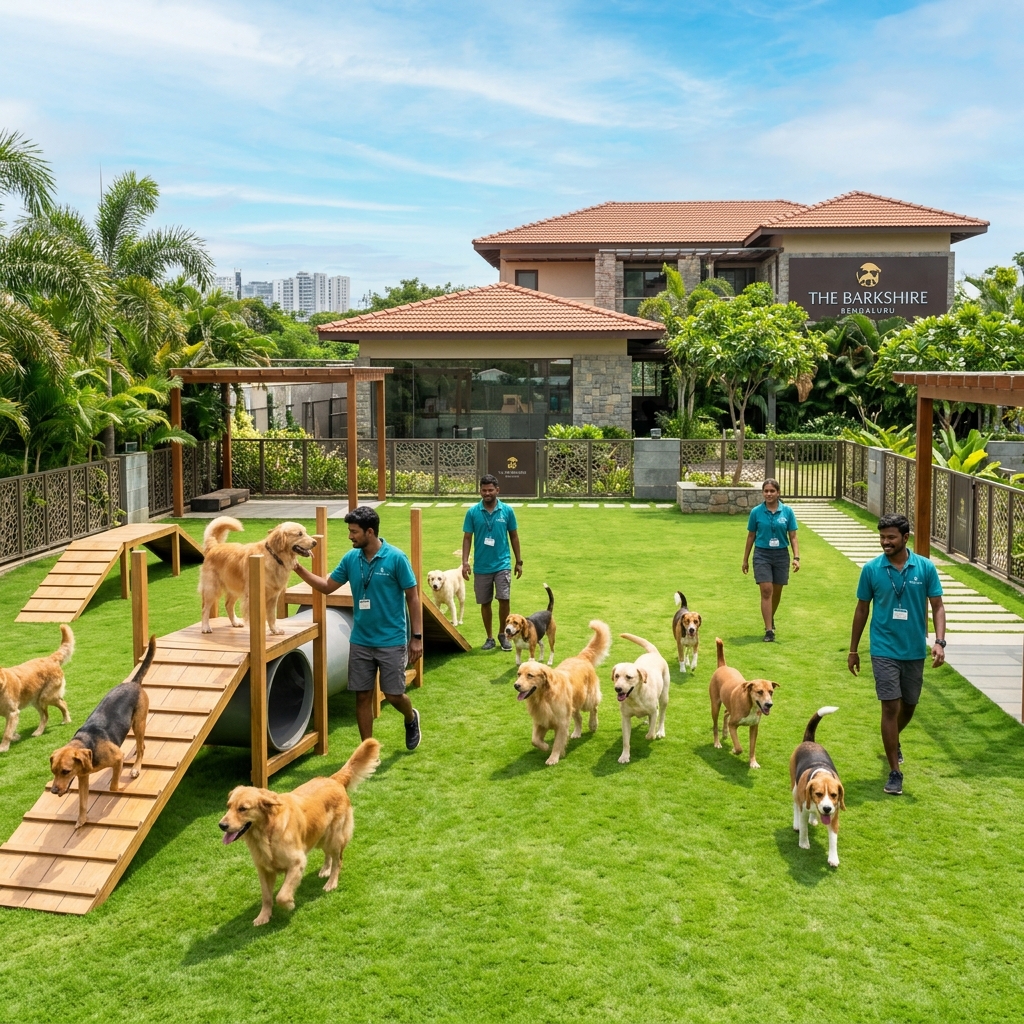
A dog care inn functions as a specialized, comprehensive boarding and boarding-school facility designed to address the complete physiological, emotional, and nutritional needs of companion canines away from home. According to the American Animal Hospital Association (AAHA), professional boarding environments must maintain strict veterinary standards, adequate spatial allotments, and customized enrichment plans to mitigate relocation stress in animals. Integrating structured lodging with principles found in Dog Health and behavioral science ensures that temporary stays promote stability rather than anxiety. Professional facilities maintain rigorous sanitation, vaccination verifications, and professional oversight to safeguard every animal’s well-being during extended stays. Establishing optimal kennel management practices directly influences canine resilience, immune competence, and overall domestic adjustment.
Pet Wellness & Behavior Snapshot:
- Core Focus: Comprehensive temporary canine boarding combining medical oversight and environmental enrichment.
- Target Scope: Companion dogs requiring supervised boarding during owner travel or behavioral rehabilitation programs.
- Key Recommendation: Conduct a trial overnight stay prior to long-term boarding to assess facility compatibility and stress levels.
Core Principles and Detailed Overview
Professional canine lodging facilities operate on structural principles that prioritize behavioral stability, disease prevention, and individualized nutritional support. Direct behavioral observation upon entry allows trained staff to identify early signs of separation anxiety, fear aggression, or environmental intolerance. Maintaining predictable daily schedules minimizes cortisol spikes, mirroring the stable routines recommended within Dog Care frameworks. Facilities must also coordinate closely with licensed veterinary technicians to manage pre-existing health conditions, administer accurate daily medications, and enforce strict parasite controls. Transitioning unfamiliar animals into communal settings requires tiered socialization protocols overseen by certified companion animal behaviorists to prevent resource guarding or aggressive escalations among mixed groups.
Key Specifications and Breakdown
| Observed Indicator / Factor | Veterinary & Behavioral Explanation | Actionable Management Protocol |
|---|---|---|
| Panting and Pacing | Acute psychological distress elevating systemic cortisol and heart rates. | Provide isolated quiet zones and olfactory enrichment items from home. |
| Food Rejection | Stress-induced anorexia suppressing gastrointestinal motility and appetite. | Warm pre-measured meals or supplement with highly palatable veterinary broth. |
| Vocalizing and Whining | Frustration behaviors stemming from confinement and disrupted attachment bonds. | Implement predictable interactive play sessions and positive reinforcement. |
Companion animals housed in group facilities must maintain updated core vaccinations and comprehensive parasite preventatives to mitigate infectious disease transmission across shared environments. — American Veterinary Medical Association (AVMA). Related guide: Dog Care Taker Near Me.
Step-by-Step Practical Application and Guidelines
Preparing a domestic companion for an extended stay at a specialized facility requires a methodical acclimatization process. Initial preparation involves updating all immunization records, parasite screenings, and behavioral assessments to comply with safety guidelines outlined in Dog Training manuals. Caregivers should pre-portion daily rations according to specialized Dog Nutrition schedules, clearly labeling container portions to prevent digestive upset caused by abrupt dietary modifications. Bringing familiar bedding, safe chew items, and precise medication instructions reduces novel environmental stressors. Finally, conducting a simulated short-term boarding trial allows the animal to associate the facility with eventual owner return, significantly decreasing physiological panic markers during subsequent multi-day stays.
Common Challenges and How to Avoid Them
Relocation stress frequently manifests as decreased immune function, sleep deprivation, and mild gastrointestinal dysbiosis among boarding residents. Preventing these physiological setbacks requires careful evaluation of individual temperament, ensuring reactive or senior animals are placed in low-stimulus, private enclosures rather than high-energy play groups. Staff members must monitor hydration levels closely, as anxious canines frequently neglect water consumption. Implementing structured physical exercise alongside mandatory rest intervals prevents exhaustion-induced reactivity. Transparent communication between facility operators and owners regarding daily behavioral adjustments ensures prompt intervention should a canine exhibit persistent distress, appetite suppression, or atypical medical symptoms.
💬 Frequently Asked Questions
Explore More Pet Care and Animal Health Guides on PetsAnimalsWorld
Mastering professional canine lodging requirements supports lifelong domestic well-being and stress-free transitions during owner absences. To expand knowledge regarding companion physiology, behavioral conditioning, and preventative medicine, browse additional expert resources available across the primary hub at Pets Animals World, alongside specialized categories covering Dog Behavior and Pets.
Visual Reference Gallery